

Delayed Speech With Motor Problems: When Children Need Neuropediatric Assessment
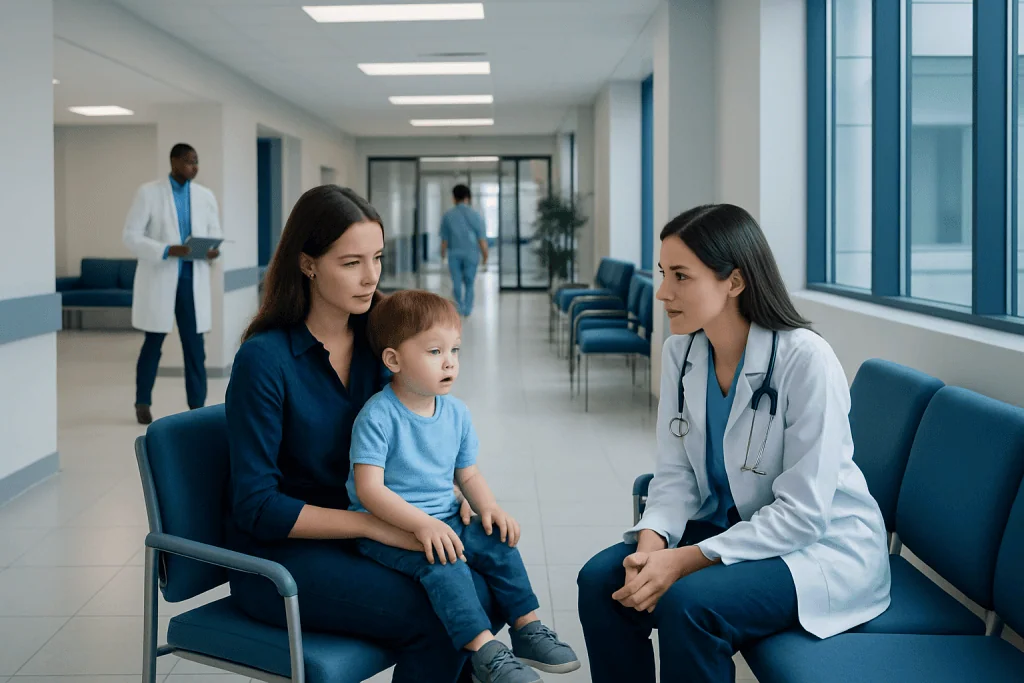
Speech delay and motor delay occurring together deserve timely medical attention. A neuropediatric assessment looks at brain, nerve, muscle, movement, language, and overall development.
Key Takeaways
- Speech delay and motor delay occurring together deserve timely medical attention.
- A neuropediatric assessment looks at brain, nerve, muscle, movement, language, and overall development.
- Causes range from benign developmental variation to hearing problems, cerebral palsy, genetic conditions, or autism spectrum disorder.
- Early diagnosis can guide therapies that support communication, movement, learning, and daily function.
- Parents should seek assessment if a child is losing skills, missing milestones, or showing weakness, stiffness, poor balance, or feeding difficulties.
Delayed speech together with motor difficulties can be a sign that a child needs a more detailed developmental evaluation. A neuropediatric assessment helps clarify whether the cause is temporary, developmental, neurological, or related to hearing, muscle tone, coordination, or learning.
Overview
Children develop speech, language, movement, and coordination at different rates, but these skills usually progress in a steady pattern. When delayed speech appears together with motor problems such as late sitting or walking, poor balance, unusual stiffness, low muscle tone, clumsiness, or weak hand use, doctors look more closely at the child’s nervous system and overall development.
A neuropediatric assessment is a specialist evaluation for children with concerns involving the brain, spinal cord, nerves, muscles, behavior, and development. It does not automatically mean a serious disorder is present. In many cases, the assessment helps rule out major problems, identify treatable causes, and connect families with the right therapies at an early stage.
Speech delay can affect spoken words, understanding language, social communication, or the ability to coordinate mouth movements for speech. Motor problems may involve gross motor skills, such as crawling and walking, or fine motor skills, such as grasping toys, feeding, drawing, or using both hands together. When both areas are affected, a broader developmental picture is important.
Early attention matters because speech and movement support each other in daily life. A child who struggles with posture, coordination, or oral motor control may also find it harder to explore, play, imitate sounds, and communicate needs. Timely assessment can lead to better planning, practical support, and reassurance for families.
Signs and Symptoms to Watch For
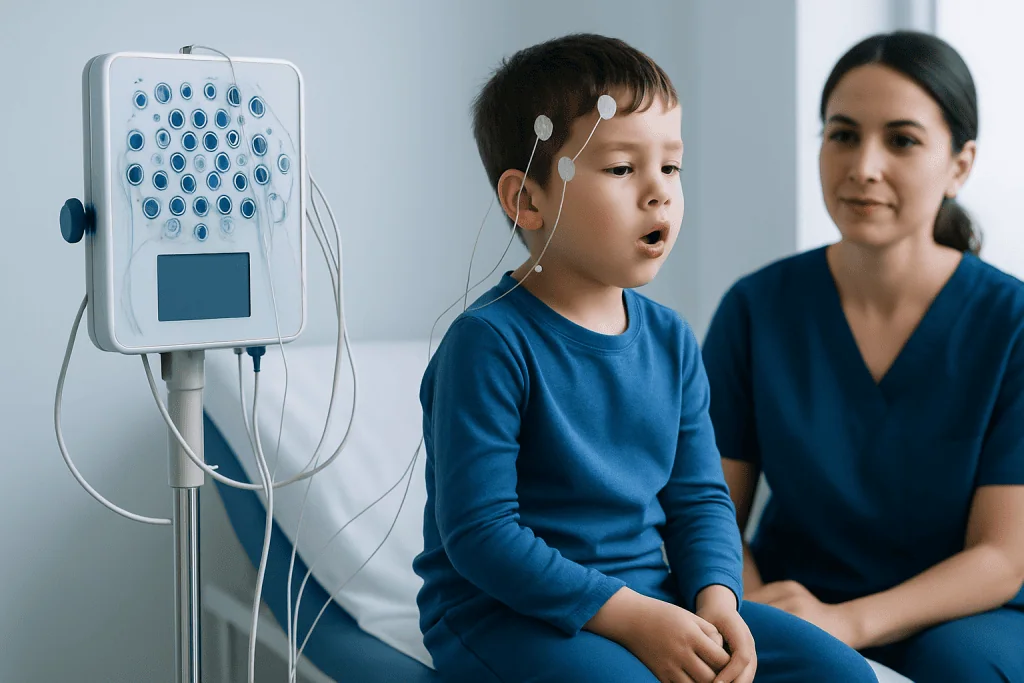
Parents often notice that a child is not meeting expected milestones or seems different from peers. Speech-related concerns may include not babbling as expected, not using words by the usual age range, trouble combining words, difficulty understanding simple instructions, unclear speech, or limited social communication such as reduced pointing, eye contact, or gestures.
Motor concerns can include floppy muscle tone, stiffness, asymmetrical movement, delayed head control, late rolling, sitting or walking, frequent falls, toe walking, tremor, poor coordination, awkward running, or difficulty using hands for feeding, stacking blocks, scribbling, or dressing. Some children tire easily or avoid movement-based play.
Other symptoms can offer useful clues. Feeding difficulties, excessive drooling, choking, unusual movements, seizures, developmental regression, poor growth, vision concerns, and behavioral differences may point to a need for more urgent specialist review. A child may also seem frustrated because they cannot express themselves clearly or keep up physically with everyday activities.
Signs worth discussing with a doctor include:
- No babbling, gestures, or response to sounds as expected for age
- Few or no words, or speech that is difficult to understand
- Loss of previously learned words or motor skills
- Late sitting, crawling, standing, or walking
- Persistent weakness, stiffness, floppiness, or poor balance
- Trouble chewing, swallowing, or coordinating mouth movements
- Unequal use of one side of the body
Possible Causes and Risk Factors

Delayed speech with motor problems does not have a single cause. Sometimes the explanation is relatively straightforward, such as hearing loss, prematurity, a developmental language disorder, or a coordination difficulty. In other children, the pattern may reflect a broader neurodevelopmental condition that affects both communication and movement.
Possible causes include hearing impairment, oral motor disorders, global developmental delay, intellectual disability, autism spectrum disorder, neuromuscular disorders, cerebral palsy, genetic syndromes, metabolic disorders, epilepsy-related developmental problems, and rare structural conditions affecting the brain or nerves. Some children may have more than one contributing factor. For example, a child with low muscle tone may also have a speech sound disorder or sensory processing differences.
Risk factors can include prematurity, birth complications, low birth weight, neonatal intensive care admission, family history of speech or developmental disorders, known genetic conditions, serious infections affecting the brain, head injury, and exposure to certain toxins. However, many children with developmental concerns have no obvious risk factors, so absence of these factors does not rule anything out.
Doctors also consider conditions that may overlap or mimic each other. A child with coordination problems may later be found to have autism spectrum disorder or cerebral palsy, while another may have a primarily language-based difficulty with otherwise typical motor development. Careful assessment helps separate these patterns and identify what support is most useful.
How a Neuropediatric Assessment Is Done
A neuropediatric assessment begins with a detailed discussion about pregnancy, birth history, early milestones, feeding, sleep, behavior, family history, and the exact pattern of concerns. Parents may be asked when they first noticed the delay, whether the child is making steady progress, and whether there has been any loss of skills. Videos from home can sometimes help doctors observe movement and communication in natural settings.
The physical and neurological examination looks at muscle tone, strength, reflexes, posture, coordination, balance, eye movements, hand use, and gait. The specialist also observes speech, language, play, understanding, social interaction, and attention. This helps build a full picture rather than focusing on one symptom in isolation.
Depending on the findings, the doctor may recommend hearing and vision checks, developmental testing, speech and language evaluation, occupational therapy and physiotherapy assessments, or additional investigations. These can include blood tests, genetic testing, brain imaging such as MRI, or tests of brain activity such as EEG when seizures or unusual episodes are a concern. Tests are chosen only when they are clinically helpful.
The goal is not only to label a condition, but to understand the child’s strengths, challenges, and support needs. A clear assessment can guide therapy, educational planning, and follow-up, while also helping families know what to expect next.
Treatment and Support Options
Treatment depends on the cause and the child’s specific developmental profile. Many children benefit from a combination of therapies rather than a single treatment. Speech and language therapy can support understanding, expressive language, social communication, feeding skills, and in some cases alternative communication methods. Physiotherapy may help posture, balance, strength, and movement patterns, while occupational therapy can improve fine motor skills, sensory regulation, and independence in daily tasks.
If a medical condition is identified, management focuses on that condition as well. Hearing loss may require hearing support or ENT care. Seizures need neurological treatment. Neuromuscular or genetic disorders may involve coordinated specialist follow-up. Some children with significant developmental concerns may benefit from comprehensive pediatric rehabilitation programs that bring several therapies together.
Support also includes practical changes at home and school. Caregivers can be shown how to encourage communication during play, build routines, use gestures and visual supports, and adapt activities to the child’s motor abilities. Teachers and early years providers may need guidance on seating, communication strategies, and opportunities for movement and participation.
Progress is often gradual, and each child’s pathway is different. The main aim is to help the child communicate more effectively, move more confidently, and participate more fully in family life, learning, and play. Follow-up is important because needs may change as the child grows.
What Parents Can Do at Home
Parents play a central role in supporting development, but they should not feel responsible for causing delays. Most speech and motor difficulties are not the result of parenting style. What helps most is consistent, supportive interaction and timely access to professional advice.
Helpful strategies include talking during everyday routines, naming objects and actions, reading picture books, singing songs with gestures, giving the child time to respond, and encouraging turn-taking in play. For motor skills, floor play, safe opportunities for climbing and reaching, and simple hand activities such as stacking, drawing, and using large crayons may be useful when matched to the child’s abilities.
It is best to avoid pressure, comparison, or repeated correction. Children usually respond better to encouragement than to drills that feel stressful. If the child has feeding problems, choking, obvious weakness, or pain with movement, parents should stop difficult activities and seek professional guidance rather than trying to push through them at home.
Keeping notes about milestones, videos of concerning movements, and examples of speech or understanding difficulties can make appointments more productive. Families may also find it helpful to ask for coordinated care if they are seeing more than one specialist or therapist.
When to See a Doctor
Parents should speak with a doctor whenever delayed speech is accompanied by motor concerns, especially if progress is slow or uneven. An early conversation with a pediatrician can help decide whether monitoring, therapy referral, or neuropediatric evaluation is needed. It is usually better to ask early than to wait and worry.
More urgent assessment is needed if the child loses previously gained skills, has seizures, persistent feeding or swallowing problems, unusual eye movements, marked weakness, severe stiffness, significant asymmetry, or frequent unexplained falls. These signs do not always mean a serious illness, but they should be evaluated promptly.
If developmental concerns continue after initial review, a specialist evaluation can help guide next steps. In complex cases, input from neurology, rehabilitation, speech therapy, developmental pediatrics, and genetics may all be useful. Acibadem International’s multidisciplinary specialists and JCI-accredited hospitals diagnose and treat children with developmental and neurological concerns, including those who may need pediatric neurology assessment.
Families should remember that many children make meaningful progress with the right support. Seeking help is a positive step toward understanding the child’s needs and building a plan that supports communication, movement, confidence, and participation.
Frequently asked questions
Does delayed speech with motor problems always mean a neurological disorder?
No. Some children have mild developmental variation, hearing issues, or coordination difficulties that are not due to a major neurological disease. However, when speech and motor delays occur together, a fuller assessment is important because the combination can sometimes signal a broader developmental or neurological condition.
What kind of doctor should evaluate a child with these symptoms?
A pediatrician is often the first step and can check milestones, hearing concerns, and general health. If there are combined speech and motor issues, the child may be referred to a neuropediatric specialist, developmental pediatrician, or a team including speech, physiotherapy, and occupational therapy professionals.
At what point should parents seek help?
Parents should seek help whenever they feel their child is not progressing as expected, especially if speech delay occurs alongside late walking, poor balance, stiffness, weakness, or hand difficulties. They should seek prompt medical review if the child loses skills, has seizures, or shows feeding and swallowing problems.
What tests might be needed?
Not every child needs extensive testing. Depending on the examination, doctors may recommend hearing and vision checks, developmental assessments, blood tests, genetic testing, MRI, or EEG, but only when the child’s symptoms suggest these would be useful.
Can therapy help even before a final diagnosis is made?
Yes. Early support is often helpful even while the evaluation is still ongoing. Speech therapy, physiotherapy, and occupational therapy can address specific functional needs and may improve communication, mobility, and day-to-day independence.
Can children with delayed speech and motor problems improve over time?
Many children do improve, especially when concerns are recognized early and support is tailored to their needs. Progress may be gradual, and outcomes depend on the underlying cause, but regular follow-up and therapy can make a meaningful difference.
References
- American Academy of Pediatrics
- Centers for Disease Control and Prevention
- National Institute of Neurological Disorders and Stroke
- National Institute on Deafness and Other Communication Disorders
- World Health Organization
This article is for general information only and is not a substitute for professional medical advice. Please consult a qualified doctor about your individual situation.
Explore treatments in Turkey — costs, top hospitals & a free quote
JCI-accredited · board-certified surgeons · reply within 24h
Add us as a Preferred Source to see more of our trusted health content across Google Search, AI Overviews and Discover.

Pediatrics
Complete healthcare for infants, children and adolescents across all sub-specialties.
232 specialists in this unitMore from the Health Library



Related Specialists

Prof. Dr. Erkin Aribal
Breast Clinic Clinical Service
Dr. Ceyhun Başıoğlu
Physical Medicine & Rehabilitation
Dr. Hüseyin Maçika
Anesthesiology
Dr. Buket Özel Bingöl
Otorhinolaryngology