Dental Braces Elastics: What Patients Need to Know

Dental braces elastics help correct bite alignment, not just straighten individual teeth. They must usually be worn for the number of hours recommended by the orthodontist to work properly.
Key Takeaways
- Dental braces elastics help correct bite alignment, not just straighten individual teeth.
- They must usually be worn for the number of hours recommended by the orthodontist to work properly.
- Mild soreness is common at first, but severe pain, swelling, or broken appliances should be checked.
- Changing elastics exactly as instructed helps maintain steady, predictable tooth movement.
- Good oral hygiene and avoiding damaging foods can support treatment and reduce complications.
Dental braces elastics are small rubber bands used with braces to guide how the upper and lower teeth fit together. They are effective only when worn as directed, so understanding their purpose, care, and possible discomfort can help patients get the best result from orthodontic treatment.
Overview: what dental braces elastics do
Dental braces elastics are small rubber bands attached to braces to apply gentle, continuous force between the upper and lower teeth. Their main job is to improve the way the teeth and jaws meet, which is called the bite. While braces align teeth within each dental arch, elastics often help correct how the top and bottom arches fit together.
Orthodontists may prescribe elastics for issues such as overbite, underbite, crossbite, or other bite relationships. The exact pattern depends on the patient’s needs. Some people wear elastics from a tooth on the upper arch to a tooth on the lower arch, while others use different configurations to guide movement more precisely.
Elastics are highly effective when used consistently. Unlike wires or brackets that stay in place all the time, elastics are removable and depend on patient cooperation. This is why the treatment result and overall timeline can be strongly influenced by how closely the instructions are followed.
How orthodontic elastics work in daily treatment
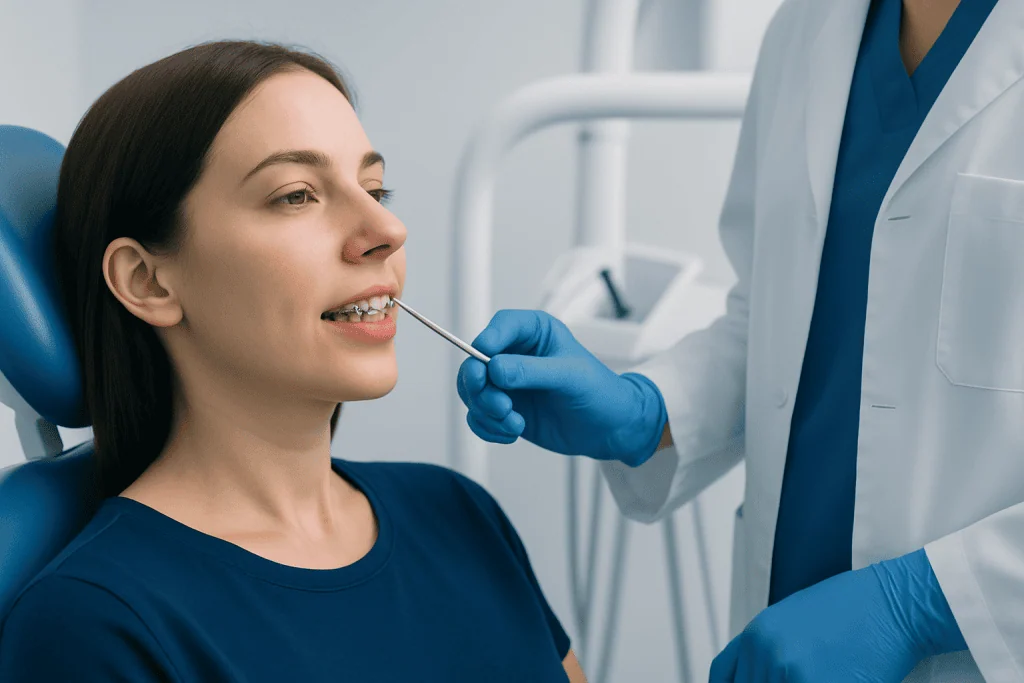
Elastics create a light pulling force that encourages teeth and supporting bone to remodel over time. This process is gradual and controlled. The goal is not to force rapid movement but to guide bite correction safely and predictably as part of a wider orthodontic plan.
Orthodontists choose the size, thickness, and attachment pattern based on the bite problem being treated. Patients should not switch to a different elastic type, double up bands, or change the wearing pattern unless their orthodontist specifically advises it. Even small changes can alter the direction of force and affect progress.
Most patients are asked to wear elastics for many hours a day, often removing them only for meals, brushing, and flossing. New elastics are usually changed at regular intervals because the rubber loses strength over time. Steady force matters more than strong force, so frequent replacement is often part of the instructions.
If a patient is also being treated for jaw alignment concerns or a more complex bite issue, elastics may be just one component of care alongside brackets, wires, or other devices. In some cases, the orthodontist may discuss broader orthodontic treatment options to achieve a stable result.
What patients may feel: normal effects and common concerns

It is common to feel pressure or mild soreness for the first few days after starting dental braces elastics or after changing to a new pattern. This usually reflects tooth movement rather than a problem. Speaking and chewing may also feel slightly different at first, but most people adapt within a short time.
Some patients notice irritation on the cheeks or lips where braces and elastics rub. Orthodontic wax, careful placement, and good oral hygiene can help reduce discomfort. Keeping the mouth clean is important because trapped food and plaque around brackets and bands can increase irritation and raise the risk of gum inflammation.
Elastics should not cause severe pain, bleeding gums, facial swelling, or difficulty opening the mouth. If an elastic repeatedly snaps, slips off, or seems impossible to place, the fit or hook position may need professional review. Patients should also report any loose bracket, poking wire, or sudden change in how the teeth come together.
- Mild pressure for a few days is common.
- Temporary speech changes may happen at first.
- Persistent sharp pain is not considered normal.
- Broken brackets or wires can interfere with elastic wear.
How to wear, change, and care for braces elastics
Following the orthodontist’s instructions exactly is the most important part of elastic wear. Patients are usually shown where each elastic should hook and how often it should be replaced. It often helps to keep a small mirror and clean hands available when placing them, especially during the first week.
Elastics are commonly removed for eating, brushing, and flossing unless the orthodontist advises otherwise. Fresh elastics are then placed afterward. Reusing old bands is not recommended because they lose elasticity and may no longer deliver the intended force.
Oral hygiene should remain a daily priority. Brushing around brackets, flossing carefully, and rinsing after meals can help reduce plaque buildup and gum irritation. Patients with braces may also be advised to limit very sticky, hard, or chewy foods because these can damage the appliance and interrupt treatment.
If a patient has difficulty keeping the teeth and gums healthy during treatment, the orthodontic team may recommend closer dental follow-up. This can be particularly helpful for anyone prone to gum inflammation or gum disease. Good gum health supports safer tooth movement and a more comfortable treatment experience.
What can slow progress or affect results
The most common reason elastics do not work as expected is inconsistent wear. Putting them on only part of the time can create an uneven pattern of force, which may slow progress and sometimes increase tenderness when they are restarted. For many patients, consistent wear is more important than short periods of very diligent use.
Another issue is changing the pattern without guidance. Patients may be tempted to place elastics differently if one side feels looser or if they lose the instruction sheet. However, self-adjusting treatment can interfere with the orthodontist’s plan. If the instructions are unclear, it is safer to contact the clinic for clarification.
Missed appointments, broken brackets, lost hooks, and poor oral hygiene can also delay treatment. Inflammation around the gums may make the mouth more sensitive and can complicate orthodontic care. A stable bite also depends on overall dental health, so untreated problems such as tooth decay may need attention during treatment.
Patients who repeatedly struggle with wear may benefit from a practical routine, such as carrying spare elastics, keeping extras at school or work, and replacing bands at the same times each day. Small habits can make long-term treatment easier to follow.
Supportive care, follow-up, and related treatment options
Regular follow-up visits allow the orthodontist to check how the bite is responding and whether the elastic pattern should change. At these visits, the team may adjust wires, examine the brackets and hooks, and review any discomfort or practical difficulties. This is a good time for patients to mention if they are having trouble remembering wear time or replacing elastics regularly.
Some patients need complementary dental care during orthodontic treatment, such as professional cleaning, gum evaluation, or treatment for cavities. If braces trap food or make brushing more difficult, preventive dental care becomes even more important. In selected situations, supportive dental treatment may be needed to keep the mouth healthy while orthodontic correction continues.
After the active phase of braces, many patients transition to retainers to help maintain the new tooth positions and bite relationship. Retention is a routine part of care because teeth can naturally drift over time. A good orthodontic result depends not only on movement during treatment but also on maintaining that result afterward.
For international patients seeking coordinated care, Acibadem International’s multidisciplinary specialists and JCI-accredited hospitals diagnose and treat dental and orthodontic conditions with individualized planning.
When to seek medical or dental care
Patients should contact their orthodontist or dentist if they develop severe pain, swelling of the gums or face, pus, fever, or significant trouble chewing. These symptoms may indicate a problem beyond ordinary brace discomfort and should not be ignored. A loose bracket, broken wire, or swallowed elastic should also be discussed promptly so the team can advise what to do next.
Medical evaluation may be needed if there are signs of an allergic reaction, such as lip swelling, rash, or breathing difficulty after using elastics. Although uncommon, any breathing problem requires urgent care. Patients with mouth ulcers that do not improve, bleeding that persists, or a sudden change in the way the jaw closes should also seek professional advice.
Routine discomfort after starting elastics is common, but worsening symptoms are not. If there is uncertainty about what is normal, it is safer to ask the orthodontic team. Early advice can prevent a small problem from interfering with treatment.
Frequently asked questions
Do dental braces elastics make treatment faster?
They can help treatment stay on schedule because they correct bite relationships that braces alone may not fully address. However, they do not work simply by being stronger or tighter. The key is wearing them consistently exactly as prescribed.
How many hours a day should elastics be worn?
The recommended wear time varies by treatment plan, so patients should follow their orthodontist's instructions rather than general advice from others. Many people are told to wear them most of the day and night, removing them only for meals and oral hygiene. If the instructions are unclear, it is best to ask the clinic directly.
Is it normal for braces elastics to hurt?
Mild soreness or pressure is common when elastics are first started or when the pattern changes. This usually improves within a few days as the teeth and jaw adapt. Severe pain, swelling, or symptoms that keep getting worse should be checked.
What happens if a patient forgets to wear elastics?
Missing wear time can reduce the steady force needed for bite correction and may slow treatment progress. Restarting them after long gaps can also cause renewed soreness. Patients should resume the prescribed schedule and contact the orthodontist if they are unsure how to continue.
Can patients eat with dental braces elastics on?
Many orthodontists advise removing elastics for meals unless they specifically say otherwise. This can help prevent breakage and make eating more comfortable. Fresh elastics are usually placed again after eating and cleaning the teeth.
Should a patient wear two elastics if one feels loose?
No, patients should not double elastics or change the pattern on their own. Using extra force can alter the treatment plan and may increase discomfort without improving the result. Any concern about fit or looseness should be discussed with the orthodontist.
References
- American Association of Orthodontists
- American Dental Association
- National Institute of Dental and Craniofacial Research
- NHS
- Mayo Clinic
This article is for general information only and is not a substitute for professional medical advice. Please consult a qualified doctor about your individual situation.
Explore treatments in Turkey — costs, top hospitals & a free quote
JCI-accredited · board-certified surgeons · reply within 24h
Add us as a Preferred Source to see more of our trusted health content across Google Search, AI Overviews and Discover.

More from the Health Library

Effexor — Explained by Medical Evidence, Not Myths

Tylenol Pm: What Patients Need to Know

Yoga Exercises: An Evidence-Based Guide for Patients

Listerine Foot Soak: An Evidence-Based Guide for Patients

Borborygmi: What Patients Need to Know