Dental Cleaning — Explained by Medical Evidence, Not Myths
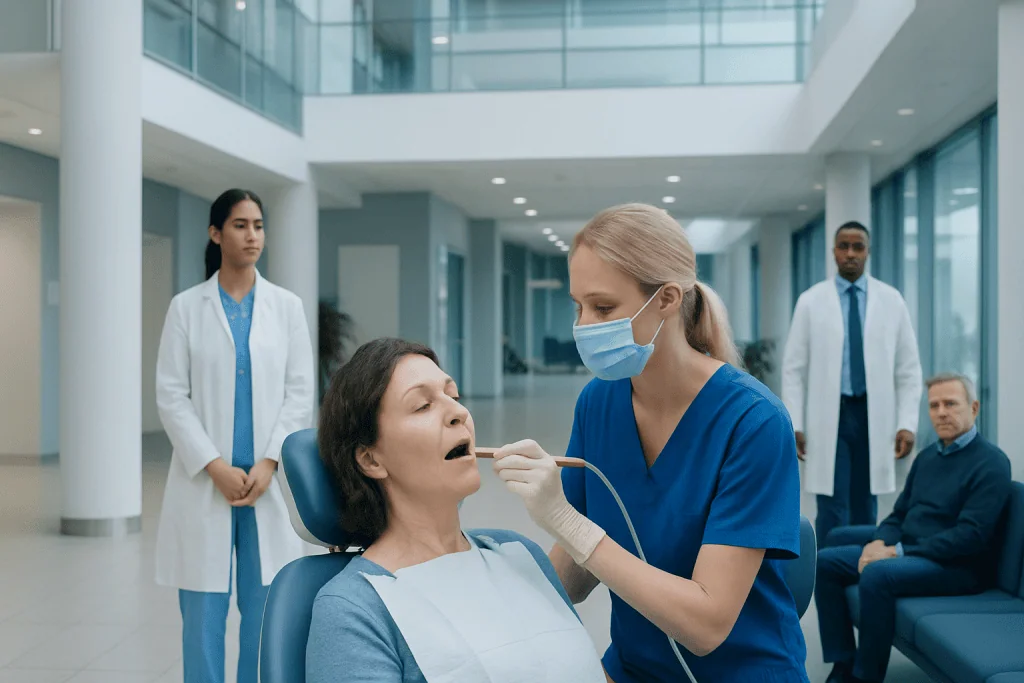
Dental cleaning removes plaque and tartar that brushing and flossing cannot fully clear. Regular professional cleanings help lower the risk of cavities, gingivitis, and periodontal disease progression.
Key Takeaways
- Dental cleaning removes plaque and tartar that brushing and flossing cannot fully clear.
- Regular professional cleanings help lower the risk of cavities, gingivitis, and periodontal disease progression.
- A routine cleaning usually includes an oral exam, scaling, polishing, and tailored home-care advice.
- Mild sensitivity or gum tenderness after cleaning can happen, but severe pain or ongoing bleeding should be assessed by a dentist.
- People with gum disease, diabetes, dry mouth, braces, or smoking history may need closer follow-up.
Dental cleaning is a professional oral care procedure that removes plaque, tartar, and surface stains to support healthy teeth and gums. It is not only a cosmetic step; medical evidence shows it helps prevent common problems such as cavities, gingivitis, and worsening gum disease.
Overview: what dental cleaning really does
Dental cleaning is a professional procedure that removes soft plaque, hardened tartar, and some surface stains from the teeth and around the gumline. In practical terms, it helps keep the mouth healthier by lowering the bacterial buildup that contributes to cavities, bad breath, and gum inflammation. For most people, it is a routine preventive service rather than a treatment for an emergency.
A common myth is that dental cleaning weakens teeth or creates spaces between them. In fact, cleaning does not remove healthy tooth structure. What it removes is the hardened deposit that may have been masking gum swelling or filling spaces where gums have already pulled back because of disease. This is why teeth can feel different afterward, even though the cleaning itself is protective.
Another misconception is that daily brushing alone can replace professional cleaning. Home care is essential, but even excellent brushing and flossing may not fully remove tartar once it has hardened on the teeth. A trained dental professional uses specific instruments to clean these areas more thoroughly and to check for early signs of oral disease.
Why dental cleaning matters for whole-mouth health
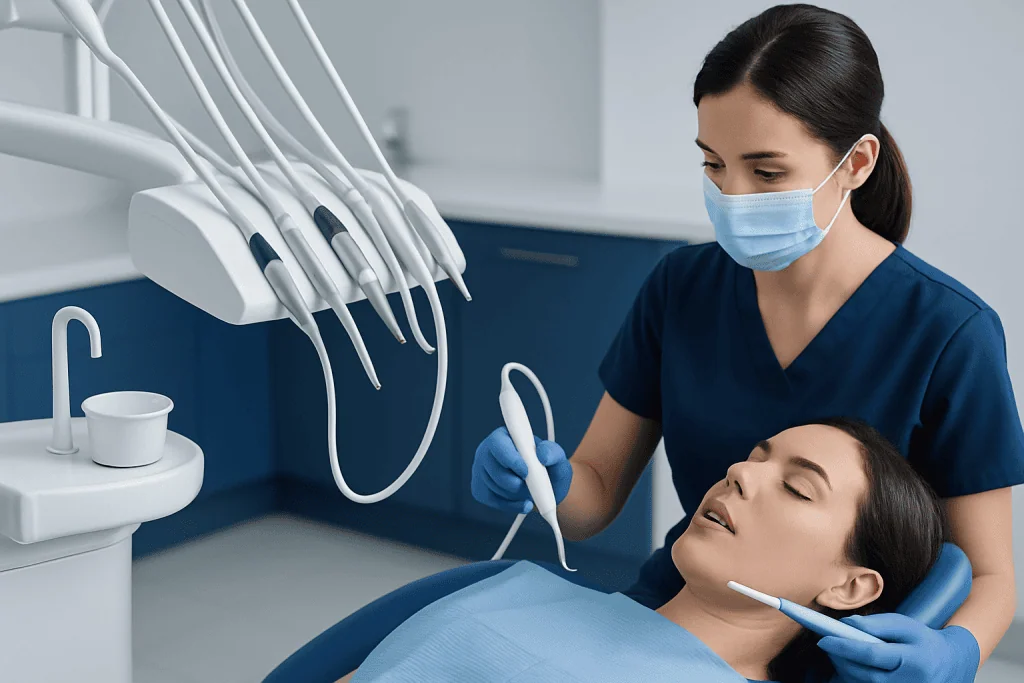
The main medical value of dental cleaning is prevention. Plaque is a sticky film of bacteria that forms on teeth every day. If it is not removed regularly, it can harden into tartar, which is much more difficult to remove at home. Plaque and tartar can irritate the gums, leading to redness, swelling, and bleeding that often mark early gum disease.
Cleaning is also important because it gives the dental team a chance to detect problems early. During a routine visit, a dentist or dental hygienist may notice signs of tooth decay, enamel wear, gum recession, clenching, dry mouth, or oral lesions. Early detection often means simpler and more effective treatment.
For people who already have gum problems, professional care can be especially important. Routine cleaning supports the management of gum disease, while deeper treatment may be needed if infection extends below the gumline. Keeping the mouth healthier can also make eating, speaking, and daily comfort easier.
What happens during a dental cleaning appointment
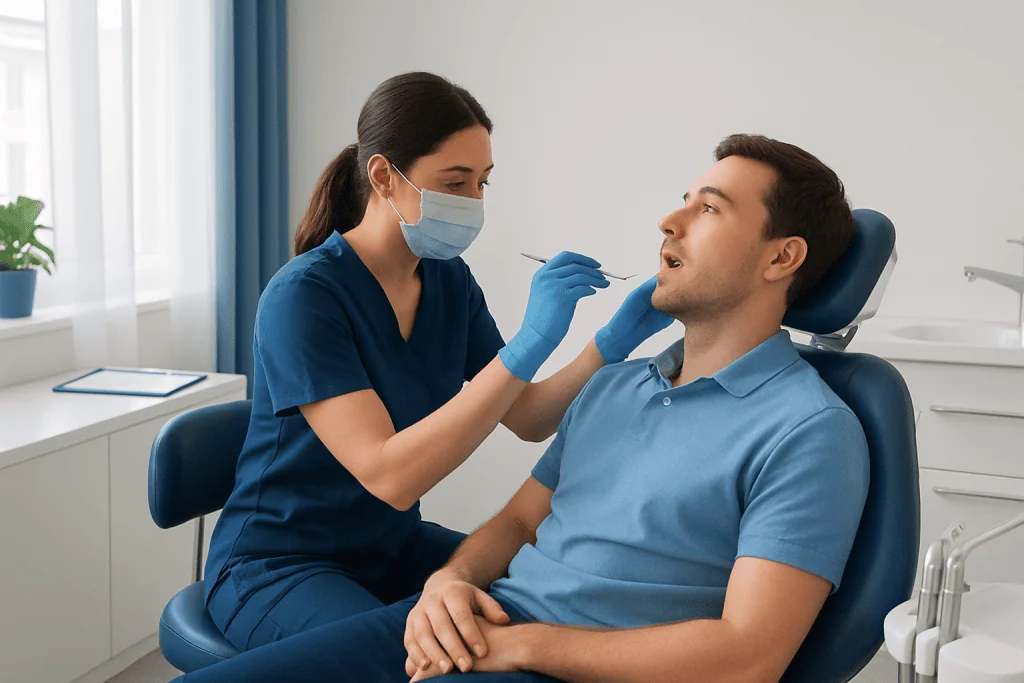
A routine dental cleaning usually begins with a visual examination of the teeth and gums. The dental professional may ask about symptoms such as bleeding when brushing, tooth sensitivity, pain, bad breath, or changes in medical history. In some cases, dental X-rays are recommended if there are concerns that cannot be seen directly.
The cleaning itself often includes scaling, which removes plaque and tartar from the tooth surfaces and around the gumline. Hand instruments or ultrasonic devices may be used, depending on the amount of buildup and the patient’s needs. After scaling, the teeth are often polished to help remove surface stains and leave a smoother surface.
Many appointments also include flossing and a fluoride treatment when appropriate. If there are signs of deeper gum pockets, the dentist may discuss more advanced care such as deep cleaning with scaling and root planing rather than a standard preventive cleaning. The visit usually ends with personalized advice on brushing, flossing, interdental cleaning, diet, and follow-up timing.
Who may need dental cleaning more often
The ideal cleaning schedule is not identical for everyone. Many people benefit from regular preventive visits at intervals recommended by their dentist, but those with higher oral health risks may need more frequent care. The right timing depends on how quickly plaque and tartar build up, how healthy the gums are, and whether there are medical or lifestyle factors that affect oral health.
People who may need closer follow-up include those who smoke, have diabetes, wear braces or other dental appliances, experience dry mouth, or have had gum disease in the past. Some medications can reduce saliva, and lower saliva flow can increase the risk of tooth decay and plaque buildup. Pregnancy can also affect the gums and make inflammation more noticeable.
Children, older adults, and people with limited dexterity may also benefit from more tailored support. For example, if home brushing and flossing are difficult, professional cleaning visits may play a larger preventive role. A dentist may also coordinate cleaning around other care, such as dental implants or restorative work, to help maintain long-term oral health.
Possible sensations, side effects, and common concerns
Dental cleaning is generally well tolerated. Some people feel pressure, scraping, or vibration during the procedure, especially if there is more tartar present. Mild gum tenderness, temporary bleeding, or short-term tooth sensitivity can happen afterward, particularly if the gums were already inflamed before the appointment.
These effects are usually brief and improve over a day or two. Using a soft-bristled toothbrush, avoiding very hot or very cold foods for a short time, and following the dentist’s aftercare advice can help. If sensitivity has been an ongoing issue, the dental team may suggest desensitizing products or modifications to home care.
It is also understandable to worry about pain. If a person has very sensitive teeth, significant tartar buildup, or anxiety about dental procedures, the dentist can often adjust the approach to improve comfort. When a deeper problem is suspected, the patient may be assessed for conditions such as tooth decay or more advanced periodontal disease rather than assuming discomfort is from cleaning alone.
How to protect results after dental cleaning
The benefits of dental cleaning last longest when daily oral care is consistent. Brushing twice a day with fluoride toothpaste and cleaning between the teeth once a day help slow plaque buildup. Interdental brushes, floss, or water flossing devices may be recommended depending on tooth spacing, restorations, or braces.
Diet also matters. Frequent sugary snacks and drinks feed oral bacteria and increase the risk of cavities. Limiting tobacco use is important because smoking raises the risk of gum disease, staining, delayed healing, and oral cancer. Staying hydrated and managing dry mouth can further support a healthier oral environment.
People with persistent bleeding gums, recurring tartar buildup, or ongoing bad breath should not rely on home remedies alone. A dentist may recommend targeted preventive measures or treatment, including evaluation for gum infection, cavities, or bite-related problems. In some cases, additional dental care such as root canal treatment may be needed if pain comes from the tooth rather than the gums.
When to seek medical care
A routine dental cleaning should not cause severe or lasting symptoms. It is sensible to contact a dentist if bleeding is heavy, pain is significant, swelling increases, or sensitivity does not improve after a few days. These symptoms may point to untreated gum disease, decay, infection, or another issue that needs evaluation.
Medical care is also important if there is fever, pus, facial swelling, difficulty swallowing, or severe toothache, because these are not typical after-effects of a standard cleaning. People with certain heart conditions, immune system concerns, or complex medical histories should follow their clinician’s advice about dental visits and any special precautions.
For patients who need coordinated assessment and treatment, Acibadem International’s multidisciplinary specialists and JCI-accredited hospitals diagnose and manage dental and oral health conditions for international patients. The most appropriate next step depends on the person’s symptoms, oral examination findings, and overall health.
Frequently asked questions
Is dental cleaning necessary if a person brushes and flosses well?
Yes, dental cleaning can still be useful even with good home care. Plaque can harden into tartar in areas that are difficult to reach, and tartar usually cannot be removed by brushing alone. Professional visits also help detect early dental problems before they become more serious.
Does dental cleaning damage enamel or loosen teeth?
No, routine dental cleaning does not damage healthy enamel when it is performed appropriately by trained professionals. It removes plaque, tartar, and some stains rather than healthy tooth tissue. Teeth may feel different afterward because deposits have been removed, not because the teeth were harmed.
How often should dental cleaning be done?
The best schedule varies from person to person. Many people attend regular preventive visits, but those with gum disease, smoking history, braces, diabetes, or heavy tartar buildup may need more frequent care. A dentist can recommend an interval based on individual risk.
Is dental cleaning painful?
For most people, it is uncomfortable at times rather than truly painful. Sensations such as pressure, scraping, or temporary sensitivity are common, especially when there is more tartar or gum inflammation. If comfort is a concern, the dental team can often adapt the procedure.
What is the difference between a regular cleaning and a deep cleaning?
A regular cleaning focuses on plaque and tartar above the gumline and slightly below it in a preventive setting. A deep cleaning, often called scaling and root planing, is used when gum disease has created deeper pockets around the teeth. It is a treatment for periodontal disease rather than a routine cleaning alone.
Can teeth look whiter after dental cleaning?
They can look cleaner and brighter because some external stains and deposits are removed. However, dental cleaning is not the same as tooth whitening treatment. It improves cleanliness and surface appearance but does not change the natural internal tooth color.
References
- American Dental Association
- Centers for Disease Control and Prevention
- National Institute of Dental and Craniofacial Research
- World Health Organization
This article is for general information only and is not a substitute for professional medical advice. Please consult a qualified doctor about your individual situation.
Explore treatments in Turkey — costs, top hospitals & a free quote
JCI-accredited · board-certified surgeons · reply within 24h
Add us as a Preferred Source to see more of our trusted health content across Google Search, AI Overviews and Discover.

More from the Health Library

Cardiac Arrest: What Patients Need to Know

Xulane Patch — Explained by Medical Evidence, Not Myths

Gangrene — Explained by Medical Evidence, Not Myths

Shingles on Scalp: An Evidence-Based Guide for Patients

Soursop Benefits: An Evidence-Based Guide for Patients