

Dental Hygiene at Home: Daily Habits That Protect Teeth and Gums

Brush twice a day with fluoride toothpaste and clean between teeth once daily. Good home care helps prevent cavities, gum disease, plaque buildup, and bad breath.
Key Takeaways
- Brush twice a day with fluoride toothpaste and clean between teeth once daily.
- Good home care helps prevent cavities, gum disease, plaque buildup, and bad breath.
- Diet, smoking, dry mouth, and some medical conditions can affect oral health.
- Regular dental checkups remain important even with an excellent home routine.
- Bleeding gums, tooth pain, swelling, or lasting bad breath should be checked by a dentist.
Dental hygiene at home is the foundation of healthy teeth and gums. Simple daily habits such as brushing well, cleaning between teeth, using fluoride, and choosing tooth-friendly foods can lower the risk of cavities, gum disease, bad breath, and other oral health problems.
Overview
Dental hygiene at home means the everyday steps a person takes to keep the mouth clean and healthy. These habits help remove plaque, a sticky film of bacteria that forms on teeth and along the gumline. When plaque is not removed regularly, it can harden into tartar and contribute to cavities, gum inflammation, and unpleasant breath.
A strong home routine supports both oral and overall health. Healthy teeth and gums make it easier to eat, speak, and smile comfortably. Good oral hygiene may also reduce the burden of inflammation in the mouth and help protect dental work such as fillings, crowns, bridges, and implants.
Home care works best when it is done consistently and correctly. Brushing, cleaning between teeth, using fluoride, and making thoughtful choices about food and drinks all play a role. Professional care is still important, but daily habits are what protect the mouth between visits.
Why Daily Dental Hygiene Matters
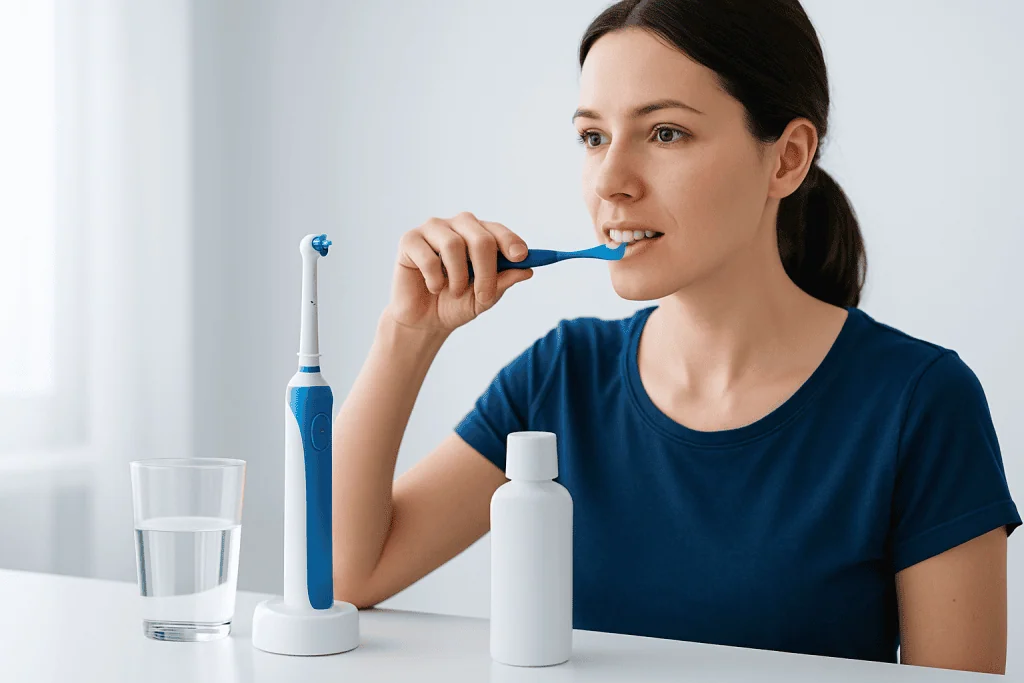
Each day, food particles, bacteria, and saliva combine to form plaque. If plaque stays on the teeth and gums, the acids produced by bacteria can weaken enamel and cause tooth decay. At the gumline, plaque can irritate the gums, leading to redness, swelling, and bleeding, which are early signs of gum disease.
Daily dental hygiene helps interrupt this process before damage develops. Regular brushing and flossing remove plaque from the surfaces of teeth and from tight spaces a toothbrush cannot reach. Fluoride strengthens enamel and helps repair very early areas of mineral loss before they become larger cavities.
Home care also helps manage common concerns such as bad breath and tooth sensitivity. In addition, it can help preserve dental restorations and support long-term oral health. People who want guidance on preventive care may benefit from routine follow-up through general dentistry services as part of a complete oral health plan.
Daily Habits That Protect Teeth and Gums
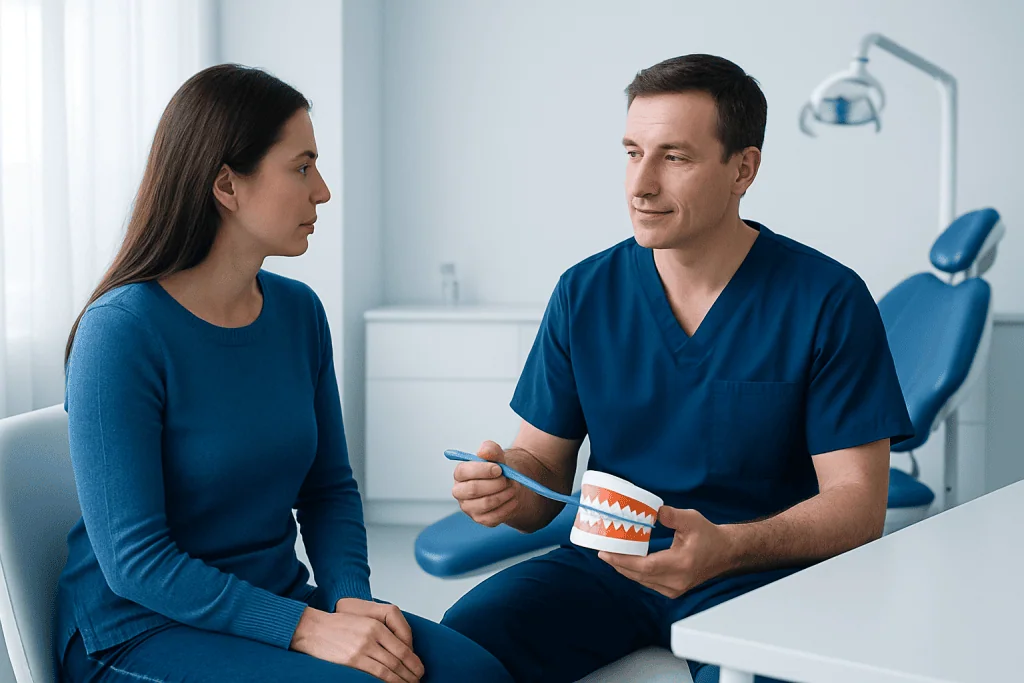
The most important habit is brushing twice a day with fluoride toothpaste. A soft-bristled toothbrush is usually recommended because it cleans effectively without being too harsh on teeth and gums. Brushing should cover all tooth surfaces and the gumline with gentle, small movements rather than aggressive scrubbing.
Cleaning between the teeth once a day is also essential. Dental floss, floss picks, interdental brushes, or a water flosser may help remove plaque from areas a regular toothbrush cannot reach. The best choice often depends on tooth spacing, braces, implants, bridges, dexterity, and personal preference, but the key is to use it correctly and consistently.
Other helpful habits include brushing the tongue, replacing the toothbrush or brush head regularly, and rinsing only as advised after brushing so fluoride can stay on the teeth longer. If a person is unsure whether their technique is effective, a dentist or hygienist can demonstrate a personalized dental hygiene routine.
- Brush twice daily for about two minutes each time.
- Use fluoride toothpaste unless a dentist suggests otherwise.
- Clean between teeth once a day.
- Brush the tongue or use a tongue cleaner.
- Change toothbrushes or electric brush heads when worn.
Diet, Lifestyle, and Risk Factors
What a person eats and drinks strongly affects oral health. Frequent sugary snacks, sweets, and acidic drinks can increase the risk of enamel erosion and tooth decay. It is often not only the amount of sugar that matters, but how often the teeth are exposed to it throughout the day.
Water is usually the most tooth-friendly drink. It helps rinse the mouth and supports saliva, which naturally protects teeth by neutralizing acids and washing away food debris. A balanced diet with vegetables, fruits, whole grains, dairy or fortified alternatives, and protein sources supports the tissues of the mouth as well as the body overall.
Smoking and other tobacco use raise the risk of gum disease, staining, delayed healing, and oral cancer. Dry mouth is another important risk factor because saliva helps protect teeth and gums. Dry mouth may be related to dehydration, mouth breathing, aging, some medicines, or medical conditions, and it can make cavities and irritation more likely.
Teeth grinding or clenching can also affect oral health by causing tooth wear, cracks, jaw discomfort, and gum stress. When this is suspected, evaluation for bruxism may help protect the teeth and reduce symptoms.
Common Problems Good Home Care Can Help Prevent
One of the main goals of home dental care is preventing cavities. Cavities begin when acids from plaque bacteria damage the enamel. If caught early, some areas of enamel weakness can improve with fluoride and better daily care, but deeper decay usually requires professional treatment such as dental fillings.
Home care also plays a major role in preventing gingivitis, the early stage of gum disease. Gingivitis often causes red, swollen, or bleeding gums, especially during brushing or flossing. With better plaque removal and professional cleaning when needed, gingivitis can often improve.
If gum irritation is not addressed, it may progress to more serious gum disease that affects the tissues and bone supporting the teeth. Poor oral hygiene can also contribute to tartar buildup, staining, bad breath, and, in some people, gumline changes such as gum recession. Good habits at home cannot remove tartar once it has hardened, but they can slow new plaque buildup and support healthier gums.
Special Considerations for Children, Braces, Implants, and Older Adults
Children need age-appropriate support with brushing and flossing until they can clean effectively on their own. Parents and caregivers should help build routines early, supervise toothpaste use, and encourage regular dental visits. Habits learned in childhood often shape oral health for life.
People with braces, retainers, bridges, crowns, or implants may need extra tools and more detailed cleaning methods. Food and plaque can collect around wires, edges, and under replacement teeth. Interdental brushes, floss threaders, or water flossers may be especially useful in these situations.
Older adults may face added challenges such as dry mouth, reduced hand strength, exposed roots, or multiple restorations. Some may benefit from adapted toothbrush handles, electric brushes, or tailored advice on cleaning around dentures and fixed dental work. The best home plan should match a person’s age, mouth condition, and manual ability.
When to See a Dentist
Even the best home routine does not replace professional dental care. Dentists and hygienists can detect problems early, remove tartar, assess the gums, and recommend treatments or products suited to a person’s needs. Regular checkups are especially important for people with diabetes, smoking history, dry mouth, braces, implants, or a history of gum disease or frequent cavities.
A person should arrange a dental visit if there is ongoing gum bleeding, toothache, sensitivity that persists, swelling, pus, a loose tooth, mouth sores that do not heal, or lasting bad breath. These symptoms do not always mean a serious problem, but they should be assessed rather than ignored.
Urgent care may be needed for dental trauma, severe pain, facial swelling, or signs of infection. International patients seeking evaluation and treatment can also be supported by Acibadem International, where multidisciplinary dental specialists in JCI-accredited hospitals provide care for a range of oral health needs.
Frequently asked questions
How often should a person brush their teeth?
Most dentists recommend brushing twice a day with fluoride toothpaste. Brushing in the morning and before bed helps remove plaque and protect teeth from decay. Brushing too hard is not helpful, so a gentle technique with a soft brush is usually best.
Is flossing really necessary if someone brushes well?
Yes. A toothbrush cannot fully clean the tight spaces between teeth or just under the gumline. Floss or other interdental cleaners help remove plaque from these areas and can lower the risk of cavities and gum inflammation.
What is the best toothpaste for home dental care?
For most people, a fluoride toothpaste is the best everyday choice because fluoride helps strengthen enamel and prevent decay. Some people may also benefit from formulas for sensitivity, tartar control, or gum care. A dentist can recommend the most suitable option based on individual needs.
Why do gums bleed during brushing or flossing?
Bleeding gums often mean the gums are inflamed, commonly because plaque has built up along the gumline. Gentle but consistent cleaning can help, but ongoing bleeding should be checked by a dentist. Bleeding can sometimes also relate to medication use, hormonal changes, or other health issues.
Can mouthwash replace brushing and flossing?
No. Mouthwash can be a helpful extra step, but it does not remove plaque the way brushing and cleaning between teeth do. Some rinses contain fluoride or antibacterial ingredients, but they work best as part of a full oral hygiene routine.
How can someone protect their teeth if they often snack?
Limiting how often sugary or acidic foods and drinks are consumed can help reduce damage to enamel. Choosing water more often, avoiding frequent sipping of sweet drinks, and rinsing with water after eating may also help. A dentist can suggest extra fluoride or other preventive measures if cavity risk is high.
References
- World Health Organization
- American Dental Association
- National Institute of Dental and Craniofacial Research
- Centers for Disease Control and Prevention
- FDI World Dental Federation
This article is for general information only and is not a substitute for professional medical advice. Please consult a qualified doctor about your individual situation.
Dental Hygiene in Turkey — costs, top hospitals & a free quote
JCI-accredited · board-certified surgeons · reply within 24h
Add us as a Preferred Source to see more of our trusted health content across Google Search, AI Overviews and Discover.

Dental & Oral Health
Full-scope dental care from implants and aesthetics to oral and maxillofacial surgery.
158 specialists in this unitRelated Treatments
More from the Health Library



Related Specialists

Assoc. Prof. Dr. Ferit Bayram
Oral & Dental Health
Assoc. Prof. Dr. Yeliz Çavuşoğlu Yüce
Oral & Dental Health
Assoc. Prof. Dr. Mutlu Keskin
Oral & Dental Health
Prof. Dr. Ülkü Noyan
Oral & Dental Health