Detox and liver: An Evidence-Based Guide From Clinical Nutrition
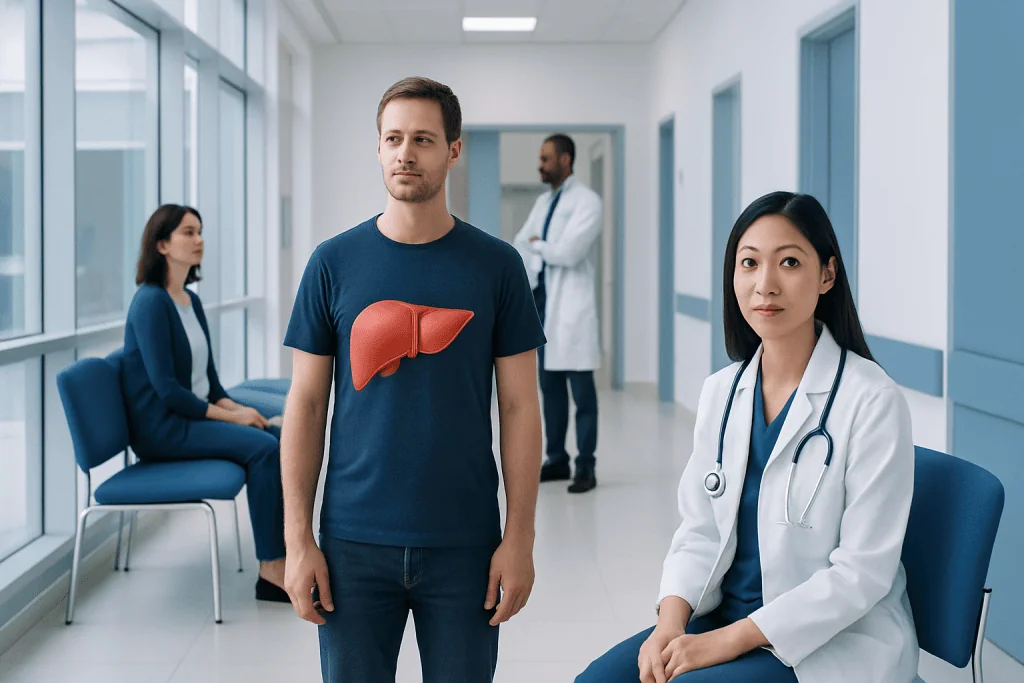
The liver naturally filters, transforms, and helps eliminate many substances without the need for special detox products. Most commercial detox plans have limited evidence and may sometimes be unhelpful or risky, especially for people with liver disease, diabetes, or kidney problems.
Key Takeaways
- The liver naturally filters, transforms, and helps eliminate many substances without the need for special detox products.
- Most commercial detox plans have limited evidence and may sometimes be unhelpful or risky, especially for people with liver disease, diabetes, or kidney problems.
- Nutrition that supports liver health focuses on adequate protein, fiber-rich foods, healthy fats, and limiting alcohol, excess sugar, and ultra-processed foods.
- Unexplained fatigue, jaundice, dark urine, swelling, severe abdominal pain, or abnormal liver tests should be assessed by a doctor.
- Weight management, vaccination, exercise, and regular follow-up are important for preventing and managing common liver conditions.
Detox and liver health are often discussed together, but the liver already has built-in systems to process and remove many substances from the body. From a clinical nutrition perspective, the most effective way to support liver function is not a cleanse or juice fast, but a balanced diet, limited alcohol, safe medication use, regular activity, and medical evaluation when symptoms or abnormal tests are present.
Overview: what “detox and liver” really means
When people search for “detox and liver,” they are often asking whether the liver needs help clearing toxins and whether a special diet, tea, supplement, or cleanse can improve liver function. The evidence-based answer is that the liver already performs detoxification continuously. In most healthy people, it does not need a commercial detox plan to do this job.
The liver is a metabolically active organ that helps process nutrients, break down medications, convert ammonia to urea, produce bile, and transform many compounds so they can be removed through bile or urine. This work happens through tightly regulated enzyme systems and depends on overall health, adequate energy and protein intake, hydration, sleep, and reduced exposure to harmful substances.
From a clinical nutrition perspective, the main goal is not to “flush” the liver but to reduce the burden placed on it and provide the body with what it needs to function normally. That means focusing on sustainable eating patterns rather than short-term restriction. It also means recognizing when symptoms may point to an actual liver condition that needs medical care rather than self-treatment.
How the liver supports detoxification

The liver receives blood from the digestive tract and acts as a processing center for many substances absorbed from food, drink, and medications. It uses enzymes to alter these substances so the body can use them safely, store them, or eliminate them. This is one reason why liver health and nutrition are closely connected.
Detoxification is often described in phases, but in everyday terms it is best understood as a coordinated process. The liver modifies compounds, the kidneys help remove waste in urine, the intestines eliminate waste in stool, and the lungs and skin also play smaller roles. No single drink or supplement can replace this network.
The liver also makes bile, helps regulate blood sugar, stores vitamins and minerals, and produces proteins involved in blood clotting and fluid balance. Because it has many functions, liver problems can show up in different ways. A person may notice fatigue or digestive symptoms, or they may have no symptoms at all and only learn about a concern after routine blood tests.
In clinical practice, supporting detoxification means supporting the whole system. Adequate protein helps the body maintain normal metabolic pathways, fiber helps bowel regularity, and a varied diet provides vitamins and antioxidants that are naturally present in foods. These basics are usually more important than “detox” products.
Common myths about liver detoxes and cleanses
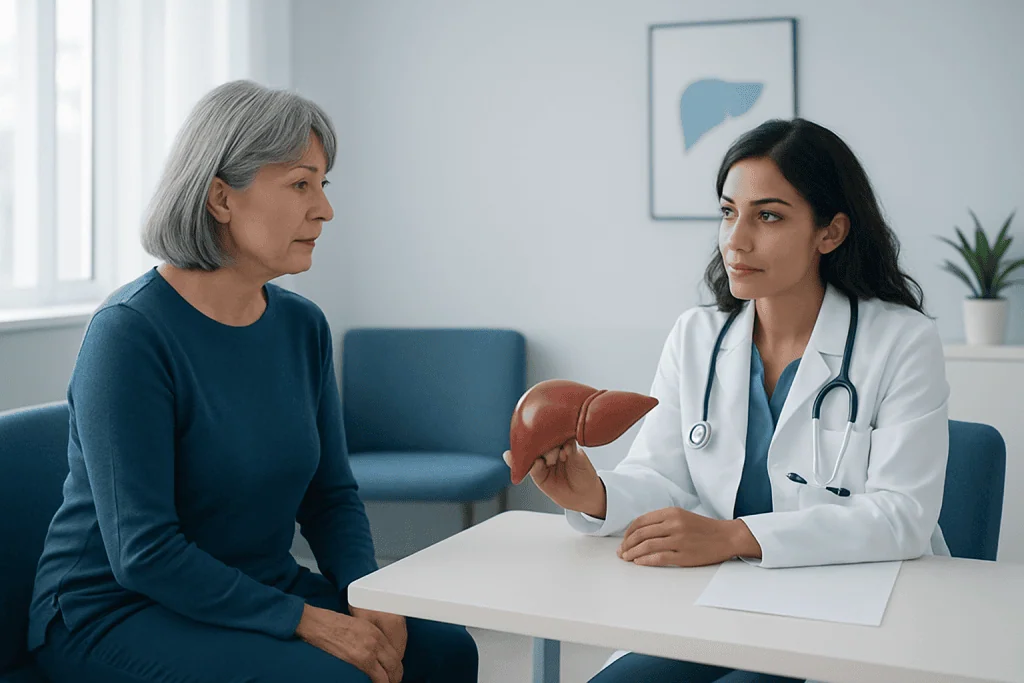
Many liver detox programs promise to remove unspecified “toxins,” improve energy quickly, or reverse liver damage in a few days. These claims are usually stronger than the available evidence. Most juice cleanses, teas, and supplements have not been proven to improve liver function in otherwise healthy adults, and some can be harmful.
Very low-calorie detox diets may lead to short-term weight loss, but much of this can reflect fluid changes rather than meaningful metabolic improvement. They may also be low in protein, which is not ideal for people who need to maintain muscle mass, support recovery, or stabilize blood sugar. In some people, fasting or restrictive plans can worsen weakness, headaches, or dizziness.
Another misconception is that “natural” means safe. Herbal products and supplements can interact with medications or, in some cases, contribute to liver injury. This is especially important for people who already have liver disease, drink alcohol regularly, or take multiple prescription medicines.
It is also important not to assume that every abnormal liver test is due to “toxins.” Common medical causes include viral hepatitis, metabolic dysfunction-associated steatotic liver disease, alcohol-related liver disease, medication effects, gallbladder or bile duct problems, and autoimmune conditions. If liver tests are abnormal, a clinician may evaluate for fatty liver disease or other causes rather than recommending an over-the-counter cleanse.
Nutrition strategies that genuinely support liver health
A practical liver-supportive eating pattern is balanced, regular, and sustainable. It usually includes vegetables, fruit, whole grains, legumes, nuts, seeds, fish or other lean protein sources, and unsaturated fats such as olive oil. This pattern helps support weight management, blood sugar control, and cardiovascular health, which also matter for the liver.
Protein is especially important in clinical nutrition because the liver depends on amino acids for many normal processes. Many fad detox plans underemphasize protein, yet adequate intake can help preserve muscle and support recovery. For most people, it is more helpful to include balanced meals than to rely on prolonged juice-only regimens.
Limiting alcohol is one of the most meaningful steps for liver health. Reducing sugar-sweetened beverages, highly processed snacks, and frequent large portions can also help, particularly for people with excess liver fat. If a person has obesity, prediabetes, diabetes, or high triglycerides, gradual weight loss under professional guidance can improve liver-related metabolic stress.
Hydration matters, but drinking large amounts of water does not “wash” the liver. Coffee, in moderate amounts and when medically appropriate, has been associated in research with liver benefits for some people, though it is not a treatment on its own. Anyone with a diagnosed liver condition may benefit from individualized nutrition counseling alongside medical evaluation such as gastroenterology care.
- Choose regular meals instead of crash diets.
- Include a protein source at meals.
- Favor high-fiber foods and minimally processed ingredients.
- Limit alcohol and avoid mixing alcohol with unnecessary supplements.
- Discuss supplements with a clinician before use.
What can harm the liver
The liver can be affected by many factors, not only alcohol. Excess body weight, insulin resistance, high cholesterol or triglycerides, viral infections, and some medications can all contribute to liver injury. A person may not feel sick even when inflammation or fat buildup is developing, which is why routine health checks can be useful.
Medication safety is an important part of liver care. Taking more than the recommended amount of common pain relievers, combining multiple products with similar ingredients, or using non-prescribed bodybuilding or herbal supplements can increase risk. People should use medicines exactly as directed and tell their doctor about all supplements and over-the-counter products.
Alcohol-related liver damage may develop gradually, and risk varies by the amount consumed, frequency, nutrition status, and underlying health conditions. At the same time, nonalcoholic causes are now very common. In many adults, excess liver fat is linked to metabolic health rather than to drinking.
If there are signs of advanced liver problems, doctors may investigate conditions such as cirrhosis and evaluate the liver with blood tests and imaging. In selected cases, further assessment may include liver biopsy or structured follow-up with specialists.
How liver concerns are diagnosed and treated
When liver disease is suspected, clinicians usually begin with a medical history, medication and supplement review, physical examination, and blood tests. Liver enzyme tests can suggest inflammation or bile flow problems, but they do not tell the whole story on their own. Doctors may also assess blood sugar, lipids, viral hepatitis markers, and other laboratory values depending on the situation.
Imaging such as ultrasound is often used to look at liver size, fat, gallbladder issues, or other structural changes. Additional tests may be needed if there is concern about scarring, bile duct disease, or inflammation. This is one reason self-diagnosing a “sluggish liver” can be misleading: different liver problems require different approaches.
Treatment depends on the cause. For some people, management centers on weight loss, improved metabolic health, and reduced alcohol use. Others may need treatment for viral hepatitis, medication changes, management of bile duct problems, or monitoring for fibrosis. If symptoms relate to upper abdominal organs and digestion more broadly, specialist review through hepatobiliary and pancreatic surgery or medical liver care may be considered when appropriate.
Near the end of the care pathway, some international patients seek multidisciplinary evaluation at centers such as Acibadem International, where JCI-accredited hospitals and relevant specialists diagnose and treat liver conditions using coordinated medical, nutritional, imaging, and procedural care.
Prevention and daily self-care
Most day-to-day liver support is straightforward and does not involve detox products. A healthy body weight, regular physical activity, enough sleep, and a nutrient-dense diet all help reduce strain on the liver. Even modest, consistent improvements can be meaningful over time.
Vaccination can also play a preventive role for some people, particularly for hepatitis A and B when recommended by a doctor. Safer alcohol habits, avoiding sharing needles or personal items that may carry blood, and practicing medication safety are additional ways to protect liver health.
People with chronic conditions such as diabetes, high blood pressure, or high cholesterol should aim for good control, because these conditions often overlap with liver risk. Follow-up matters too. If a doctor has identified fatty liver or mildly abnormal liver tests, repeat testing or imaging may be advised to monitor progress and guide treatment.
A practical self-care plan is usually more effective than a short cleanse. It may include meal planning, gradual exercise, reducing sugary drinks, limiting alcohol, and meeting with a clinician or dietitian for tailored guidance. This approach supports both liver function and overall health.
When to seek medical care
Medical review is important if a person has yellowing of the skin or eyes, dark urine, pale stools, persistent nausea or vomiting, significant abdominal swelling, confusion, unexplained bruising, or severe pain in the upper right abdomen. These symptoms may indicate a liver or bile-related problem that needs prompt assessment.
A person should also speak with a doctor if fatigue is ongoing, liver tests are abnormal, or they are considering supplements marketed as detox aids while taking prescription medications. This is especially true for people with known liver disease, diabetes, kidney disease, pregnancy, or heavy alcohol use.
In general, it is best to seek professional advice before starting any restrictive detox diet if there are medical conditions, unintended weight loss, digestive symptoms, or a history of eating disorders. An evidence-based plan can help identify the real cause of symptoms and avoid unnecessary or unsafe products.
Frequently asked questions
Does the liver need a detox cleanse?
In most cases, no. The liver already has natural systems that process and help remove many substances from the body. For most people, healthy habits support liver function better than short-term cleanses or detox products.
What foods are best for liver health?
A balanced pattern with vegetables, fruit, whole grains, legumes, nuts, healthy fats, and adequate protein is generally helpful. Limiting alcohol, sugary drinks, and heavily processed foods can also support liver health, especially when excess liver fat is a concern.
Can supplements improve liver detox?
Some supplements are promoted for liver support, but evidence is often limited or mixed. Because supplements can interact with medications or even cause liver injury in some cases, it is safest to discuss them with a doctor before use.
How can someone tell if the liver is unhealthy?
Liver problems do not always cause symptoms early on. When symptoms do occur, they may include fatigue, jaundice, dark urine, abdominal swelling, nausea, itching, or discomfort in the upper right abdomen. Blood tests and imaging are often needed to understand the cause.
Is weight loss helpful for fatty liver?
Yes, gradual weight loss can be beneficial for many people with excess liver fat related to metabolic health. A clinician or dietitian can help create a safe plan that focuses on steady lifestyle changes rather than crash dieting.
Is coffee good or bad for the liver?
For many adults, moderate coffee intake can be part of a healthy diet and has been associated in research with liver benefits. However, it is not a treatment, and individual advice may differ based on other medical conditions or caffeine sensitivity.
This article is for general information only and is not a substitute for professional medical advice. Please consult a qualified doctor about your individual situation.
Explore treatments in Turkey — costs, top hospitals & a free quote
JCI-accredited · board-certified surgeons · reply within 24h
Add us as a Preferred Source to see more of our trusted health content across Google Search, AI Overviews and Discover.
Check your numbers in seconds
BMI, calories, due date, blood pressure and 30+ more clinical calculators — free, instant, doctor-reviewed ranges.

More from the Health Library

Culturelle probiotics: Benefits, Side Effects, and What the Evidence Shows
Baked Potato Calories: What the Clinical Research Actually Says

Smoked Salmon Nutrition: Benefits, Risks, and Safe Use

Peanut Butter Nutrition Facts: Evidence-Based Benefits, Risks, and Practical Guidance

Mind Diet: Evidence-Based Benefits, Risks, and Practical Guidance