Deviated Septum Surgery Cost: How It Works, Recovery, and What to Expect

Deviated septum surgery cost is influenced by pre-operative assessment, anesthesia, facility fees, surgeon expertise, and aftercare. The operation used to correct a deviated septum is called septoplasty, and it aims to improve airflow through the nose.
Key Takeaways
- Deviated septum surgery cost is influenced by pre-operative assessment, anesthesia, facility fees, surgeon expertise, and aftercare.
- The operation used to correct a deviated septum is called septoplasty, and it aims to improve airflow through the nose.
- Not everyone with a deviated septum needs surgery; treatment depends on symptoms, exam findings, and response to medical therapy.
- Recovery is usually gradual over several weeks, with congestion and mild discomfort more common than severe pain.
- Benefits can include easier breathing, better sleep, and fewer sinus or nose-related symptoms, but all surgery carries some risk.
Deviated septum surgery cost varies because it reflects more than the operation alone. It usually depends on the patient’s anatomy, the need for tests or added procedures, the hospital setting, anesthesia, and follow-up care, so a personalized evaluation is the best way to understand what to expect.
Overview: what deviated septum surgery cost really includes
When people search for deviated septum surgery cost, they often want one clear number. In practice, the total cost is shaped by several parts of care rather than the procedure alone. These commonly include the consultation, nasal examination, imaging or lab tests when needed, surgeon and anesthesia fees, hospital or surgical center charges, medicines, and follow-up visits.
A deviated septum means the wall between the two nasal passages is off-center or crooked. Some people have no symptoms, while others develop blocked breathing, frequent congestion, snoring, nosebleeds, or repeated sinus problems. If symptoms are significant and do not improve enough with medical treatment, surgery may be recommended.
The operation to correct this problem is called septoplasty. Its purpose is functional, meaning it aims to improve airflow and nasal function rather than appearance. If the outer shape of the nose also needs correction, a surgeon may discuss combining septoplasty with another procedure, which can affect planning, recovery, and overall cost.
Who may benefit from septoplasty
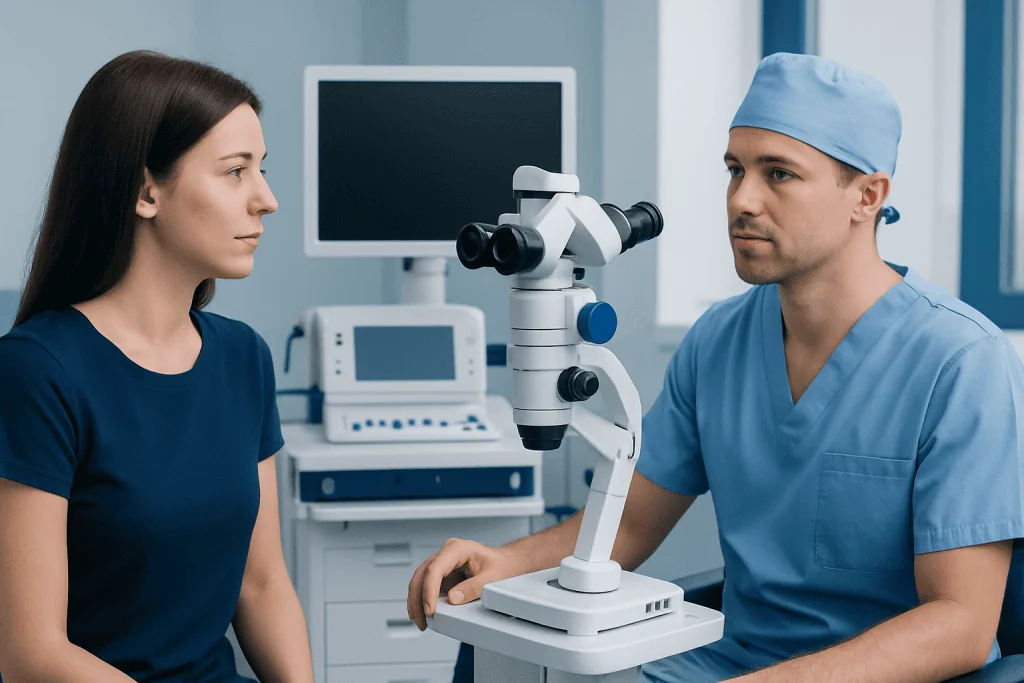
Septoplasty is usually considered for people whose daily life is affected by nasal blockage or related symptoms. Typical reasons include trouble breathing through one or both sides of the nose, sleep disruption, chronic mouth breathing, recurrent sinus infections, pressure in the nose, or nosebleeds linked to septal irritation.
Doctors usually look at more than symptoms alone. They also consider how severe the deviation is, whether the turbinates are enlarged, whether allergies are contributing, and whether medicines such as nasal sprays have already been tried. A person with mild symptoms may do well without surgery, while someone with persistent obstruction may benefit from an operation.
Septoplasty may also be helpful when a deviated septum makes access difficult for other nasal procedures or contributes to related ENT conditions. Patients sometimes learn more about the underlying problem through resources on deviated septum before deciding whether surgery is appropriate.
How the procedure works, step by step

Septoplasty is usually performed through the nostrils, so there is often no visible external scar. During the procedure, the surgeon lifts the lining that covers the septum, reshapes or repositions the bent cartilage and bone, and then places the lining back into position. The goal is to create a straighter passage while preserving nasal support.
Before surgery, the care team reviews medical history, medications, allergies, and any prior nasal trauma or operations. A physical examination is typically done in the clinic, and in some cases additional tests may be recommended. Patients receive instructions about eating, drinking, and medicine use before the procedure.
On the day of surgery, anesthesia is given so the patient remains comfortable. The operation itself is commonly completed within a relatively short period, although timing varies with anatomy and whether another treatment is done at the same time. Afterward, the patient is monitored in recovery and may go home the same day, depending on the surgical plan and overall health.
Some patients need treatment for related nasal issues at the same time, such as enlarged turbinates, to improve airflow more fully. When surgery is planned, the main treatment pathway is often discussed under septoplasty, which outlines the procedure, preparation, and expected follow-up.
What affects deviated septum surgery cost
There is no single standard deviated septum surgery cost because care is personalized. One of the biggest factors is the complexity of the nasal anatomy. A straightforward septoplasty may involve fewer resources than surgery for a severe deviation, prior trauma, scar tissue, or a revision procedure after an earlier operation.
The place where surgery is performed also matters. Costs can differ between hospitals and ambulatory surgical centers, and they may vary by country, city, and health system. Surgeon experience, anesthesia type, pre-operative workup, pathology or lab needs, and the length of recovery monitoring can all influence the total estimate.
Another reason costs vary is that septoplasty is sometimes combined with additional procedures. For example, a person with long-standing obstruction may also need treatment for turbinate enlargement or evaluation for chronic sinus disease. If sinus symptoms are part of the picture, patients may also be assessed for sinusitis and, in selected cases, a doctor may discuss related options such as endoscopic sinus surgery.
Because of these variables, the most useful question is not only “What is the price?” but also “What services are included?” Asking for a detailed written estimate can help patients understand consultations, testing, surgeon fees, anesthesia, facility charges, medications, and post-operative visits. This makes comparison more meaningful and helps avoid surprises.
Recovery timeline and what to expect after surgery
Most people notice that recovery from septoplasty is a process rather than an instant change. In the first few days, mild bleeding, congestion, swelling, pressure, and fatigue are common. Nasal stuffiness can temporarily feel worse before it gets better because the inside of the nose is healing.
Pain is often described as manageable rather than severe, but the experience varies. Patients are usually advised to rest, sleep with the head elevated, avoid nose blowing for a period, and stay away from strenuous exercise until their surgeon says it is safe. Follow-up visits are important so the doctor can check healing, remove any splints or packing if used, and address crusting or dryness.
Many people can return to desk-based work or school within several days to about a week, depending on how they feel and what their doctor recommends. More demanding physical activity may need to wait longer. Breathing often improves gradually over a few weeks as internal swelling settles, and final results may take longer to fully appreciate.
If septoplasty is performed alongside another nasal procedure, recovery may be somewhat different. In selected patients whose nasal shape also affects airflow, the care team may discuss rhinoplasty as part of a broader surgical plan, which can change recovery needs and cost considerations.
Benefits, risks, and possible alternatives
The main benefit of septoplasty is better nasal airflow. Patients may also experience less congestion, easier sleep, reduced mouth breathing, fewer nosebleeds related to septal irritation, and improvement in some sinus-related symptoms. For many people, the greatest benefit is better day-to-day comfort rather than a dramatic visible change.
As with any surgery, septoplasty has potential risks. These can include bleeding, infection, persistent blockage, scar tissue, changes in septal shape, a hole in the septum, altered sense of smell, ongoing dryness or crusting, and dissatisfaction if symptoms do not improve as expected. A surgeon explains these possibilities based on the individual case.
Surgery is not always the first step. Depending on the cause of symptoms, alternatives may include saline rinses, allergy treatment, nasal steroid sprays, or treatment for sinus inflammation. These options do not straighten the septum, but they may reduce swelling and improve breathing enough for some patients to avoid or delay surgery.
A careful consultation helps balance expected benefits against risks and cost. In international centers such as Acibadem International, multidisciplinary specialists in JCI-accredited hospitals evaluate nasal obstruction and provide individualized treatment planning for patients traveling from abroad.
Preparing for surgery and practical self-care
Good preparation can make the surgical experience smoother. Patients are usually advised to share a full list of medicines, supplements, and medical conditions before the procedure. The surgeon may recommend stopping certain medicines that increase bleeding risk, but any change should be made only under medical guidance.
It also helps to plan for the first few recovery days in advance. Arranging transportation home, preparing soft foods, keeping saline products on hand if advised, and setting up a comfortable place to rest can reduce stress. Smoking cessation is especially important because smoking can impair healing and irritate the nose.
After surgery, gentle self-care supports recovery. This commonly includes keeping follow-up appointments, using prescribed medicines as directed, avoiding heavy lifting, and protecting the nose from accidental bumps. Patients should always follow the instructions given by their own surgical team, since recovery advice can differ based on the exact procedure performed.
When to seek medical care
Medical advice is important if nasal blockage is persistent, one-sided, worsening, or interfering with sleep, exercise, or daily activities. An ENT specialist should also assess repeated sinus infections, frequent nosebleeds, facial pressure, or breathing problems that do not improve with usual treatment.
After surgery, patients should contact their care team promptly if they develop heavy bleeding, fever, increasing redness or swelling, severe pain not controlled as expected, trouble breathing, or drainage that seems unusual. These symptoms do not always mean something serious, but they deserve timely review.
Anyone considering septoplasty may benefit from a specialist evaluation rather than relying on symptoms alone. A proper examination can confirm whether a deviated septum is the main cause of obstruction and whether surgery is likely to help.
Frequently asked questions
Is there a standard deviated septum surgery cost?
No. Deviated septum surgery cost is not one fixed amount because it depends on the surgeon, hospital or surgical center, anesthesia, tests, and follow-up care. The total can also change if additional nasal procedures are performed at the same time.
Does insurance usually cover septoplasty?
Coverage depends on the insurance plan and whether the procedure is considered medically necessary. Septoplasty done to improve breathing or treat functional problems is often viewed differently from cosmetic nasal surgery. Patients should confirm benefits, preauthorization requirements, and out-of-pocket costs with their insurer and hospital.
How long does septoplasty recovery take?
Many people feel well enough to resume light daily activities within several days to a week, but full internal healing takes longer. Congestion and swelling can improve gradually over a few weeks. Recovery may be longer if septoplasty is combined with other procedures.
Is deviated septum surgery painful?
Most patients describe discomfort, pressure, and congestion more often than severe pain. Pain control plans are usually effective, and the surgeon provides instructions to keep recovery manageable. If pain seems unexpectedly strong or gets worse, the care team should be informed.
Can a deviated septum come back after surgery?
Septoplasty is designed to create a lasting improvement, but symptoms can persist or return in some cases. This may happen because of scar tissue, ongoing allergies, turbinate enlargement, healing changes, or trauma after surgery. A follow-up evaluation can help identify the reason.
Will septoplasty change the appearance of the nose?
Septoplasty mainly treats the inside of the nose and is intended to improve airflow, not appearance. In many cases, the outside of the nose looks the same after surgery. If cosmetic or structural changes are also needed, a surgeon may discuss combining it with another procedure.
References
- American Academy of Otolaryngology–Head and Neck Surgery
- National Health Service
- Mayo Clinic
- MedlinePlus
- Cleveland Clinic
This article is for general information only and is not a substitute for professional medical advice. Please consult a qualified doctor about your individual situation.
Explore treatments in Turkey — costs, top hospitals & a free quote
JCI-accredited · board-certified surgeons · reply within 24h
Add us as a Preferred Source to see more of our trusted health content across Google Search, AI Overviews and Discover.