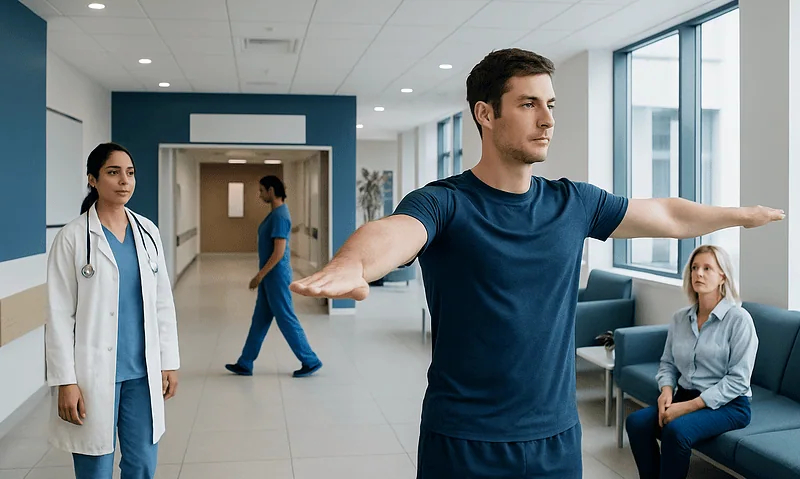
Dexa Scan: A Complete Medical Overview
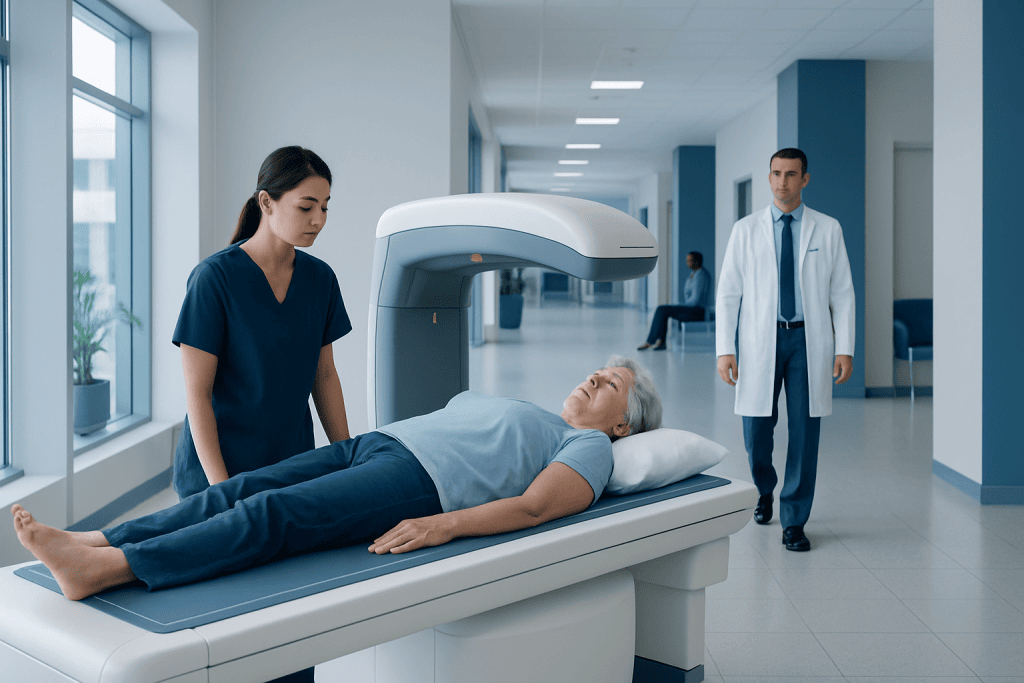
A dexa scan is the standard test for measuring bone mineral density. It helps identify osteopenia, osteoporosis, and future fracture risk.
Key Takeaways
- A dexa scan is the standard test for measuring bone mineral density.
- It helps identify osteopenia, osteoporosis, and future fracture risk.
- The test is painless, noninvasive, and uses a very low dose of radiation.
- Results are usually reported as T-scores and Z-scores, which a doctor interprets in context.
- Not everyone needs treatment after a dexa scan, but the results can guide prevention and follow-up.
A dexa scan is a quick, low-dose imaging test most often used to measure bone mineral density and assess the risk of osteoporosis and fractures. In some settings, it may also be used to evaluate body composition, including fat and lean mass, as part of a broader health assessment.
What a Dexa Scan Is and Why It Is Done
A dexa scan, also called a DXA or dual-energy X-ray absorptiometry scan, is a medical imaging test that measures bone mineral density. It is considered the main test used to look for bone loss and to estimate the risk of fractures, especially in the hip and spine. Because it uses two low-energy X-ray beams, it can measure bone density accurately while exposing the body to only a small amount of radiation.
Most people have a dexa scan to check for osteoporosis or osteopenia, which means lower-than-normal bone density that is not yet severe enough to be osteoporosis. The scan can help doctors decide whether someone needs lifestyle changes, repeat monitoring, or treatment to protect bone health. It may also be used after treatment begins to see whether bone density is stable or improving.
In some centers, a dexa scan can also assess body composition. This means it can estimate the amount of body fat, lean muscle mass, and fat distribution in different parts of the body. While this use is different from osteoporosis screening, it can be helpful in selected cases where a doctor wants a more detailed picture of metabolic or nutritional health.
Who May Need a Dexa Scan
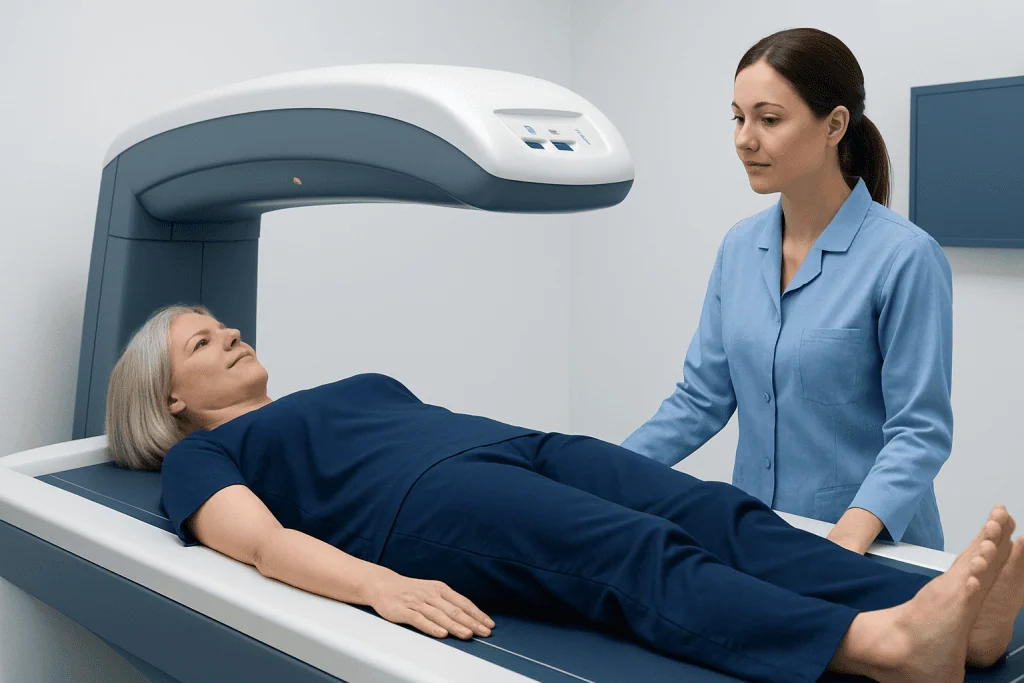
A dexa scan is commonly recommended for people who have a higher risk of bone loss or fractures. This often includes older adults, especially postmenopausal women, but men may also need screening as they age or if they have certain medical conditions. A doctor looks at the whole clinical picture rather than age alone.
Other people who may benefit include those with a family history of osteoporosis, a past fracture after a minor fall, low body weight, long-term smoking, heavy alcohol use, or limited physical activity. Certain medicines, especially long-term corticosteroids, can weaken bones over time and may lead a doctor to recommend bone density testing.
Some chronic health conditions are also linked with lower bone density. These may include hormonal disorders, inflammatory diseases, digestive conditions that affect nutrient absorption, and some kidney disorders. In patients being evaluated for problems related to osteoporosis, a dexa scan is often one of the most important tests used to guide care.
- Postmenopausal women and older adults
- People with a history of low-trauma fractures
- Those taking medications that affect bone strength
- People with medical conditions that increase bone loss risk
- Patients being monitored during or after osteoporosis treatment
How the Test Works and What Happens During the Scan
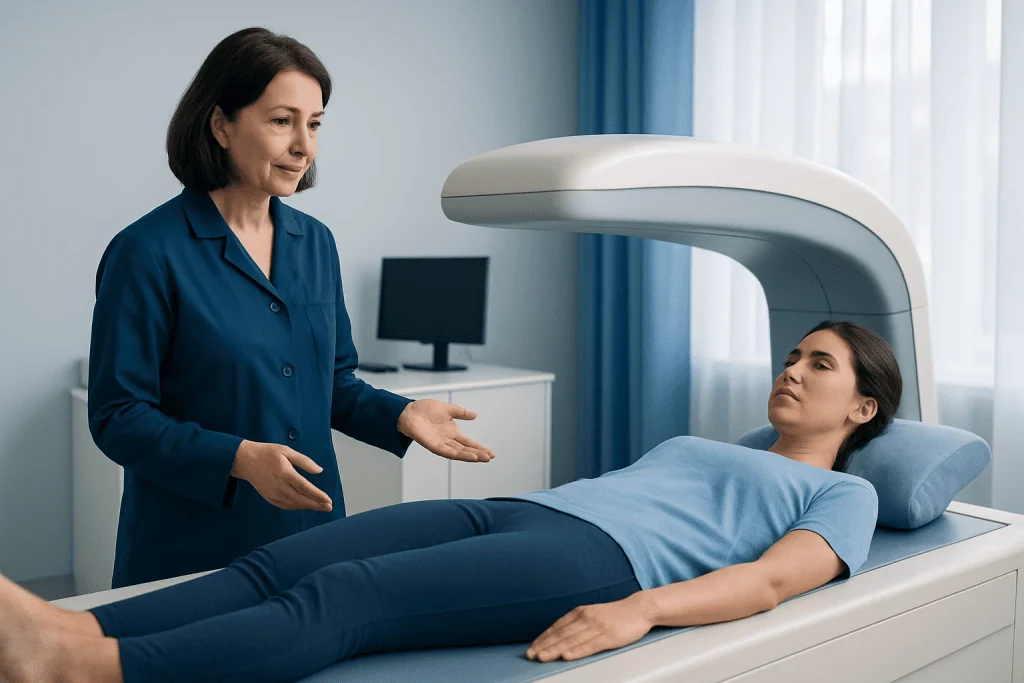
A dexa scan is simple and usually takes only a short time. During the test, the patient lies still on a padded table while a scanning arm passes over the body. The most common areas measured are the lower spine and one or both hips, because these sites are especially useful for estimating fracture risk. In some cases, the forearm may be scanned instead.
The test does not involve injections, surgical instruments, or enclosed spaces. It is painless, and most people can return to their usual activities right away. Unlike some other imaging tests, a dexa scan does not usually require fasting or sedation. Patients are generally asked to avoid calcium supplements for a short period before the test if their doctor advises this, and to mention any recent contrast imaging studies.
Clothing without metal fasteners is often preferred, since zippers, belts, and underwire may interfere with the images. The patient may be asked about pregnancy before the scan because, although radiation exposure is low, unnecessary X-ray exposure is usually avoided during pregnancy. In hospitals that offer advanced radiology services, dexa scanning is usually part of a broader diagnostic imaging program.
Understanding Dexa Scan Results
Dexa scan results are usually reported using T-scores and Z-scores. A T-score compares a person’s bone density with the average bone density of a healthy young adult. A Z-score compares bone density with what is expected for someone of the same age, sex, and body size. These numbers help doctors understand whether bone density is within the expected range or lower than it should be.
In adults, a T-score is often used to classify bone health. A result that is slightly below normal may suggest osteopenia, while a lower result may indicate osteoporosis. However, the scan is only one part of the picture. A doctor also considers age, medical history, previous fractures, medications, and other risk factors before making a diagnosis or treatment decision.
Some people assume that one dexa scan result gives a complete answer about fracture risk, but interpretation is more nuanced. Bone quality, balance, vision, muscle strength, and fall risk also matter. In selected patients, a doctor may combine dexa findings with fracture risk assessment tools and, if needed, evaluate related issues such as spinal changes or scoliosis if posture or back symptoms are part of the broader concern.
What the Scan Can and Cannot Show
A dexa scan is very good at measuring bone mineral density, but it does not explain every cause of bone weakness. It cannot by itself diagnose why bone loss has happened. For example, low bone density may be related to aging, hormonal changes, poor calcium or vitamin D intake, low body weight, certain medications, or an underlying illness. Further medical evaluation may be needed to find the cause.
The scan also does not directly show all fractures, joint injuries, or areas of pain. If a person has sudden back pain, a fall, or symptoms suggesting a fracture, other imaging tests may be needed. For some patients, additional evaluation by specialists in orthopedics or endocrinology may be appropriate depending on the underlying concern.
When used for body composition, a dexa scan can provide useful estimates of fat mass and lean mass, but it is not a complete metabolic assessment. It does not replace blood tests, nutritional evaluation, or a full clinical review. The most helpful way to use dexa results is as part of a broader discussion about bone strength, overall health, and long-term prevention.
Treatment, Prevention, and Follow-Up After a Dexa Scan
If a dexa scan shows low bone density, the next steps depend on how low the results are and whether the person has other fracture risks. Many people start with prevention-focused measures such as weight-bearing exercise, strength training, avoiding smoking, limiting alcohol, and making sure calcium and vitamin D intake are appropriate. Fall prevention is also important, especially for older adults.
Some patients may need prescription treatment to reduce bone loss or lower the risk of fractures. A doctor chooses treatment based on the scan result, fracture history, overall health, and possible side effects. Follow-up dexa scans may be advised after a period of time to see whether bone density is changing. The interval varies depending on the person’s risk level and whether treatment has been started.
Bone health is often best managed with a multidisciplinary approach. This may include primary care, endocrinology, nutrition, physical therapy, and, when fractures or structural problems are involved, physical therapy and rehabilitation. Near the end of the care pathway, it can be reassuring to know that Acibadem International’s multidisciplinary specialists in JCI-accredited hospitals diagnose and treat bone health conditions for international patients.
When to Seek Medical Care
A person should speak with a doctor about a dexa scan if they have risk factors for osteoporosis, especially after menopause, in older age, or after a fracture from a minor injury. Medical advice is also important for anyone taking long-term steroid medication or living with a condition known to affect bone health. A clinician can decide whether testing is appropriate and whether other evaluations are needed.
Prompt medical care is important if there is new or worsening back pain, loss of height, a stooped posture, or a fracture after a simple fall. These signs can sometimes suggest fragile bones or a compression fracture in the spine. Although these symptoms do not always mean osteoporosis, they deserve proper assessment.
People should also seek medical guidance if they have questions about dexa scan results, are unsure whether they need treatment, or are concerned about side effects of medicines or supplements. A personalized review helps place the numbers in context and supports safe, practical decisions for long-term bone health.
Frequently asked questions
Is a dexa scan the same as a regular X-ray?
No. A dexa scan is a specialized low-dose X-ray test designed to measure bone mineral density rather than to look mainly at anatomy or injuries. It is more precise than a standard X-ray for detecting early bone loss.
How long does a dexa scan take?
The scan is usually quick and often takes about 10 to 30 minutes, depending on the areas being measured. It is painless, and most people can return to normal activities immediately afterward.
Does a dexa scan expose the body to a lot of radiation?
A dexa scan uses a very low dose of radiation. For most people, the exposure is small compared with many other imaging tests. A doctor will still weigh the benefits and any special circumstances, such as pregnancy.
What is the difference between osteopenia and osteoporosis on a dexa scan?
Osteopenia means bone density is lower than normal but not low enough to meet the definition of osteoporosis. Osteoporosis means bone loss is more advanced and fracture risk is usually higher. A doctor interprets these categories together with age, fracture history, and other risks.
Can a dexa scan measure body fat as well as bone density?
Yes, in some settings a dexa scan can also be used to assess body composition, including fat mass and lean mass. However, this is a different purpose from osteoporosis screening and is not needed for everyone.
How often should someone have a dexa scan?
The timing varies depending on age, risk factors, previous results, and whether treatment is being monitored. Some people need repeat testing after a few years, while others may need it sooner or less often. A doctor can recommend the most appropriate interval.
This article is for general information only and is not a substitute for professional medical advice. Please consult a qualified doctor about your individual situation.
Joint and spine care in Turkey — expert assessment & treatment
JCI-accredited · board-certified surgeons · reply within 24h
Add us as a Preferred Source to see more of our trusted health content across Google Search, AI Overviews and Discover.
Check your numbers in seconds
BMI, calories, due date, blood pressure and 30+ more clinical calculators — free, instant, doctor-reviewed ranges.

More from the Health Library
Pinworms Parasites — Explained by Medical Evidence, Not Myths
Holistic Remedies for Add: An Evidence-Based Guide for Patients

Grape Seed Extract: What Patients Need to Know
Laryngomalacia: An Evidence-Based Guide for Patients
Dental Cleaning — Explained by Medical Evidence, Not Myths