Diarrhea After Eating — Explained by Medical Evidence, Not Myths
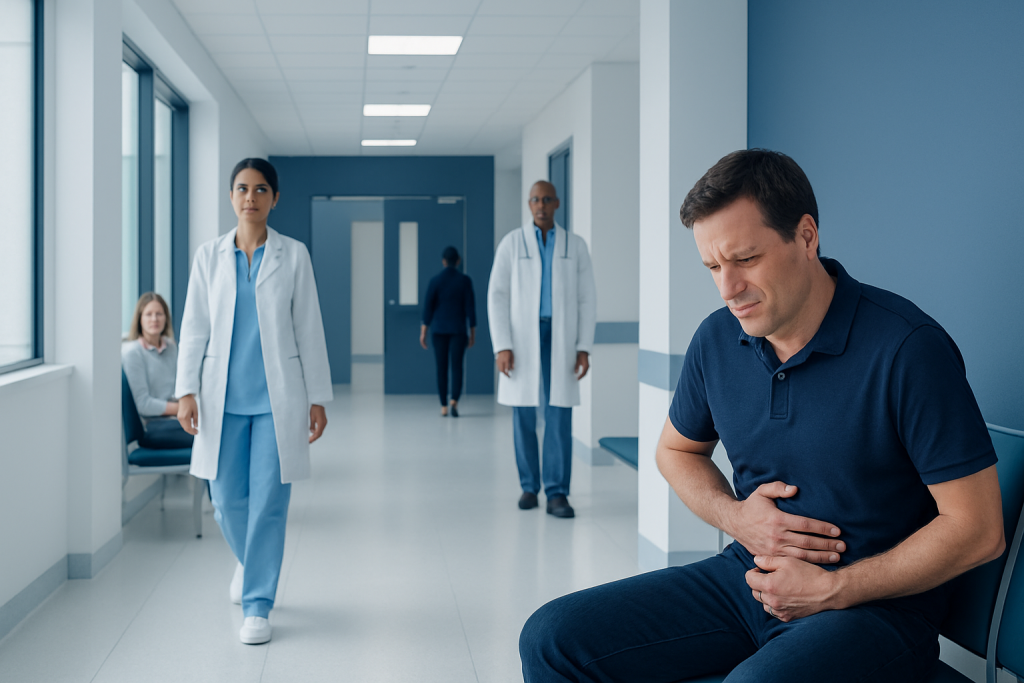
Diarrhea after eating is a symptom, not a diagnosis, and it can have several possible causes. Common triggers include viral illness, food intolerance, irritable bowel syndrome, medications, and digestive disorders.
Key Takeaways
- Diarrhea after eating is a symptom, not a diagnosis, and it can have several possible causes.
- Common triggers include viral illness, food intolerance, irritable bowel syndrome, medications, and digestive disorders.
- The timing after a meal can be helpful, but symptoms alone do not confirm the cause.
- Most short episodes improve with hydration and gentle meals, but persistent or severe symptoms need medical review.
- Blood in stool, fever, dehydration, weight loss, or diarrhea that wakes a person from sleep are important warning signs.
Diarrhea after eating usually means the digestive system is reacting to a trigger such as infection, food intolerance, irritable bowel syndrome, medication, or another gut condition. It is often short-lived, but repeated episodes, dehydration, weight loss, blood in stool, or nighttime symptoms should be assessed by a doctor.
What diarrhea after eating usually means
Diarrhea after eating means loose or watery bowel movements happen soon after a meal. In many cases, this is related to the way the intestines react to food, fluid shifts in the gut, or an underlying condition that becomes more noticeable after eating. The meal may act as a trigger, but it is not always the true cause.
Medical evidence shows that post-meal diarrhea can happen with common problems such as food poisoning, viral gastroenteritis, lactose intolerance, medication side effects, and irritable bowel syndrome. It can also occur with conditions that affect digestion or absorption, including celiac disease, bile acid diarrhea, inflammatory bowel disease, or pancreatic problems. Some people notice it only after certain foods, while others experience it after many meals.
A useful point is that the body naturally increases bowel activity after eating through a reflex called the gastrocolic response. In people with sensitive bowels, this normal reflex can feel exaggerated and lead to urgency, cramping, and loose stool. That is one reason symptoms can begin quickly after a meal even when the food itself has not fully moved through the intestines.
How symptoms can appear
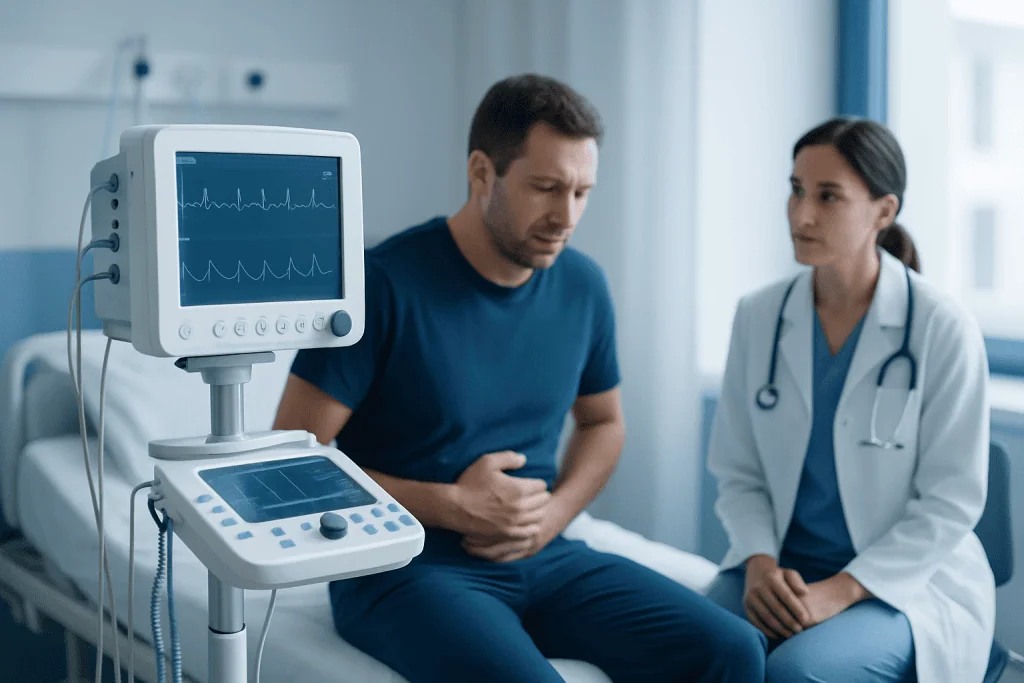
Diarrhea after eating may start within minutes or a few hours. Some people have sudden urgency and abdominal cramps right after finishing a meal. Others notice bloating, gas, nausea, or a “rushing” feeling in the abdomen before passing loose stool.
The pattern of symptoms can offer clues. Diarrhea that follows dairy products may suggest lactose intolerance. Symptoms after very fatty foods can point to bile acid problems, gallbladder issues, or difficulty digesting fats. Recurrent symptoms linked to stress, without warning signs such as bleeding or weight loss, may fit irritable bowel syndrome, though a proper assessment is still important.
Doctors also look for features that suggest a more significant disorder rather than a short-term stomach upset. These include persistent diarrhea lasting more than a few days, nighttime diarrhea, blood or mucus in the stool, fever, fatigue, unexplained weight loss, or signs of dehydration such as dizziness, dry mouth, and reduced urination.
- Watery, loose, or frequent stools
- Urgency after meals
- Abdominal cramps or pain
- Bloating and excess gas
- Nausea
- Occasional vomiting, especially with infection
Common causes and risk factors
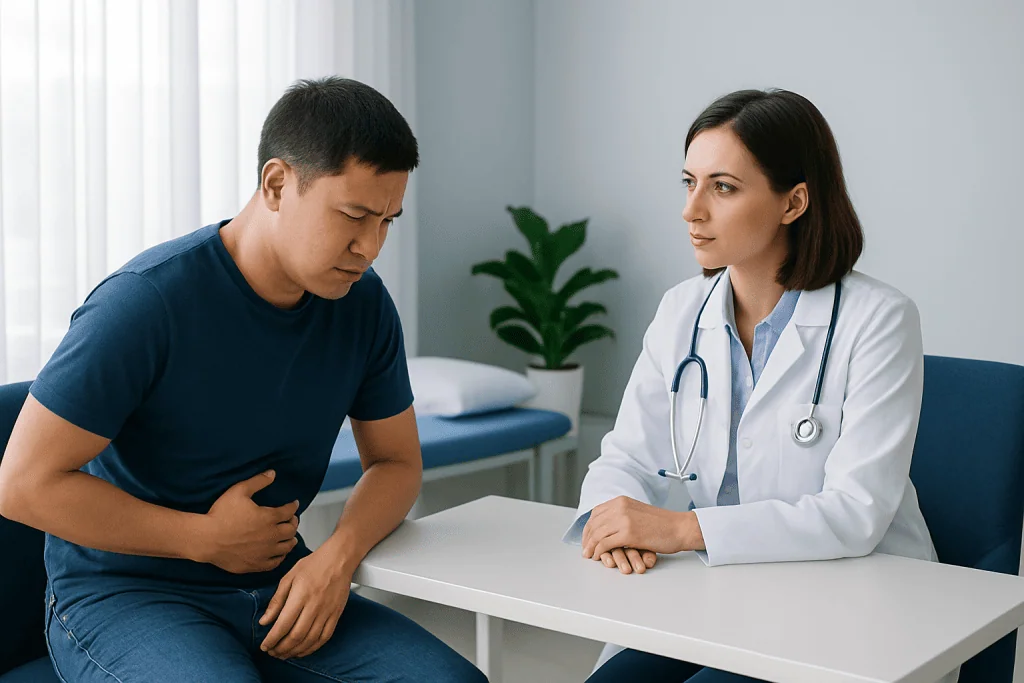
One of the most common causes of diarrhea after eating is infection. Viral gastroenteritis and foodborne illness can irritate the intestines and speed stool through the digestive tract. In these cases, symptoms are often sudden and may be accompanied by nausea, vomiting, fever, or feeling generally unwell. If a person has recently traveled, eaten undercooked food, or shared meals with others who became ill, infection becomes more likely.
Food intolerance is another frequent reason. Lactose intolerance, fructose malabsorption, and sensitivity to certain poorly absorbed carbohydrates can all cause loose stool, bloating, and gas. Some people may also react to very spicy foods, high-fat meals, caffeine, sugar alcohols, or large meals. In contrast, food allergy usually causes additional symptoms such as hives, swelling, wheezing, or vomiting and needs urgent attention if severe.
Functional bowel disorders are important as well. Irritable bowel syndrome can cause diarrhea after meals because the intestines are more sensitive and contract more strongly. Stress and anxiety do not create the condition by themselves, but they can worsen symptoms and make the bowel more reactive.
Other possible causes include celiac disease, inflammatory bowel disease, bile acid diarrhea, overactive thyroid disease, pancreatic insufficiency, prior abdominal surgery, and medication side effects. Antibiotics, magnesium-containing products, some diabetes medicines, and certain supplements can all lead to diarrhea. Risk factors include a personal or family history of digestive disease, recent infection, travel, older age, and immune system problems.
How doctors find the cause
Diagnosis begins with a detailed history. A doctor may ask when the diarrhea occurs, how long it has been happening, which foods seem to trigger it, whether there is pain or weight loss, and whether symptoms occur at night or between meals. Travel history, medications, supplements, recent antibiotics, and previous digestive conditions are also relevant.
Basic tests may include blood tests, stool studies, and checks for dehydration or inflammation. Stool testing may help detect infection, blood, inflammation, or problems with digestion. Blood work can look for anemia, inflammation, thyroid problems, and signs of celiac disease or nutritional deficiencies.
When symptoms are persistent or there are warning signs, doctors may recommend further evaluation such as endoscopy, colonoscopy, abdominal ultrasound, or specialized breath tests. Imaging and endoscopic procedures help rule out inflammatory bowel disease, structural problems, or other conditions affecting the intestines. If a person has chronic symptoms or unexplained weight loss, a specialist in gastroenterology evaluation and treatment may be advised.
Keeping a symptom and food diary before the appointment can be very helpful. Recording meals, timing of symptoms, stool consistency, stress levels, and medications may reveal patterns that are otherwise easy to miss.
Treatment depends on the cause
There is no single treatment for diarrhea after eating because treatment depends on why it is happening. For short-term infectious diarrhea, the main priorities are hydration, rest, and a gradual return to light meals. Oral rehydration solutions can help replace fluids and electrolytes, especially if there have been repeated loose stools.
If food intolerance is the cause, avoiding or reducing the trigger food may greatly improve symptoms. Lactose-free products or a structured elimination plan may help in selected cases, ideally with professional guidance so the diet does not become unnecessarily restrictive. If medications are contributing, a doctor may review alternatives or adjust the regimen safely.
Chronic or recurrent symptoms may need targeted treatment. People with Crohn’s disease or other inflammatory conditions require a different approach from those with IBS or bile acid diarrhea. Some patients may need anti-diarrheal medicines, treatment for infection, enzyme replacement, or therapies aimed at inflammation or malabsorption. In selected cases, doctors may recommend colonoscopy or endoscopy to guide treatment decisions.
Even when symptoms seem mild, ongoing diarrhea should not be self-treated for too long without medical advice. Persistent fluid loss can lead to dehydration, and delaying assessment may postpone diagnosis of a condition that is more easily managed when recognized early.
Self-care and prevention
At home, the most important step is replacing fluids. Water, oral rehydration drinks, broth, and other gentle fluids may help. During active diarrhea, many people do better with small, simple meals until the bowel settles. Foods that are greasy, very spicy, highly sweetened, or heavy in alcohol or caffeine may make symptoms worse for some individuals.
Prevention depends on the trigger. Good hand hygiene, safe food preparation, and caution with food and water when traveling can reduce the risk of infection. If symptoms clearly follow a certain food, keeping a diary and discussing it with a clinician can help identify patterns without guessing or removing too many foods unnecessarily.
People with recurrent digestive symptoms may also benefit from a broader review of diet, stress, sleep, and bowel habits. Eating more slowly, avoiding very large meals, and staying well hydrated may reduce the intensity of the normal post-meal bowel reflex. However, self-care is supportive rather than diagnostic, and repeated symptoms deserve proper evaluation.
Near the end of the diagnostic process, some people need coordinated specialist care. Acibadem International’s multidisciplinary specialists in JCI-accredited hospitals evaluate digestive symptoms in international patients and guide appropriate testing and treatment plans.
When to seek medical care
Medical care is recommended if diarrhea after eating keeps returning, lasts more than a few days, or interferes with eating, work, sleep, or daily activities. A doctor should also evaluate symptoms if they begin after starting a new medicine, after travel, or after possible food poisoning that is not improving.
Urgent assessment is important if there is blood in the stool, black stool, severe abdominal pain, fever, repeated vomiting, fainting, confusion, or signs of dehydration such as very little urine, unusual thirst, or marked weakness. These symptoms do not always mean a serious illness, but they do need prompt medical attention.
In children, older adults, pregnant people, and anyone with a weakened immune system, diarrhea can become more concerning more quickly. If there is poor fluid intake, lethargy, or symptoms are rapidly worsening, it is safest to seek care sooner rather than later.
Frequently asked questions
Why does diarrhea happen so quickly after eating?
It can happen quickly because eating activates a normal bowel reflex that moves the intestines more strongly. In people with sensitive bowels, infection, food intolerance, or IBS, that reflex may cause urgent loose stools soon after a meal.
Is diarrhea after eating usually caused by the last meal?
Not always. The timing can make it seem that way, but the symptom may reflect an underlying problem such as a viral illness, IBS, medication effect, or chronic digestive condition rather than only the most recent food.
What foods commonly trigger diarrhea after meals?
Common triggers include dairy in lactose intolerance, very fatty foods, spicy meals, caffeine, alcohol, and foods high in certain sugars or sugar alcohols. A food diary can help identify patterns, but it is best not to assume a cause without medical guidance if symptoms continue.
Can stress cause diarrhea after eating?
Stress can worsen bowel sensitivity and speed intestinal activity, especially in people with irritable bowel syndrome. It is rarely the only explanation for ongoing diarrhea, so persistent symptoms still deserve a medical review.
When is diarrhea after eating a sign of something more serious?
Warning signs include blood in the stool, weight loss, fever, nighttime diarrhea, severe pain, dehydration, or symptoms that keep coming back. These features may point to inflammation, infection, malabsorption, or another condition that needs diagnosis.
How is chronic diarrhea after eating treated?
Treatment depends on the cause. It may involve hydration, dietary changes, medication review, treatment for infection, or therapy for conditions such as celiac disease, IBS, bile acid diarrhea, or inflammatory bowel disease.
This article is for general information only and is not a substitute for professional medical advice. Please consult a qualified doctor about your individual situation.
Persistent digestive symptoms? Get evaluated in Turkey
JCI-accredited · board-certified surgeons · reply within 24h
Add us as a Preferred Source to see more of our trusted health content across Google Search, AI Overviews and Discover.

More from the Health Library

Activated Charcoal — Explained by Medical Evidence, Not Myths

Lower Esophageal Sphincter: An Evidence-Based Guide for Patients

Eczema on Lips — Explained by Medical Evidence, Not Myths

Cytokines: A Complete Medical Overview
Cold Compress for Eye Redness — Explained by Medical Evidence, Not Myths