Diarrhea and Menstrual Explained: Causes, Management, and When to See a Doctor

Loose stools during a period are commonly linked to natural hormone changes, especially prostaglandins. Symptoms usually improve within a few days as menstrual hormone levels shift.
Key Takeaways
- Loose stools during a period are commonly linked to natural hormone changes, especially prostaglandins.
- Symptoms usually improve within a few days as menstrual hormone levels shift.
- Severe diarrhea, dehydration, blood in the stool, or symptoms that occur every month with strong pelvic pain should be assessed by a doctor.
- Conditions such as endometriosis, irritable bowel syndrome, infection, or inflammatory bowel disease can overlap with menstrual symptoms.
- Hydration, gentle meals, rest, and symptom tracking can help many people manage period-related bowel changes.
Diarrhea and menstrual symptoms often occur together because hormone shifts around a period can affect the intestines as well as the uterus. In many cases this is temporary and manageable, but intense pain, heavy bleeding, or ongoing bowel changes may point to another condition that needs medical care.
Overview: why diarrhea can happen during a period
Diarrhea and menstrual symptoms can occur together because the same chemical messengers involved in menstruation may also affect the digestive tract. Around the start of a period, the body produces prostaglandins to help the uterus contract and shed its lining. These substances can also stimulate the intestines, causing faster bowel movements, cramping, nausea, or loose stools.
For many people, this pattern is temporary. Bowel changes may begin one or two days before bleeding starts and improve as the period continues. Some notice mild urgency, while others experience several loose stools in a day. Although this can be uncomfortable, it is often part of the menstrual cycle rather than a sign of disease.
Still, not every episode of diarrhea during menstruation is caused by hormones alone. Infection, food intolerance, chronic digestive conditions, or gynecologic disorders can flare at the same time as a period and make symptoms seem period-related. The key is the overall pattern: brief, predictable symptoms are more likely hormonal, while persistent, severe, or changing symptoms deserve medical attention.
How menstrual hormones affect the gut
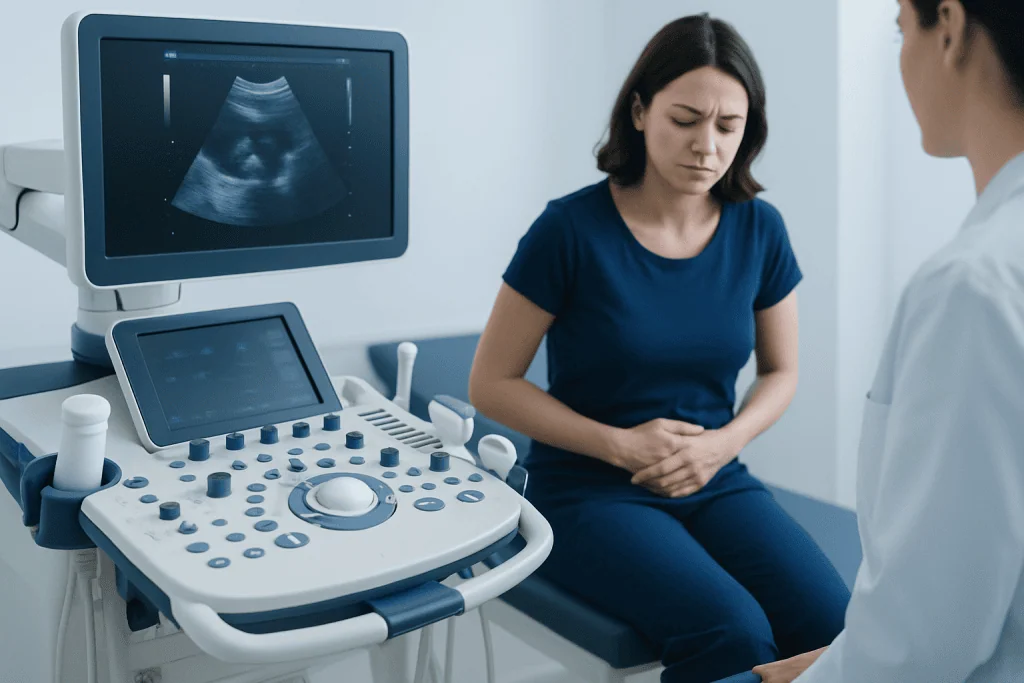
The menstrual cycle influences more than the reproductive organs. Estrogen and progesterone shift across the month, and these changes can affect digestion, fluid balance, pain sensitivity, and intestinal movement. Just before and during menstruation, falling progesterone and rising prostaglandin activity may make the bowel move more quickly, which can lead to looser stools.
Prostaglandins are one of the main reasons some people experience period cramps and diarrhea at the same time. When their levels are higher, uterine contractions may feel stronger, and nearby bowel activity may also increase. This can lead to abdominal cramping, urgency, bloating, and more frequent trips to the bathroom.
Some people are especially sensitive to these shifts. If a person already has a digestive condition such as irritable bowel syndrome, hormonal changes around menstruation may make symptoms more noticeable. In that setting, period-related diarrhea may overlap with constipation at other times in the cycle, along with bloating and pain that fluctuate from month to month.
Common symptoms and what is considered typical
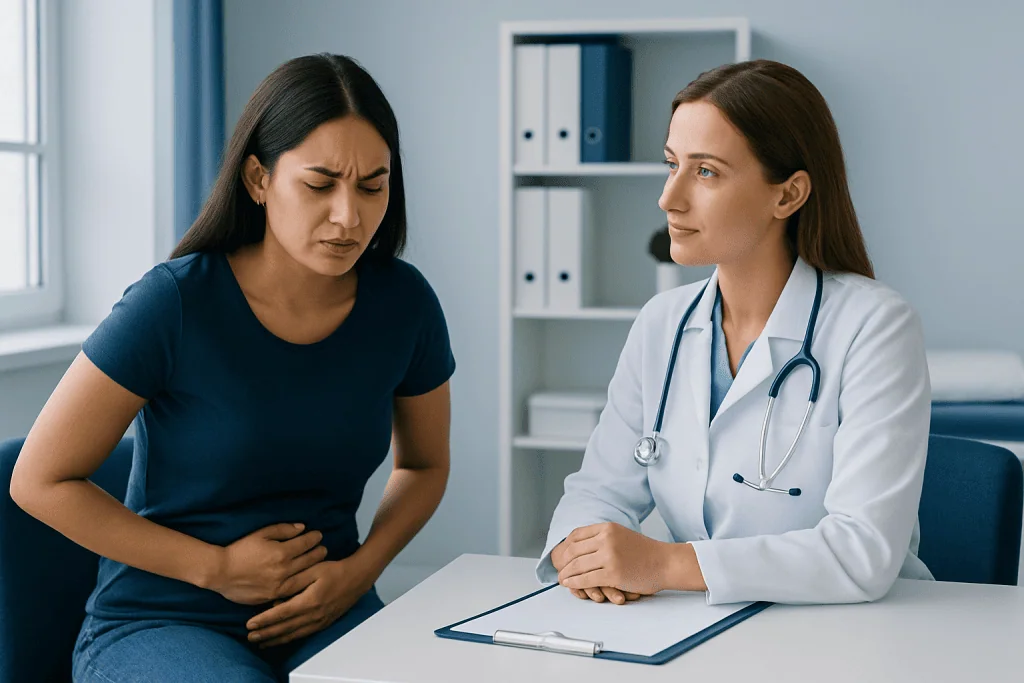
Typical period-related bowel symptoms often include loose stools, mild diarrhea, cramping, bloating, nausea, and a sense of urgency. These symptoms often appear shortly before menstruation or on the first days of bleeding. They may happen along with lower abdominal pain, back discomfort, fatigue, and other familiar menstrual symptoms.
What is considered typical usually depends on intensity, timing, and duration. Mild to moderate diarrhea lasting one to three days and then settling as the period progresses is common. The stools may be looser than usual, but they should not be accompanied by severe dehydration, high fever, black stools, or heavy rectal bleeding.
It may help to track symptoms over a few cycles. A simple record of bleeding days, bowel changes, diet, stress, and pain can show whether the pattern is predictably tied to menstruation. This information can also make a medical visit more useful if symptoms become disruptive or difficult to explain.
- Loose stools or more frequent bowel movements at the start of a period
- Abdominal cramps that occur with menstrual cramps
- Bloating, nausea, or reduced appetite
- Symptoms that improve within a few days
Other possible causes and risk factors
Not all diarrhea during menstruation is caused only by hormone changes. Digestive infections, food poisoning, lactose intolerance, medication side effects, and stress can all trigger diarrhea regardless of the menstrual cycle. If symptoms are new, unusually severe, or happen at other times too, another explanation may be more likely.
Gynecologic conditions can also play a role. For example, endometriosis may cause bowel pain, diarrhea, constipation, or pain with bowel movements that worsen during periods. Adenomyosis, pelvic inflammatory conditions, and ovarian problems can sometimes create symptoms that overlap with gastrointestinal discomfort.
Chronic bowel disorders are another consideration. Crohn’s disease and other inflammatory bowel diseases can flare around menstruation or simply become more noticeable during that time. Risk factors that may make symptoms more troublesome include a history of painful periods, underlying IBS, inflammatory bowel disease, high stress, certain dietary triggers, and use of medications that can upset the stomach.
How doctors evaluate diarrhea linked to menstruation
Evaluation begins with a careful history. A doctor may ask when the diarrhea occurs in relation to the cycle, how long it lasts, how many bowel movements happen in a day, and whether there is blood, fever, weight loss, vomiting, severe pain, or nighttime symptoms. Questions about menstrual flow, pelvic pain, sexual health, medicines, travel, and family history can also be important.
If symptoms fit a clear monthly pattern and are otherwise mild, testing may not always be needed right away. However, if there are warning signs or symptoms are interfering with daily life, further assessment may include blood tests, stool tests, a pelvic exam, or imaging. In some cases, referral to a gynecologist or gastroenterologist is appropriate.
When doctors suspect a structural or inflammatory cause, more specialized evaluation may be advised. Depending on symptoms, this could involve pelvic imaging or digestive investigations such as colonoscopy or endoscopy. The goal is not simply to label the symptom, but to distinguish normal hormone-related bowel changes from treatable digestive or gynecologic disorders.
Management and treatment options
Treatment depends on the cause and the severity of symptoms. For typical period-related diarrhea, supportive care is often enough. This usually means drinking plenty of fluids, resting, choosing gentle foods, and avoiding personal triggers such as very fatty meals, excess caffeine, or alcohol during the most symptomatic days.
Some people benefit from medical treatment aimed at menstrual symptoms more broadly. If cramps, heavy periods, or suspected gynecologic conditions are part of the picture, a clinician may discuss options that reduce pain or help regulate the cycle. When symptoms are severe or linked to pelvic disease, further care may include evaluation by specialists and procedures such as laparoscopy when clinically appropriate.
If another digestive condition is identified, treatment is tailored accordingly. This may involve diet changes, treatment for infection, adjustment of medications, or care for chronic bowel disease. Near the end of the care pathway, patients seeking coordinated evaluation may benefit from multidisciplinary services; Acibadem International’s JCI-accredited hospitals support international patients with specialist assessment and treatment for gynecologic and digestive conditions.
Self-care, prevention, and symptom tracking
Although menstrual-related diarrhea cannot always be prevented, practical steps may reduce its impact. Hydration is especially important because diarrhea can lead to fluid loss even when symptoms are short-lived. Many people do well with simple, bland meals during the first day or two of symptoms, while gradually returning to their usual diet as the bowel settles.
Stress management may also help. Anxiety and stress can affect bowel function and may intensify the sense of urgency or cramping. Gentle exercise, adequate sleep, and regular meals can support overall digestive comfort throughout the cycle.
Tracking symptoms can be one of the most useful tools. A diary or app can note bowel changes, pain levels, bleeding, foods, and any medications used. Over time, patterns may become clearer, helping a clinician decide whether the symptoms fit routine menstrual changes or suggest another condition.
- Drink water regularly and replace fluids after loose stools
- Choose easy-to-digest foods if the stomach feels unsettled
- Limit foods or drinks that personally trigger symptoms
- Track symptoms across several cycles
- Seek medical guidance before using new medicines regularly
When to seek medical care
Medical care is important if diarrhea is severe, lasts beyond the menstrual period, or starts to happen unpredictably at other times in the month. A doctor should also assess symptoms if there is significant dehydration, fainting, persistent vomiting, blood in the stool, black stools, fever, or unintentional weight loss.
It is also wise to seek evaluation for pelvic pain that is intense, worsening, or not relieved by usual measures. Bowel pain with periods, pain during sex, very heavy bleeding, or symptoms that interfere with work, school, or sleep may point to a condition such as endometriosis or a digestive disorder rather than routine menstrual change.
Prompt care matters when symptoms are new, markedly different from prior cycles, or combined with signs of infection. A qualified doctor can help identify whether the issue is primarily hormonal, gastrointestinal, or gynecologic, and guide safe treatment based on the person’s full health picture.
Frequently asked questions
Is diarrhea during a period normal?
Yes, mild diarrhea during a period can be normal. Hormone-related substances called prostaglandins may increase bowel activity at the same time they trigger uterine cramping. If symptoms are brief and predictable, they are often related to the menstrual cycle.
Why do bowel movements change before or during menstruation?
Hormone shifts across the menstrual cycle can affect how quickly the intestines move. Around the start of a period, prostaglandins may cause the bowel to contract more, leading to looser stools, urgency, or cramping. Some people are more sensitive to these changes than others.
How long does period-related diarrhea usually last?
It often lasts only a day or a few days around the beginning of menstruation. Many people notice improvement as the period continues and hormone activity shifts. If diarrhea lasts longer than expected or continues between periods, medical advice is recommended.
Can endometriosis cause diarrhea during periods?
Yes, endometriosis can cause bowel symptoms that worsen during menstruation, including diarrhea, constipation, bloating, or pain with bowel movements. This is more likely if symptoms are severe, recurrent, or associated with significant pelvic pain. A gynecologic evaluation can help clarify the cause.
What helps relieve diarrhea and menstrual cramps at the same time?
Many people feel better with rest, hydration, gentle meals, and avoiding foods that trigger symptoms. Symptom tracking may also help identify predictable patterns and support a discussion with a doctor. If symptoms are frequent or disruptive, a clinician can suggest treatment based on the underlying cause.
When should someone worry about diarrhea during menstruation?
A person should seek medical care if diarrhea is severe, causes dehydration, includes blood or black stools, comes with fever, or lasts beyond the period. Evaluation is also important for intense pelvic pain, heavy bleeding, weight loss, or symptoms that are changing over time. These features may suggest a digestive or gynecologic condition that needs treatment.
References
- American College of Obstetricians and Gynecologists
- National Institute of Diabetes and Digestive and Kidney Diseases
- Office on Women's Health
- Mayo Clinic
- National Health Service
This article is for general information only and is not a substitute for professional medical advice. Please consult a qualified doctor about your individual situation.
Persistent digestive symptoms? Get evaluated in Turkey
JCI-accredited · board-certified surgeons · reply within 24h
Add us as a Preferred Source to see more of our trusted health content across Google Search, AI Overviews and Discover.

More from the Health Library



Related Specialists

Dr. Rafiga Gasimova
Gynecology & Obstetrics
Prof. Dr. Gamze Uğurluer Sümer
Radiation Oncology
Dr. Çağla Su Doğangün Ayduk
Oral & Dental Health
Prof. Dr. Kenan Hizel
Infectious Diseases & Clinical Microbiology