Digestive Enzymes vs Probiotics: Which Supports Which Symptoms?

Digestive enzymes help break down carbohydrates, fats, and proteins during meals. Probiotics are live microorganisms that may support the gut microbiome and digestive balance.
Key Takeaways
- Digestive enzymes help break down carbohydrates, fats, and proteins during meals.
- Probiotics are live microorganisms that may support the gut microbiome and digestive balance.
- Digestive enzymes may be more helpful for meal-related discomfort, especially after certain foods.
- Probiotics may be more helpful for symptoms linked to gut flora imbalance, such as some types of diarrhea or bloating.
- Persistent digestive symptoms should be evaluated by a doctor to rule out underlying conditions.
Digestive enzymes and probiotics support digestion in different ways. Enzymes help the body break down food, while probiotics support the balance of beneficial bacteria in the gut, so the best choice depends on the symptoms a person has.
Overview: How digestive enzymes and probiotics differ
Digestive enzymes and probiotics are often grouped together as digestion-support products, but they are not the same. Digestive enzymes are substances that help break food into smaller parts so the body can absorb nutrients. Probiotics are live microorganisms, usually bacteria or yeasts, that may help support a healthy balance in the gut microbiome.
Because they work in different ways, they tend to support different symptoms. A person who feels uncomfortably full or gassy after eating certain foods may benefit from a different approach than someone who develops digestive upset after antibiotics or recurrent changes in bowel habits.
The comparison is not really about which is better overall. It is about which option fits the symptom pattern. In some situations, neither is the right first step, especially if symptoms are frequent, severe, or linked to an underlying digestive condition.
What symptoms may respond to digestive enzymes
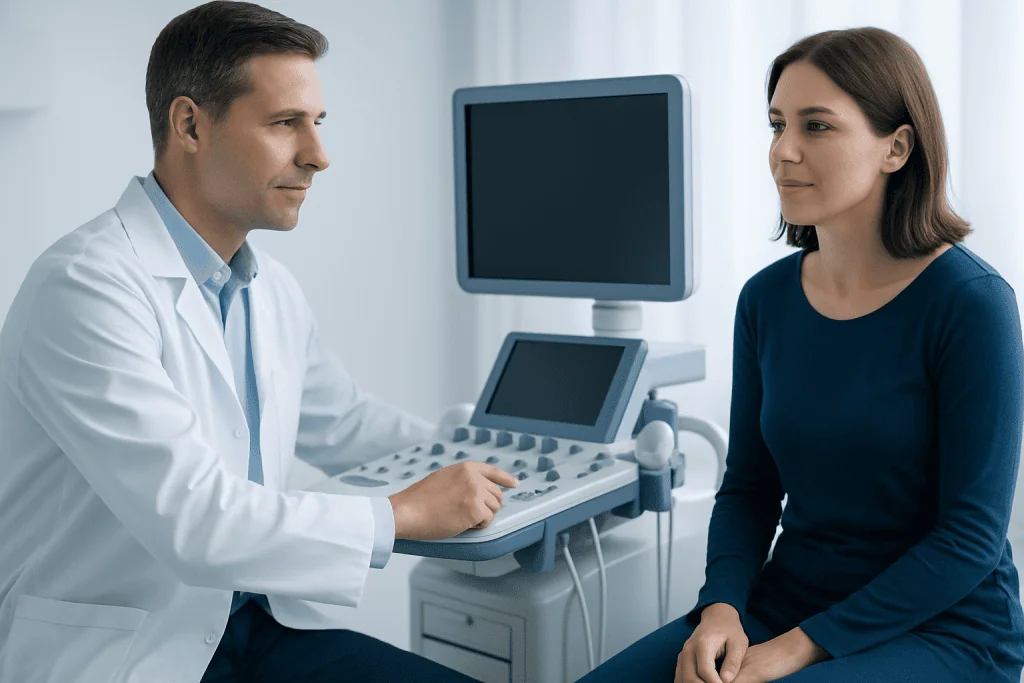
Digestive enzymes are generally considered when symptoms seem closely tied to eating, especially specific foods. They can be useful when the body has trouble breaking down certain nutrients. For example, lactase helps digest lactose, the sugar found in milk and dairy products.
People sometimes consider enzymes for symptoms such as bloating after meals, gas, abdominal discomfort, or a heavy feeling after eating. Some also use them when symptoms tend to happen after high-fat meals or foods that are harder to digest. The benefit depends on the cause of the symptoms and the type of enzyme used.
Examples of symptoms that may be associated with enzyme-related issues include:
- Bloating or gas soon after meals
- Discomfort after dairy products
- Fullness or indigestion linked to certain foods
- Greasy stools or poor digestion in more serious enzyme deficiency states
Not all digestive discomfort means a person needs enzymes. Similar symptoms can also occur with food intolerance, irritable bowel syndrome, acid-related problems, gallbladder disease, or celiac disease. A proper assessment helps identify the true cause.
What symptoms may respond to probiotics

Probiotics are usually considered when symptoms may involve an imbalance in the gut microbiome. This can happen after an infection, after taking antibiotics, or in some people with recurring digestive upset. Probiotics do not digest food directly. Instead, they may help support the environment of the intestines and the balance of beneficial microbes.
Symptoms that sometimes improve with specific probiotic strains include bloating, mild irregular bowel habits, and some forms of diarrhea. Certain probiotics may also help support recovery after antibiotic use. However, effects are strain-specific, which means one product may not have the same effect as another.
Probiotics are often discussed for:
- Antibiotic-associated diarrhea
- Mild bloating related to gut flora changes
- Some symptoms of irritable bowel syndrome
- Support during recovery after a stomach infection
They are not a cure for chronic digestive disease, and they do not work immediately for everyone. In some people, probiotics can temporarily increase gas or bloating at the beginning of use. If symptoms continue or worsen, medical advice is important.
When one may be a better fit than the other
A simple way to think about the difference is this: digestive enzymes act on food, while probiotics act on the gut environment. If symptoms happen mainly during or soon after meals, especially after a known trigger food, enzymes may be more relevant. If symptoms began after antibiotics, infection, or a change in bowel pattern, probiotics may be more relevant.
For example, a person who develops cramping and gas after dairy may benefit more from a lactase product than from a probiotic. A person who develops loose stools after an antibiotic course may be more likely to discuss a probiotic with a doctor. Someone with mixed symptoms may need a broader evaluation rather than guessing between supplements.
There are also situations where both may be considered, but this should be done thoughtfully. Taking multiple products at once can make it harder to know what is helping. It is usually more practical to match the choice to the most likely cause of symptoms and review progress with a healthcare professional.
If symptoms suggest an underlying digestive disorder, testing may be more important than self-treatment. Ongoing abdominal pain, unexplained weight loss, blood in the stool, anemia, vomiting, or persistent diarrhea should always prompt medical assessment.
Common causes of digestive symptoms and risk factors
Many digestive symptoms have causes that go beyond enzymes or gut bacteria. Bloating, gas, abdominal pain, and bowel changes can come from food intolerances, constipation, stress, infections, medication side effects, or functional bowel disorders. In some cases, they can also signal more significant conditions involving the stomach, pancreas, liver, gallbladder, or intestines.
Risk factors depend on the symptom pattern. Lactose intolerance becomes more common with age in many populations. Recent antibiotic use can disrupt the balance of gut bacteria. Pancreatic disorders can affect natural enzyme production, although this is different from occasional indigestion and requires medical care.
Other factors that may contribute include:
- Large or high-fat meals
- Rapid eating or swallowing excess air
- Food intolerances such as lactose or certain fermentable carbohydrates
- Stress and changes in gut-brain signaling
- Recent gastrointestinal infection
- Certain medications
Because many different conditions can create similar symptoms, treatment should not be based on marketing claims alone. Medical evaluation is especially important if symptoms are new, persistent, or affecting nutrition and quality of life.
How doctors evaluate ongoing digestive symptoms
When symptoms continue, a doctor usually starts with a detailed history. The timing of symptoms matters greatly. Meal-related discomfort, symptoms after dairy, diarrhea after antibiotics, and pain associated with bowel movements all suggest different possibilities. A symptom diary can sometimes help reveal patterns.
The evaluation may include a physical examination and, when appropriate, blood tests, stool tests, breath tests for intolerances, or imaging. In some cases, endoscopic procedures may be needed to check for inflammation, ulcers, celiac disease, or other digestive disorders. If there is concern about the pancreas or poor nutrient absorption, more targeted tests may be recommended.
Treatment may depend on the diagnosis. Some people need diet changes, others need medication, and some may benefit from structured support such as gastroenterology care or nutritional guidance. If a doctor suspects a condition affecting digestion or absorption, they may also recommend endoscopic evaluation or tests related to colonoscopy when appropriate.
Treatment options, self-care, and safe supplement use
The most effective treatment depends on the cause. If symptoms are clearly linked to lactose, using lactase and reducing lactose intake may help. If symptoms relate to antibiotic-associated diarrhea, a doctor may discuss whether a specific probiotic is suitable. For people with functional digestive complaints, changes in meal size, fiber intake, hydration, and stress management may be just as important as supplements.
Safe supplement use matters. Not all digestive enzyme blends contain the same ingredients, and not all probiotics contain the same strains or amounts. A product that helps one person may not help another. People with immune system problems, serious illness, or recent surgery should ask a doctor before using probiotics.
Helpful self-care measures may include:
- Eating smaller, slower meals
- Tracking foods that trigger symptoms
- Limiting foods that repeatedly cause discomfort
- Staying well hydrated
- Managing constipation if present
- Reviewing medications with a doctor or pharmacist
If symptoms are frequent or the diagnosis is unclear, professional guidance is the safer choice. Near the end of the care journey, some people may also seek specialist assessment at centers such as Acibadem International, where multidisciplinary specialists in JCI-accredited hospitals diagnose and treat digestive conditions for international patients.
When to see a doctor
Occasional indigestion or mild bloating is common, but persistent symptoms deserve medical attention. A doctor should evaluate digestive symptoms that last for weeks, repeatedly interrupt daily life, or do not improve with simple diet changes. Self-treating for too long can delay diagnosis of conditions that need specific care.
Medical review is especially important if there are warning signs. These include unintentional weight loss, difficulty swallowing, ongoing vomiting, black or bloody stools, fever, nighttime symptoms, anemia, or severe abdominal pain. Children, older adults, and people with chronic illnesses may need earlier evaluation.
In general, digestive enzymes and probiotics can be helpful tools when chosen for the right reason. But they are not interchangeable, and they are not a substitute for diagnosis. If the symptom pattern is unclear, a qualified doctor can help determine whether the issue is related to food digestion, gut bacteria, or another digestive problem entirely.
Frequently asked questions
Are digestive enzymes and probiotics the same thing?
No. Digestive enzymes help break down food, while probiotics are live microorganisms that may support the balance of bacteria in the gut. They work differently, so the best option depends on the symptoms and their cause.
Which is better for bloating: digestive enzymes or probiotics?
It depends on why the bloating happens. If bloating appears after certain meals or foods, digestive enzymes may be more relevant. If bloating began after antibiotics or comes with changes in bowel habits, a probiotic may be worth discussing with a doctor.
Can probiotics help after antibiotics?
Some probiotic strains may help reduce the risk of antibiotic-associated diarrhea or support recovery of gut balance. However, not every probiotic product has the same effect. It is best to ask a healthcare professional which product, if any, is appropriate.
Should digestive enzymes be taken with every meal?
That depends on the reason they are being used. Some enzymes are meant for meals that contain a specific trigger, such as dairy. A doctor or dietitian can help determine whether regular use is necessary or whether another approach would be more appropriate.
Can a person take digestive enzymes and probiotics together?
In some cases, yes, because they work in different ways. Still, taking both at once may make it harder to tell what is helping. If symptoms are ongoing, it is usually better to identify the likely cause first and choose treatment more precisely.
When should digestive symptoms be checked by a doctor?
A doctor should evaluate symptoms that are persistent, worsening, or interfering with eating and daily life. Urgent medical attention is needed for warning signs such as blood in the stool, black stools, vomiting, significant weight loss, fever, or severe pain.
References
- National Institute of Diabetes and Digestive and Kidney Diseases
- American Gastroenterological Association
- National Center for Complementary and Integrative Health
- World Gastroenterology Organisation
- British Society of Gastroenterology
This article is for general information only and is not a substitute for professional medical advice. Please consult a qualified doctor about your individual situation.
Persistent digestive symptoms? Get evaluated in Turkey
JCI-accredited · board-certified surgeons · reply within 24h
Add us as a Preferred Source to see more of our trusted health content across Google Search, AI Overviews and Discover.