Digestive Issues: Early Warning Signs and When to See a Doctor

Occasional bloating, heartburn, or changes in bowel habits are common, but symptoms that persist or worsen should be assessed. Red-flag symptoms include blood in stool or vomit, unexplained weight loss, severe abdominal pain, vomiting, and difficulty swallowing.
Key Takeaways
- Occasional bloating, heartburn, or changes in bowel habits are common, but symptoms that persist or worsen should be assessed.
- Red-flag symptoms include blood in stool or vomit, unexplained weight loss, severe abdominal pain, vomiting, and difficulty swallowing.
- Digestive problems can be caused by diet, infection, medication side effects, stress, food intolerance, or chronic conditions such as reflux or inflammatory bowel disease.
- Diagnosis may involve a medical history, physical exam, blood or stool tests, imaging, or endoscopy, depending on the symptoms.
- Healthy eating habits, hydration, regular activity, stress management, and avoiding smoking can support digestive health.
Digestive issues are common and often improve with simple care, but some symptoms can point to an underlying condition that needs medical attention. Knowing the early warning signs can help a person decide when to monitor symptoms at home and when to seek professional advice.
Overview of Digestive Issues
Digestive issues describe a wide range of symptoms that affect the stomach, intestines, esophagus, liver, gallbladder, or pancreas. Common complaints include bloating, abdominal discomfort, nausea, constipation, diarrhea, gas, heartburn, and changes in appetite. Many episodes are short-lived and linked to diet changes, mild infections, stress, or eating too quickly.
Even so, digestive symptoms should not always be dismissed as minor. When they recur often, last for more than a short period, or interfere with daily life, they may be a sign of a more specific condition. Examples include acid reflux, peptic ulcer disease, food intolerance, irritable bowel syndrome, gallstones, inflammatory bowel disease, or infections.
Paying attention to timing, triggers, and associated symptoms can be helpful. For example, symptoms that appear after certain foods may suggest intolerance, while symptoms that wake a person from sleep or are accompanied by fever, bleeding, or weight loss deserve prompt medical review.
Early Warning Signs to Watch For
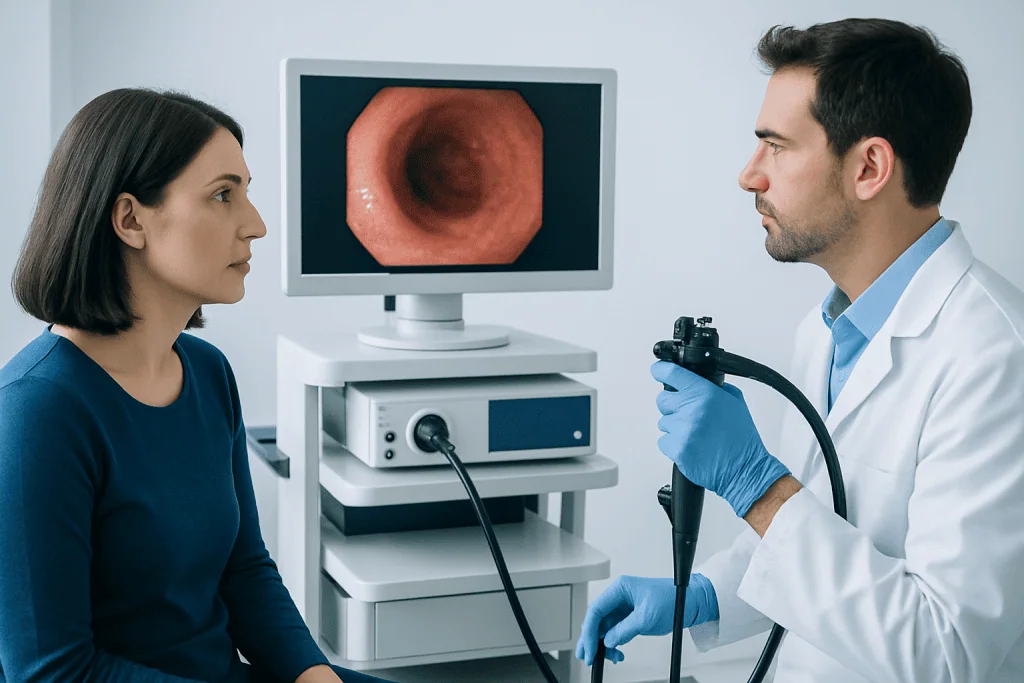
Some digestive symptoms are mild and settle with rest or simple dietary adjustments. Others act as early warning signs that the body may need medical evaluation. Symptoms that become more frequent, stronger, or more disruptive over time should not be ignored.
Examples of warning signs include:
- Persistent heartburn or acid regurgitation
- Ongoing bloating or abdominal swelling
- Abdominal pain that keeps returning
- Diarrhea or constipation lasting longer than expected
- Feeling full quickly or losing appetite
- Nausea or vomiting without a clear cause
- Difficulty swallowing or pain when swallowing
- Unexplained fatigue linked with digestive symptoms
Changes in bowel habits can be especially important. A person may notice stools becoming looser, harder, more frequent, less frequent, unusually pale, black, or mixed with mucus. While not every change means serious disease, a lasting change is worth discussing with a doctor.
Another key sign is when symptoms affect quality of life. Missing work, avoiding meals, limiting social activities, or relying on frequent over-the-counter medicines are clues that a problem may need proper diagnosis rather than ongoing self-treatment alone.
Symptoms That Need Prompt Medical Attention

Certain digestive symptoms are considered red flags because they can be linked with bleeding, obstruction, significant inflammation, or other urgent problems. These symptoms do not always mean a serious diagnosis, but they should be assessed quickly by a qualified healthcare professional.
Urgent symptoms include severe or sudden abdominal pain, repeated vomiting, vomiting blood, black tarry stools, bright red blood in the stool, signs of dehydration, fainting, chest pain with heartburn-like symptoms, or a swollen and tender abdomen. High fever together with abdominal pain or diarrhea also needs prompt attention.
Unexplained weight loss is another important warning sign. If a person is losing weight without trying, especially alongside poor appetite, persistent nausea, bowel changes, or trouble swallowing, a medical evaluation is important. Difficulty swallowing can sometimes be linked to esophageal cancer, but it may also occur with reflux-related irritation or narrowing of the esophagus.
People with ongoing bleeding, anemia, jaundice, or persistent symptoms after age 45 to 50 may need more detailed evaluation. Those with a family history of bowel disease, ulcers, digestive cancers, or celiac disease should be especially alert to symptoms that continue or recur.
Common Causes and Risk Factors
Digestive symptoms can happen for many reasons, ranging from temporary irritation to chronic disease. Everyday causes include overeating, fatty or spicy foods, alcohol, excess caffeine, low fiber intake, dehydration, and stress. Viral or bacterial infections may lead to short-term nausea, vomiting, cramps, or diarrhea.
Food intolerances and sensitivities are another common cause. Some people develop symptoms after dairy products, gluten-containing foods, or highly processed meals. Medications can also affect digestion. Pain relievers, antibiotics, iron supplements, and some diabetes or blood pressure medicines may contribute to nausea, constipation, diarrhea, or heartburn.
Chronic digestive conditions include gastroesophageal reflux disease, peptic ulcers, irritable bowel syndrome, inflammatory bowel disease, gallbladder disease, liver disorders, and celiac disease. Persistent heartburn may be linked to reflux, while repeated abdominal pain with bowel changes may raise concern for Crohn's disease or another inflammatory bowel condition in the right clinical setting.
Risk factors depend on the condition but may include smoking, obesity, low physical activity, a low-fiber diet, long-term medication use, chronic stress, older age, and family history. The presence of risk factors does not confirm a disease, but it can help a doctor decide how urgently symptoms should be investigated.
How Doctors Diagnose Digestive Problems
Diagnosis begins with a careful history. A doctor will usually ask when symptoms started, whether they are constant or intermittent, what makes them better or worse, and whether there are related symptoms such as fever, weight loss, fatigue, or bleeding. Details about diet, travel, medications, alcohol, smoking, and family history can also provide important clues.
A physical examination may include checking the abdomen for tenderness, swelling, bowel sounds, masses, or signs of dehydration. Depending on the symptoms, further tests may be recommended. These can include blood tests, stool tests, breath tests for certain intolerances or infections, and imaging studies such as ultrasound or CT scanning.
In some cases, direct examination of the digestive tract is the best way to identify the cause. Persistent upper digestive symptoms may lead to endoscopy, while ongoing bowel symptoms, bleeding, or screening needs may require colonoscopy. These procedures can help detect inflammation, ulcers, polyps, bleeding sources, and other abnormalities.
Not everyone with digestive discomfort needs extensive testing. The choice of investigation depends on the age of the person, symptom pattern, duration, and whether any alarm features are present. A doctor will usually balance the need for accuracy with the goal of avoiding unnecessary procedures.
Treatment Options and Home Care
Treatment depends on the cause of the digestive issue rather than the symptom alone. Short-term indigestion may improve with smaller meals, better hydration, and avoiding trigger foods. Constipation may respond to increased fiber, fluid intake, and physical activity, while diarrhea may require rest, oral fluids, and temporary adjustment of diet.
If symptoms are caused by a medical condition, treatment may involve acid-reducing medicines, infection treatment, anti-inflammatory medicines, dietary therapy, or other targeted approaches. Gallstones, strictures, bleeding, or certain growths may need specialist care or procedures. In selected cases, doctors may recommend gastroenterology care to guide a more complete evaluation and treatment plan.
It is generally safer not to rely on frequent self-medication without advice if symptoms keep coming back. Repeated use of over-the-counter remedies can mask important warning signs. Anyone with persistent pain, ongoing heartburn, regular laxative use, or recurring nausea should speak with a healthcare professional before continuing long-term self-treatment.
Near the end of the care pathway, some patients may benefit from multidisciplinary evaluation. Acibadem International’s specialists in JCI-accredited hospitals diagnose and treat digestive conditions for international patients when further investigation or coordinated care is needed.
Prevention and When to See a Doctor
Many digestive issues can be reduced through everyday habits that support gut health. Helpful steps include eating regular balanced meals, chewing slowly, limiting very fatty or heavily processed foods, staying hydrated, and including fiber from fruits, vegetables, legumes, and whole grains when tolerated. Regular movement can also support healthy bowel function.
Other useful preventive measures include managing stress, limiting alcohol, avoiding smoking, and reviewing medicines with a doctor if they seem to trigger symptoms. Good hand hygiene and safe food practices can lower the risk of stomach infections. People who know they have specific triggers, such as lactose or very spicy foods, may benefit from avoiding or reducing them.
A doctor should be consulted if digestive symptoms last more than a couple of weeks, keep returning, disturb sleep, or interfere with eating and daily life. Medical review is also important if symptoms begin later in life, if there is a strong family history of bowel disease, or if over-the-counter treatments are not helping.
Immediate medical attention is appropriate for severe abdominal pain, vomiting blood, black stools, dehydration, jaundice, chest pain, fainting, or inability to pass stool or gas with significant bloating. Early assessment often helps identify problems sooner and can bring reassurance when symptoms turn out to be less serious.
Frequently asked questions
Are digestive issues usually serious?
Not always. Many digestive issues are caused by diet, stress, minor infections, or temporary irritation and improve with simple measures. However, symptoms that persist, worsen, or come with bleeding, weight loss, or severe pain should be checked by a doctor.
How long should a person wait before seeing a doctor for stomach problems?
A short-lived upset stomach may settle within a few days, especially if it is linked to a dietary trigger or mild infection. If symptoms last more than one to two weeks, keep returning, or interfere with eating and daily activities, medical advice is recommended.
What digestive symptoms are considered red flags?
Red flags include blood in vomit or stool, black tarry stools, severe or sudden abdominal pain, repeated vomiting, trouble swallowing, unexplained weight loss, jaundice, and signs of dehydration. These symptoms need prompt medical evaluation.
Can stress cause digestive symptoms?
Yes. Stress can affect the way the digestive tract moves and how sensitive it feels, which may contribute to nausea, bloating, cramps, diarrhea, constipation, or loss of appetite. Even so, ongoing symptoms should not automatically be blamed on stress without proper assessment.
Should a person take over-the-counter medicines for frequent heartburn or constipation?
Occasional use may help some short-term symptoms, but frequent or long-term use should be discussed with a doctor. Regular heartburn, repeated constipation, or dependence on symptom-relief medicines may point to an underlying condition that needs diagnosis.
What tests might be needed for digestive issues?
The tests depend on the symptoms and may include blood tests, stool tests, ultrasound, CT imaging, or endoscopic procedures such as colonoscopy or upper endoscopy. A doctor chooses tests based on the symptom pattern, age, risk factors, and whether alarm features are present.
References
- World Health Organization
- National Institute of Diabetes and Digestive and Kidney Diseases
- American College of Gastroenterology
- National Health Service
- Mayo Clinic
This article is for general information only and is not a substitute for professional medical advice. Please consult a qualified doctor about your individual situation.
Persistent digestive symptoms? Get evaluated in Turkey
JCI-accredited · board-certified surgeons · reply within 24h
Add us as a Preferred Source to see more of our trusted health content across Google Search, AI Overviews and Discover.
Check your numbers in seconds
BMI, calories, due date, blood pressure and 30+ more clinical calculators — free, instant, doctor-reviewed ranges.