Digital Pathology Second Opinion: When a Re-Review of Cancer Slides May Help
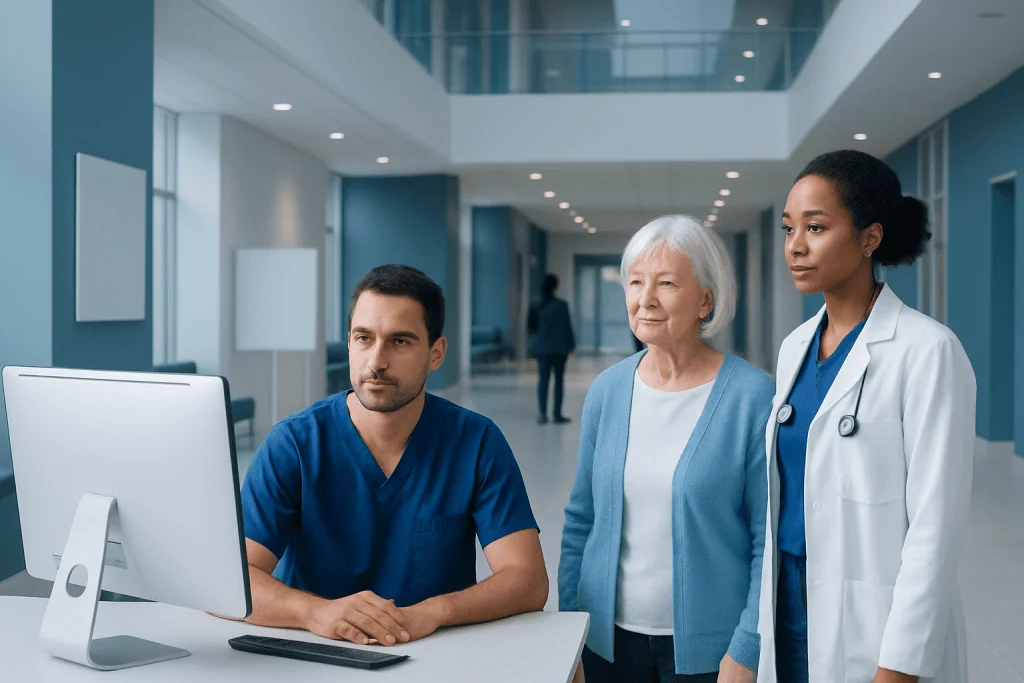
A second pathology review can confirm the original diagnosis or identify important differences. Digital pathology allows specialists to review high-resolution slide images remotely.
Key Takeaways
- A second pathology review can confirm the original diagnosis or identify important differences.
- Digital pathology allows specialists to review high-resolution slide images remotely.
- Second opinions may be useful for rare cancers, borderline findings, or major treatment decisions.
- The process usually works alongside, not instead of, the patient’s treating doctor and pathology team.
- Accurate pathology is essential because cancer treatment often depends on the exact tumor type and grade.
A digital pathology second opinion is an expert re-review of scanned tissue slides to confirm or clarify a cancer diagnosis. It may help when findings are complex, rare, uncertain, or especially important for treatment planning.
Overview: What a Digital Pathology Second Opinion Means
A digital pathology second opinion is a specialist review of tissue slides that have been scanned into high-resolution digital images. Instead of shipping glass slides alone, the pathology material can be reviewed on secure digital platforms by another pathologist, often one with expertise in a particular cancer type. The goal is to confirm the diagnosis, clarify uncertain findings, or provide additional detail that may affect treatment planning.
Pathology is a central part of cancer care. When a biopsy or surgery is performed, a pathologist examines the tissue under a microscope to identify whether cancer is present and, if so, what type it is, how aggressive it appears, and sometimes which additional tests may be needed. Because treatment decisions often depend on these details, even small differences in interpretation can matter.
Digital pathology does not change the tissue sample itself. It changes how the slides are shared and reviewed. This can make second opinions more efficient, especially when a patient wants input from a subspecialist in another city or country. In many situations, the second opinion supports the original diagnosis; in others, it may refine or revise the findings in a way that helps the care team choose the most appropriate next step.
Why a Re-Review of Cancer Slides May Help
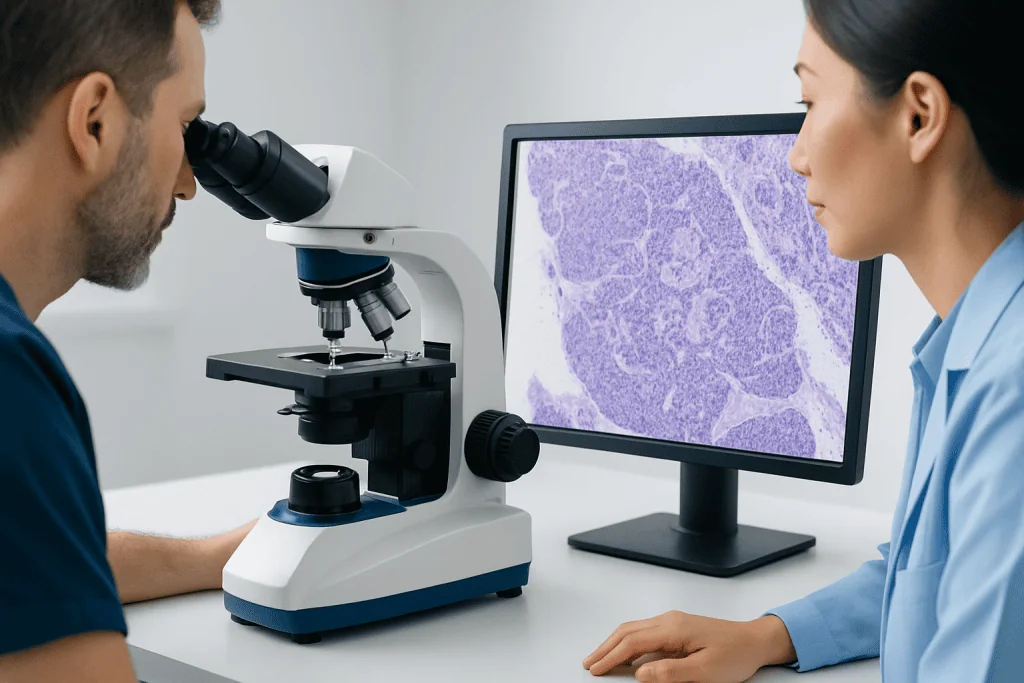
A re-review may be helpful because some cancers are difficult to classify, especially when the tissue changes are subtle or overlap with non-cancerous conditions. Certain tumors can look similar under the microscope but behave differently and require different treatment approaches. A second opinion from a pathologist with focused expertise can add confidence when the diagnosis is straightforward and can be especially valuable when it is not.
It may also help when the pathology report uses terms such as “atypical,” “suspicious,” “borderline,” or “indeterminate.” These terms do not always mean cancer is definitely present or absent. They can signal that the sample is limited, the appearance is unusual, or further testing is needed. In these settings, additional review may reduce uncertainty.
Another reason is treatment impact. A change in tumor type, grade, stage-related detail from the specimen, or biomarker interpretation may influence whether a patient is advised to have surgery, chemotherapy, radiation therapy, targeted therapy, hormone therapy, or active surveillance. For that reason, many people seek a pathology second opinion before starting major cancer treatment or after receiving a rare diagnosis.
- Rare or unusual tumor types
- Conflicting pathology reports
- Borderline or inconclusive biopsy findings
- A recommendation for major surgery or systemic treatment
- Recurrence, progression, or a cancer that is not responding as expected
When Patients and Doctors Commonly Consider One
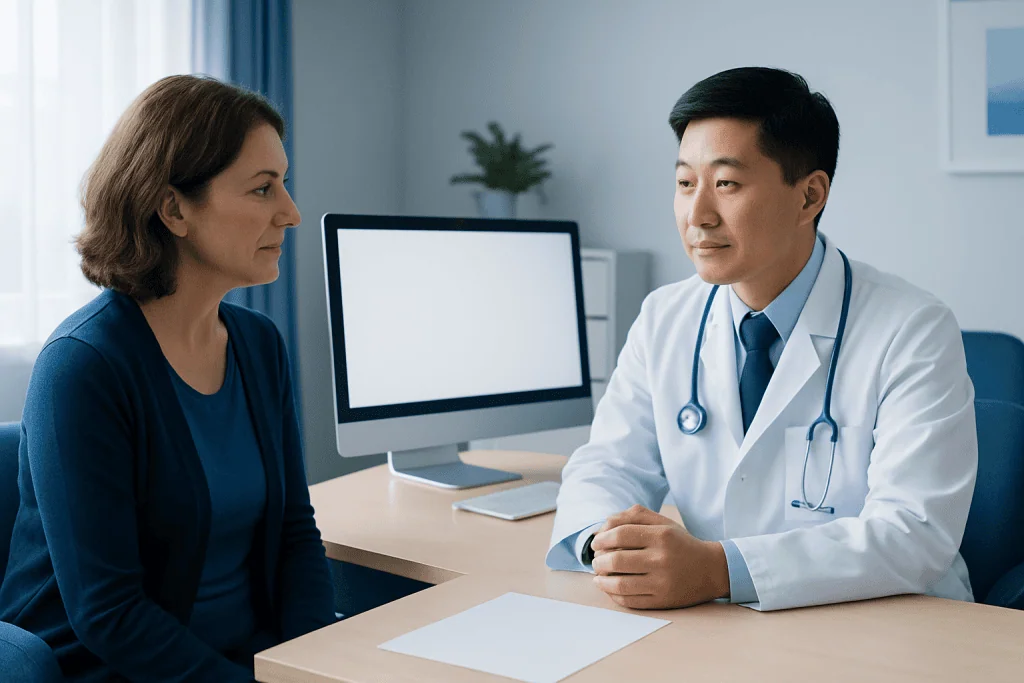
A digital pathology second opinion is often considered when a cancer diagnosis is new and treatment choices are significant. This includes situations where the biopsy is small, the tumor is rare, or the diagnosis depends on specialized staining or molecular testing. It can also be helpful when the pathology findings do not seem to match imaging results, symptoms, or the clinical course.
Patients sometimes request a second review for peace of mind, and that is understandable. Cancer care can feel overwhelming, and many people feel more comfortable moving forward after another expert has reviewed the slides. In many cases, the original and second opinions agree, which can reassure both the patient and the treating team.
Doctors may recommend a second opinion as part of careful multidisciplinary care. For example, a tumor board may ask for expert pathology input before a treatment plan is finalized. This is especially relevant in cancers where distinctions between subtypes can affect whether a person is treated with chemotherapy, radiation therapy, surgery, or another approach. It may also be useful when evaluating disorders that can mimic cancer on a small tissue sample.
How Digital Pathology Review Works
The process usually begins with the original pathology slides and report. A laboratory scans the glass slides using a digital slide scanner that captures highly detailed images. These images can then be shared securely with another pathologist for review. In some cases, the consulting specialist may also request the original glass slides, additional tissue blocks, or unstained slides if more testing is needed.
The reviewing pathologist studies the digital images much as they would examine glass slides under a microscope. They may zoom in on areas of interest, compare different stained sections, and correlate what they see with the original report and clinical information. Depending on the case, they may recommend additional techniques such as immunohistochemistry or molecular testing to better classify the tumor.
After the review, a written opinion is provided. This may confirm the initial diagnosis, add detail, or suggest a different interpretation. The second opinion is then discussed with the treating doctor, who places it in the context of imaging, blood tests, symptoms, and the overall treatment plan. Digital review can be particularly helpful in organizing care that may also involve PET-CT imaging or advanced pathology-guided decisions.
What a Second Opinion Can Clarify
A second pathology review can clarify several key features of a tumor. These may include whether a lesion is benign or malignant, what kind of cancer it is, how abnormal the cells appear, whether margins are involved in a surgical specimen, and whether there are features suggesting a more aggressive behavior. In some cancers, the specialist may also review or recommend biomarker tests that help guide therapy.
For patients, one of the most important benefits is understanding whether the diagnosis changes treatment. A revision does not always mean the first report was wrong. Pathology can be complex, and some cases become clearer after specialist review, added stains, or more complete clinical information. The purpose is to achieve the most accurate and clinically useful diagnosis possible.
Sometimes the review identifies a condition that belongs in a different disease category than first suspected. In other cases, it confirms a diagnosis but refines the subtype in a way that points to a more tailored plan, including options such as immunotherapy when appropriate. This is one reason a second opinion can be valuable even when cancer has already been confirmed.
Benefits, Limits, and Practical Considerations
The main benefit of digital pathology is access. Patients may obtain expert review from subspecialty pathologists without the delays and logistics that can come with physically transporting materials long distances. Digital systems can also support collaboration among pathology, radiology, surgery, and oncology teams, which is useful when care decisions are complex.
There are also important limits. Not every case can be fully resolved by digital review alone. Some situations require review of the original glass slides, extra tissue sections, repeat biopsy, or additional laboratory testing. A second opinion may not always produce a different result, and that can still be valuable because confirmation often increases confidence in the care plan.
Practical questions to discuss include which materials are needed, whether additional tests may be recommended, how long review may take, and how the final opinion will be shared. Patients should also ask whether their treating doctor wants the second opinion before treatment starts. Near the end of care planning, some people choose centers where multidisciplinary specialists and JCI-accredited hospitals, including Acibadem International, can coordinate digital pathology review for international patients alongside oncology care.
How to Prepare and When to Ask for a Review
Patients who are considering a digital pathology second opinion can start by speaking with their treating doctor. It helps to gather the pathology report, procedure notes, imaging summaries, and a list of previous tests. The reviewing specialist usually benefits from knowing the clinical history, the site of the biopsy, and whether the sample was taken before or after treatment.
It is often wise to ask for a review before beginning a major treatment, especially if the diagnosis is rare, uncertain, or likely to change management. This does not mean treatment must always be delayed; rather, the decision should be individualized. In urgent situations, the original care team may begin time-sensitive treatment while arranging expert review in parallel.
Patients should consider asking for a second opinion if they have been told the findings are unusual, if different doctors have given differing explanations, or if they simply want added confidence before moving forward. Open communication is important. A request for review is a routine part of modern medicine and is generally viewed as a thoughtful step toward accurate diagnosis and personalized care.
Frequently asked questions
What is a digital pathology second opinion?
It is a second review of pathology slides after they have been converted into high-resolution digital images. Another pathologist, often with expertise in a specific cancer type, examines the images to confirm or clarify the diagnosis.
Does asking for a second opinion mean the first pathologist made a mistake?
Not necessarily. Many second opinions confirm the original diagnosis. Pathology can be complex, and an additional review is often used to add confidence, refine details, or evaluate rare findings.
When is a pathology second opinion most useful?
It may be most useful when a cancer is rare, the biopsy result is uncertain, or treatment decisions are major and depend on the exact tumor type. It can also help when pathology findings do not seem to match imaging or clinical features.
Can digital images replace the original glass slides completely?
Often, digital images are very helpful for expert review, but not every case can be resolved from scanned images alone. Some situations still require the original glass slides, additional tissue sections, or further laboratory testing.
Will a second opinion delay treatment?
Sometimes it adds a short step, but digital pathology can make the process faster than traditional shipping alone. In urgent cases, the care team may balance the need for rapid treatment with the value of specialist review.
What should patients prepare before requesting a review?
Helpful materials usually include the original pathology report, biopsy or surgery details, imaging summaries, and relevant medical history. The treating doctor or hospital can also advise what slide materials or tissue samples need to be shared.
References
- World Health Organization
- National Cancer Institute
- College of American Pathologists
- American Cancer Society
- European Society for Medical Oncology
This article is for general information only and is not a substitute for professional medical advice. Please consult a qualified doctor about your individual situation.
Oncology care in Turkey — second opinion and treatment plan
JCI-accredited · board-certified surgeons · reply within 24h
Add us as a Preferred Source to see more of our trusted health content across Google Search, AI Overviews and Discover.

More from the Health Library



Related Specialists

Assoc. Prof. Dr. Yasemin Koyuncu
Dermatology
Dr. Ahmet Ali Aktaş
General Surgery
Dr. Cemile Ertan
Dermatology
Alperen Mustafa Oğuz
Physical Medicine & Rehabilitation