

Diverticulitis: Abdominal Pain, Diagnosis, and Treatment
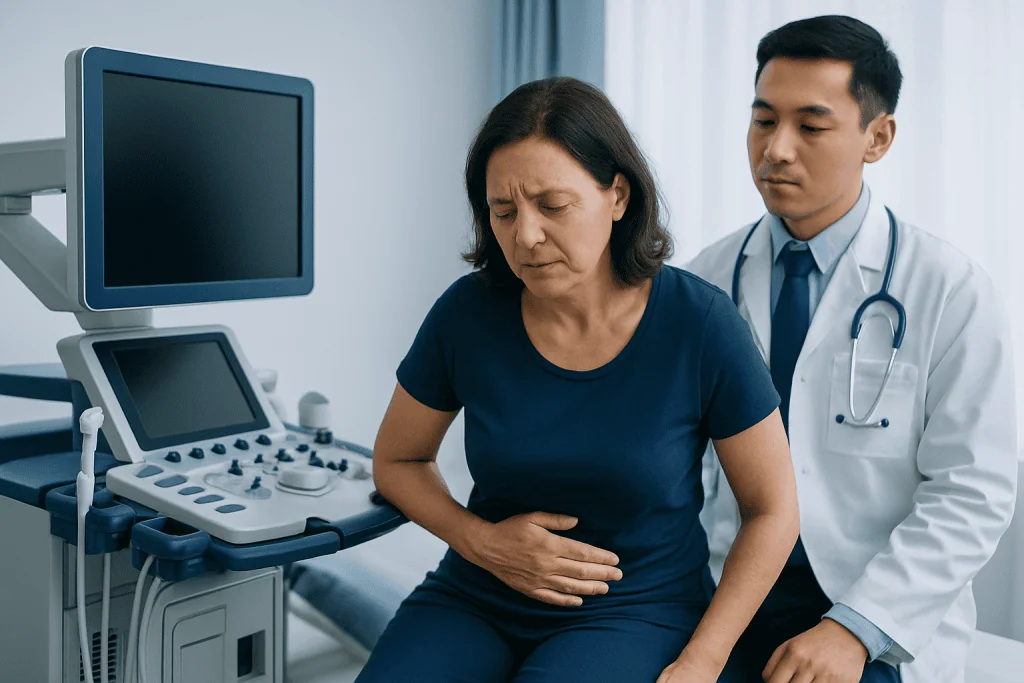
Diverticulitis usually causes steady pain in the lower abdomen, often on the left side, sometimes with fever, nausea, constipation, or diarrhea. A CT scan is commonly used to confirm diverticulitis and check for complications such as abscess, perforation, obstruction, or fistula.
Key Takeaways
- Diverticulitis usually causes steady pain in the lower abdomen, often on the left side, sometimes with fever, nausea, constipation, or diarrhea.
- A CT scan is commonly used to confirm diverticulitis and check for complications such as abscess, perforation, obstruction, or fistula.
- Treatment depends on severity and may include temporary diet changes, pain control, selective antibiotics, drainage of an abscess, or surgery in selected cases.
- After recovery, a fiber-rich eating pattern, hydration, regular activity, and avoiding smoking may help reduce future flare-ups.
- Severe pain, persistent fever, vomiting, rectal bleeding, dizziness, or a swollen rigid abdomen should be assessed urgently.
Diverticulitis is inflammation or infection of small pouches in the colon, often causing lower abdominal pain, fever, and changes in bowel habits. Most mild cases improve with medical guidance, while complicated cases may require hospital care or procedures.
Overview
Diverticulitis is a condition in which small pouch-like bulges in the wall of the large intestine become inflamed and sometimes infected. These pouches are called diverticula, and having them is known as diverticulosis. Diverticulosis is common, especially with increasing age, and many people never have symptoms. When one or more pouches become inflamed, the condition is called diverticulitis.
The colon is a muscular tube that absorbs water and moves stool through the digestive tract. Diverticula most often form in the sigmoid colon, the lower left part of the large intestine, where pressure can be higher. Diverticulitis can range from mild and uncomplicated to more serious disease with complications such as an abscess, a small perforation, bowel narrowing, or a fistula. Fortunately, many cases are uncomplicated and improve with appropriate medical care.
Diverticulitis is different from irritable bowel syndrome, stomach flu, food poisoning, or appendicitis, although symptoms may overlap. Because abdominal pain has many possible causes, an accurate diagnosis is important. A healthcare professional can determine whether symptoms are due to diverticulitis and whether treatment can be safely managed at home or requires hospital care.
Diverticulitis Symptoms
The most typical symptom of diverticulitis is abdominal pain that becomes steady and localized. In many people, pain is felt in the lower left abdomen, but it may occur in other areas depending on the location of diverticula and individual anatomy. The pain may develop over hours or a few days and may be tender when the area is pressed.
Other symptoms can include fever, chills, nausea, loss of appetite, bloating, constipation, diarrhea, or a sense of general discomfort. Some people notice changes in bowel habits before the pain becomes clear. Mild rectal bleeding can occur with diverticular disease, although significant bleeding is more often related to diverticulosis than acute diverticulitis and should be evaluated.
Symptoms can vary in intensity. A mild episode may feel like localized cramping with low-grade fever, while a more complicated episode may cause worsening pain, inability to eat or drink, vomiting, marked abdominal swelling, or signs of infection. Because symptoms can resemble appendicitis, inflammatory bowel disease, urinary tract infection, kidney stones, gynecologic conditions, or colon cancer, medical assessment is recommended when new or persistent abdominal pain occurs.
Causes and Risk Factors
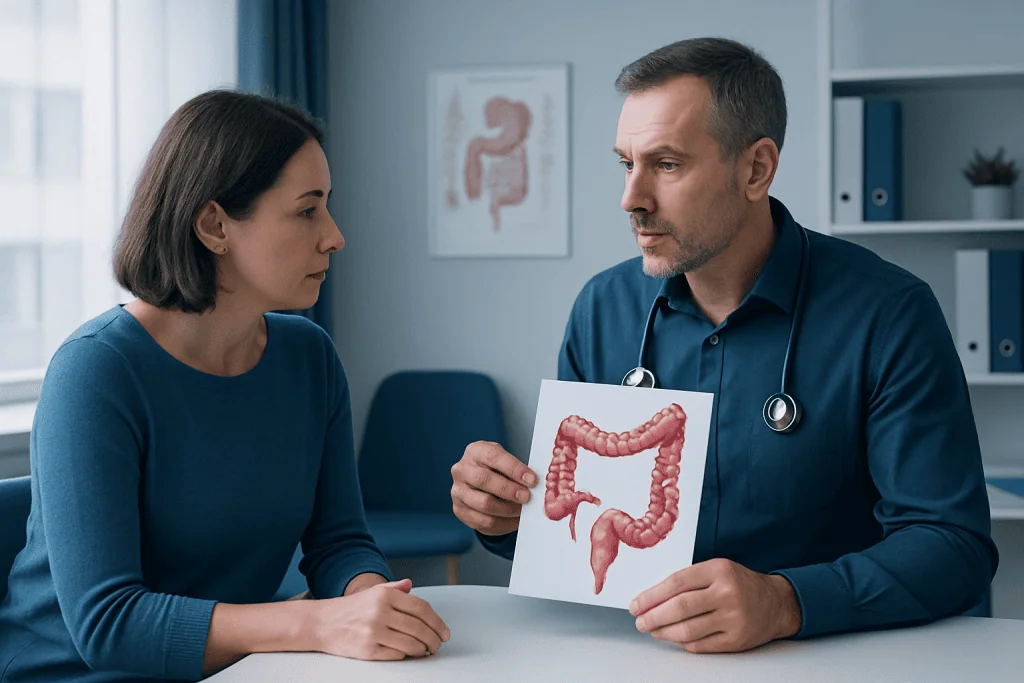
Diverticula are thought to form when pressure inside the colon pushes the inner lining through weaker areas of the bowel wall. Diverticulitis may occur when a pouch becomes inflamed, possibly related to changes in the gut microbiome, small tears, stool particles, or local immune responses. The exact reason one person with diverticulosis develops diverticulitis while another does not is not always clear.
Several factors are associated with a higher risk of diverticulitis. These include increasing age, a history of diverticulosis, low overall fiber intake, diets high in red or processed meat, physical inactivity, obesity, and smoking. Some medications, especially frequent use of nonsteroidal anti-inflammatory drugs, may increase the risk of complications in susceptible people. Genetics and connective tissue differences may also play a role.
Older advice often told patients to avoid nuts, seeds, popcorn, or foods with small particles because they might lodge in diverticula. Current evidence does not support routine avoidance of these foods for most people. Instead, many clinicians focus on an overall balanced eating pattern, adequate fiber after recovery, hydration, and individualized advice based on symptoms and tolerance.
Diagnosis
Diagnosis begins with a medical history and physical examination. The doctor may ask about the location and timing of pain, fever, bowel changes, previous episodes, medications, prior colonoscopy, and other medical conditions. During the examination, the abdomen is checked for tenderness, guarding, swelling, and signs that urgent care may be needed.
Blood and urine tests are often used to look for inflammation, infection, anemia, dehydration, kidney or urinary problems, and pregnancy when relevant. However, lab tests alone cannot reliably confirm diverticulitis. Imaging is commonly needed, especially during a first episode, when symptoms are severe, or when complications are possible.
A computed tomography scan, often called a CT scan, is the most commonly used test to confirm diverticulitis and assess severity. It can show inflammation around diverticula and detect complications such as abscess, perforation, obstruction, or fistula. Ultrasound or MRI may be considered in selected patients, such as those who should avoid radiation or contrast, depending on local expertise and clinical circumstances.
Colonoscopy is usually not performed during the acute phase because the inflamed colon can be more sensitive. After recovery, a doctor may recommend colonoscopy if the patient has not had recent colorectal evaluation, if imaging findings are atypical, or if there are symptoms such as bleeding, weight loss, or anemia. This helps rule out other conditions, including colorectal cancer or inflammatory bowel disease.
Treatment Options
Treatment depends on whether diverticulitis is uncomplicated or complicated, the severity of symptoms, and the person’s overall health. Uncomplicated diverticulitis means inflammation is present without abscess, perforation, obstruction, or fistula. Many mild cases can be treated as an outpatient with close follow-up, temporary changes in diet, adequate fluids, and pain control recommended by a doctor.
Antibiotics were once used routinely for nearly all cases, but current guidance supports selective use in some mild uncomplicated cases, depending on clinical features and patient risk. Antibiotics are more likely to be recommended for people with significant fever, immune suppression, serious medical conditions, worsening symptoms, or complicated diverticulitis. Patients should take prescribed medicines exactly as directed and should not use leftover antibiotics.
Diet recommendations during an acute episode are individualized. Some people are advised to follow clear liquids or a low-fiber diet briefly while symptoms improve, then gradually return to normal foods. Long-term very restrictive diets are generally not needed unless a doctor identifies another condition or specific intolerance.
Hospital treatment may be needed for severe pain, persistent vomiting, dehydration, high fever, immune suppression, or complications. Care may include intravenous fluids, antibiotics, bowel rest, and monitoring. An abscess may sometimes be drained using image-guided techniques. Surgery may be necessary for generalized infection in the abdomen, a large or persistent abscess, bowel perforation, obstruction, fistula, or selected recurrent episodes that significantly affect health and quality of life.
Recovery and Follow-Up
Recovery from uncomplicated diverticulitis usually occurs gradually. Pain, fever, appetite, and bowel habits should improve with the treatment plan. Patients are typically advised to contact their doctor if symptoms do not improve within the expected timeframe, if they worsen, or if new symptoms develop. Completing follow-up is important even when a person feels better.
After the acute episode resolves, the healthcare team may review whether colonoscopy or further imaging is appropriate. This decision depends on age, previous colonoscopy results, CT findings, symptom pattern, family history, and risk factors. Follow-up also provides an opportunity to review medications, bowel habits, nutrition, and ways to reduce future risk.
Some people have recurrent diverticulitis, but recurrence does not automatically mean surgery is required. Modern decisions are individualized rather than based only on the number of attacks. Factors such as severity, complications, immune status, overall health, personal preferences, and impact on daily life are considered when discussing long-term management.
Prevention and Self-Care
Prevention focuses on supporting colon health and reducing modifiable risk factors. After recovery, many patients are encouraged to increase dietary fiber gradually through vegetables, fruits, beans, lentils, whole grains, nuts, and seeds as tolerated. Fiber helps stool hold water and move more comfortably through the colon. Increasing fiber too quickly can cause gas or bloating, so gradual changes and adequate fluids are helpful.
Regular physical activity, maintaining a healthy weight, and avoiding smoking may reduce the risk of future episodes and support overall digestive health. Patients who use nonsteroidal anti-inflammatory drugs frequently should discuss safer pain-control options with their doctor, especially if they have a history of diverticulitis or gastrointestinal bleeding. Alcohol and highly processed foods should be considered in the context of overall health and personal tolerance.
Self-care also means recognizing that each person’s digestive system is different. A food that causes bloating in one person may be well tolerated by another. Keeping a symptom diary can help identify patterns, but unnecessary long-term food avoidance can reduce nutrition and quality of life. A dietitian may help patients create a balanced plan, especially after repeated flare-ups or if other digestive conditions are present.
When to See a Doctor
A person should seek medical advice for new, persistent, or worsening abdominal pain, especially when pain is localized, accompanied by fever, or associated with changes in bowel habits. Early assessment can confirm the diagnosis, guide safe treatment, and reduce the chance of complications. People with immune suppression, significant chronic illness, pregnancy, or a history of complicated diverticulitis should be especially cautious.
Urgent care is appropriate for severe or rapidly worsening abdominal pain, a rigid or swollen abdomen, persistent vomiting, fainting, confusion, high fever, inability to pass stool or gas, or heavy rectal bleeding. These symptoms do not always mean a serious complication is present, but they should be assessed promptly.
International patients with suspected or recurrent diverticulitis may benefit from coordinated evaluation by gastroenterology, radiology, colorectal surgery, nutrition, and emergency care teams. Acibadem International’s multidisciplinary specialists and JCI-accredited hospitals diagnose and treat diverticulitis for international patients, with care plans based on individual clinical needs.
Frequently asked questions
What does diverticulitis pain feel like?
Diverticulitis pain is often steady rather than brief or cramp-like. It is commonly felt in the lower left abdomen and may be tender to touch. Fever, nausea, constipation, diarrhea, or bloating can occur with the pain.
Is diverticulitis the same as diverticulosis?
No. Diverticulosis means small pouches are present in the colon, and many people have no symptoms. Diverticulitis occurs when one or more of those pouches become inflamed or infected.
Can diverticulitis go away without antibiotics?
Some mild uncomplicated cases may improve without antibiotics under medical supervision. This decision depends on symptoms, CT findings, immune status, age, other illnesses, and risk of complications. Patients should not self-diagnose or skip prescribed treatment without speaking with a doctor.
What foods should be avoided during diverticulitis?
During an acute flare, a doctor may recommend clear liquids or a temporary low-fiber diet until pain and fever improve. After recovery, most people can gradually return to a balanced diet and are not routinely required to avoid nuts, seeds, or popcorn. Individual tolerance should guide choices.
When is surgery needed for diverticulitis?
Surgery may be needed for complications such as perforation, severe infection, obstruction, fistula, or an abscess that cannot be managed with antibiotics or drainage. It may also be discussed for selected patients with recurrent episodes that significantly affect health or quality of life. The decision is individualized.
How can future diverticulitis attacks be reduced?
After recovery, a fiber-rich eating pattern, adequate fluids, regular physical activity, healthy weight management, and avoiding smoking may help reduce risk. It is also important to review frequent NSAID use with a doctor. Follow-up care can identify personal risk factors and guide prevention.
References
- American Gastroenterological Association
- American Society of Colon and Rectal Surgeons
- National Institute of Diabetes and Digestive and Kidney Diseases
- World Gastroenterology Organisation
- Mayo Clinic
This article is for general information only and is not a substitute for professional medical advice. Please consult a qualified doctor about your individual situation.
Diverticulitis in Turkey — costs, top hospitals & a free quote
JCI-accredited · board-certified surgeons · reply within 24h
Add us as a Preferred Source to see more of our trusted health content across Google Search, AI Overviews and Discover.

General Surgery
Open, laparoscopic and robotic surgery for a broad range of abdominal and soft-tissue conditions.
120 specialists in this unitMore from the Health Library


Related Specialists

Assoc. Prof. Dr. Selma Aktaş
Pediatrics
Dr. Murat Yilmaz
Dermatology
Dr. Fatma Erbay Apaydın
Infectious Diseases & Clinical Microbiology
Prof. Dr. Aziz Kaya Alturfan
Orthopedic Surgery & Traumatology