

Diy Home Humidifier — Explained by Medical Evidence, Not Myths

A diy home humidifier may ease dryness temporarily, but it must be used carefully to avoid moisture-related health problems. Indoor humidity that is too low can dry the nose, throat, and skin, while humidity that is too high can encourage mold and dust mites.
Key Takeaways
- A diy home humidifier may ease dryness temporarily, but it must be used carefully to avoid moisture-related health problems.
- Indoor humidity that is too low can dry the nose, throat, and skin, while humidity that is too high can encourage mold and dust mites.
- Warm-mist homemade methods can cause burns, especially around children, older adults, and pets.
- Cleanliness matters more than the device itself because stagnant or contaminated water can irritate the lungs.
- Persistent cough, wheezing, shortness of breath, fever, or worsening sinus symptoms should be assessed by a doctor.
A diy home humidifier can sometimes provide short-term relief from dry indoor air, but the medical evidence is clear: the safest approach is maintaining moderate humidity and preventing mold, burns, and contaminated water exposure. Simple home methods may help in limited situations, yet they should not replace proper treatment for allergies, asthma, sinus problems, or breathing symptoms.
What a DIY Home Humidifier Can and Cannot Do
A diy home humidifier can add some moisture to dry indoor air, and that may help certain people feel more comfortable. In particular, a slightly more humid room may reduce the sensation of a dry nose, scratchy throat, dry skin, or mild irritation that often becomes noticeable during winter heating or in air-conditioned environments. However, medical evidence does not support the idea that simply adding more moisture is always better.
The key point is balance. Air that is too dry may irritate the airways, but air that is too damp can promote mold growth, dust mites, and musty indoor conditions that can worsen allergies and breathing symptoms. A homemade humidifying method is therefore best viewed as a limited comfort measure, not a cure for illness.
It is also important to separate comfort claims from medical treatment. If a person has frequent nasal blockage, repeated sinus pressure, cough, wheezing, or known respiratory disease, the main question is not only humidity but also the underlying cause. Symptoms may relate to asthma, allergies, infection, environmental irritation, or another condition that needs proper evaluation.
How Dry Air Affects the Body
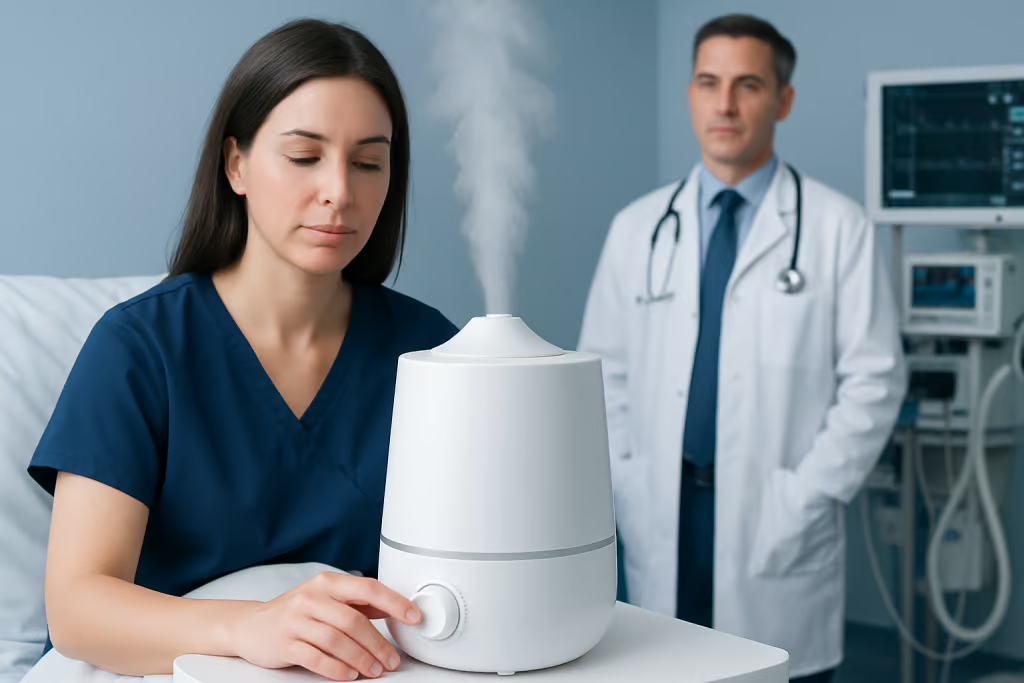
Dry air can affect tissues that normally stay moist, especially the nose, throat, eyes, and skin. Indoor heating systems may lower humidity enough to dry the nasal lining, making congestion feel worse even when mucus is not excessive. Some people also notice nosebleeds, chapped lips, irritated eyes, or tighter-feeling skin.
The upper airway works best when mucus remains thin and the surface lining stays hydrated. When the air is very dry, mucus can become thicker and the throat may feel scratchy. This can make colds, snoring, or nighttime mouth breathing feel more uncomfortable, though increasing humidity does not directly treat the infection or the reason for snoring.
People with sensitive airways may be more affected by indoor conditions. Dryness can sometimes aggravate cough or throat clearing, while excessive humidity may trigger allergy or asthma symptoms. For that reason, adjusting humidity should be done carefully and alongside broader steps such as reducing dust, smoke, and strong odors.
Common DIY Methods and What the Evidence Suggests

People use many homemade approaches to increase moisture in a room. Common examples include placing bowls of water near a heat source, hanging a damp towel to air-dry indoors, taking a warm shower and leaving the bathroom door open briefly, or simmering water on the stove. These methods may raise local humidity for a short time, but the effect is usually modest and not well controlled.
From a medical perspective, the main concerns are not whether the method is clever, but whether it is safe, clean, and appropriate for the person using it. Open containers of water can spill. Simmering water or using boiling kettles can cause burns. Damp fabrics and persistently wet surfaces can support mold if left in place for long periods. These risks are more relevant than many online claims about special ingredients or dramatic health benefits.
Adding substances such as essential oils, menthol products, or herbal mixtures to homemade setups is not routinely recommended. Fragrances and vaporized additives can irritate the nose, throat, or lungs in some people, particularly children and those with asthma. If breathing symptoms are a concern, a doctor may instead evaluate whether supportive care or targeted treatment is needed, such as allergy testing or assessment by a respiratory specialist.
Safety Risks: Mold, Burns, and Breathing Irritation
The most important medical caution with any diy home humidifier is that too much moisture can become harmful. High indoor humidity encourages mold and dust mites, both of which are common triggers for allergy symptoms such as sneezing, runny nose, itchy eyes, cough, and congestion. In people with airway sensitivity, exposure may also worsen wheezing or chest tightness.
Warm-mist and heat-based homemade methods deserve extra caution. Steam and hot water can lead to accidental burns, especially in homes with children. A room does not need visible steam to become more comfortable; in fact, visible condensation on windows or dampness on walls often suggests that the environment is becoming too moist.
Cleanliness matters as well. Water that sits too long can collect microorganisms or become visibly dirty. While homemade methods are usually simpler than machine humidifiers, any standing water source should still be emptied, cleaned, and dried regularly. People with chronic lung disease, reduced immunity, or a history of recurring respiratory irritation should be especially careful about indoor air quality and should seek evaluation if symptoms continue.
- Avoid boiling-water methods around children and pets.
- Do not let towels, carpets, or walls stay damp.
- Stop use if a room smells musty or condensation appears often.
- Avoid adding oils or fragrances if there is asthma, allergy, or airway sensitivity.
How to Use Humidity More Safely at Home
Evidence-based home humidity care focuses on moderation. A simple indoor hygrometer can help show whether the air is very dry or already adequately humid. In general, moderate humidity is more comfortable for most people than either extreme. The goal is to relieve dryness without creating a damp environment.
If someone wants to try a diy home humidifier approach, the safest options are usually low-heat and low-risk methods, such as allowing clean laundry to air-dry indoors occasionally or placing clean water in a stable container away from children, pets, and electronics. Any method should be temporary and should not create persistent moisture on surfaces.
Supportive measures can also help without adding much moisture. Saline nasal spray, adequate fluid intake, gentle skin moisturizers, and avoiding cigarette smoke may reduce dryness-related discomfort. When nasal blockage, facial pressure, or repeated congestion is a concern, the issue may be more than dry air alone and may overlap with sinusitis or allergy-related inflammation.
When Humidity Is Not Enough: Diagnosis and Treatment of Ongoing Symptoms
If symptoms are frequent, severe, or seasonal, it is reasonable to look beyond humidity. A clinician may ask about home heating, pets, mold exposure, smoke, known allergies, work exposures, and whether symptoms happen mainly at night or during infections. Depending on the pattern, the doctor may examine the nose and throat, review the lungs, and consider whether allergy, sinus disease, or asthma is contributing.
Testing is guided by symptoms. Some people benefit from pulmonary function testing if wheezing, cough, or shortness of breath is present. Others may need an ENT assessment for chronic congestion or facial pressure. Treatment may include trigger avoidance, nasal saline, medication prescribed by a doctor, or further respiratory or allergy care rather than changes in room humidity alone.
When symptoms persist despite home measures, professional care can be more useful than repeated experimentation with indoor moisture. In appropriate cases, treatment plans may involve asthma treatment or management of upper-airway conditions. Near the end of the care journey, some international patients choose centers such as Acibadem International, where multidisciplinary specialists in JCI-accredited hospitals diagnose and treat respiratory and related conditions.
When to Seek Medical Care
A person should seek medical advice if dry-air remedies do not help, if symptoms keep returning, or if there are signs that another condition may be present. A diy home humidifier is not the right response to every cough or breathing complaint, and it should not delay assessment when symptoms are concerning.
Medical review is especially important for wheezing, shortness of breath, chest tightness, high fever, repeated nosebleeds, severe sinus pain, ear pain, or symptoms that disturb sleep for a prolonged period. Infants, older adults, pregnant people, and individuals with chronic lung disease or reduced immunity may need earlier evaluation.
It is also wise to seek advice if a home becomes visibly damp, smells moldy, or if symptoms worsen after using a humidifying method. In those situations, indoor air quality itself may be contributing to the problem. A qualified doctor can help determine whether the issue is dryness, allergy, infection, asthma, or another medical cause.
Frequently asked questions
Is a diy home humidifier safe?
It can be safe if it is simple, clean, and does not create excess moisture or burn risk. The safest approach is to use low-risk methods briefly and watch for dampness, mold, or worsening breathing symptoms.
Can a diy home humidifier help with a cough?
It may reduce throat dryness that makes a cough feel more irritating, especially in dry indoor air. However, it does not treat the underlying cause of cough, such as infection, asthma, reflux, or allergy.
What is the biggest risk of homemade humidifier methods?
The main risks are excess humidity, mold growth, standing-water contamination, and burns from steam or hot water. These problems can be more harmful than dry air itself, particularly for people with allergies or asthma.
Are essential oils a good addition to a diy home humidifier?
Not routinely. Fragrances and oils can irritate the airways or trigger symptoms in sensitive people, especially children and those with asthma or allergies.
How can someone tell if indoor air is too humid?
Common clues include condensation on windows, a musty smell, damp walls, or worsening allergy symptoms. A hygrometer can give a more objective reading and help avoid over-humidifying a room.
Should a person use a diy home humidifier for sinus symptoms?
It may offer temporary comfort if the nose feels dry, but it is not a treatment for chronic or painful sinus problems. If congestion, facial pressure, or recurrent symptoms continue, a medical assessment is a better next step.
References
- World Health Organization
- Centers for Disease Control and Prevention
- American Academy of Allergy, Asthma & Immunology
- American Lung Association
This article is for general information only and is not a substitute for professional medical advice. Please consult a qualified doctor about your individual situation.
Explore treatments in Turkey — costs, top hospitals & a free quote
JCI-accredited · board-certified surgeons · reply within 24h
Add us as a Preferred Source to see more of our trusted health content across Google Search, AI Overviews and Discover.

More from the Health Library



Related Specialists

Assoc. Prof. Dr. Özlem Akgün Doğan
Pediatric Genetic Diseases
Prof. Dr. Umut Yavuz
Orthopedic Surgery & Traumatology
Dr. Bedirhan Kahraman
Emergency Service
Fzt. Semih Kızıltan
Physical Medicine & Rehabilitation