Do Dreams Have? A Doctor-Reviewed Answer

Most dreams are a normal part of sleep and do not signal disease. Dream content may reflect recent experiences, emotions, stress, and memory processing.
Key Takeaways
- Most dreams are a normal part of sleep and do not signal disease.
- Dream content may reflect recent experiences, emotions, stress, and memory processing.
- Recurring nightmares, acting out dreams, or sudden changes in dream patterns can sometimes suggest a sleep or mental health issue.
- Doctors assess dream-related concerns by reviewing sleep habits, medications, stress, mental health, and neurologic symptoms.
- Medical care is recommended if dreams cause injury, severe distress, daytime sleepiness, or major sleep disruption.
Do dreams have meaning? Often, yes—but usually in an everyday medical sense rather than a mystical one. Dreams commonly reflect normal brain activity, emotions, stress, memory processing, and sleep patterns, while certain sudden or disturbing changes in dreaming can point to a sleep or mental health concern worth discussing with a doctor.
Overview: Do Dreams Have Meaning?
In most cases, dreams do have meaning in a broad, human sense—but not necessarily a fixed symbolic meaning that can be translated the same way for everyone. From a medical perspective, dreams are usually a normal product of the sleeping brain. They can reflect recent memories, emotions, worries, sensory experiences, and the brain’s ongoing work of organizing information during sleep.
That means a dream about being late, falling, or seeing someone familiar does not automatically predict the future or reveal a hidden diagnosis. More often, it mirrors stress, change, fear, hope, or ordinary memory fragments. The same dream image can mean different things to different people depending on their life experiences, sleep quality, and emotional state.
Most dream changes are harmless. However, a doctor may want to evaluate dreams that become very frequent, violent, highly distressing, or closely linked with sleep disruption, injury, daytime fatigue, anxiety, depression, trauma symptoms, or unusual nighttime behaviors. In those situations, the issue is usually not the dream’s “symbol” but what the dream pattern may say about sleep and health.
What Science Says About Why People Dream
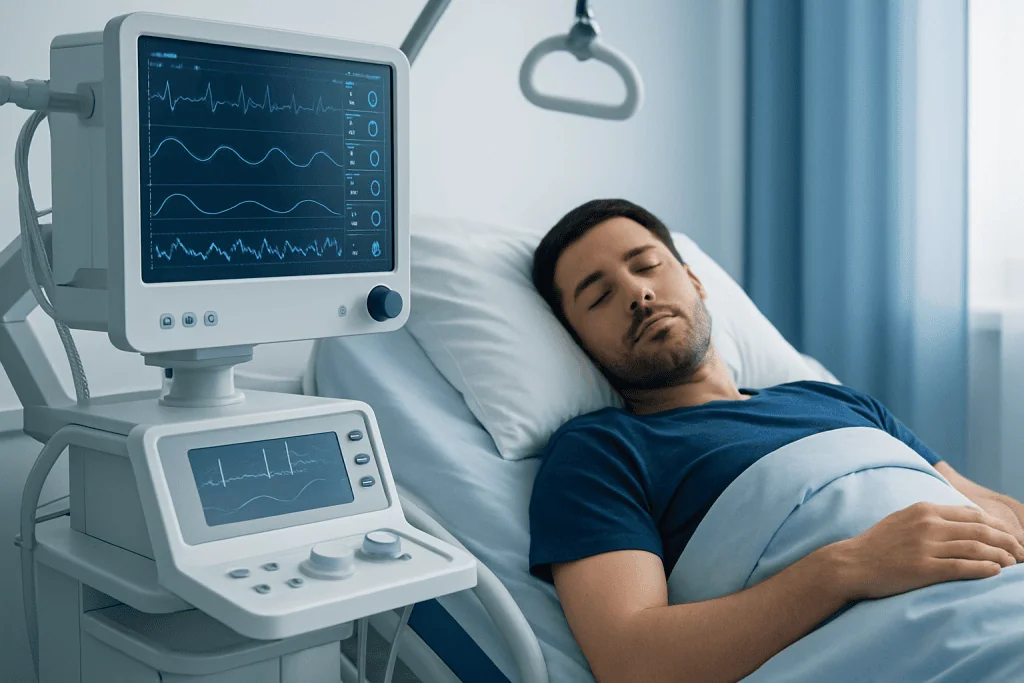
Researchers still do not have one single explanation for dreaming, but several evidence-based ideas are widely accepted. Dreams occur most vividly during rapid eye movement (REM) sleep, although they can happen in other sleep stages as well. During sleep, the brain remains active, and this activity appears to support memory processing, emotional regulation, learning, and integration of daily experiences.
One theory is that dreams help the brain sort and store information. Another is that dreaming allows the brain to process emotions in a lower-stakes setting while the body is resting. This may explain why dreams often combine ordinary details with strong feelings such as fear, relief, embarrassment, or joy.
Dreams can also be shaped by stress, poor sleep, illness, medications, alcohol, sleep deprivation, and mental health conditions. In other words, dreams are not random in the sense of being meaningless, but they also are not a precise codebook. They are better understood as a blend of brain activity, memory, emotion, and sleep biology.
Common Types of Dreams and What They May Reflect

Many people notice repeating dream themes. These can include being chased, falling, losing teeth, missing an exam, arriving unprepared, or seeing loved ones. These themes are common partly because they connect with universal emotions such as vulnerability, pressure, uncertainty, grief, or loss of control. Still, their meaning remains personal rather than universal.
Nightmares are dreams that cause fear and wake a person from sleep. They are common during periods of stress, fever, irregular sleep, trauma, or certain medications. A nightmare every so often is usually not a medical problem. Recurrent nightmares, especially if they disrupt rest or relate to trauma, deserve attention.
Some people experience vivid dreams after changes in sleep routine, during pregnancy, after stopping alcohol or substances, or when starting or stopping certain medicines. Others may have lucid dreams, in which they become aware they are dreaming. These experiences can be normal if they are not distressing.
- Occasional vivid dreams: often linked to stress, sleep changes, fever, or medications.
- Recurring dreams: may reflect unresolved stress, repeated worries, or trauma-related themes.
- Nightmares: common and often harmless, but important if frequent or disabling.
- Dream enactment: moving, shouting, punching, or falling out of bed during dreams is not considered typical and should be assessed.
When Dreams Can Point to a Health Issue
Although most dreams are harmless, certain patterns can be associated with treatable medical or psychological conditions. Frequent nightmares may occur with anxiety disorders, depression, post-traumatic stress disorder, sleep deprivation, and some medications. Distressing dreams can also become more common when a person has irregular sleep, untreated sleep apnea, or significant life stress.
Another important warning sign is acting out dreams. If a person talks, yells, kicks, punches, or falls from bed while dreaming, a doctor may consider a sleep movement disorder such as REM sleep behavior disorder. This is different from ordinary dreaming because the body normally remains largely still during REM sleep. Dream enactment raises concerns mainly because it can lead to injury and may sometimes be linked with neurologic conditions.
Dream changes may also occur alongside insomnia, excessive daytime sleepiness, panic symptoms, trauma-related symptoms, or mood changes. In some cases, vivid or fragmented dreaming happens because sleep is repeatedly interrupted, including by breathing problems during the night. A specialist may evaluate whether sleep apnea or another sleep disorder is contributing if there is loud snoring, witnessed pauses in breathing, morning headaches, or strong daytime fatigue.
How Doctors Evaluate Troubling Dreams
If someone seeks medical advice about dreams, the evaluation usually begins with a careful history rather than a symbolic interpretation. A doctor will ask what the dreams are like, how often they happen, whether they wake the person up, and whether they lead to fear, injury, or poor sleep. The timing matters too: a sudden change after years of normal sleep may suggest a different cause than lifelong occasional nightmares.
Doctors also review sleep habits, stress levels, mental health symptoms, substance use, and medications. Some antidepressants, blood pressure medicines, sleep aids, and other drugs can affect dreaming. Questions about snoring, leg movements, nighttime confusion, acting out behaviors, and daytime sleepiness help identify possible sleep disorders.
Depending on the symptoms, the next step may include a sleep diary, screening for anxiety, depression, or trauma, and sometimes an overnight sleep study. If there are concerning nighttime behaviors, a specialist may recommend an overnight sleep study to observe breathing, sleep stages, body movements, and dream-related behaviors. When mental health symptoms are central, treatment may focus on psychological support as much as sleep care.
Treatment and Support for Dream-Related Problems
Treatment depends on the cause. If dreams are simply vivid but not disturbing, no medical treatment may be needed. Reassurance, stress reduction, and better sleep habits are often enough. When nightmares or vivid dreams are linked to poor sleep, anxiety, trauma, depression, medications, or substance use, treating the underlying issue is usually the most effective approach.
For trauma-related or recurring nightmares, clinicians may recommend structured therapies that help reduce distress and improve sleep. If a medicine seems to be contributing, a doctor may review whether changing the timing or type of medication is appropriate. If a sleep disorder is identified, targeted treatment can improve both sleep quality and dream-related symptoms.
Supportive options may include sleep medicine evaluation, mental health care, and condition-specific treatment. For example, if breathing interruptions are disturbing sleep architecture, a person may benefit from assessment and treatment for sleep apnea treatment. If nighttime behaviors suggest a complex sleep disorder, referral to a neurology or sleep specialist may be appropriate. Acibadem International’s multidisciplinary specialists and JCI-accredited hospitals diagnose and treat sleep and neurologic conditions for international patients when further evaluation is needed.
Self-Care and When to Seek Medical Care
For many people, practical self-care can reduce upsetting dreams. Keeping a regular sleep schedule, limiting alcohol close to bedtime, avoiding sleep deprivation, and managing daily stress may help. It can also be useful to note whether dreams worsen after illness, travel, new medications, or emotionally intense periods. A brief dream or sleep journal may reveal patterns that are easy to miss.
It is reasonable to seek medical advice if dreams or nightmares happen often, cause fear of sleep, wake a person repeatedly, or leave them very tired during the day. Medical review is also important if someone acts out dreams, injures themselves or a bed partner, has new confusion at night, develops loud snoring or breathing pauses, or notices dream changes along with anxiety, depression, panic, memory changes, or trauma symptoms.
Emergency care is not usually needed for dream concerns alone, but urgent assessment may be appropriate after significant injury during sleep, severe mental distress, or thoughts of self-harm. In general, the goal is not to decode every dream but to recognize when sleep patterns suggest a treatable health issue.
Frequently asked questions
Do dreams have meaning in a medical sense?
Usually, yes—but not in a fixed dictionary-like way. Medically, dreams often reflect normal brain activity, memory processing, emotions, stress, and sleep quality rather than hidden predictions or one universal symbolic message.
Can stress and anxiety affect dreams?
Yes. Stress and anxiety can make dreams more vivid, emotional, or repetitive, and they can increase the likelihood of nightmares. Improving sleep habits and addressing stress often helps reduce these changes.
Are nightmares always a sign of a health problem?
No. Occasional nightmares are common and usually harmless, especially during stressful periods, illness, fever, or disrupted sleep. They become more concerning when they are frequent, cause significant distress, or interfere with daytime functioning.
What does it mean if someone acts out their dreams?
Dream enactment is not considered typical and should be discussed with a doctor. Shouting, kicking, punching, or falling from bed during sleep can suggest a sleep behavior disorder that may need specialist evaluation.
Can medications cause vivid dreams?
Yes. Some medications can affect sleep stages and make dreams more vivid or unusual. A person should not stop prescribed medication on their own, but they can ask a doctor or pharmacist whether a medicine might be contributing.
When should someone see a doctor about dreams?
A doctor visit is a good idea if dreams are frequent, highly distressing, or cause insomnia, daytime exhaustion, or fear of sleeping. Medical review is also important if there are injuries during sleep, breathing problems, or symptoms of anxiety, depression, or trauma.
References
- American Academy of Sleep Medicine
- National Institute of Mental Health
- National Institute of Neurological Disorders and Stroke
- Mayo Clinic
- Cleveland Clinic
This article is for general information only and is not a substitute for professional medical advice. Please consult a qualified doctor about your individual situation.
Explore treatments in Turkey — costs, top hospitals & a free quote
JCI-accredited · board-certified surgeons · reply within 24h
Add us as a Preferred Source to see more of our trusted health content across Google Search, AI Overviews and Discover.

More from the Health Library



Related Specialists

Prof. Dr. Halil Koyuncu
Physical Medicine & Rehabilitation
Assoc. Prof. Dr. Aylin Önder Dirican
Gynecology & Obstetrics
Dr. Adem Savur
Radiology
Dr. Hasan İnsel
Internal Medicine