Do Microwaves Cause Cancer? Here Is What the Evidence Says

Microwave ovens use non-ionizing radiation, which does not damage DNA the way ionizing radiation can. Current evidence does not show that properly working microwave ovens cause cancer.
Key Takeaways
- Microwave ovens use non-ionizing radiation, which does not damage DNA the way ionizing radiation can.
- Current evidence does not show that properly working microwave ovens cause cancer.
- The main real-world risks from microwaves are burns, scalds, and injury from superheated liquids or damaged appliances.
- If a microwave is damaged, does not close properly, or sparks, it should be stopped and checked or replaced.
- Medical evaluation is more relevant for unexplained symptoms than for microwave exposure itself.
No, microwave ovens are not known to cause cancer when they are used as intended and are in good working condition. Concerns usually relate to radiation and overheating injuries, but the evidence does not show that microwave cooking itself causes cancer.
Overview: what the evidence says
For most people, microwave use is harmless. The short answer to the common question “do microwaves cause cancer” is no: there is no good evidence that household microwave ovens cause cancer when they are used correctly and the appliance is in good condition.
Microwave ovens heat food using non-ionizing radiation. This matters because non-ionizing radiation does not have enough energy to break chemical bonds in DNA in the way that ionizing radiation, such as X-rays or gamma rays, can. Cancer risk from radiation is mainly linked to ionizing radiation, not the type used by microwave ovens.
That said, people sometimes notice symptoms after using a microwave and worry about hidden harm. In most cases, symptoms such as skin warmth, discomfort from hot food, or a minor burn are related to heat rather than radiation injury. If there are persistent or unexplained symptoms, a doctor looks for more likely causes rather than assuming the microwave is responsible.
Why microwave ovens are not considered a cancer cause
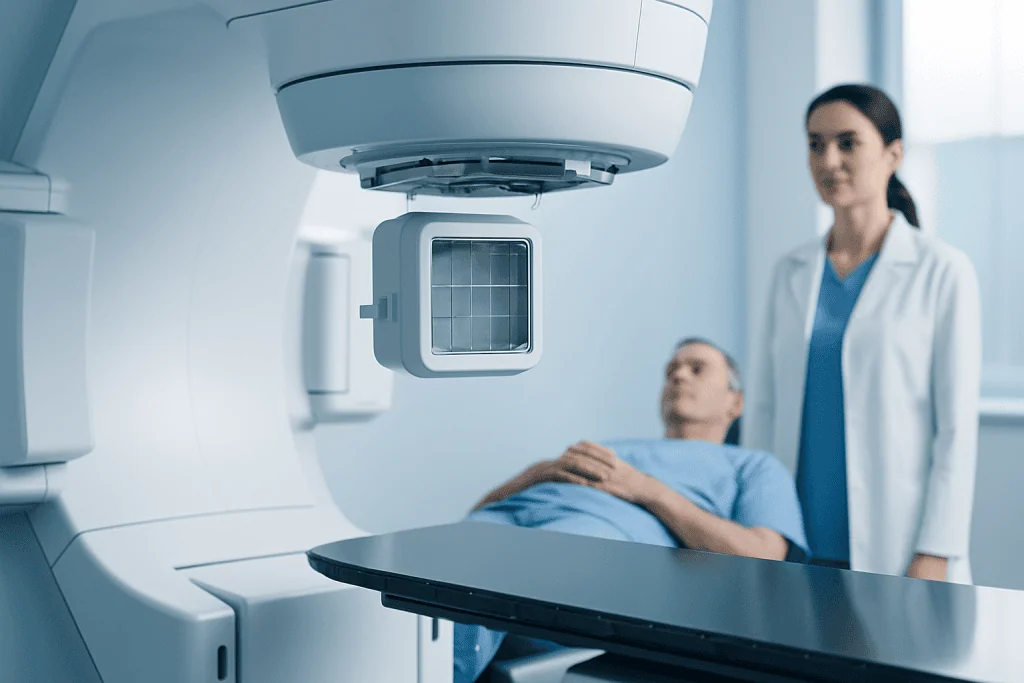
Microwaves belong to the electromagnetic spectrum, but not all electromagnetic energy affects the body in the same way. Microwave ovens produce radiofrequency waves that make water molecules in food move and generate heat. This is a thermal effect, meaning it heats tissue or food, rather than changing DNA directly.
By contrast, cancer-causing radiation concerns involve ionizing radiation, which can remove electrons from atoms and damage genetic material. Microwave energy does not have that ability. This is the central scientific reason why experts do not classify normal microwave oven use as a proven cause of cancer.
Microwave ovens are also designed with metal shielding and door seals that limit leakage. Small amounts of leakage may be measurable very close to an appliance, but safety standards are set well below levels known to cause tissue heating. A properly functioning microwave should not expose a person to harmful amounts of microwave energy during normal use.
Importantly, cooking food in a microwave does not make the food radioactive. It simply heats the food. In this respect, microwave cooking is different in method but not automatically more dangerous than baking, steaming, or stovetop heating.
Common concerns people have about microwaves

Many fears about microwave cancer risk come from understandable confusion about the word “radiation.” In everyday language, radiation can sound dangerous, but medically it is a broad term. Sunlight, radio waves, and X-rays are all forms of radiation, yet they have very different properties and health effects.
Another common concern is that microwave heating “destroys” food and creates cancer-causing substances. In reality, all cooking changes food chemistry to some degree. Some cooking methods, especially very high-temperature charring or smoking, may produce compounds linked to health concerns. Microwave cooking often uses shorter cooking times and less added fat, and it is not uniquely associated with cancer formation.
People also worry about plastics. The more relevant concern here is not microwave radiation itself but whether a container is suitable for microwave heating. Some containers may warp or allow chemicals to migrate into food when heated. Using microwave-safe glass, ceramic, or labeled microwave-safe containers is a sensible precaution.
- Do not run a microwave with a damaged door or latch.
- Do not heat food in containers not labeled microwave-safe.
- Be careful with tightly sealed containers, which can build pressure.
- Stir and rest food after heating to reduce uneven hot spots.
Real health risks linked to microwave use
The main health risks from microwave ovens are ordinary but important: burns, scalds, and eye or skin injury from excessive heat exposure. Superheated liquids are a classic example. Water can sometimes be heated above its usual boiling point without visibly bubbling, then suddenly erupt when moved or stirred, causing burns.
Hot containers, steam released from covered dishes, and unevenly heated food can also cause injury. Children may be at higher risk because they may pull hot containers, spill liquids, or not recognize how hot food has become. These are safety issues, but they are not evidence of cancer risk.
Very high microwave exposure from a severely damaged industrial source could, in theory, heat tissue and cause injury. However, this is different from routine use of a household microwave oven. For the average person at home, concern about cancer from microwave exposure is much less relevant than attention to burn prevention and appliance condition.
If someone has ongoing symptoms such as a lump, unexplained weight loss, abnormal bleeding, or persistent pain, a microwave is very unlikely to be the reason. Those symptoms deserve proper medical evaluation for other conditions, including cancer or non-cancerous causes.
What doctors look for if someone is worried
If a person seeks medical advice because they are worried that microwave exposure caused harm, the first step is usually a detailed history. A doctor asks what happened, whether the appliance was damaged, whether there was direct heat or steam exposure, what symptoms appeared, and whether there are any lasting problems.
In many cases, if the concern follows a brief home exposure and there are no signs of burns or eye injury, no special tests are needed. The doctor may explain how microwave ovens work and why they are not known to cause cancer. Reassurance can be an important part of care when understandable fears stem from misinformation.
If there are actual symptoms, testing depends on the symptoms rather than on the microwave. For example, a burn may need skin assessment and wound care. Eye pain or vision changes may need an eye examination. Persistent unexplained symptoms may lead to blood tests, imaging, or referral to the appropriate specialty. If a clinician is evaluating a suspicious mass, imaging such as MRI or CT scan may be used based on the body area and the person’s history.
When there is concern about changes in the digestive tract or unexplained symptoms after eating, a doctor may consider conditions unrelated to microwave use and, if needed, evaluate them with tests such as endoscopy. The key point is that diagnosis focuses on the person’s actual symptoms, not on a presumed microwave-cancer link.
How to use a microwave safely
Safe microwave use is mostly about preventing burns and making sure the appliance works properly. The door should close firmly, the seal should be intact, and the appliance should not spark, smell unusual, or operate with obvious damage. If it does, it should not be used until it is repaired or replaced.
Choosing the right container is also important. Glass and ceramic are often good options if they are labeled microwave-safe. Some plastics are designed for microwave use, while others are not. Metal should not be used unless the manufacturer specifically allows it, because it can spark or damage the appliance.
Food safety matters too. Microwaves can heat unevenly, which means parts of a meal may stay cooler than others. Stirring food, rotating dishes if the turntable does not, and allowing standing time after heating can improve temperature distribution and reduce the risk of underheated food.
- Follow the manufacturer’s instructions for use and cleaning.
- Use microwave-safe containers and vent covers carefully.
- Let heated liquids stand briefly before removing them.
- Open lids away from the face to avoid steam burns.
- Keep children supervised around hot food and beverages.
When to seek medical care
Most worries about microwave exposure do not require urgent medical care, especially when there are no symptoms and the appliance appears normal. However, medical review is appropriate if someone develops a significant burn, eye pain, vision changes, severe skin pain, or symptoms after an electrical or appliance accident.
A person should also seek medical advice for symptoms that could point to another health problem and should not be dismissed as “just the microwave.” These include a new or growing lump, unexplained weight loss, persistent difficulty swallowing, ongoing abdominal pain, abnormal bleeding, a cough that does not improve, or lasting changes in bowel habits. Depending on the concern, doctors may evaluate for problems such as stomach cancer or other digestive, respiratory, or skin conditions.
If cancer-related concerns remain despite reassurance, speaking with a qualified physician can help put the risk in context and direct any necessary testing. Acibadem International’s multidisciplinary specialists in JCI-accredited hospitals diagnose and treat patients with a wide range of symptoms and conditions, including those that require advanced imaging, endoscopy, or oncology assessment.
Frequently asked questions
Do microwaves cause cancer?
Current evidence does not show that household microwave ovens cause cancer when they are used properly and are in good working condition. They use non-ionizing radiation, which does not have enough energy to damage DNA the way ionizing radiation can.
Is microwave radiation the same as X-ray radiation?
No. X-rays are a form of ionizing radiation, which can damage DNA at high enough exposure levels. Microwaves are non-ionizing radiation and mainly produce heat rather than direct genetic damage.
Can food cooked in a microwave become radioactive?
No. Microwave cooking does not make food radioactive. It heats food by causing water molecules to move, which generates heat inside the food.
Is microwave leakage dangerous?
A properly functioning microwave is designed to keep leakage well below safety limits. If the door is damaged, the seal is broken, or the appliance does not close properly, it should not be used until it is checked or replaced.
Are microwave-safe plastics important?
Yes. The main concern is not cancer from microwave radiation, but whether a container is meant to be heated. Using containers labeled microwave-safe helps reduce the chance of melting, warping, or chemical migration into food.
What symptoms after using a microwave should be checked by a doctor?
A doctor should assess significant burns, eye pain, vision changes, or injuries related to steam, hot liquids, or an electrical accident. Separate from microwave use, any persistent or unexplained symptom such as a lump, bleeding, or weight loss also deserves medical evaluation.
References
- World Health Organization
- U.S. Food and Drug Administration
- American Cancer Society
- National Cancer Institute
- International Commission on Non-Ionizing Radiation Protection
This article is for general information only and is not a substitute for professional medical advice. Please consult a qualified doctor about your individual situation.
Oncology care in Turkey — second opinion and treatment plan
JCI-accredited · board-certified surgeons · reply within 24h
Add us as a Preferred Source to see more of our trusted health content across Google Search, AI Overviews and Discover.