Do Whitening Strips Work? Causes, Explanations, and Next Steps

Whitening strips can improve many external stains, especially those linked to food, drinks, smoking, and normal aging. They do not work equally well for every type of discoloration, and they may have limited effect on deeper or internal stains.
Key Takeaways
- Whitening strips can improve many external stains, especially those linked to food, drinks, smoking, and normal aging.
- They do not work equally well for every type of discoloration, and they may have limited effect on deeper or internal stains.
- Temporary tooth sensitivity and mild gum irritation are the most common side effects.
- Red flags such as pain, swelling, bleeding gums, broken teeth, or patchy discoloration should be checked by a dentist before whitening.
- A dental exam can identify whether staining is cosmetic or related to decay, gum disease, enamel wear, or other oral health problems.
Yes, whitening strips often work for mild to moderate surface staining and can make teeth look brighter for many people. They are usually harmless when used as directed, but they do not treat the underlying causes of discoloration and may not be suitable if there is tooth sensitivity, gum irritation, cavities, or uneven staining.
Overview: Do whitening strips work?
For many people, the short answer is yes: whitening strips can work, especially for mild to moderate staining on the outer surface of the teeth. They usually contain a peroxide-based whitening ingredient that helps break down stain molecules, making teeth appear lighter over time. Results are often gradual rather than immediate, and they tend to be most noticeable when discoloration is caused by coffee, tea, red wine, tobacco, or normal age-related yellowing.
In most cases, trying whitening strips is not harmful when they are used exactly as directed. However, they are not a cure for every kind of tooth discoloration. If the color change is caused by tooth decay, a damaged filling, thinning enamel, trauma, certain medications, or gum disease, whitening strips may have little effect or may make symptoms such as sensitivity more noticeable.
A useful way to think about whitening strips is that they are a cosmetic option, not a diagnostic tool. If teeth look dull or stained but otherwise feel healthy, whitening strips may be reasonable to discuss with a dental professional. If discoloration comes with pain, swelling, bleeding gums, bad breath, or one tooth that has become much darker than the others, a dentist should evaluate the cause before any whitening treatment starts.
How whitening strips work and what results to expect
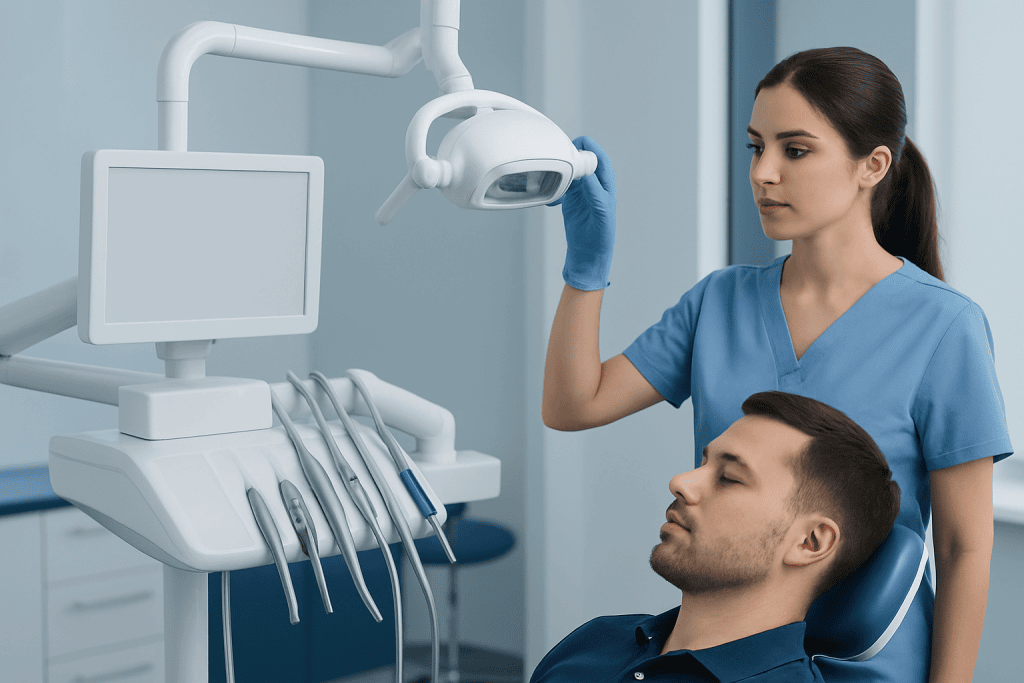
Whitening strips are thin flexible strips coated with a bleaching gel. The active ingredient is commonly hydrogen peroxide or carbamide peroxide. When the strip sits against the teeth, the whitening agent penetrates the enamel surface and helps break apart pigments that cause staining. This process can make the teeth look brighter over days to weeks, depending on the product and the starting shade of the teeth.
Results vary from person to person. Teeth that are yellow from surface staining often respond better than teeth with gray, brown, or patchy discoloration. Existing crowns, veneers, bonding, and fillings usually do not whiten, so the final color may look uneven if dental restorations are visible in the smile.
It is also important to set realistic expectations. Whitening strips can brighten teeth, but they usually do not create a dramatic change in every case. The effect is often temporary, and staining can gradually return, especially if a person continues habits such as smoking or frequent consumption of staining foods and drinks.
- They often help with external stains on natural teeth.
- They are less effective for internal discoloration.
- They do not change the color of crowns, veneers, or fillings.
- Results are usually gradual and need maintenance over time.
Why teeth become discolored
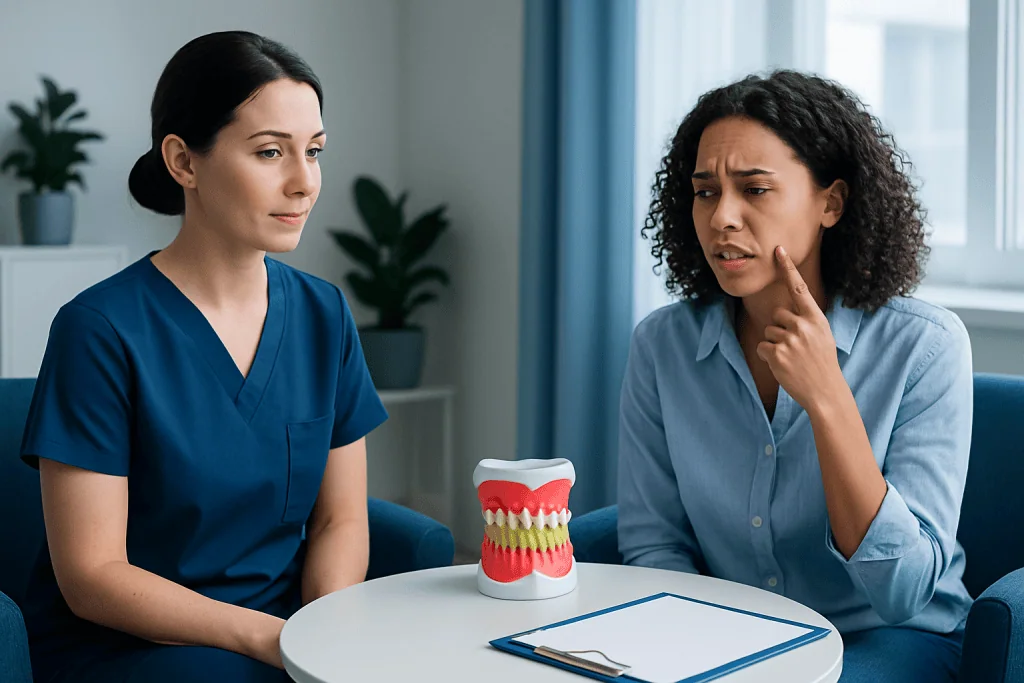
To understand whether whitening strips are likely to work, it helps to know why teeth change color. Some discoloration is external, meaning it affects the outer enamel surface. This is commonly linked to coffee, tea, tobacco, red wine, some strongly pigmented foods, and plaque buildup. These are the stains most likely to improve with whitening strips.
Other discoloration is internal, meaning it develops from within the tooth. This can happen after dental trauma, certain childhood antibiotic exposures, enamel development problems, nerve damage, or changes inside the tooth over time. Internal stains often need a dentist’s assessment because ordinary strips may not work well.
Age also plays a role. As people get older, enamel naturally becomes thinner and the yellowish dentin underneath becomes more visible. In some cases, this can still respond somewhat to whitening, but the degree of improvement may be limited. Uneven spots, chalky white marks, or discoloration near the gumline can also suggest enamel changes or plaque-related problems rather than simple staining.
If discoloration is accompanied by gum bleeding, persistent bad breath, or loose teeth, a dentist may look for gum disease or other oral health conditions before advising cosmetic whitening.
Who may not be a good candidate for whitening strips
Whitening strips are not ideal for everyone. People with untreated cavities, cracked teeth, worn enamel, exposed tooth roots, active gum irritation, or significant tooth sensitivity may find whitening uncomfortable or inappropriate until the underlying issue is treated. In these situations, applying peroxide to the teeth can lead to more sensitivity or gum discomfort.
Children and teenagers may need individualized guidance because their teeth and oral tissues are still developing. Pregnant or breastfeeding people often choose to postpone cosmetic whitening until after discussing it with a clinician, even though this is a precautionary decision rather than proof of harm. Anyone with a history of strong reactions to oral care products should also be cautious.
Patients with uneven dental work should know that whitening strips only affect natural tooth structure. If a person has visible fillings, crowns, bridges, or veneers, those materials may remain the same shade while the surrounding teeth brighten. In these cases, a dentist can help determine whether options such as dental veneers or smile design are more suitable for cosmetic goals.
Side effects, risks, and red flags
The most common side effects of whitening strips are temporary tooth sensitivity and mild irritation of the gums or lips if the gel touches soft tissue. Sensitivity may feel like a brief sharp response to cold air, cold drinks, or sweet foods. This is usually short-lived and improves after stopping or spacing out treatments.
Most mild side effects are not dangerous, but red flags should not be ignored. Pain that is severe, persistent, or focused in one tooth is not typical cosmetic sensitivity and may point to decay, a crack, nerve irritation, or another dental problem. Bleeding gums, swelling, pus, fever, a bad taste in the mouth, or an ulcer that does not heal also warrant professional assessment.
It is also wise to stop whitening and seek advice if teeth become blotchy, translucent, or unusually sensitive, or if the gums look white and irritated after treatment. Some people assume all whitening discomfort is normal, but symptoms that worsen or continue after the product is stopped should be checked. A dentist may assess for dental caries or enamel wear before recommending the next step.
How a dentist evaluates tooth discoloration
If a person is unsure why their teeth look darker or more yellow, a dental evaluation can be helpful before trying cosmetic treatment. The assessment usually starts with a history of when the discoloration began, whether it affects one tooth or several, whether there is sensitivity or pain, and whether the person has habits such as smoking or frequent intake of staining drinks.
The dentist then examines the teeth, gums, and existing dental work. They may look for plaque buildup, tartar, cavities, old fillings, gum recession, enamel thinning, cracks, or signs of infection. In some cases, dental X-rays are used to look for problems beneath the surface, such as decay between teeth, changes around the tooth root, or injury-related changes inside a tooth.
This step matters because treatment depends on the cause. If the issue is mainly external staining, whitening strips or professional whitening may be reasonable. If the problem is decay, a leaking restoration, gum disease, or damage inside the tooth, those conditions need to be addressed first. When more intensive cosmetic improvement is needed, a dentist may discuss options such as professional teeth whitening after making sure the mouth is healthy.
Safer use, self-care, and alternatives
When whitening strips are used, following the instructions closely is important. Using them more often, leaving them on longer, or combining multiple whitening products at the same time does not necessarily improve results and may increase sensitivity or gum irritation. It can also help to brush gently with a soft toothbrush and avoid very hot or cold foods if the teeth feel sensitive during treatment.
Good daily oral care supports both appearance and dental health. Brushing twice a day with fluoride toothpaste, cleaning between the teeth, and having regular dental checkups can reduce plaque buildup and help prevent staining from becoming more noticeable. Rinsing with water after coffee, tea, or red wine may also help limit new surface stains.
For some people, the best next step is not strips but a professional cleaning. Teeth can look brighter after tartar and surface stain are removed, even without bleaching. If strips are not effective, a dentist may suggest supervised whitening, bonding, veneers, or treatment of the underlying condition. Near the end of the care journey, patients seeking cross-border care may wish to know that Acibadem International’s multidisciplinary specialists and JCI-accredited hospitals diagnose and treat dental concerns for international patients.
When to seek medical care
In many cases, tooth staining is mainly a cosmetic concern and can be discussed at a routine dental visit. Still, medical or dental care should be sought sooner if discoloration is new, affects only one tooth, or comes with pain, facial swelling, bleeding gums, a broken tooth, pus, fever, or difficulty chewing. These features can point to a condition that needs treatment rather than whitening.
Prompt review is also sensible if a person has severe sensitivity after whitening, ulcers or burns in the mouth, or discoloration following an injury. A darker tooth after trauma may reflect internal damage that should be examined. Children, people with extensive dental work, and anyone with ongoing oral symptoms should get personalized advice before using over-the-counter whitening products.
Reassuringly, many causes of discoloration are manageable once identified. The key is to avoid masking a dental problem with cosmetic products. A qualified dentist can explain whether whitening strips are likely to help, whether treatment should be delayed, and what the safest and most effective next step may be.
Frequently asked questions
Do whitening strips work on yellow teeth?
They often work best on yellow teeth caused by surface stains or normal aging. If the yellow color comes from deeper changes inside the tooth or from thinning enamel, the improvement may be more limited.
How long does it take to see results from whitening strips?
Many people notice a gradual change over several days to a few weeks, depending on the product and the starting tooth shade. Results are usually not instant, and the final effect varies from person to person.
Why do my teeth hurt after using whitening strips?
Mild temporary sensitivity is a common side effect because the whitening ingredient can irritate the tooth temporarily. If pain is strong, lasts beyond the treatment period, or affects one tooth more than the others, a dentist should check for an underlying problem.
Can whitening strips damage enamel?
When used as directed, whitening strips are generally considered safe for many adults. Problems are more likely if they are overused, used too often, or applied when there are untreated dental issues such as cavities, cracks, or exposed roots.
Do whitening strips work on crowns, fillings, or veneers?
No, they usually do not change the color of crowns, fillings, bonding, or veneers. This can make the smile look uneven if natural teeth lighten but dental restorations stay the same shade.
Should someone whiten teeth before seeing a dentist?
If the only concern is mild, even staining and there are no symptoms, some people try over-the-counter products first. However, if there is pain, gum bleeding, a damaged tooth, patchy discoloration, or one dark tooth, a dental exam is the safer first step.
References
- American Dental Association
- National Institute of Dental and Craniofacial Research
- Mayo Clinic
- Cleveland Clinic
This article is for general information only and is not a substitute for professional medical advice. Please consult a qualified doctor about your individual situation.
Explore treatments in Turkey — costs, top hospitals & a free quote
JCI-accredited · board-certified surgeons · reply within 24h
Add us as a Preferred Source to see more of our trusted health content across Google Search, AI Overviews and Discover.