Do You Need a Neuropsychological Assessment for ADHD or Autism?

A neuropsychological assessment does more than label symptoms; it builds a detailed picture of strengths and challenges. It may be helpful when ADHD or autism is suspected, especially if school, work, behavior, or relationships are affected.
Key Takeaways
- A neuropsychological assessment does more than label symptoms; it builds a detailed picture of strengths and challenges.
- It may be helpful when ADHD or autism is suspected, especially if school, work, behavior, or relationships are affected.
- Testing can help distinguish ADHD or autism from learning disorders, anxiety, depression, sleep problems, or other conditions.
- The process usually includes interviews, rating scales, and standardized tasks rather than a single test.
- Results can guide treatment, school accommodations, therapy, and practical support at home or work.
A neuropsychological assessment can help explain whether symptoms are related to ADHD, autism, learning differences, anxiety, or another condition. It looks at how a person thinks, learns, pays attention, communicates, and manages daily tasks so care can be tailored to real needs.
Overview: What a Neuropsychological Assessment Is
A neuropsychological assessment is a structured evaluation of how the brain supports everyday skills such as attention, memory, language, planning, learning, problem-solving, and social understanding. When ADHD or autism is being considered, this type of assessment helps clinicians look beyond a checklist of symptoms and understand how a person functions in real life.
It is not a brain scan and it is not simply an intelligence test. Instead, it combines clinical interviews, questionnaires, developmental history, and standardized tasks that measure different thinking and behavior patterns. These findings are interpreted together rather than in isolation.
For some people, the goal is diagnosis. For others, the goal is clarity. A child may be struggling in school, an adult may have lifelong difficulties with organization or sensory overload, or a family may want to understand why social communication feels unusually effortful. In these situations, a neuropsychological assessment for ADHD or autism can help explain what is happening and what kind of support may be most useful.
Who May Benefit From an Assessment
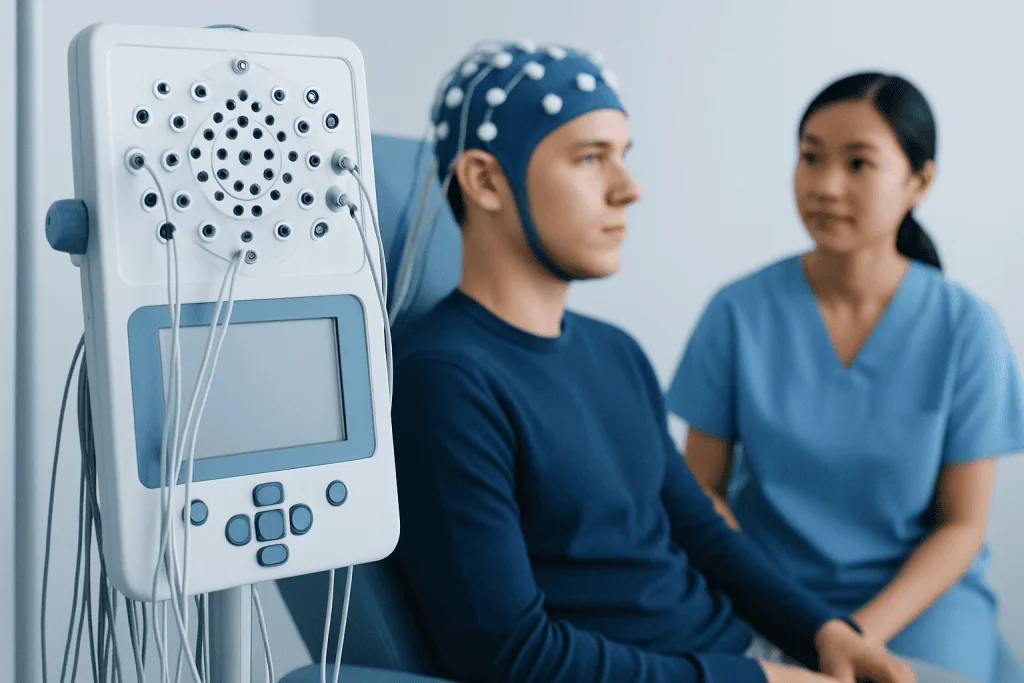
An assessment may be helpful for children, teenagers, or adults who have ongoing concerns with focus, impulsivity, hyperactivity, social interaction, communication, routines, emotional regulation, or sensory sensitivity. It can also be useful when a person is bright and capable but still finds school, work, or relationships harder than expected.
Families and clinicians often consider testing when symptoms overlap or are difficult to interpret. For example, trouble paying attention may come from ADHD, anxiety, poor sleep, learning difficulties, or a combination of factors. Social withdrawal may reflect autism, social anxiety, depression, or past stress. A careful evaluation helps separate these possibilities.
Common reasons to seek an assessment include:
- Persistent inattention, disorganization, forgetfulness, or impulsive behavior
- Difficulty understanding social cues, maintaining conversation, or managing change in routine
- Academic underperformance despite effort
- Behavioral or emotional challenges at home, school, or work
- Questions about coexisting conditions such as ADHD or autism spectrum disorder
- Need for school accommodations, workplace support, or treatment planning
Signs That May Point to ADHD or Autism

ADHD often involves patterns of inattention, hyperactivity, and impulsivity that interfere with daily life. A person may struggle to stay focused, finish tasks, manage time, follow multistep instructions, or control impulses. Some people seem constantly restless, while others appear mainly distracted or mentally scattered.
Autism may involve differences in social communication, sensory processing, flexibility, and patterns of interests or behavior. A person may find eye contact uncomfortable, miss implied meanings, prefer routines, focus intensely on specific interests, or become overwhelmed by noise, textures, or crowded environments. Autism presents differently from one person to another, and not everyone shows the same traits.
There can also be overlap. Some people have both conditions, and many symptoms can look similar on the surface, especially in girls, women, and people who have learned to mask their difficulties. Because of this, diagnosis should not rely on one behavior alone. A full assessment helps place symptoms in context, including age, development, learning profile, and emotional wellbeing.
What Happens During the Assessment
The process usually begins with a detailed interview. The clinician asks about current concerns, medical history, development, education, family history, and daily functioning. For children, parents or caregivers are important sources of information, and teachers may also complete rating forms. For adults, input from a partner or family member can sometimes help, especially when symptoms have been present for many years.
Standardized testing is then selected based on the referral question. Tasks may assess attention, executive function, memory, language, visual-spatial skills, processing speed, academic skills, and social understanding. Rating scales for ADHD, autism, mood, behavior, and adaptive functioning are often included. In some cases, direct autism-specific observational tools may be used as part of a broader evaluation.
The assessment may take place over one or more sessions, depending on age and complexity. Testing is designed to be structured and supportive, with breaks as needed. The final report brings together all the information and explains what the pattern of results means, including whether symptoms are most consistent with ADHD, autism, another condition, or a combination.
When clinically appropriate, the evaluation may be part of a broader neurological or developmental workup that includes specialist consultation and other tests. Some patients may also need related services such as neurology consultation or brain MRI if there are additional neurological concerns, although these are not routine tests for diagnosing ADHD or autism.
How It Helps With Diagnosis
One of the main benefits of neuropsychological testing is differential diagnosis. This means identifying whether symptoms fit ADHD, autism, a learning disorder, anxiety, depression, sleep problems, language difficulties, trauma-related stress, or another condition. It can also show whether more than one issue is present at the same time.
For example, a child who seems inattentive may actually be missing information because of a reading disorder or language-processing difficulty. An adult who feels chronically disorganized may also have anxiety that worsens concentration. A person with autism may have strong verbal knowledge but struggle with flexible thinking or social interpretation. Looking at patterns across many tasks helps clinicians avoid oversimplifying the picture.
Diagnosis is never based on a score alone. Test results are interpreted together with the person’s history, observed behavior, and reports from home, school, or work. This fuller view is especially important in people who compensate well, have subtle symptoms, or have been misunderstood for years.
What the Results Can Guide
A good assessment should answer practical questions, not only provide a diagnosis. Results often highlight strengths as well as areas of difficulty. This can help families, teachers, employers, and healthcare professionals understand what support is likely to work best.
Recommendations may include behavioral strategies, psychological support, speech and language input, occupational therapy, school accommodations, coaching for executive function, or medical treatment where appropriate. For ADHD, a clinician may discuss whether ADHD treatment options could be helpful. For autism, care may involve communication support, sensory strategies, social skills guidance, or child and adolescent psychiatry when emotional or behavioral needs are also present.
Reports may also support formal accommodations, such as extra time on exams, help with note-taking, reduced-distraction settings, structured routines, or workplace adjustments. In many cases, understanding the reason behind a person’s difficulties brings relief and makes it easier to set realistic, compassionate goals.
Preparing for Testing and Supporting Daily Life
Before the appointment, it helps to gather past school reports, previous assessments, medical records, and any examples of current concerns. Parents may be asked to describe developmental milestones, communication patterns, social behavior, and classroom difficulties. Adults may find it useful to note long-term challenges with attention, routines, relationships, sensory issues, or organization.
On the day of testing, being well rested, hydrated, and fed can make the experience smoother. If the person takes regular medication, they should follow the clinician’s instructions about whether to take it as usual. Comfortable clothing, glasses or hearing aids if needed, and a familiar snack or calming item for children may also help.
Even before results are available, supportive habits can make daily life easier:
- Use clear routines and visual reminders
- Break large tasks into smaller steps
- Reduce distractions during schoolwork or focused tasks
- Allow extra processing time for instructions or transitions
- Pay attention to sleep, physical activity, and sensory comfort
- Use a strengths-based approach rather than focusing only on difficulties
When to Seek Professional Advice
It is a good idea to seek professional advice if symptoms are persistent, affecting learning or work, causing distress, or interfering with relationships and daily independence. Concerns do not need to be severe to deserve attention. Early understanding can prevent frustration and help support healthier development and self-esteem.
A neuropsychologist, psychiatrist, neurologist, developmental pediatrician, or psychologist may be involved depending on age and symptoms. If there are concerns such as sudden skill loss, seizures, significant headaches, head injury, or other neurological symptoms, urgent medical assessment is important because these problems need a different kind of evaluation.
For international patients seeking coordinated care, Acibadem International’s multidisciplinary specialists and JCI-accredited hospitals evaluate attention, developmental, and cognitive concerns with individualized treatment planning. The most appropriate next step is to discuss symptoms with a qualified clinician who can decide whether a neuropsychological assessment is needed and which tests would be most informative.
Frequently asked questions
Is a neuropsychological assessment the same as an ADHD or autism diagnosis?
Not exactly. The assessment is a detailed evaluation process that provides information to support or clarify a diagnosis. The final diagnosis is made by a qualified clinician using test findings together with history, observation, and diagnostic criteria.
Can one assessment identify both ADHD and autism?
Yes, it often can. Because ADHD and autism can overlap, a comprehensive evaluation may look for signs of both conditions as well as learning, emotional, or behavioral factors. This helps create a fuller picture and reduces the chance of missing coexisting needs.
Do adults benefit from neuropsychological testing, or is it mainly for children?
Adults can benefit as much as children. Some people are not recognized until later in life, especially if they have learned to mask symptoms or were previously thought to be simply anxious, disorganized, or socially awkward. Testing can help explain long-standing patterns and guide support at work, home, and in relationships.
How long does a neuropsychological assessment usually take?
It varies depending on age, symptoms, and the number of questions that need to be answered. Some evaluations are completed in a single visit, while others require several sessions plus questionnaires and a feedback appointment. The clinician usually explains the expected timeline in advance.
Will the assessment include brain scans or blood tests?
Usually not for routine ADHD or autism diagnosis. These conditions are generally diagnosed through clinical history, observation, and standardized assessment tools rather than laboratory tests or imaging. Additional medical tests are only ordered if symptoms suggest another neurological or medical issue.
What should a parent or adult bring to the assessment?
Helpful items include previous school reports, prior test results, medical history, and a list of current concerns. For children, teacher feedback and examples of classroom difficulties can be valuable. For adults, notes about work challenges, relationships, organization, and sensory experiences can help make the picture clearer.
References
- American Academy of Pediatrics
- Centers for Disease Control and Prevention
- National Institute of Mental Health
- American Psychological Association
- World Health Organization
This article is for general information only and is not a substitute for professional medical advice. Please consult a qualified doctor about your individual situation.
ADHD in Turkey — costs, top hospitals & a free quote
JCI-accredited · board-certified surgeons · reply within 24h
Add us as a Preferred Source to see more of our trusted health content across Google Search, AI Overviews and Discover.

More from the Health Library



Related Specialists

Assoc. Prof. Dr. Serdar Baylançiçek
Otorhinolaryngology
Assoc. Prof. Dr. Serap Aktaş Yıldırım
Anesthesiology
Prof. Dr. Barış Kocaoğlu
Orthopedic Surgery & Traumatology
Assoc. Prof. Dr. Kamer Dere
Treatment of Pain Algology