Doctor for Alzheimer’s: How Diagnosis and Treatment Planning Usually Work

Several doctors may be involved in Alzheimer’s care, including a primary care doctor, neurologist, geriatrician, or psychiatrist. Diagnosis usually includes medical history, cognitive testing, physical and neurological exams, and blood tests, with brain imaging when needed.
Key Takeaways
- Several doctors may be involved in Alzheimer’s care, including a primary care doctor, neurologist, geriatrician, or psychiatrist.
- Diagnosis usually includes medical history, cognitive testing, physical and neurological exams, and blood tests, with brain imaging when needed.
- There is no single cure, but treatment planning can help manage symptoms, maintain function, and support quality of life.
- Family members and caregivers are often an important part of the evaluation and long-term care plan.
- Early medical evaluation can help rule out other causes of memory problems, some of which may be treatable.
A doctor for Alzheimer’s often leads a step-by-step process that includes symptom review, memory testing, medical evaluation, and a personalized care plan. Early assessment can help clarify the cause of memory changes and support better decisions about treatment, safety, and daily living.
Overview: Which Doctor Helps With Alzheimer’s?
When a person or family begins to worry about memory loss, one of the first questions is often which doctor to see. A doctor for Alzheimer’s may be a primary care physician, a neurologist, a geriatrician, or sometimes a psychiatrist with experience in cognitive disorders. In many cases, the first step is a visit to a general doctor, who can assess symptoms and arrange referral to a memory specialist if needed.
Alzheimer’s disease is the most common cause of dementia, but it is not the only one. Because memory and thinking changes can also be linked to other medical conditions, medications, mood disorders, sleep problems, or vitamin deficiencies, careful evaluation is important. The goal is not only to identify whether Alzheimer’s is present, but also to understand what other factors may be contributing to symptoms.
Diagnosis and treatment planning are usually gradual rather than based on one single test. Doctors gather information from the patient, family members, physical examination, cognitive assessments, and selected investigations. This structured approach helps create a clearer picture of thinking, behavior, daily function, and overall brain health.
Common Signs That Prompt an Evaluation
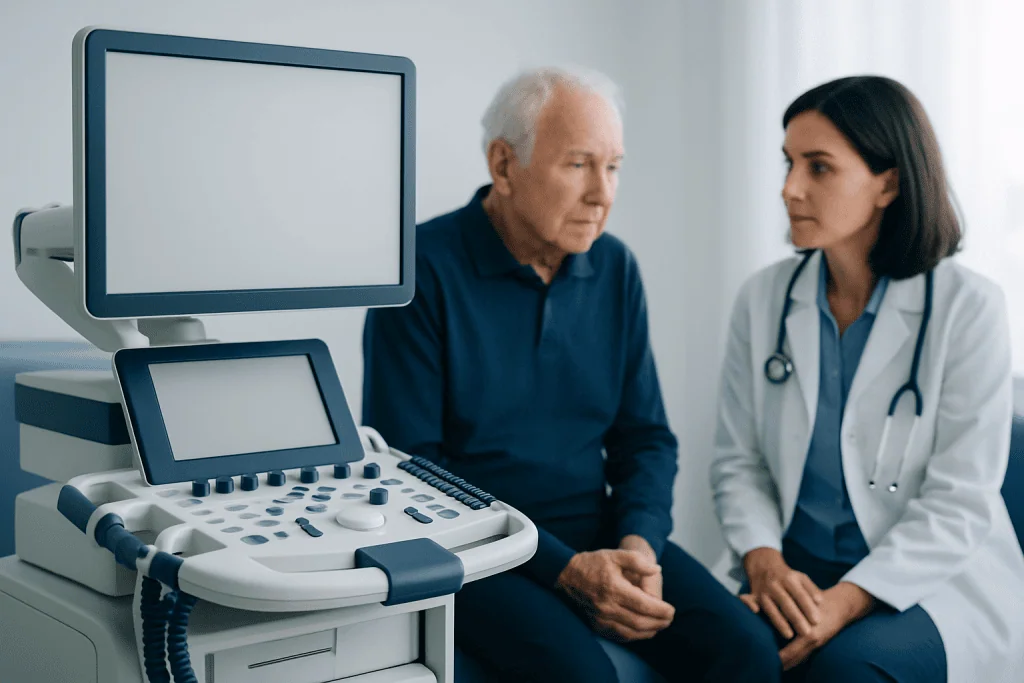
Many people occasionally forget names, appointments, or where they placed everyday items. These isolated lapses do not always mean Alzheimer’s disease. A medical evaluation becomes more important when memory problems are persistent, progressive, or begin to interfere with work, home tasks, finances, driving, communication, or personal care.
Symptoms that may lead a doctor to investigate Alzheimer’s include repeated questions, difficulty following conversations, trouble managing familiar tasks, getting lost in known places, poor judgment, changes in mood or personality, and increasing dependence on others. Family members often notice patterns before the person affected does, especially when insight into symptoms becomes reduced.
Doctors also ask about when symptoms started and how quickly they changed. Alzheimer’s disease often develops gradually over time, while other causes of confusion or memory loss may appear more suddenly. This timeline can provide important clues during assessment.
- Recent memory loss that disrupts daily life
- Difficulty planning, organizing, or solving problems
- Confusion with time, place, or familiar routines
- Word-finding problems or trouble following speech
- Changes in behavior, withdrawal, or reduced judgment
How Doctors Evaluate Memory Changes

The first medical visit usually begins with a detailed history. The doctor asks about memory, language, attention, problem-solving, mood, sleep, walking, medications, alcohol use, past illnesses, and family history. Because a person with memory problems may not recall all changes accurately, a spouse, relative, or trusted caregiver is often invited to share observations.
A physical exam and neurological exam are also important. The doctor checks blood pressure, vision or hearing concerns, reflexes, balance, movement, and signs of other neurological conditions. This helps determine whether symptoms could be related to problems beyond Alzheimer’s disease, such as stroke, Parkinsonian disorders, thyroid disease, or medication side effects.
Cognitive screening tests are commonly used to assess memory, orientation, language, attention, and executive function. These may be brief office-based tests or more detailed neuropsychological assessments done over a longer session. The results do not stand alone, but they help doctors measure the pattern and severity of impairment and compare changes over time.
If symptoms suggest a possible dementia syndrome, the doctor may also discuss whether the presentation fits Alzheimer’s disease or whether another type of cognitive disorder should be considered. The aim is to reach the most accurate diagnosis possible, since treatment and support needs may differ.
Tests Used to Diagnose Alzheimer’s
There is no single routine office test that proves Alzheimer’s disease by itself. Diagnosis is usually based on a combination of history, cognitive assessment, laboratory testing, and imaging findings. Doctors often start with blood tests to look for treatable causes of memory symptoms, such as thyroid problems, vitamin deficiencies, infection, metabolic disturbances, or medication-related effects.
Brain imaging may be recommended to rule out other structural causes and to look for patterns that support a dementia diagnosis. A doctor may request brain MRI or a CT scan if there are concerns about stroke, bleeding, tumor, hydrocephalus, or unusual symptom progression. In selected cases, advanced imaging or biomarker testing may be discussed, depending on availability and the clinical question.
Some patients are referred for formal neuropsychological testing, which offers a more detailed profile of memory, language, attention, visual-spatial skills, and executive function. This can be especially helpful when symptoms are mild, when educational background affects screening results, or when the diagnosis is uncertain.
Doctors may also evaluate mood, sleep, hearing, and daily functioning because depression, anxiety, sleep apnea, and sensory loss can worsen cognitive symptoms. A thorough diagnosis looks beyond the brain alone and considers the person’s overall health and daily environment.
Who Is on the Care Team?
Alzheimer’s care is often shared among several professionals. A primary care doctor may coordinate overall health management and monitor chronic conditions such as diabetes, high blood pressure, or heart disease. A neurologist commonly evaluates brain-related symptoms in more depth, while a geriatrician may focus on the complex needs of older adults, including medications, frailty, falls, and function.
Psychiatrists, psychologists, and neuropsychologists may also contribute, especially when mood changes, anxiety, agitation, sleep disturbance, or diagnostic uncertainty are present. Nurses, social workers, occupational therapists, speech therapists, and physical therapists can play valuable roles in supporting function, communication, mobility, and caregiver education.
Because dementia affects daily life as much as medical health, treatment planning often includes both medical and practical decisions. The team may discuss home safety, medication management, nutrition, driving, legal planning, caregiver support, and community resources. In this way, care is not limited to diagnosis alone.
In some cases, doctors also consider related conditions such as dementia more broadly, especially if symptoms do not fully fit a typical Alzheimer’s pattern. A multidisciplinary approach can help distinguish between overlapping conditions and tailor support to the individual’s needs.
How Treatment Planning Usually Works
After evaluation, the doctor explains the diagnosis, the level of certainty, and the likely next steps. If Alzheimer’s disease is diagnosed or strongly suspected, treatment planning usually focuses on symptom management, maintaining independence for as long as possible, and supporting quality of life. Families often benefit from hearing information more than once, since this can be a stressful and emotional stage.
Medicines may be discussed to help with cognitive symptoms in suitable patients, although they do not cure Alzheimer’s or stop it completely. Doctors also review drugs that may worsen confusion and may adjust treatment for sleep problems, anxiety, depression, or behavioral symptoms when appropriate. Care is individualized because benefits and side effects vary from person to person.
Non-drug approaches are an important part of treatment. These may include regular routines, cognitive stimulation, exercise, social engagement, hearing and vision support, good sleep habits, and practical environmental changes that reduce confusion and risk. In selected situations, the doctor may use imaging and specialist assessment as part of a broader neurology evaluation to guide ongoing care.
If swallowing, speech, balance, or daily activities are becoming more difficult, rehabilitation-based support may help preserve function. Some patients benefit from therapies integrated into geriatric rehabilitation programs, especially when mobility, falls, or general frailty are concerns alongside memory decline.
Prevention, Self-Care, and Family Support
While Alzheimer’s cannot always be prevented, doctors often encourage steps that support brain and overall health. Managing blood pressure, diabetes, cholesterol, hearing loss, and sleep problems may help reduce additional strain on cognitive function. Regular physical activity, a balanced diet, social connection, and mentally engaging activities are also commonly recommended as part of healthy aging.
For a person already diagnosed, self-care strategies are usually practical and routine-based. Keeping calendars, medication organizers, labels, reminders, and a simple daily structure can make everyday tasks easier. Good lighting, reduced clutter, and safe home design may lower the risk of falls, confusion, or missed medications.
Family members and caregivers often need support too. Doctors may advise them on communication strategies, behavior changes, respite options, and advance planning for future care needs. Caregiving can be demanding, and seeking help early may protect both the patient’s well-being and the caregiver’s health.
Near the later stages of planning, some people choose assessment at specialized centers where memory disorders, imaging, rehabilitation, and supportive care can be coordinated. Acibadem International’s multidisciplinary specialists and JCI-accredited hospitals diagnose and treat Alzheimer’s-related conditions for international patients when specialist evaluation is needed.
When to See a Doctor
A doctor should be consulted when memory or thinking changes are recurring, worsening, or affecting daily function. Early assessment can be helpful even if symptoms seem mild, because it may identify treatable causes, establish a baseline, and allow planning at an earlier stage. Families should not assume that all cognitive decline is simply a normal part of aging.
Prompt medical attention is especially important if confusion develops suddenly, fluctuates significantly, or is accompanied by fever, weakness, falls, severe headache, speech difficulty, or sudden behavior change. These features may suggest a different medical problem that needs urgent care rather than a slowly progressive dementia process.
It is also wise to seek review if a person with known Alzheimer’s shows a marked decline, new agitation, poor sleep, weight loss, swallowing difficulty, repeated wandering, or unsafe behavior. Changes like these may reflect infection, medication effects, pain, dehydration, or another condition that can and should be treated.
Frequently asked questions
What kind of doctor diagnoses Alzheimer’s?
Alzheimer’s may be diagnosed by a primary care doctor, neurologist, geriatrician, or psychiatrist with experience in memory disorders. Many people start with their regular doctor and are then referred to a specialist if further assessment is needed.
How do doctors tell the difference between normal aging and Alzheimer’s?
Doctors look at whether memory and thinking changes are persistent, progressive, and interfering with daily life. They also use history, cognitive testing, physical examination, and medical tests to rule out other possible causes.
Is there a single test for Alzheimer’s disease?
No, Alzheimer’s is usually diagnosed through a combination of clinical evaluation, cognitive assessment, blood tests, and sometimes brain imaging. The diagnosis is based on the overall pattern rather than one single routine test.
Should a family member go to the appointment?
Yes, this is often very helpful. A family member or caregiver may notice changes in memory, behavior, or daily function that the patient does not fully recognize or remember.
Can Alzheimer’s be treated if it cannot be cured?
Yes, treatment can still be helpful even though there is no complete cure. Doctors may recommend medications for symptoms, along with non-drug strategies that support function, safety, routine, and quality of life.
When is brain imaging needed in Alzheimer’s evaluation?
Brain imaging is often used when doctors need to rule out other causes of symptoms or better understand the pattern of brain changes. It may be especially useful if symptoms are unusual, progress quickly, or are accompanied by neurological signs.
References
- World Health Organization
- National Institute on Aging
- Alzheimer's Association
- National Institute of Neurological Disorders and Stroke
- Centers for Disease Control and Prevention
This article is for general information only and is not a substitute for professional medical advice. Please consult a qualified doctor about your individual situation.
Explore treatments in Turkey — costs, top hospitals & a free quote
JCI-accredited · board-certified surgeons · reply within 24h
Add us as a Preferred Source to see more of our trusted health content across Google Search, AI Overviews and Discover.
Check your numbers in seconds
BMI, calories, due date, blood pressure and 30+ more clinical calculators — free, instant, doctor-reviewed ranges.