Does Alcohol Cause Inflammation? A Doctor-Reviewed Answer

Alcohol can trigger inflammation both shortly after drinking and over time with repeated use. Mild flushing, stomach irritation, or a hangover-like inflammatory response is often temporary.
Key Takeaways
- Alcohol can trigger inflammation both shortly after drinking and over time with repeated use.
- Mild flushing, stomach irritation, or a hangover-like inflammatory response is often temporary.
- Persistent abdominal pain, jaundice, vomiting, black stools, chest pain, or confusion need medical review.
- Doctors assess symptoms, drinking pattern, medications, and may use blood tests or imaging to look for organ inflammation.
- Reducing or stopping alcohol often helps lower inflammation and supports recovery.
Yes, alcohol can cause inflammation. In many people this is mild and temporary, but frequent or heavy drinking can contribute to longer-lasting inflammation in the gut, liver, pancreas, joints, skin, and other tissues.
Overview: how alcohol affects inflammation
Yes, alcohol can cause inflammation. In the short term, it may irritate the stomach lining, disrupt sleep, dehydrate the body, and trigger immune signaling that contributes to flushing, headache, fatigue, or body aches. For many otherwise healthy adults, these effects are mild and settle as the body clears the alcohol.
The bigger concern is repeated or heavy alcohol exposure. Over time, alcohol can damage the gut barrier, alter the balance of intestinal bacteria, and place stress on the liver and pancreas. This can lead to ongoing low-grade inflammation or more serious organ inflammation, such as gastritis, hepatitis, or pancreatitis.
Not every symptom after drinking means dangerous disease. However, inflammation related to alcohol is more likely to need medical attention when symptoms are severe, keep returning, or involve warning signs such as jaundice, vomiting blood, black stools, severe upper abdominal pain, fainting, or shortness of breath.
What inflammation from alcohol can feel like
Inflammation is part of the body’s response to irritation or injury. After alcohol, some people notice symptoms that are indirect signs of this response rather than inflammation they can feel in one single place. Common examples include facial flushing, headache, nausea, heartburn, bloating, poor sleep, muscle aches, fatigue, and a general feeling of being unwell the next day.
Alcohol can also contribute to more localized inflammation. In the digestive tract, it may cause burning pain, reflux, nausea, vomiting, diarrhea, or cramping. In the liver, early inflammation may cause no symptoms at all, while more advanced problems can lead to right upper abdominal discomfort, loss of appetite, jaundice, dark urine, or swelling.
Some people notice that alcohol seems to worsen joint pain, skin redness, rosacea, psoriasis, or sinus congestion. That does not always mean alcohol is the only cause, but it can act as a trigger. People with existing inflammatory conditions may find that even moderate drinking makes symptoms flare more easily.
- Short-term symptoms: flushing, headache, nausea, stomach upset, fatigue
- Digestive symptoms: heartburn, bloating, diarrhea, upper abdominal pain
- Possible skin effects: redness, itching, rosacea flares
- Possible whole-body effects: worsened sleep, body aches, feeling run down
Why alcohol can trigger inflammation

Alcohol affects inflammation through several pathways. First, it directly irritates tissues that it comes into contact with, especially the mouth, esophagus, stomach, and intestines. This irritation can increase acid-related symptoms and make the lining of the digestive tract more vulnerable to injury.
Second, alcohol can change immune system signaling. The body may release inflammatory chemicals in response to alcohol and to the byproducts formed when the liver breaks it down. Acetaldehyde, one of these byproducts, is toxic and can contribute to cell stress and tissue injury.
Third, alcohol can weaken the intestinal barrier, sometimes called a “leaky gut” effect. When this barrier is disrupted, bacterial products from the gut can enter the bloodstream more easily and stimulate inflammation elsewhere in the body, especially in the liver. This is one reason alcohol can contribute to fatty liver disease, alcoholic hepatitis, and worsening metabolic health.
Inflammatory effects also vary from person to person. Body size, sex, genetics, underlying liver health, pattern of drinking, sleep quality, diet, and medications all influence how strongly a person reacts to alcohol.
Who is more likely to be affected
Anyone can experience irritation or inflammation after alcohol, but some people are more susceptible. Heavy drinking, binge drinking, and drinking on an empty stomach increase the chance of stronger inflammatory effects. Regular use over months or years raises the risk of chronic injury, especially in the liver and pancreas.
People with existing digestive or inflammatory conditions may notice symptoms more quickly. Alcohol may aggravate reflux, ulcers, inflammatory bowel symptoms, skin conditions, and some types of arthritis. It can also worsen conditions such as fatty liver by adding extra stress to the liver.
Medication use matters too. Alcohol can irritate the stomach more when combined with nonsteroidal anti-inflammatory drugs, certain antibiotics, steroids, or blood thinners. People with diabetes, obesity, viral hepatitis, autoimmune disease, or a family history of alcohol-related liver disease may also face a higher risk of complications.
Even people who drink only occasionally can react strongly if they have an alcohol intolerance or are sensitive to ingredients in drinks such as histamine, sulfites, or certain flavoring compounds. In those cases, flushing or congestion may happen quickly and may not reflect major organ inflammation.
When to seek medical care
Many alcohol-related symptoms are short-lived and improve with hydration, rest, and avoiding further drinking. A person should seek prompt medical care, however, if symptoms are severe, unusual, or persistent. Red flags include repeated vomiting, vomiting blood, black or tarry stools, severe chest pain, difficulty breathing, confusion, seizures, fainting, or strong pain in the upper abdomen that may spread to the back.
Medical review is also important for signs that suggest liver or pancreatic inflammation. These include jaundice, dark urine, pale stools, abdominal swelling, fever, marked tenderness under the ribs, or pain that keeps returning after drinking. Ongoing weight loss, poor appetite, and lasting fatigue also deserve evaluation.
If a person has trouble cutting down alcohol, experiences withdrawal symptoms, or finds that drinking is affecting daily life, support from a qualified clinician is important. Dependence is a health condition, and early help can lower the risk of long-term inflammatory damage.
How doctors check whether alcohol is causing inflammation
Doctors begin with a careful history and physical examination. They ask about the amount and pattern of alcohol use, the timing of symptoms, other medical conditions, family history, medications, and whether symptoms improve when alcohol is avoided. This step is important because stomach pain, flushing, and fatigue can have many causes besides alcohol.
Basic tests often include blood work to look for signs of inflammation, dehydration, anemia, liver injury, pancreatic irritation, or infection. Depending on symptoms, a doctor may order liver function tests, pancreatic enzyme tests, blood counts, electrolyte levels, and tests for other causes of abdominal pain or fatigue.
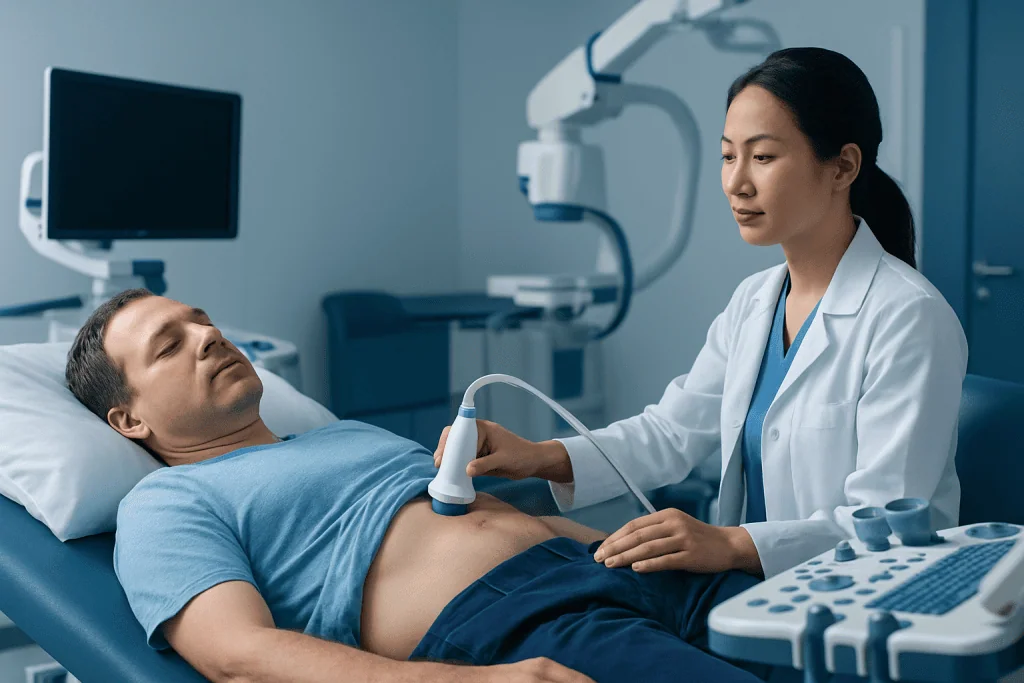
Imaging may be useful when organ inflammation is suspected. Ultrasound can help assess the liver, gallbladder, and sometimes the pancreas, while CT or MRI may be used in more complex cases. If symptoms point to severe stomach or esophageal irritation, a doctor may discuss endoscopy to examine the upper digestive tract more closely.
In some patients, specialists may evaluate whether alcohol has contributed to conditions such as pancreatitis or chronic liver disease. The goal is not only to identify alcohol’s role, but also to rule out infections, gallstones, ulcers, autoimmune disease, medication side effects, and other treatable problems.
Treatment and lowering inflammation
The most effective way to reduce alcohol-related inflammation is to cut back or stop drinking, depending on the person’s health needs and drinking pattern. For mild symptoms, this alone may allow the stomach lining, sleep cycle, hydration status, and inflammatory signaling to settle. Many people notice clear improvement within days to weeks once alcohol exposure is reduced.
Treatment also depends on which organ is affected. Stomach irritation may be managed with dietary changes and medicines recommended by a clinician. Liver inflammation, pancreatic inflammation, or severe digestive bleeding needs medical treatment and close follow-up. In some cases, doctors may use blood tests, imaging, and nutritional support to monitor recovery and watch for complications.
People who drink regularly should not assume they can stop suddenly without support if they have signs of dependence, because withdrawal can be dangerous. A doctor can advise on the safest plan and whether supervised care is needed. If liver disease is suspected, tests such as liver function tests or imaging of the liver may be part of ongoing care.
Near the end of the care pathway, some patients benefit from a multidisciplinary approach that includes gastroenterology, hepatology, nutrition, and addiction support. Acibadem International’s multidisciplinary specialists in JCI-accredited hospitals diagnose and treat alcohol-related digestive and liver conditions for international patients when further evaluation is needed.
Prevention and self-care
Prevention starts with awareness of personal limits and patterns. Spacing drinks, avoiding binge drinking, eating before or while drinking, and alternating alcoholic drinks with water may reduce irritation and next-day symptoms, although these steps do not make heavy drinking safe. For some people, the best choice is to avoid alcohol completely, especially if it clearly triggers symptoms.
It also helps to pay attention to context. Lack of sleep, dehydration, stress, and combining alcohol with certain medications can intensify inflammatory effects. Reading medicine labels and asking a pharmacist or doctor about alcohol interactions is a simple but important step.
People with liver disease, pancreatitis, ulcers, inflammatory bowel disease, or recurrent reflux should discuss alcohol use with their clinician. If symptoms recur, keeping a brief diary of what was consumed, how much, and what symptoms followed can make medical assessment more accurate. Those with ongoing digestive concerns may also need tests such as abdominal ultrasound if a doctor suspects organ inflammation.
Most importantly, recurrent symptoms should not be ignored simply because they happen after social drinking. Early assessment can identify whether the problem is temporary irritation, a medication interaction, an underlying condition, or organ inflammation that needs treatment.
Frequently asked questions
Does alcohol cause inflammation right away?
It can. Alcohol may irritate the stomach and trigger inflammatory signals within hours, which can contribute to flushing, headache, nausea, and a hangover-like feeling. In many cases this is temporary, but repeated exposure can lead to more lasting inflammation.
Can moderate drinking still cause inflammation?
Yes, in some people it can. Sensitivity varies based on genetics, overall health, medications, and whether a person already has digestive, liver, skin, or inflammatory conditions. Even smaller amounts may trigger symptoms in susceptible individuals.
Which organs are most affected by alcohol-related inflammation?
The digestive tract, liver, and pancreas are among the most commonly affected. Alcohol can also worsen inflammatory symptoms involving the skin, joints, and sleep-wake cycle. The exact pattern depends on a person's health history and drinking habits.
How can someone tell if alcohol is causing their symptoms?
A clear pattern can be a clue, such as symptoms repeatedly appearing after drinking and improving when alcohol is avoided. Still, this is not enough to make a diagnosis because ulcers, gallstones, infections, and medication side effects can look similar. A doctor may recommend blood tests or imaging if symptoms are significant or recurrent.
Is alcohol-related inflammation reversible?
Often, yes—especially when it is caught early and alcohol is reduced or stopped. Mild stomach irritation and low-grade inflammatory effects may improve within days to weeks. More serious liver or pancreatic inflammation can take longer and may need specialist treatment.
When should someone worry about stomach pain after drinking?
Medical review is important if pain is severe, keeps returning, or comes with vomiting, fever, black stools, jaundice, or pain spreading to the back. These symptoms can point to more than simple irritation. Prompt assessment helps rule out pancreatitis, bleeding, ulcers, or liver-related problems.
References
- National Institute on Alcohol Abuse and Alcoholism
- Centers for Disease Control and Prevention
- National Institute of Diabetes and Digestive and Kidney Diseases
- American College of Gastroenterology
- World Health Organization
This article is for general information only and is not a substitute for professional medical advice. Please consult a qualified doctor about your individual situation.
Persistent digestive symptoms? Get evaluated in Turkey
JCI-accredited · board-certified surgeons · reply within 24h
Add us as a Preferred Source to see more of our trusted health content across Google Search, AI Overviews and Discover.

More from the Health Library



Related Specialists

Dr. Nihat Ağar
General Surgery
Ceyhun Cesur
Aesthetic Plastic & Reconstructive Surgery
Dr. Begench Orazgeldıyev
Anesthesiology
Prof. Dr. Reyhan Çeliker
Physical Medicine & Rehabilitation