Does Broccoli Have Fiber? Causes, Explanations, and Next Steps

Broccoli contains dietary fiber, which supports bowel regularity and gut health. Many people tolerate broccoli well, but some develop gas, bloating, or mild abdominal discomfort after eating it.
Key Takeaways
- Broccoli contains dietary fiber, which supports bowel regularity and gut health.
- Many people tolerate broccoli well, but some develop gas, bloating, or mild abdominal discomfort after eating it.
- Symptoms are often related to portion size, cooking method, or individual digestive sensitivity rather than a serious illness.
- Persistent pain, weight loss, bleeding, vomiting, fever, or major bowel habit changes should be assessed by a doctor.
- A medical review may include a symptom history, physical exam, and tests to rule out digestive conditions if symptoms are ongoing.
Yes, broccoli does have fiber, and for most people that is a healthy, beneficial part of the diet. In some cases, however, broccoli’s fiber and natural carbohydrates can lead to gas, bloating, or bowel changes, so it helps to know what is normal and when symptoms deserve medical attention.
Overview: Does broccoli have fiber?
Yes, broccoli has fiber. It is considered a fiber-containing vegetable and can be a useful part of a balanced eating pattern that supports digestion, bowel regularity, and overall health. For most people, eating broccoli is harmless and beneficial, especially when it is introduced gradually and prepared in a way that is easy to tolerate.
The question often comes up because some people notice gas, bloating, cramping, or a feeling of fullness after eating broccoli. This does not mean broccoli is unhealthy. More often, it reflects the way fiber and naturally occurring carbohydrates are broken down in the digestive system. Some people are simply more sensitive than others, particularly if they already have a digestive condition or are not used to eating much fiber.
It is also important to separate a normal digestive response from warning signs. Mild gas after a high-fiber meal is common, but severe pain, ongoing diarrhea, blood in the stool, unexplained weight loss, vomiting, or fever are not typical and deserve medical review. If symptoms keep happening, a doctor can help determine whether broccoli itself is the trigger or whether another issue is contributing.
Why fiber in broccoli matters
Dietary fiber is the part of plant foods that the body does not fully digest. In practical terms, it helps food move through the digestive tract and can support a healthy bowel routine. Fiber is also linked to fullness after meals and may help people maintain a more balanced eating pattern over time.
Broccoli contains a mix of nutrients, including vitamins, minerals, water, and fiber. The fiber in broccoli contributes to stool bulk and can support beneficial gut bacteria. That is one reason vegetables such as broccoli are commonly included in healthy eating advice.
At the same time, fiber works best when intake is increased gradually and paired with enough fluids. A sudden jump in fiber can make some people feel bloated or uncomfortable. This is especially true if meals are large, eaten quickly, or combined with other gas-forming foods.
Cooking method can also change how broccoli feels in the stomach. Raw broccoli may be harder for some people to tolerate than steamed, roasted, or lightly cooked broccoli. Softer texture can make it easier to digest while still preserving much of its nutritional value.
Why broccoli can sometimes cause gas or bloating
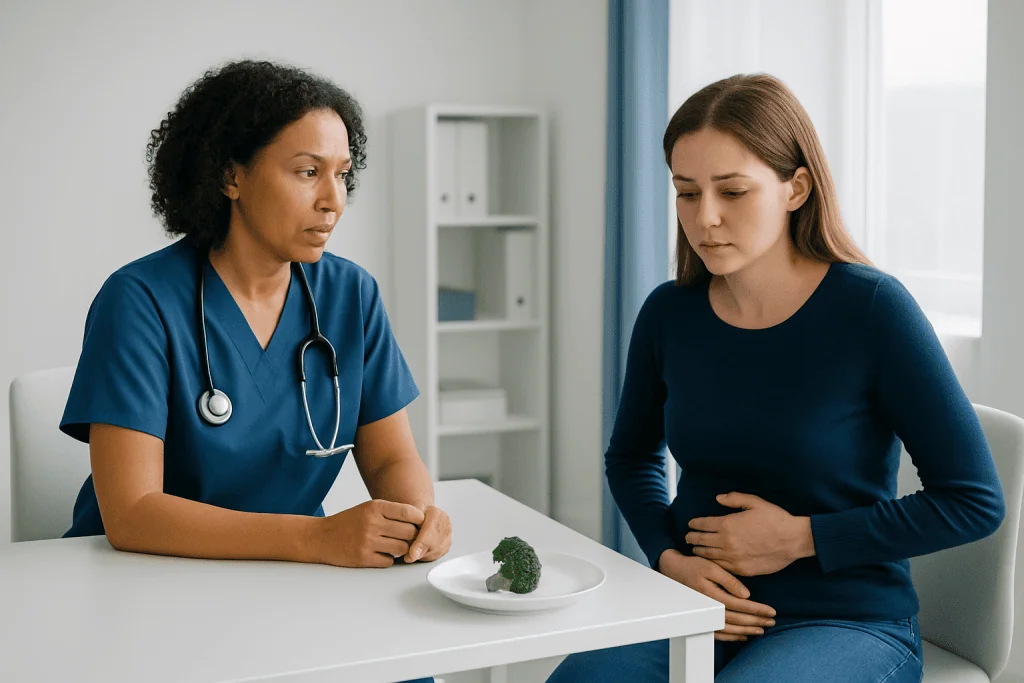
Broccoli belongs to the cruciferous vegetable family. Along with fiber, it contains natural carbohydrates that can be fermented by bacteria in the large intestine. This fermentation is a normal process, but it can produce gas. For some people, that means mild bloating or extra flatulence after eating broccoli, especially in large portions.
Digestive sensitivity varies widely. A person who rarely eats vegetables may notice symptoms more than someone whose body is used to a high-fiber diet. Eating broccoli raw, eating it quickly, or combining it with beans, onions, or carbonated drinks may make symptoms more noticeable.
People with underlying digestive disorders may react more strongly. Conditions such as irritable bowel syndrome can make the gut more sensitive to stretching, gas, and certain fermentable carbohydrates. In those cases, even nutritious foods can trigger discomfort.
Symptoms do not always mean broccoli is the only cause. Bloating can also result from constipation, swallowing air, food intolerances, stress, or other gastrointestinal conditions. If symptoms are frequent, a broader assessment may be more helpful than simply removing one food.
Common symptoms linked to broccoli and fiber intake
When broccoli causes digestive symptoms, they are usually mild and temporary. The most common complaints are abdominal bloating, increased gas, belching, mild cramping, and a feeling of fullness after meals. Some people also notice changes in bowel movements, particularly if they have recently increased their fiber intake.
Fiber can affect stool pattern in different ways. For some people, it improves regularity. For others, especially if fluid intake is low, a sudden increase in fiber may worsen constipation at first. A few people may notice looser stools if broccoli is part of a larger dietary change that increases total fiber significantly.
Symptoms are often related to context. Portion size matters, as does whether broccoli is eaten raw or cooked. The rest of the meal can matter too. Rich sauces, high-fat side dishes, and heavily seasoned foods may be responsible for discomfort that is blamed on broccoli.
If digestive complaints are frequent or appear with many foods, the issue may not be broccoli alone. Ongoing abdominal pain, severe constipation, recurrent diarrhea, or persistent bloating may point to problems such as Crohn’s disease or other digestive disorders that need professional assessment.
How a doctor evaluates ongoing symptoms
If symptoms continue or raise concern, a doctor will usually begin with a careful history. They may ask when symptoms occur, whether they are linked to raw or cooked broccoli, what other foods are eaten at the same time, and whether there are associated issues such as constipation, diarrhea, reflux, nausea, or weight change. A food and symptom diary can be very useful.
A physical examination may follow, especially if there is abdominal pain, tenderness, distension, or changes in bowel habits. In many cases, no serious problem is found, and symptoms are managed with diet adjustments. However, doctors also look for clues that suggest a need for further testing.
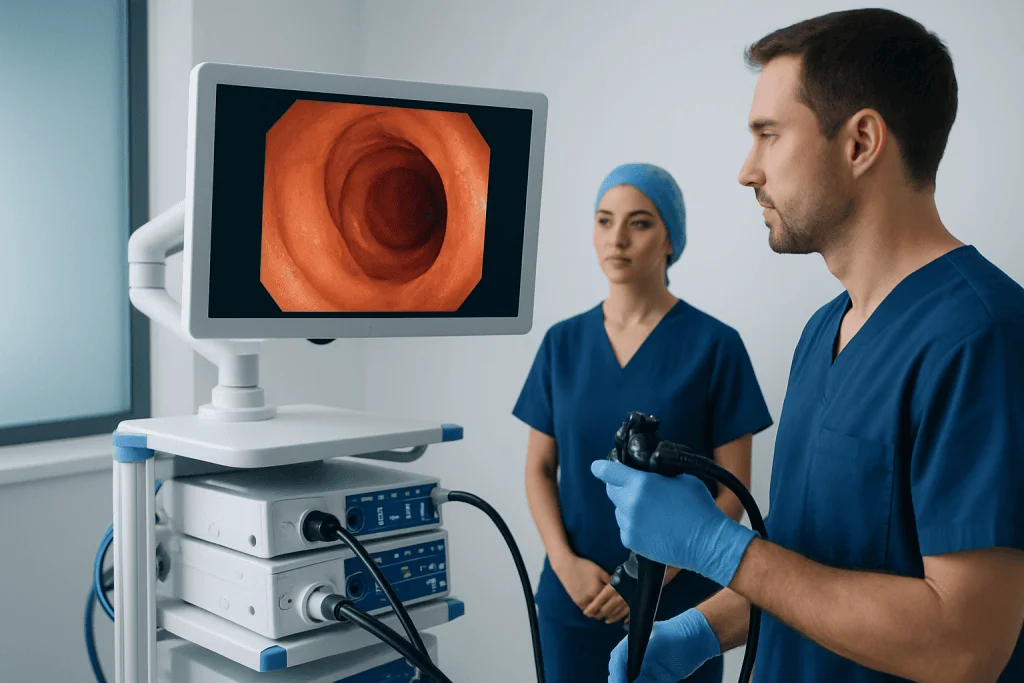
Depending on the symptoms, evaluation may include blood tests, stool tests, breath tests for certain intolerances, or imaging. In selected cases, a specialist in gastroenterology care may recommend endoscopy or colonoscopy to investigate persistent bleeding, unexplained anemia, chronic diarrhea, or other warning signs.
The goal is not only to confirm whether broccoli is contributing to symptoms, but also to rule out more important conditions. This step-by-step approach helps avoid unnecessary restriction while making sure significant digestive disease is not missed.
What can help: practical next steps at home
For mild symptoms, a few simple changes are often enough. Reducing portion size, eating broccoli more slowly, and switching from raw to cooked broccoli can improve tolerance. Steaming is a common first step because it softens the vegetable without making it overly heavy.
It can also help to increase fiber gradually rather than all at once. If broccoli is part of a broader shift toward healthier eating, the body may need time to adjust. Drinking enough fluids supports the normal effect of fiber in the bowel and may reduce constipation-related discomfort.
Some people benefit from tracking symptoms for one to two weeks. This can show whether the problem happens only with broccoli or with a wider range of foods. If a pattern suggests broader sensitivity, a doctor or dietitian may advise a structured approach rather than unnecessary long-term food avoidance.
When symptoms are persistent, specialist support may be useful. Evaluation through a medical check-up can help identify whether symptoms reflect a simple dietary sensitivity, constipation, food intolerance, or a gastrointestinal condition that needs treatment. Near the end of the care pathway, patients seeking international care may also be assessed by Acibadem International’s multidisciplinary specialists in JCI-accredited hospitals.
When to seek medical care
Most broccoli-related digestive symptoms are mild and pass on their own. Medical care is more important when symptoms are severe, frequent, or clearly out of proportion to what would be expected after eating a high-fiber vegetable. A person should not assume that all bloating or bowel changes are food related, especially if symptoms are new or worsening.
Medical review is recommended if there is severe or persistent abdominal pain, vomiting, fever, blood in the stool, black stools, unexplained weight loss, ongoing diarrhea, constipation that does not improve, or symptoms that regularly interrupt daily life. These signs can point to a digestive problem that needs proper diagnosis.
It is also sensible to seek advice if many healthy foods suddenly become difficult to tolerate, or if fear of symptoms leads to a very restricted diet. In children, older adults, pregnant people, and those with known digestive disease, symptoms should be assessed with extra care.
Early assessment can be reassuring. In many cases, doctors find a manageable explanation and can suggest diet changes, symptom relief, or further tests only when truly needed.
Frequently asked questions
Does broccoli have a lot of fiber?
Broccoli is considered a good source of dietary fiber compared with many other foods. It is not only valued for fiber, but also for vitamins, minerals, and plant compounds that support overall health.
Can broccoli cause bloating even if it is healthy?
Yes. A healthy food can still cause temporary symptoms in some people, especially if it is high in fiber or contains fermentable carbohydrates. This is often a matter of digestive sensitivity rather than a sign that the food is harmful.
Is cooked broccoli easier to digest than raw broccoli?
For many people, yes. Cooking softens broccoli and may make it easier to tolerate, especially for those who notice gas or abdominal discomfort after eating it raw.
Should someone stop eating broccoli if it causes gas?
Not necessarily. Trying a smaller portion, cooking it, and increasing fiber more gradually may help. If symptoms remain troublesome or occur with many foods, a doctor or dietitian can help decide whether broccoli should be limited.
Can broccoli worsen irritable bowel symptoms?
It can in some people. Those with sensitive digestion, including people with irritable bowel syndrome, may react to certain fibers or fermentable carbohydrates in broccoli and notice more bloating, cramps, or gas.
When is bloating after broccoli not normal?
Mild bloating can be normal, especially after a large serving. It is less likely to be a simple food effect if it is severe, keeps returning, or comes with red flags such as bleeding, vomiting, fever, unexplained weight loss, or significant bowel habit changes.
References
- National Institute of Diabetes and Digestive and Kidney Diseases
- Academy of Nutrition and Dietetics
- United States Department of Agriculture
- American College of Gastroenterology
- National Health Service
This article is for general information only and is not a substitute for professional medical advice. Please consult a qualified doctor about your individual situation.
Persistent digestive symptoms? Get evaluated in Turkey
JCI-accredited · board-certified surgeons · reply within 24h
Add us as a Preferred Source to see more of our trusted health content across Google Search, AI Overviews and Discover.