Does HPV Injection Hurt: How It Works, Results and What to Expect

The HPV shot is given into the upper-arm muscle and usually causes only brief discomfort. Temporary soreness, redness, swelling, tiredness, headache, or a mild fever can occur after vaccination.
Key Takeaways
- The HPV shot is given into the upper-arm muscle and usually causes only brief discomfort.
- Temporary soreness, redness, swelling, tiredness, headache, or a mild fever can occur after vaccination.
- People should sit or lie down for about 15 minutes after the injection because fainting can occasionally occur, especially in adolescents.
- HPV vaccination works best before exposure to HPV, but some adults may benefit after discussion with a clinician.
- Vaccination does not replace recommended cervical screening or other preventive health care.
Does HPV injection hurt? The injection usually causes a quick pinch or sting, followed by mild arm soreness that commonly settles within a day or two. The HPV vaccine is an important preventive vaccine that helps protect against HPV types linked to several cancers and genital warts.
Does HPV Injection Hurt? A Clear Answer
Does HPV injection hurt? Most people describe a brief pinch, sting, or pressure when the needle enters the upper-arm muscle. The sensation lasts seconds. Some tenderness in the arm can develop later and may be noticeable when lifting the arm or sleeping on that side, but it is usually mild and short-lived.
Pain responses vary from person to person. Anxiety, muscle tension, previous experiences with injections, and individual pain sensitivity can all influence how an injection feels. Taking slow breaths, relaxing the arm, looking away if preferred, and staying seated can make the appointment more comfortable.
The HPV vaccine protects against types of human papillomavirus that can cause cancers of the cervix, anus, penis, vulva, vagina, mouth, and throat, as well as many cases of genital warts. It prevents new HPV infections; it does not treat an infection that is already present.
How the HPV Vaccine Works and Who May Benefit
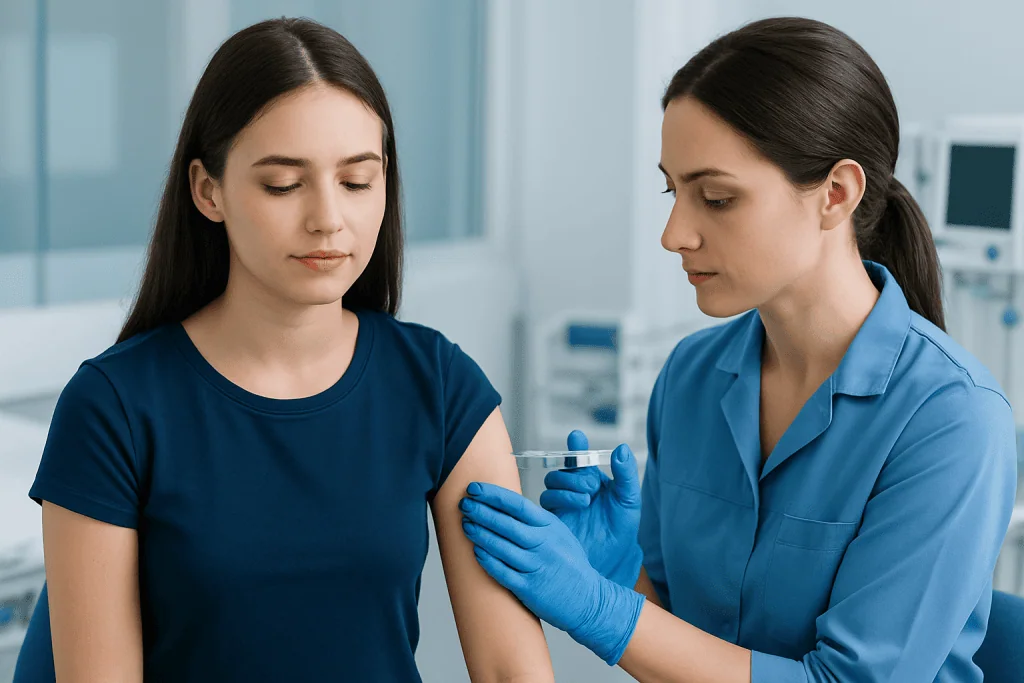
Human papillomavirus, or HPV, is a very common virus spread mainly through intimate skin-to-skin contact. Many HPV infections clear naturally without causing symptoms. However, persistent infection with certain high-risk HPV types can lead to cell changes and, over time, cancer.
The vaccine trains the immune system to recognize selected HPV types before exposure occurs. It contains no live HPV virus and cannot cause HPV infection or HPV-related cancer. After vaccination, the body develops antibodies that can help prevent future infection with the HPV types covered by the vaccine.
HPV vaccination is routinely recommended in many countries for children and adolescents, ideally before sexual exposure. The number of doses depends on the person’s age at the first dose and their immune status. Adults may also be eligible in certain age ranges, and individual decisions should be discussed with a qualified clinician. HPV vaccination can be considered alongside regular preventive care for cervical cancer and other HPV-related conditions.
People who are pregnant generally defer HPV vaccination until after pregnancy, while those who are breastfeeding can usually be vaccinated. Anyone with a previous severe allergic reaction to an HPV vaccine dose or a vaccine component should tell the healthcare team before receiving another dose.
What Happens During the HPV Vaccine Appointment?
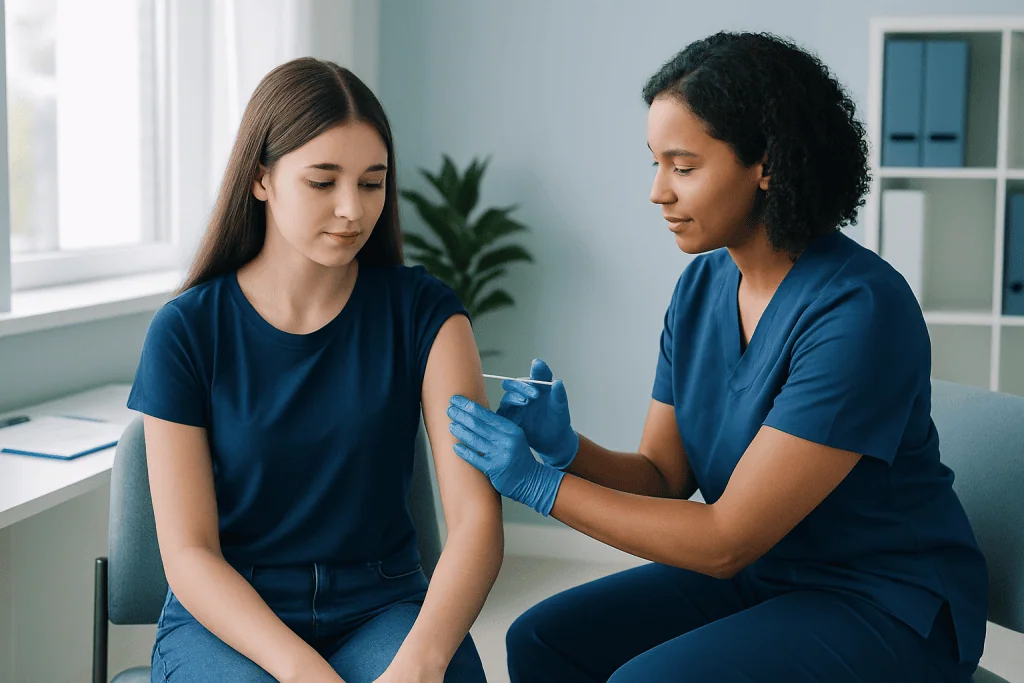
The appointment is usually brief. A nurse, doctor, or trained healthcare professional reviews the person’s medical history, allergies, previous vaccine doses, current illness, and any prior fainting after injections. A mild illness is not always a reason to postpone vaccination, but a moderate or severe acute illness may lead the clinician to recommend waiting until recovery.
The vaccine is administered as an intramuscular injection, most often into the deltoid muscle in the upper arm. The skin is cleaned, the injection is given within seconds, and a small dressing may be applied if needed. The person can ask to be seated or lying down, particularly if they feel nervous about needles or have fainted previously.
Afterward, the person is usually asked to remain in the clinic for around 15 minutes. This observation period is mainly intended to reduce the chance of injury if fainting occurs. Serious allergic reactions are very rare, but healthcare teams are prepared to recognize and manage them promptly.
For international patients, Acibadem International’s multidisciplinary specialists and JCI-accredited hospitals can help coordinate preventive care and appropriate follow-up, including assessment for HPV-related health concerns.
Recovery Timeline, Benefits and Possible Side Effects
Most people return to school, work, exercise, and daily activities on the same day. Arm discomfort may begin within several hours and often improves over one to two days. Gentle movement of the arm can help reduce stiffness. A cool, clean compress may also be soothing for localized soreness or swelling.
Common short-term effects include pain, redness, or swelling at the injection site; headache; tiredness; nausea; muscle or joint aches; and a low-grade fever. These reactions are generally a sign that the immune system is responding and usually settle without treatment. A clinician or pharmacist can advise whether a suitable non-prescription pain reliever is appropriate for the individual.
The main benefit of HPV vaccination is prevention. It significantly reduces the risk of infection from HPV types included in the vaccine and therefore lowers the likelihood of several HPV-related cancers and genital warts. Protection is strongest when vaccination occurs before exposure to HPV, which is why routine vaccination is usually offered at younger ages.
Rarely, a person may experience severe allergy symptoms after any vaccine. Difficulty breathing, swelling of the face or throat, widespread hives, marked weakness, or collapse requires urgent medical assessment. These events are uncommon, and the post-vaccination observation period provides additional safety at the time of injection.
Is the HPV Shot the Most Painful?
No. The HPV shot is not generally considered the most painful vaccine. It is given into a muscle, like many routine vaccines, so most people experience a short sting and temporary upper-arm soreness rather than severe pain.
Some people perceive the HPV injection as more uncomfortable because it may cause arm tenderness afterward, because they are anxious about needles, or because they receive more than one vaccine at the same visit. Pain cannot be compared precisely between individuals, as it depends on the injection technique, muscle tension, expectations, and personal sensitivity.
Relaxing the arm is one of the simplest ways to reduce discomfort. Keeping the arm loose rather than tightly braced, breathing slowly, and remaining seated for the injection may help. If a person has strong needle anxiety, they should mention it before the appointment so the healthcare team can offer practical support.
Why Are So Many People Against the HPV Vaccine?
Concerns about the HPV vaccine may stem from misinformation, worries about side effects, discomfort discussing a virus transmitted through intimate contact, or uncertainty about why vaccination is recommended for younger people. Some families also worry that vaccination could influence sexual behavior. Research and public health monitoring have not shown that HPV vaccination increases sexual activity or risk-taking behavior.
The vaccine has been studied extensively and continues to be monitored for safety. Like all medicines and vaccines, it can cause side effects, but most are mild and temporary. Health authorities recommend vaccination because its cancer-prevention benefits outweigh the known risks for eligible people.
Open discussion with a trusted healthcare professional can help people assess information sources and make an informed decision. It is reasonable to ask what the vaccine covers, how many doses are recommended, what reactions are expected, and how vaccination fits with ongoing screening and safer-sex practices.
What Not to Do After HPV Vaccine?
There are usually no major restrictions after an HPV vaccine. People do not need to avoid bathing, eating normal meals, going to school or work, or participating in routine activity if they feel well. However, it is sensible to avoid leaving immediately after the injection; remaining for the recommended observation period helps protect against injury from a rare fainting episode.
It may be helpful to avoid strenuous exercise for the rest of the day if dizziness, fever, or arm discomfort occurs. People should not massage the injection site aggressively, apply unverified creams, or ignore symptoms that are severe or worsening. Alcohol does not directly interfere with the vaccine response, but avoiding excess alcohol on the day of vaccination can make it easier to monitor how the person feels and remain hydrated.
Vaccination should not be viewed as a replacement for screening. People with a cervix should continue recommended cervical screening according to local guidance, even if they have completed HPV vaccination. Those who notice genital symptoms, unusual bleeding, or persistent throat symptoms should seek medical advice rather than assuming vaccination rules out all HPV-related disease.
Why No HPV Vaccine After 45? When to Seek Medical Care
In many settings, HPV vaccination is not routinely recommended after age 45 because most adults have already been exposed to one or more HPV types, and the vaccine prevents new infection rather than treating established infection. The expected benefit therefore becomes smaller with age for many people. This does not mean every person over 45 has HPV or that vaccination is unsafe; it reflects how public health recommendations weigh likely individual benefit.
For adults in the recommended age ranges, a clinician may use shared decision-making to consider factors such as prior vaccination, new or future sexual partners, immune status, and personal health history. The appropriate schedule and eligibility vary by country, so local medical advice remains important.
Medical care should be sought urgently for symptoms of a severe allergic reaction after vaccination, including trouble breathing, swelling of the lips, tongue, face, or throat, widespread hives, or fainting that does not resolve promptly. A doctor should also be contacted for a high fever, severe or persistent symptoms, or concerns about an injection-site reaction that becomes increasingly painful, red, or swollen.
For questions about HPV prevention, abnormal screening results, or symptoms that may need assessment, a healthcare professional can provide individualized guidance. Evaluation may involve gynecology, urology, dermatology, ear, nose and throat care, or oncology depending on the symptoms and findings.
Frequently asked questions
How long does HPV injection pain last?
The needle sting lasts only a few seconds. Upper-arm soreness may develop later and commonly improves within one to two days, although mild discomfort can occasionally last longer. A cool compress and gentle arm movement may help.
Can the HPV vaccine cause HPV infection?
No. HPV vaccines do not contain live HPV virus and cannot cause HPV infection. They help the immune system recognize certain HPV types and prevent future infection from those types.
Can someone get the HPV vaccine if they have already had HPV?
In many cases, yes, depending on age, medical history, and local recommendations. The vaccine does not treat an existing HPV infection, but it may still help protect against HPV types the person has not encountered. A clinician can advise whether vaccination is appropriate.
Should a person rest after the HPV vaccine?
Most people do not need special rest and can continue normal activities if they feel well. It is important to stay at the vaccination site for the recommended observation period because fainting can sometimes occur after injections. Resting and avoiding strenuous activity may be sensible if dizziness or fever develops.
Does the HPV vaccine replace cervical screening?
No. HPV vaccination and cervical screening work together to reduce cervical cancer risk. Vaccinated people should continue screening according to the recommendations for their age, country, and health history.
What if a vaccine dose is delayed?
A delayed dose usually does not require restarting the series. The next dose can generally be given when practical, following advice from the vaccination provider. The clinician can confirm the appropriate schedule based on the person’s age and previous doses.
References
- World Health Organization
- Centers for Disease Control and Prevention
- European Centre for Disease Prevention and Control
- American Cancer Society
- U.S. Food and Drug Administration
This article is for general information only and is not a substitute for professional medical advice. Please consult a qualified doctor about your individual situation.
Explore treatments in Turkey — costs, top hospitals & a free quote
JCI-accredited · board-certified surgeons · reply within 24h
Add us as a Preferred Source to see more of our trusted health content across Google Search, AI Overviews and Discover.