Does John Cena Have Cancer? Why Rumors Need Reliable Sources
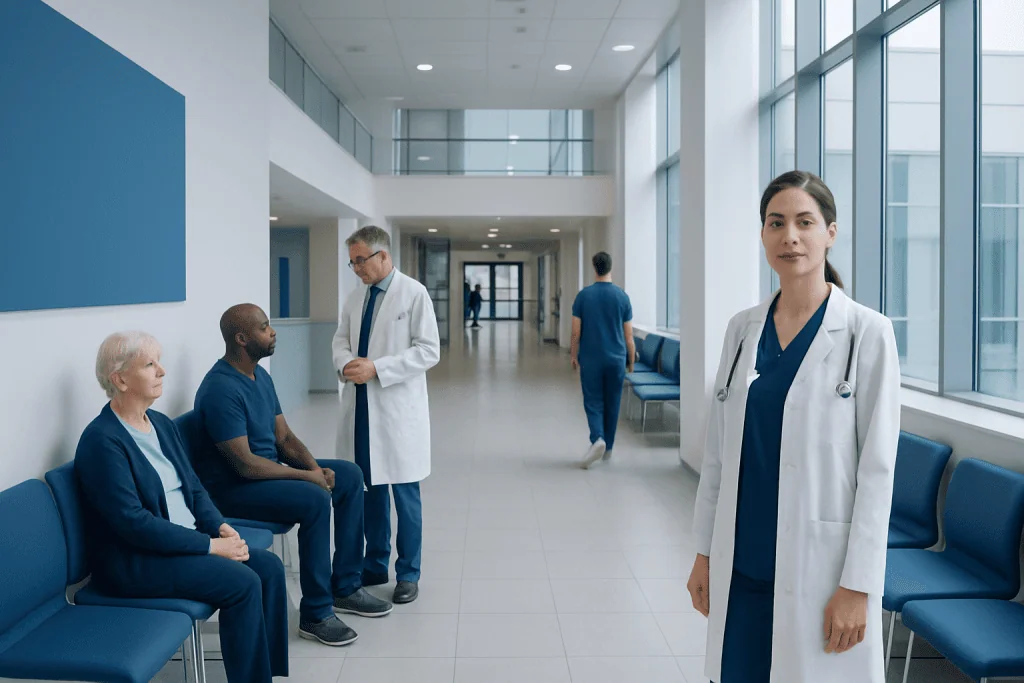
There is no reliable medical basis for repeating unverified claims about a celebrity having cancer. Health information is most trustworthy when it comes from the person involved, their authorized representatives, or qualified medical professionals.
Key Takeaways
- There is no reliable medical basis for repeating unverified claims about a celebrity having cancer.
- Health information is most trustworthy when it comes from the person involved, their authorized representatives, or qualified medical professionals.
- Online rumors can spread quickly because headlines, clips, and social posts may lack context.
- Learning how cancer is actually diagnosed can help readers recognize why speculation is inappropriate and misleading.
- Trusted organizations and doctors are better sources for cancer information than anonymous posts or gossip accounts.
Public curiosity about a celebrity’s health can spread quickly online, but rumors are not the same as facts. When people ask whether John Cena has cancer, the safest answer is to rely on verified statements and trusted medical sources rather than speculation.
Overview
Questions such as whether a public figure has cancer often begin with a clip, headline, or social media post taken out of context. In the case of John Cena cancer rumors, readers may come across claims online without any confirmed medical statement attached to them. In situations like this, it is important to separate public curiosity from verified health information.
Cancer is a serious medical diagnosis that cannot be confirmed by appearance, short videos, interviews, or online discussion. A diagnosis typically depends on medical history, physical examination, imaging, laboratory tests, and often a biopsy. Without a direct statement from the individual or a confirmed source, repeating a rumor can spread misinformation.
This article does not diagnose any individual. Instead, it explains why celebrity health rumors should be treated carefully, how reliable health information is confirmed, and what patients can learn from using trustworthy sources when reading about cancer.
Why celebrity health rumors spread
Celebrity stories attract attention, and health-related stories often spread especially fast because they trigger concern, sympathy, or surprise. A photograph, a change in appearance, a missed event, or a brief comment can be enough to fuel speculation. Once repeated across social platforms, a rumor may begin to look credible even when there is no evidence behind it.
Another reason rumors spread is that many online posts are designed to gain clicks rather than inform. Sensational wording may imply a diagnosis without offering proof. In some cases, old images, unrelated health topics, or inaccurate summaries are reused to create a dramatic story.
For readers, the safest approach is to pause before sharing. If a claim about cancer cannot be traced to a direct statement, a reputable news organization using verified sourcing, or a qualified medical source discussing the condition in general, it should not be treated as fact.
- Headlines may exaggerate or remove context.
- Photos cannot confirm a medical diagnosis.
- Anonymous accounts are not medical sources.
- Repeated claims are not the same as verified facts.
What counts as a reliable source

Reliable health information usually comes from a small number of trusted places. For a public figure’s personal health, the strongest sources are a direct public statement from the individual, an authorized representative, or a clearly attributed interview in a reputable outlet. Even then, privacy matters, and not every detail must be public.
For understanding cancer itself, trusted sources include major cancer organizations, public health agencies, and board-certified doctors speaking within their area of expertise. These sources explain symptoms, diagnosis, treatment, and prevention in general terms without making unsupported claims about a specific person.
Readers can ask a few simple questions before believing a post: Who is saying this? How do they know? Is the information current? Is there evidence? Does the source have medical or editorial accountability? If the answer is unclear, the information should be viewed with caution.
When someone needs medically reviewed information about cancer, it is better to read educational material from recognized health institutions than to rely on social media speculation. This helps protect both accuracy and personal dignity.
How cancer is actually diagnosed
One reason rumors are unreliable is that cancer cannot be diagnosed through guesswork. Doctors begin with a medical history and symptom review, followed by a physical examination. Depending on the concern, they may recommend blood tests, imaging studies, or referral to a specialist.
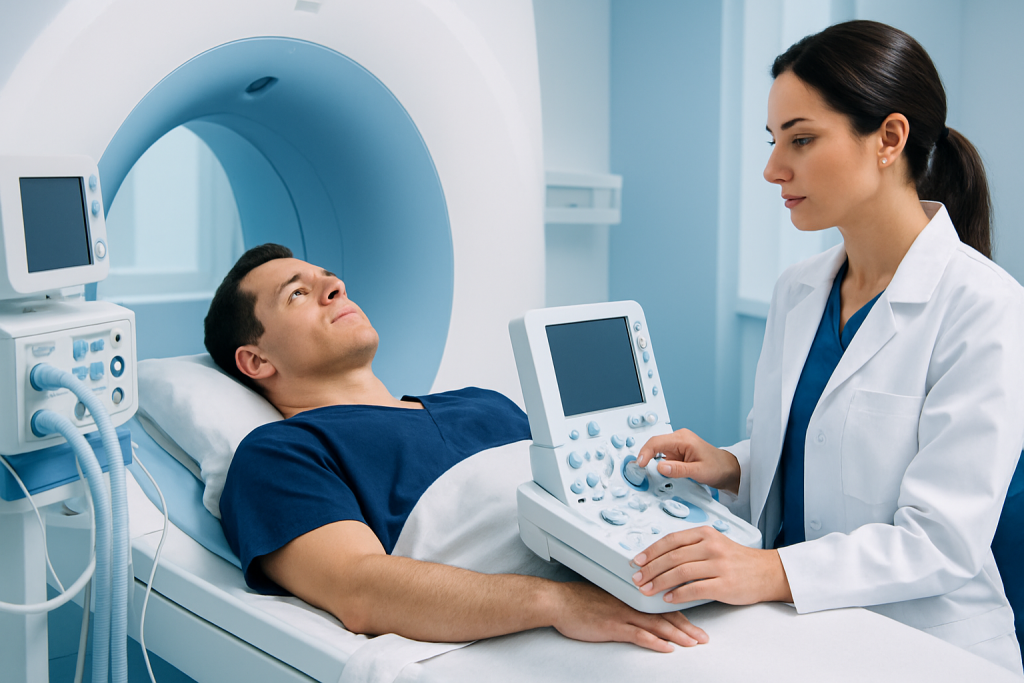
Imaging may include X-ray, ultrasound, CT, MRI, or PET-based studies, depending on the suspected area of the body. These tests can identify abnormalities, but imaging alone does not always confirm whether a growth is cancerous. A tissue sample is often needed for certainty.
A biopsy is one of the most important steps in confirming many cancers. During a biopsy, a doctor removes a small tissue sample so specialists can examine it under a microscope. This process helps determine whether cancer is present and, if so, what type it is.
In many cases, diagnosis also involves pathology review and staging tests to understand how far a disease has spread. This is why assumptions based on appearance are misleading. Proper evaluation may involve MRI scans, PET-CT imaging, or a biopsy when clinically appropriate.
Why misinformation about cancer matters
Misinformation may seem harmless when presented as gossip, but it can have real effects. For the person involved, false rumors can invade privacy and create emotional strain. For the public, inaccurate stories may distort understanding of how cancer looks, feels, or is diagnosed.
Rumors can also lead people to compare themselves unfairly with a celebrity’s appearance or daily activity. Some may assume that looking strong means a person cannot be ill, while others may wrongly interpret fatigue, weight change, or skin changes as proof of cancer. In reality, many symptoms are nonspecific and can have numerous causes.
More broadly, health misinformation can distract from evidence-based care. It may encourage self-diagnosis, delay proper evaluation, or create fear about treatments. Patient-friendly education should help people understand warning signs and the value of timely medical assessment, rather than turning serious disease into speculation.
How to evaluate cancer information online
Readers can protect themselves by using a practical checklist. First, look for clear authorship. Trusted articles usually identify the organization, expert, or editorial team responsible for the content. Second, check whether the information explains uncertainty honestly instead of making dramatic claims.
It also helps to compare several reputable sources. If a major claim appears only on gossip accounts or low-quality websites, it may not be reliable. Medical information should be current, balanced, and consistent with established guidance from cancer organizations and physicians.
People looking for general information about symptoms or testing may find educational resources on oncology care useful, but personal diagnosis should always come from a qualified doctor. Near the end of the care journey, patients may also seek support from experienced centers; Acibadem International’s multidisciplinary specialists and JCI-accredited hospitals diagnose and treat cancer for international patients.
- Prefer named experts and established institutions.
- Be cautious with emotional or sensational language.
- Check publication dates and context.
- Avoid sharing claims that are not verified.
- Speak with a doctor about personal symptoms or concerns.
When to seek medical advice for possible cancer symptoms
Although this article focuses on rumors and reliable sourcing, it is still important to know when personal symptoms deserve medical attention. A person should not assume they have cancer based on internet reading alone, but they also should not ignore persistent changes in health.
Medical advice is appropriate for symptoms such as a new lump, unexplained weight loss, ongoing fatigue, unusual bleeding, changes in bowel or bladder habits, a sore that does not heal, persistent cough, or new skin changes. These symptoms do not always mean cancer, but they should be assessed if they continue or worsen.
Early evaluation can provide reassurance, identify treatable noncancerous causes, or detect cancer when treatment may be more effective. The best next step is usually an appointment with a primary care doctor or the appropriate specialist, who can decide whether further testing is needed.
Frequently asked questions
Does John Cena have cancer?
There is no confirmed basis to state that John Cena has cancer unless the information comes from a verified public statement or other reliable source. In the absence of that, it is best to avoid repeating rumors as fact.
Why are celebrity cancer rumors often unreliable?
They often begin with incomplete information, edited clips, old photos, or speculation shared for attention. A medical diagnosis cannot be confirmed by appearance or social media discussion.
How can someone verify health news about a public figure?
The most trustworthy sources are direct statements from the person, authorized representatives, or reputable news outlets using verified sourcing. Gossip pages, anonymous posts, and reposted clips should be treated cautiously.
Can cancer be recognized just by how someone looks?
No. Changes in appearance may have many different causes, and some people with cancer may have no visible signs at all. Proper diagnosis requires medical evaluation and often imaging or biopsy.
What are trustworthy sources for general cancer information?
Reliable sources include organizations such as the World Health Organization, the American Cancer Society, and the National Cancer Institute. Information from qualified doctors and established hospitals can also be helpful when it is evidence-based and current.
What should a person do if they are worried about their own symptoms?
They should speak with a qualified doctor rather than compare themselves with stories online. Persistent or unusual symptoms deserve proper medical assessment so the cause can be identified safely and accurately.
References
- World Health Organization
- American Cancer Society
- National Cancer Institute
- Centers for Disease Control and Prevention
This article is for general information only and is not a substitute for professional medical advice. Please consult a qualified doctor about your individual situation.
Oncology care in Turkey — second opinion and treatment plan
JCI-accredited · board-certified surgeons · reply within 24h
Add us as a Preferred Source to see more of our trusted health content across Google Search, AI Overviews and Discover.