Does Radiation Cause Tumors: How It Works, Results and What to Expect

Radiation therapy is used to destroy cancer cells, shrink tumors, relieve symptoms, or reduce the chance of cancer returning. A radiation-related second cancer is an uncommon late effect that may occur years or decades after treatment.
Key Takeaways
- Radiation therapy is used to destroy cancer cells, shrink tumors, relieve symptoms, or reduce the chance of cancer returning.
- A radiation-related second cancer is an uncommon late effect that may occur years or decades after treatment.
- Modern planning and image guidance help focus radiation on the target and reduce dose to nearby healthy tissues.
- Side effects depend on the treatment area, dose, schedule, and a person's general health; many are temporary and manageable.
- The treatment team monitors treatment response and side effects and can adjust supportive care throughout the process.
Radiation therapy does not usually cause tumors; it is a carefully planned cancer treatment that damages tumor cells while limiting exposure to healthy tissue. A new cancer caused by previous radiation is possible but rare, typically developing many years later, and this risk is weighed against the expected benefit of treating the current cancer.
Does radiation cause tumors? The direct answer
Radiation therapy is designed to treat tumors, not cause them. It uses high-energy radiation to damage the DNA inside cancer cells so they can no longer divide effectively. Because cancer cells often grow and repair damage less effectively than normal cells, they may be more vulnerable to radiation treatment.
It is possible, though uncommon, for radiation exposure to contribute to a new, different cancer later in life. This is called a radiation-induced or secondary cancer. When it occurs, it usually develops many years—often a decade or more—after treatment, rather than during or shortly after radiation therapy.
For people whose cancer is likely to respond to radiation, the benefit of controlling or curing the current cancer generally outweighs the small long-term risk of a second cancer. Radiation oncologists use individualized planning, imaging, shielding when appropriate, and modern delivery methods to minimize radiation to healthy tissues.
How radiation therapy works against tumors
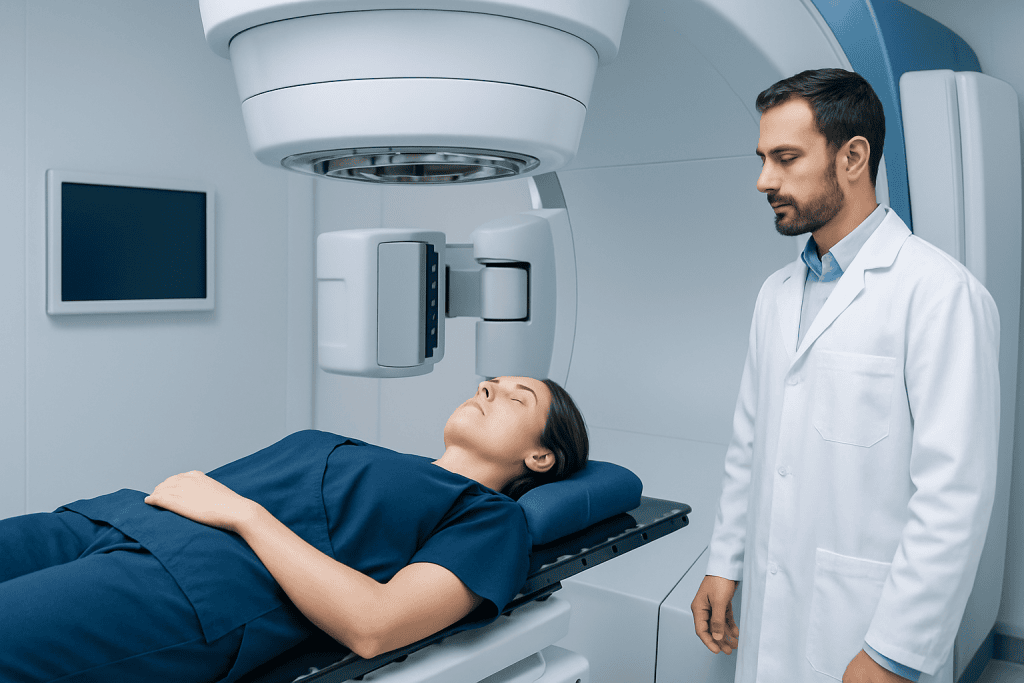
Radiation therapy delivers energy to a defined treatment area. The radiation creates damage within cells, especially DNA damage. Cancer cells may stop growing, die, or become easier for the body’s natural processes to clear. The response is usually gradual, so a tumor may continue shrinking for weeks or months after treatment has ended.
External-beam radiation therapy is the most common approach. A machine directs precisely planned beams toward the tumor from outside the body. Other options include internal radiation, also called brachytherapy, in which a radiation source is placed in or close to the tumor for selected cancers.
The purpose of treatment varies. Radiation may be used as the main treatment, before surgery to reduce a tumor, after surgery to lower the risk of recurrence, or alongside systemic treatments such as chemotherapy, targeted therapy, or immunotherapy. It can also provide symptom relief, for example when a tumor causes pain, bleeding, or pressure.
- Curative treatment: aims to eliminate cancer or achieve long-term control.
- Adjuvant treatment: helps reduce the chance of cancer returning after another treatment.
- Palliative treatment: aims to relieve symptoms and support comfort and daily function.
Candidacy and treatment planning
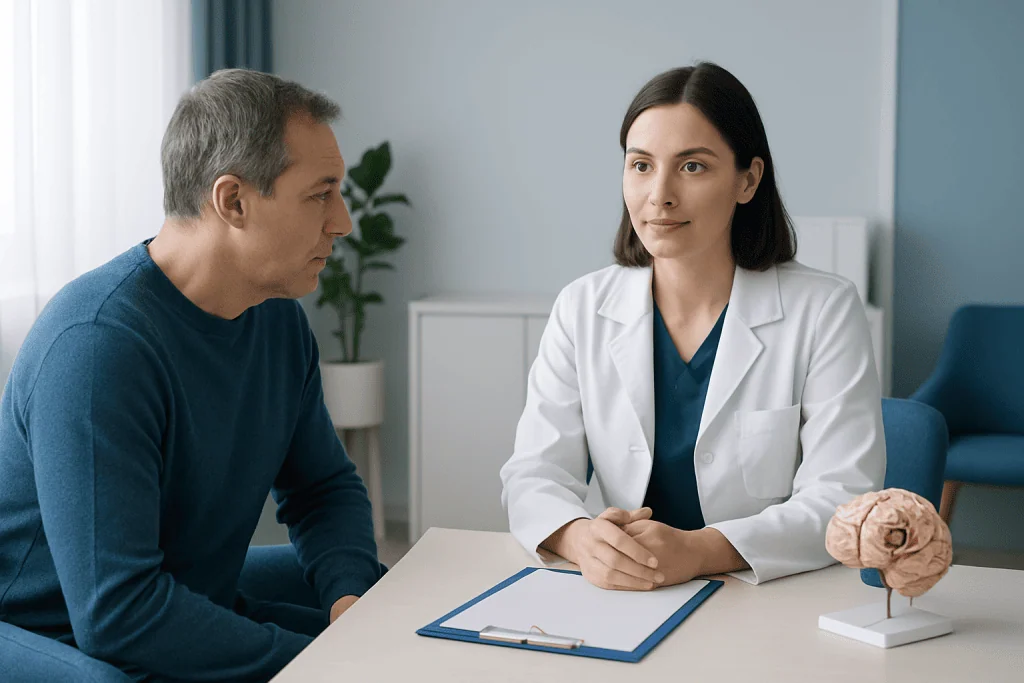
Whether radiation therapy is appropriate depends on the cancer type, its location, size, stage, biological features, previous treatments, and the person’s overall health. A multidisciplinary team may include a radiation oncologist, medical oncologist, surgeon, radiologist, pathologist, specialist nurses, dietitians, and rehabilitation professionals.
Before treatment begins, the radiation oncology team carries out a planning process called simulation. This commonly includes a CT scan in the treatment position and may include MRI or PET images. Immobilization devices, such as a customized mask for head and neck treatment or a body support, help the patient stay in the same position each day.
Specialized software creates a treatment plan that maps the tumor and nearby organs. The team balances the dose needed to treat the tumor with the need to protect normal tissues. Previous radiation treatment, pregnancy, certain connective-tissue conditions, implanted medical devices, and the ability to lie still may require additional planning or affect which approach is recommended.
For patients considering treatment abroad, Acibadem International’s multidisciplinary specialists and JCI-accredited hospitals can coordinate assessment and cancer care for international patients.
What happens during radiation treatment?
After simulation and planning, the treatment team reviews the schedule, expected side effects, skin-care guidance, medicines, and contact information. External-beam radiation is commonly delivered on weekdays over several days or weeks, although some cancers can be treated with fewer, larger sessions. The schedule is specific to the diagnosis and treatment goal.
At each appointment, radiation therapists help position the patient using the markings, mask, or support device created during planning. Imaging may be taken before or during treatment to confirm accurate positioning. The patient is alone in the room for beam delivery, but the team can see, hear, and speak with them throughout.
The radiation itself is painless and cannot usually be felt. The machine may move around the treatment table and make sounds, but it does not touch the patient. A typical appointment may take longer for positioning and imaging than for actual radiation delivery. External-beam treatment does not make a person radioactive afterward, so it is safe to be around family and friends.
Regular review visits allow the team to check symptoms, nutrition, hydration, emotional wellbeing, and treatment progress. Patients should report new or worsening symptoms rather than waiting for the next scheduled review.
Can radiation completely get rid of a tumor?
Radiation can completely eliminate some tumors, particularly when cancer is localized and is known to be radiation-sensitive. It may be used with curative intent as the main treatment or combined with surgery and/or systemic therapy. Whether a tumor disappears depends on many factors, including cancer type, size, location, stage, and tumor biology.
A visible mass does not always disappear immediately, even when treatment has been successful. Radiation-related changes, inflammation, or scar tissue can remain on scans for some time. The oncology team interprets follow-up imaging together with symptoms, examination findings, and sometimes blood tests or biopsy results.
For other cancers, radiation may shrink a tumor enough to make surgery safer, reduce the chance of local recurrence, or control symptoms. A clear discussion of the treatment goal helps patients understand what results are realistic in their individual situation.
Benefits, risks, and recovery after radiation
The main benefit of radiation therapy is focused treatment of cancer in a specific part of the body. It can preserve organs and function in some situations, avoid or reduce the extent of surgery, and relieve troublesome symptoms. Modern techniques aim to deliver the required dose with greater precision than older methods.
Side effects are related to the body area being treated. Common short-term effects include tiredness, skin redness or sensitivity in the treatment field, and inflammation of nearby tissues. Depending on the site, this can mean mouth soreness or swallowing difficulty, nausea or bowel changes, urinary symptoms, cough, or temporary hair loss within the treated area.
Many acute side effects build gradually during treatment and improve over several weeks after it ends. Some late effects can develop months or years later and may include tissue stiffness, changes in organ function, hormonal effects, fertility concerns, or a small risk of a second cancer. The individual risk depends on the treatment field and dose, age, other treatments, and personal health history.
Recovery is supported by rest balanced with gentle activity, adequate fluids, nourishing meals, skin care advised by the treatment team, and taking prescribed medicines as directed. Follow-up appointments remain important after treatment, both to assess cancer control and to identify late effects early.
What I wish I knew before radiation?
Many people find it helpful to know that radiation is a process rather than a single event. Planning is detailed, daily positioning matters, and side effects may not appear immediately. Bringing questions to appointments and keeping a simple record of symptoms, food intake, and energy levels can make discussions with the treatment team easier.
Fatigue is common and is not always proportional to activity. It may be caused by the treatment itself, travel to appointments, sleep disruption, emotional stress, anemia, pain, or reduced food intake. Planning practical support for transport, meals, work, caregiving, and household tasks can reduce pressure during treatment.
Patients can ask about the treatment goal, number of sessions, expected short- and long-term effects, skin-care instructions, nutrition support, fertility preservation where relevant, and whom to contact outside clinic hours. They should not use supplements, creams, or herbal products on the treatment area without discussing them with the radiation team, as some products can interfere with care or irritate the skin.
What is the downside of radiation for cancer?
The downside of radiation therapy is that normal cells in or near the treatment area can also be affected. Although healthy cells often recover better than cancer cells, this can cause temporary or longer-lasting side effects. The exact balance of benefit and risk is different for every cancer and should be discussed before treatment starts.
Some effects are specific to the treatment site. Radiation near the chest can affect the lungs or heart; treatment to the pelvis may affect bowel, bladder, sexual function, or fertility; and treatment to the head and neck can affect saliva, taste, teeth, swallowing, or thyroid function. These effects are not inevitable, and the team takes steps to reduce them where possible.
A small long-term risk of secondary cancer is another consideration, especially for younger people expected to live for many years after successful treatment. It is important to place this risk in context: untreated or inadequately treated cancer can pose a much more immediate and serious threat. Shared decision-making helps ensure that the proposed plan reflects the person’s diagnosis, priorities, and alternatives.
What are the hardest days after radiation treatment? When to seek medical care
For many people, the most difficult period is toward the end of treatment and during the first one to two weeks afterward. Radiation effects can continue to build briefly after the final session before they begin to settle. The timing varies by treatment site, total dose, other cancer treatments, and individual health.
Tiredness and local symptoms, such as skin irritation or soreness in the treated area, may be most noticeable during this period. Some effects improve within a few weeks, while healing of sensitive tissues may take longer. The radiation team can recommend medicines, skin care, dietary changes, rehabilitation, and other supportive measures.
Medical care should be sought promptly for severe or rapidly worsening pain, fever, shortness of breath, chest pain, confusion, persistent vomiting, dehydration, significant bleeding, inability to eat or drink, or an allergic reaction to a medicine. Patients should also contact their cancer team for worsening skin reactions, new weakness or numbness, uncontrolled diarrhea, painful urination, or any symptom that feels concerning.
Even after recovery, people should attend scheduled follow-up visits and tell future clinicians about prior radiation therapy. New, persistent symptoms should be assessed rather than assumed to be a treatment effect.
Frequently asked questions
Does radiation cause tumors later in life?
Radiation therapy can very rarely contribute to a new cancer later in life, known as a radiation-induced secondary cancer. This usually occurs years or decades after treatment and is different from the original cancer returning. The risk is considered during treatment planning and is generally outweighed by the benefit of treating the current cancer when radiation is recommended.
Is a person radioactive after external-beam radiation therapy?
No. External-beam radiation does not leave radiation in the body, so the person is not radioactive after each session. It is safe to be near family members, children, and pregnant people. Separate safety guidance may be needed for some forms of internal radiation therapy.
Can radiation make a tumor grow?
Radiation is intended to damage tumor cells and stop their growth. Scans shortly after treatment can sometimes show swelling or inflammation, which may make the treated area appear larger before it improves. The oncology team uses the timing of scans and other clinical information to distinguish treatment effects from tumor growth.
How long do radiation side effects last?
Many side effects begin during treatment, peak near the end or shortly afterward, and improve over several weeks. The duration varies depending on the body area treated, dose, other therapies, and individual factors. Some late effects can occur months or years later, which is why follow-up care is important.
Should a patient avoid family members during radiation treatment?
People receiving external-beam radiation can continue normal contact with others because they do not become radioactive. A radiation oncologist will provide specific instructions if internal radiation, radioactive implants, or radioactive medicines are used. Following the care team's individualized advice is the safest approach.
What should a patient ask before starting radiation therapy?
Helpful questions include the goal of treatment, expected benefits, likely short- and long-term side effects, number of visits, effects on work or daily life, and available supportive care. Patients may also ask about fertility, sexual health, nutrition, dental care, and how to contact the team for urgent concerns. Writing questions down and bringing a support person can be useful.
References
- National Cancer Institute
- American Cancer Society
- American Society for Radiation Oncology
- World Health Organization
- Cancer Research UK
This article is for general information only and is not a substitute for professional medical advice. Please consult a qualified doctor about your individual situation.
Oncology care in Turkey — second opinion and treatment plan
JCI-accredited · board-certified surgeons · reply within 24h
Add us as a Preferred Source to see more of our trusted health content across Google Search, AI Overviews and Discover.