Does Sauna Burn Calories? Here Is What the Evidence Says

A sauna increases heart rate and energy use slightly, so some calories are burned. The calorie burn from sauna use is much lower than from moderate or vigorous exercise.
Key Takeaways
- A sauna increases heart rate and energy use slightly, so some calories are burned.
- The calorie burn from sauna use is much lower than from moderate or vigorous exercise.
- Weight lost right after a sauna is mainly water weight and usually returns after rehydration.
- Saunas may support relaxation and recovery, but they are not a primary method for fat loss.
- People with heart disease, low blood pressure, pregnancy, or dehydration risk should ask a doctor before using a sauna.
Yes, a sauna does burn some calories, but usually only a small amount. Most short-term weight change after a sauna comes from fluid loss through sweating, not meaningful fat loss.
Overview: Does sauna burn calories?
For most healthy adults, using a sauna is harmless when it is done for a short time, with fluids, and without alcohol or overheating. The short answer is yes: a sauna does burn some calories because the body works to cool itself and the heart rate may rise. However, the amount is usually modest, and it is not comparable to the calorie burn from walking, cycling, or strength training.
This question often comes up because people may notice a lower number on the scale after a sauna session. In most cases, that change reflects water loss from sweating rather than loss of body fat. Once fluids are replaced, body weight usually returns close to baseline.
The evidence suggests that sauna bathing can slightly increase energy expenditure for a short period, but it should be viewed as a wellness practice rather than a weight-loss treatment. People may enjoy saunas for comfort, relaxation, and recovery, yet it is important to separate those benefits from claims about rapid fat burning.
What actually happens in the body during a sauna
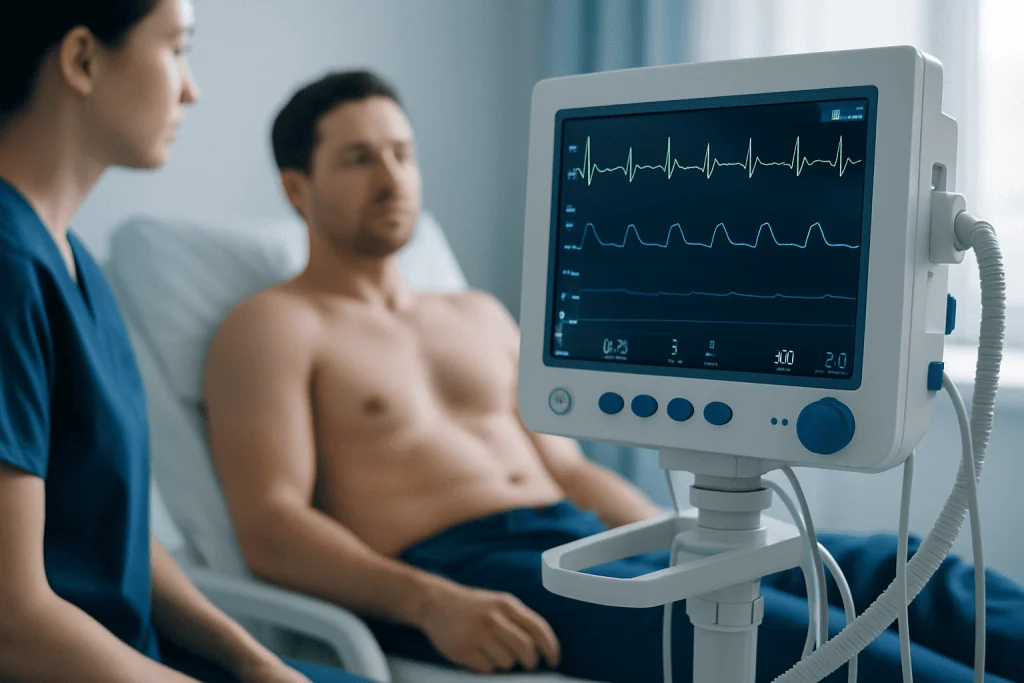
When a person sits in a hot sauna, the body responds by widening blood vessels in the skin and increasing sweat production. Heart rate often rises, sometimes in a way that resembles light physical effort, because the body is trying to release heat and maintain a stable internal temperature.
This response uses energy, which means some calories are burned. But the main job of the body in this setting is temperature regulation, not producing the metabolic changes that come with sustained exercise. During exercise, muscles contract repeatedly and demand large amounts of energy. In a sauna, that muscular work is mostly absent.
Sweating itself is also commonly misunderstood. Sweat is a cooling mechanism, not a sign that fat is being melted away. A heavy sweat session can make a person feel lighter temporarily, but the body is losing fluid and electrolytes, not directly removing body fat through the skin.
For some people, the warm environment may also create a sense of relaxation or temporary relief of muscle tension. That can be helpful in a broader wellness plan, but it does not change the basic physiology of calorie balance.
How many calories can a sauna burn?

There is no single exact number because calorie burn in a sauna depends on body size, sauna temperature, humidity, length of time, hydration status, age, and overall health. In general, the extra calorie use appears to be relatively small to modest. Claims that a short sauna session burns the same calories as a workout are not well supported by strong clinical evidence.
A more realistic way to think about it is that a sauna may raise energy expenditure above resting levels for a limited time, but not enough to replace movement-based activity. Walking, swimming, cycling, and resistance training remain far more effective for changing body composition because they increase total energy use and help preserve or build muscle.
It is also important to avoid treating sweat volume as a calorie measure. A person who sweats more in heat has not necessarily burned more fat. Individual sweating rates vary widely, and visible sweating does not reliably predict meaningful calorie expenditure.
People looking for evidence-based weight management strategies usually benefit more from a consistent plan that includes nutrition, sleep, physical activity, and medical guidance when needed. In some situations, structured support through obesity treatment options may be discussed if excess weight is affecting health and lifestyle measures have not been enough.
Sauna, weight loss, and fat loss: the key difference
The most important distinction is between weight loss on the scale and loss of body fat. After a sauna, the number on the scale may drop because the body has lost water through sweat. This can happen quickly, but it is usually temporary. After drinking fluids and eating normally, the weight often returns.
Fat loss happens when the body uses stored energy over time, usually through a sustained calorie deficit supported by healthy eating and regular physical activity. A sauna by itself does not create the kind of ongoing metabolic demand needed for significant fat reduction. That is why sauna use should not be presented as a shortcut for body fat loss.
That said, some people find sauna sessions helpful as part of a larger health routine. For example, relaxation after exercise may make a person more likely to maintain healthy habits over time. If sauna use supports stress management or recovery, it can fit into a balanced lifestyle, but it should not be mistaken for a primary fat-loss tool.
If a person is concerned that weight gain could relate to an underlying health issue rather than lifestyle alone, a doctor may consider conditions that affect metabolism, such as thyroid problems or other endocrine disorders, depending on the wider clinical picture and symptoms.
Potential benefits and limitations beyond calorie burning
Many people use saunas because they feel calm and restorative. Some studies suggest sauna bathing may support relaxation, temporary relief of muscle soreness, and a sense of well-being. It may also raise circulation to the skin and produce a pleasant feeling of warmth after physical activity.
However, these possible benefits should be kept in perspective. Sauna use is not a substitute for cardiovascular training, strength training, sleep, or a nutritious diet. It also should not be used to “sweat out” illness or to aggressively force rapid weight changes.
There are practical limitations too. People who stay in too long or do not drink enough fluids can become dehydrated. Heat exposure may also trigger dizziness, lightheadedness, headache, nausea, or weakness. These effects are more likely in very hot settings, after alcohol use, during illness, or when a person already has low fluid levels.
For people exploring weight-related health concerns, doctors may look at the whole picture rather than a single habit such as sauna bathing. When there are symptoms like snoring, daytime fatigue, or poor sleep alongside weight concerns, evaluation for related conditions such as sleep apnea may be useful.
Who should be careful with sauna use?
Saunas are not appropriate for everyone. Extra caution is important for people with unstable heart disease, uncontrolled blood pressure, recent fainting, severe dehydration, fever, active infection, or a condition that makes heat intolerance more likely. Pregnant individuals and older adults may also need individual medical guidance, depending on their health status.
People taking medications that affect blood pressure, fluid balance, or sweating may be more vulnerable to side effects from heat exposure. This includes some diuretics and other medicines that can increase dehydration risk. Anyone unsure should ask a doctor or pharmacist whether sauna use is sensible for them.
In some people, heat can trigger palpitations, chest discomfort, or dizziness. If that happens, the person should leave the sauna, cool down, and rehydrate. Persistent or repeated episodes deserve medical review, especially if there is a personal history of heart disease or unexplained fainting.
For individuals who already have symptoms such as exertional chest tightness, shortness of breath, or irregular heartbeat, medical evaluation is more important than trying to estimate sauna calorie burn. In selected cases, doctors may recommend further cardiology assessment before continuing sauna use.
When to seek medical care
Most questions about sauna and calorie burn do not require urgent medical attention. Still, medical review is important if sauna use is followed by chest pain, severe shortness of breath, fainting, confusion, persistent vomiting, marked weakness, or signs of heat illness. These symptoms are not considered a normal part of sauna use.
A person should also speak with a doctor if they regularly feel dizzy in hot environments, have a known heart condition, are trying to lose weight but notice unexplained weight changes, or are relying on saunas instead of evidence-based weight management. Ongoing fatigue, swelling, excessive thirst, or intolerance to heat can point to medical issues that deserve proper assessment.
During a medical visit, the doctor typically begins with a history and physical examination. They may ask about sauna habits, hydration, medications, symptoms during heat exposure, exercise tolerance, blood pressure, and recent weight changes. Depending on the situation, tests may include blood pressure measurement, blood tests, heart tracing, or review for metabolic or endocrine conditions.
Near the end of a care pathway, some patients may need support from more than one specialty, especially if weight concerns overlap with heart, hormonal, or sleep symptoms. Acibadem International’s multidisciplinary specialists in JCI-accredited hospitals diagnose and treat these concerns for international patients when broader evaluation is needed.
Safe use and practical self-care tips
For healthy adults who choose to use a sauna, sensible habits can reduce risk. It helps to start with shorter sessions, drink water before and after, and leave the sauna promptly if any discomfort begins. Alcohol should be avoided before and during sauna use because it increases the risk of dehydration and impaired judgment.
It is also wise to avoid using a sauna when ill with fever, after prolonged intense exercise without rehydration, or when feeling lightheaded. Cooling down gradually afterward may feel more comfortable than abrupt temperature extremes, especially for people who are new to sauna bathing.
For body-weight goals, the best approach is to treat sauna use as optional rather than essential. The foundations remain a balanced eating pattern, regular movement, strength-building exercise, good sleep, and medical advice when weight changes are difficult to explain or manage. If there are broader metabolic concerns, a doctor may consider whether an endocrinology evaluation would be helpful.
- Use a sauna for comfort or relaxation, not as a replacement for exercise.
- Rehydrate after sweating, since most immediate weight loss is water loss.
- Stop right away if dizziness, chest discomfort, or nausea develops.
- Ask a doctor before sauna use if there is heart disease, pregnancy, low blood pressure, or medication-related dehydration risk.
Frequently asked questions
Does sauna burn calories enough to lose weight?
A sauna burns some calories, but usually not enough to drive meaningful weight loss on its own. Most of the immediate change seen on the scale after a sauna is water loss, which returns after rehydration.
Is sweating in a sauna the same as burning fat?
No. Sweating is the body's cooling response and mainly reflects fluid loss. Fat loss happens over time when the body uses more energy than it takes in, usually with diet and exercise changes.
Can a sauna replace exercise for calorie burning?
No, a sauna should not be considered a replacement for exercise. Exercise uses more energy, improves cardiovascular fitness, and helps maintain or build muscle, which a sauna does not do.
Why does body weight drop after a sauna?
The short-term drop is mostly due to sweating and temporary fluid loss. After drinking water and eating normally, the body usually regains that lost fluid and the weight often returns.
Is sauna use safe every day?
For some healthy adults, regular sauna use may be safe if sessions are moderate and hydration is adequate. But people with heart conditions, low blood pressure, pregnancy, or certain medications should ask a doctor for individual advice.
Who should avoid a sauna or get medical advice first?
People with unstable heart disease, recent fainting, severe dehydration, fever, or symptoms such as chest pain or palpitations should seek medical advice before using a sauna. Anyone who repeatedly feels dizzy or unwell in heat should also be evaluated.
References
- World Health Organization
- American Heart Association
- National Institutes of Health
- Centers for Disease Control and Prevention
- Mayo Clinic
This article is for general information only and is not a substitute for professional medical advice. Please consult a qualified doctor about your individual situation.
Medical weight-loss options in Turkey — costs & eligibility
JCI-accredited · board-certified surgeons · reply within 24h
Add us as a Preferred Source to see more of our trusted health content across Google Search, AI Overviews and Discover.
Check your numbers in seconds
BMI, calories, due date, blood pressure and 30+ more clinical calculators — free, instant, doctor-reviewed ranges.