Double Mastectomy: Candidacy, Procedure Steps, and Recovery Timeline

Double mastectomy means removal of both breasts and may be done for treatment or risk reduction. Not everyone with breast cancer needs a double mastectomy; candidacy is individualized.
Key Takeaways
- Double mastectomy means removal of both breasts and may be done for treatment or risk reduction.
- Not everyone with breast cancer needs a double mastectomy; candidacy is individualized.
- The procedure may or may not preserve the nipple and may be combined with reconstruction.
- Recovery often takes several weeks, with drains, activity limits, and regular follow-up.
- Benefits and risks should be weighed carefully with a breast surgeon and oncology team.
A double mastectomy is surgery to remove both breasts, usually to treat breast cancer in one or both breasts or to lower risk in people with a very high inherited risk. The right approach depends on cancer type, genetics, breast anatomy, overall health, and whether reconstruction is planned.
Overview: What a Double Mastectomy Means
A double mastectomy is an operation that removes both breasts. It may be recommended as treatment when cancer affects both breasts, when disease or risk factors make breast-conserving surgery unsuitable, or when a person has a very high risk of developing breast cancer in the future. In some cases, one breast is removed to treat a known cancer and the other is removed at the same time to reduce future risk.
This procedure is also called bilateral mastectomy. There are different surgical types, including total or simple mastectomy, skin-sparing mastectomy, and nipple-sparing mastectomy. The most appropriate method depends on the cancer’s location and size, breast shape, skin involvement, prior treatments, and whether immediate reconstruction is planned.
For many patients, the decision is medically and emotionally significant. A double mastectomy can reduce future breast cancer risk, but it does not remove every microscopic breast cell, so risk is lowered rather than eliminated. It is important for patients to understand the goal of surgery, expected outcomes, and the alternatives before choosing mastectomy surgery.
Who May Be a Candidate
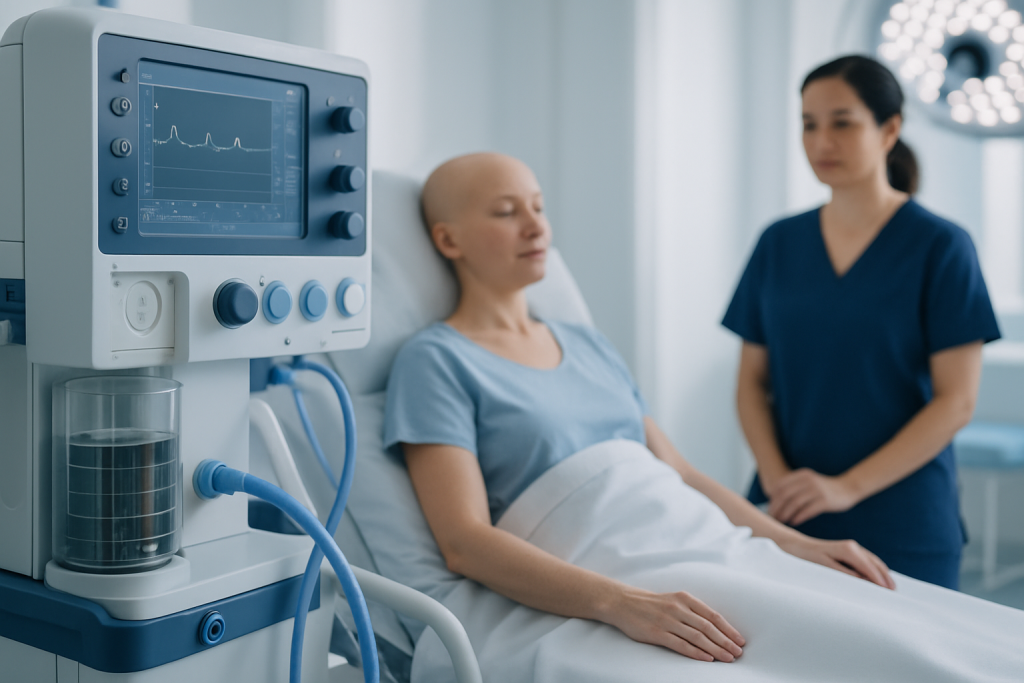
Candidacy for a double mastectomy is individualized. It may be considered for people with cancer in both breasts, multiple tumors in different parts of the breast, widespread ductal carcinoma in situ, recurrent cancer after prior breast-conserving treatment, or a breast that cannot safely receive radiation. It may also be discussed when the breast is very small relative to the tumor, making a good cosmetic result after lumpectomy unlikely.
Some people choose a preventive or risk-reducing double mastectomy because they carry a high-risk inherited mutation, such as BRCA1 or BRCA2, or have a strong family history suggesting markedly elevated lifetime risk. Others may explore surgery after discussions about breast cancer risk, breast imaging findings, and genetic test results. A preventive operation is usually not recommended for average-risk people without a clear medical reason.
Important factors in planning include age, smoking status, diabetes, heart and lung health, body weight, prior chest radiation, and whether reconstruction is desired. These issues may affect healing, infection risk, and the safety of preserving the skin or nipple. Patients usually benefit from evaluation by a breast surgeon and, when appropriate, a plastic surgeon, medical oncologist, radiation oncologist, and genetic counselor.
How the Procedure Works: Step by Step
Before surgery, the team reviews imaging, pathology, medications, allergies, and any plans for reconstruction. Patients may be asked to stop certain blood-thinning medicines, avoid smoking, and complete preoperative testing. The surgeon explains where the incision will be placed, whether the nipple can be preserved, and whether lymph nodes need to be assessed under the arm.
On the day of surgery, the patient receives general anesthesia. The surgeon makes incisions designed for the planned mastectomy type. Breast tissue is removed from both sides, while preserving more or less skin depending on the approach. If cancer treatment requires it, lymph node procedures such as sentinel lymph node biopsy may be performed at the same time. In selected cases, immediate breast reconstruction begins during the same operation.
After the breast tissue is removed, the surgeon checks for bleeding, places drains if needed, and closes the incisions. Dressings and a supportive surgical bra or wrap are usually applied. The removed tissue is sent to pathology, which confirms the diagnosis, margin status when relevant, and other details that help guide next steps in care.
The exact surgery time varies. A double mastectomy without reconstruction is usually shorter than one combined with implant or flap reconstruction. Some patients go home the same day, while others stay in the hospital overnight or longer depending on the complexity of surgery and their medical needs.
Benefits, Limits, and Possible Risks
The main benefit of a double mastectomy is that it can treat certain breast cancers effectively and can greatly reduce future breast cancer risk in carefully selected high-risk patients. Some people also prefer it to lower the chance of needing future breast surgery or intensive imaging of the opposite breast. For those considering reconstruction, operating on both sides may also help achieve better symmetry.
At the same time, a double mastectomy is a major operation and is not automatically associated with better overall survival for every patient with cancer in only one breast. In many cases, breast-conserving surgery plus radiation is a safe and effective alternative. Because the benefits differ from one person to another, the decision should be based on cancer biology, genetics, treatment goals, and personal preferences rather than fear alone.
Risks include bleeding, infection, fluid collection called seroma, delayed wound healing, scarring, arm stiffness, numbness or permanent chest wall sensation changes, and pain that can persist after surgery in some patients. If lymph nodes are removed, lymphedema risk may increase. Reconstruction adds its own possible complications, including implant problems or flap-related healing issues. Patients who smoke or have poorly controlled diabetes may face higher complication rates.
- Potential benefits: cancer treatment, risk reduction, symmetry planning, fewer future breast procedures in some cases
- Potential limits: does not remove all breast cancer risk, longer recovery than smaller operations, possible body image changes
- Potential risks: infection, bleeding, poor wound healing, numbness, seroma, chronic pain, reconstruction complications
Recovery Timeline and Aftercare
Recovery after a double mastectomy varies, especially if reconstruction is performed. In the first few days, it is common to have soreness, chest tightness, fatigue, and limited arm movement. Drains are often in place to remove fluid and are usually removed during follow-up once drainage decreases. Many patients can walk the day of surgery, but lifting, driving, and strenuous activity are restricted for a period advised by the surgeon.
During the first two weeks, the focus is on pain control, drain care, wound checks, and gentle movement. The surgical team may recommend arm and shoulder exercises to reduce stiffness. Good nutrition, hydration, and avoiding tobacco support healing. Fever, increasing redness, worsening swelling, foul-smelling drainage, or sudden shortness of breath need prompt medical attention.
By weeks three to six, many people gradually resume desk work and light daily routines, though energy levels may still fluctuate. If reconstruction was done, recovery may be longer. Final pathology results and any need for additional treatment, such as chemotherapy or radiation, are discussed during follow-up visits.
Longer-term recovery includes scar maturation, adjusting to changes in chest sensation and body image, and rebuilding shoulder mobility and strength. Some patients use external prostheses, while others prefer reconstruction or no further surgery. Emotional recovery matters too, and support groups, counseling, and rehabilitation services can be helpful.
Planning, Alternatives, and Self-care Decisions
Choosing a double mastectomy often involves comparing it with other treatment paths. Depending on the diagnosis, alternatives may include lumpectomy with radiation, single mastectomy, medical therapy before surgery to shrink a tumor, or close surveillance for some high-risk but cancer-free patients. The best option depends on pathology, imaging, genetics, breast size, and personal priorities.
Questions that often help during decision-making include whether the surgery is being considered for treatment or prevention, whether nipple-sparing surgery is safe, whether lymph nodes will be checked, and whether immediate reconstruction is advisable. Patients may also want to ask about expected scars, recovery support at home, possible need for physical therapy, and how surgery may affect sensation, exercise, intimacy, and future screening.
Self-care before surgery can make recovery smoother. Helpful steps include stopping smoking if possible, controlling blood sugar, arranging help for the first days at home, preparing loose front-opening clothing, and learning how drains will be managed. Keeping expectations realistic is important: a double mastectomy can be an appropriate and effective treatment, but it is still major surgery with both physical and emotional effects.
When to Seek Medical Care
Medical review is important for anyone with a new breast lump, nipple discharge, skin dimpling, persistent breast pain, nipple inversion, or changes seen on mammography or ultrasound. These symptoms do not always mean cancer, but they should be assessed by a qualified clinician. People with a strong family history of breast or ovarian cancer may also benefit from risk assessment and genetic counseling.
After a double mastectomy, patients should contact their surgical team promptly if they develop fever, rapidly increasing redness, significant swelling, heavy bleeding, worsening pain not relieved by prescribed treatment, opening of the incision, or sudden arm swelling. Chest pain, severe shortness of breath, or signs of a blood clot require urgent emergency care.
For patients seeking coordinated evaluation and treatment, Acibadem International’s multidisciplinary specialists and JCI-accredited hospitals care for international patients with breast conditions and surgery planning, including mastectomy surgery and reconstructive options when appropriate.
Frequently asked questions
Is a double mastectomy the same as a bilateral mastectomy?
Yes. The terms are commonly used interchangeably and both mean removal of both breasts. The exact surgical technique may differ depending on whether the skin or nipple is preserved and whether reconstruction is planned.
Does a double mastectomy cure breast cancer?
A double mastectomy can be an important part of breast cancer treatment, but it is not described as a guaranteed cure on its own. Outcomes depend on the cancer type, stage, whether lymph nodes are involved, and whether additional treatments such as systemic therapy or radiation are needed.
Can someone choose a double mastectomy even if cancer is in only one breast?
Sometimes, yes, but the decision should be individualized. Some patients consider removal of the opposite healthy breast because of a high-risk gene mutation, a very strong family history, or personal preference after counseling. For many average-risk patients, removing the unaffected breast does not clearly improve survival.
How painful is recovery after a double mastectomy?
Most patients have moderate soreness, tightness, and fatigue in the first days to weeks, but pain is usually managed with a planned recovery regimen. Discomfort often improves gradually, though numbness or altered sensation across the chest can last much longer.
How long does it take to recover from a double mastectomy?
Initial recovery commonly takes several weeks, and full recovery may take longer if reconstruction is done. Many people resume light activities within a few weeks, but lifting and strenuous exercise usually need to wait until the surgeon says it is safe.
Will a person still need screening after a double mastectomy?
Follow-up is still important, although routine mammography may not be needed in the same way after both breasts are removed. The care team usually recommends regular clinical exams and monitoring for symptoms, scars, chest wall changes, and reconstruction-related concerns.
References
- National Cancer Institute
- American Cancer Society
- National Comprehensive Cancer Network
- Centers for Disease Control and Prevention
- American Society of Clinical Oncology
This article is for general information only and is not a substitute for professional medical advice. Please consult a qualified doctor about your individual situation.
Oncology care in Turkey — second opinion and treatment plan
JCI-accredited · board-certified surgeons · reply within 24h
Add us as a Preferred Source to see more of our trusted health content across Google Search, AI Overviews and Discover.