Double Voiding and Incomplete Bladder Emptying

Double voiding involves urinating, pausing briefly, then attempting to urinate again without straining. It can sometimes reduce the feeling of residual urine in the bladder, particularly when advised by a clinician.
Key Takeaways
- Double voiding involves urinating, pausing briefly, then attempting to urinate again without straining.
- It can sometimes reduce the feeling of residual urine in the bladder, particularly when advised by a clinician.
- Repeated incomplete emptying may be related to urinary obstruction, weak bladder muscle activity, pelvic floor dysfunction, medications or nerve-related conditions.
- Pain, fever, blood in urine, inability to urinate, or new weakness require prompt medical assessment.
- A clinician can check bladder emptying with a simple post-void residual urine measurement and recommend treatment based on the cause.
Double voiding is a practical technique in which a person urinates, waits briefly, then tries again to pass any remaining urine. It may be useful for occasional feelings of incomplete emptying, but it does not treat the underlying cause when bladder-emptying problems are frequent or worsening.
What is double voiding?
Double voiding is a bladder-emptying technique: a person urinates as usual, waits for a short time, and then tries to urinate once more. The purpose is to allow any urine left in the bladder after the first attempt to pass naturally. It is sometimes suggested for people who occasionally feel that their bladder has not emptied completely.
The technique is not a diagnosis and is not a cure for urinary symptoms. A small amount of urine normally remains in the bladder after urination. However, a persistent sensation of incomplete emptying, frequent need to return to the toilet, weak urine flow, or recurrent urinary infections may indicate a condition that needs medical evaluation.
Double voiding should be gentle. It does not mean pushing hard with the abdominal muscles or repeatedly straining to force urine out. Straining can tighten the pelvic floor and may make normal emptying more difficult for some people.
How to try double voiding safely
A person can begin by sitting comfortably on the toilet, taking enough time to relax, and urinating without rushing. After the urine flow stops, they can remain seated for about 20 to 30 seconds, breathe normally, and lean slightly forward if comfortable. They can then try to urinate again without bearing down.
For people who stand to urinate, sitting down may support relaxation and more complete bladder emptying. Keeping the feet supported, avoiding hovering over a toilet seat, and allowing privacy and time can also help the pelvic floor relax. The technique should not cause pain or require force.
If no further urine comes, there is no need to continue trying. Repeated trips to the bathroom solely to check whether more urine can be passed may reinforce anxiety around urination and may not be helpful. When double voiding is needed regularly, it is sensible to discuss the symptom with a doctor rather than relying on the technique alone.
Why the bladder may not feel fully empty

The feeling of incomplete bladder emptying does not always mean a large volume of urine remains. It can occur because of bladder irritation, pelvic floor muscle tension, or changes in how bladder sensations are perceived. A urine infection, constipation, stress, and some beverages or medicines may contribute to urinary urgency or altered bladder sensations.
In some cases, urine does remain because the bladder outlet is narrowed or the bladder muscle does not contract effectively. In men, an enlarged prostate can slow urine flow and interfere with emptying. Symptoms linked with prostate enlargement may overlap with those of benign prostatic hyperplasia. Urethral narrowing, bladder stones, pelvic organ prolapse, and prior pelvic surgery can also affect urine flow.
Neurological conditions that affect bladder nerves, diabetes-related nerve damage, and certain medications can reduce bladder contraction or coordination. Medicines that may contribute include some antihistamines, decongestants, antidepressants, opioid pain medicines, and drugs used for overactive bladder. A person should not stop prescribed medication without first speaking with the clinician who prescribed it.
- Weak, slow, interrupted, or spraying urine stream
- Needing to urinate again soon after finishing
- Difficulty starting urination or needing to strain
- Frequent urination, urgency, or leakage
- Repeated urinary tract infections
How clinicians assess incomplete bladder emptying
A clinician will usually ask about urinary symptoms, how long they have been present, fluid intake, bowel habits, medical conditions, medicines, past surgery, and neurological symptoms. A bladder diary that records drinks, toilet visits, urine leakage, and symptoms for several days can provide useful information.
A urine test may help identify infection, blood, glucose, or other findings that require follow-up. A physical examination may include assessment of the abdomen, pelvic organs, prostate when appropriate, and the nervous system. The exact assessment depends on the person’s age, sex, symptoms, and health history.
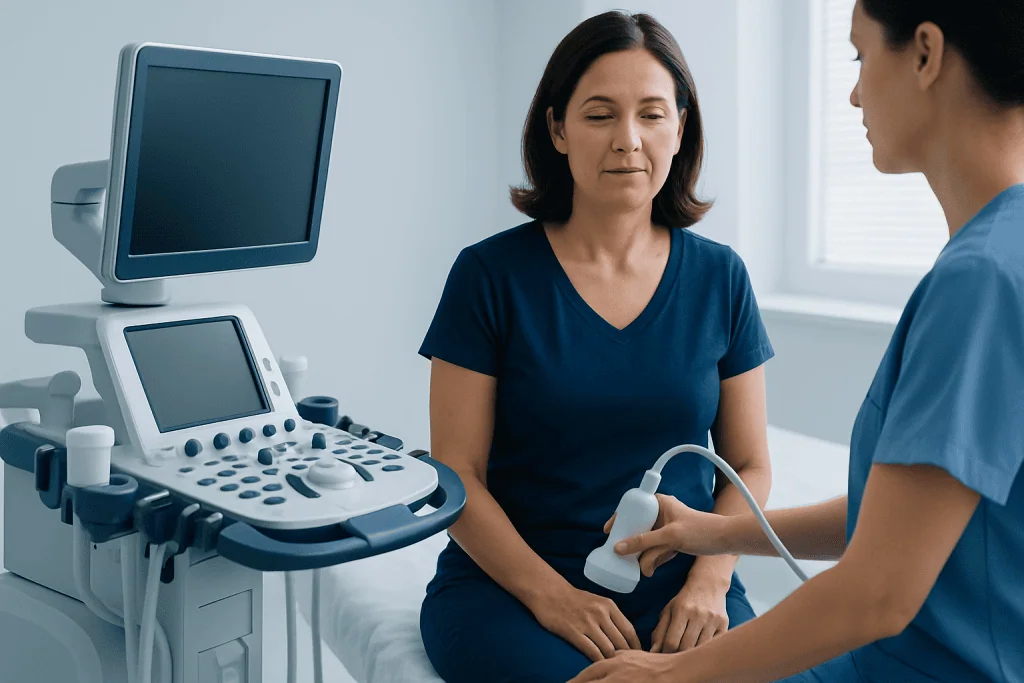
One commonly used test is a post-void residual measurement. This checks how much urine remains in the bladder after urination, usually with a painless ultrasound scan. If needed, further testing may include urine-flow measurement, kidney and bladder imaging, cystoscopy, or urodynamic testing to examine how the bladder and urethra store and release urine.
Treatment depends on the underlying cause
When testing shows meaningful residual urine or another urinary condition, treatment is guided by the cause rather than by double voiding alone. For example, treating constipation, reviewing medicines, managing a urine infection, or addressing pelvic floor muscle function may improve symptoms. A clinician may also recommend changes to fluid timing, bladder habits, or referral for pelvic floor physiotherapy.
For prostate-related urinary symptoms, treatment can include observation, lifestyle measures, medication, or procedures when appropriate. Evaluation and treatment planning for prostate surgery may be considered for selected patients with significant obstruction or complications. The best option depends on symptoms, prostate size, test results, overall health, and personal preferences.
Some people with substantial urinary retention need temporary or longer-term catheter drainage while the cause is investigated and managed. This is decided by a qualified healthcare professional. Prompt treatment is especially important when retention affects kidney function, causes repeated infections, or makes urination impossible.
Everyday measures that may support bladder emptying
Simple habits can support comfortable urination. These include allowing enough time in the bathroom, responding to the urge to urinate without routinely holding urine for long periods, and using a relaxed position. People who have constipation may benefit from addressing it with adequate dietary fibre, fluids appropriate for their health needs, regular activity, and medical advice when symptoms persist.
It can be helpful to avoid very large fluid volumes at one time and to spread fluids across the day. Caffeine and alcohol can worsen urgency and frequency for some people, although they are not the cause of every bladder symptom. Restricting fluids excessively is generally not recommended, as concentrated urine can irritate the bladder and contribute to dehydration.
Pelvic floor exercises are beneficial for some bladder concerns, particularly leakage, but they are not suitable in the same way for everyone with difficulty emptying. People who have a tight or poorly coordinated pelvic floor may need relaxation-focused guidance instead. A pelvic health clinician can help determine the safest approach.
When to seek medical care
Medical advice is appropriate when double voiding is regularly needed, urinary symptoms last more than a short period, or there is a continuing feeling that the bladder does not empty. Assessment is also important for recurrent urinary infections, new nighttime urination, leakage, a weak stream, difficulty starting, or changes that interfere with daily life.
Urgent medical care is needed if a person cannot pass urine despite a painful or swollen lower abdomen. Fever or chills with urinary symptoms, visible blood in the urine, severe back or side pain, vomiting, or confusion also need prompt evaluation. These symptoms can have several causes and should not be managed with double voiding alone.
Acibadem International’s multidisciplinary specialists and JCI-accredited hospitals assess urinary symptoms and provide individualized care for international patients. A doctor can clarify whether double voiding is appropriate and identify any condition that requires specific treatment.
Frequently asked questions
Is double voiding normal?
Occasional double voiding can be a practical way to respond to a temporary feeling that the bladder has not fully emptied. It becomes more important to seek advice when it is needed often or occurs with weak flow, pain, infections, or other urinary changes.
How long should a person wait before trying to urinate again?
A brief pause of around 20 to 30 seconds is usually enough. The person should remain relaxed and avoid straining or forcing urine out.
Can double voiding help with an enlarged prostate?
It may help some people with mild symptoms feel more comfortable after urinating, but it does not reduce prostate enlargement or remove an obstruction. Persistent symptoms should be assessed because prostate conditions have several treatment options.
Can women use double voiding?
Yes. Double voiding may be used by people of any sex when a clinician recommends it or when it is comfortable for occasional incomplete-emptying sensations. Recurrent symptoms in women can be linked to several causes, including infection, pelvic floor problems, prolapse, medication effects, or bladder conditions.
Should a person push or strain during double voiding?
No. Straining may increase pelvic floor tension and can worsen difficulty emptying for some people. The technique should involve a calm pause and a second gentle attempt only.
Does double voiding prevent urinary tract infections?
It is not a proven way to prevent all urinary tract infections. If incomplete emptying is contributing to repeated infections, identifying and treating the underlying reason is more important than relying on a voiding technique alone.
This article is for general information only and is not a substitute for professional medical advice. Please consult a qualified doctor about your individual situation.
Explore treatments in Turkey — costs, top hospitals & a free quote
JCI-accredited · board-certified surgeons · reply within 24h
Add us as a Preferred Source to see more of our trusted health content across Google Search, AI Overviews and Discover.

More from the Health Library

Gamify: A Complete Medical Overview

Maqui Berry: An Evidence-Based Guide for Patients

D Mannose: An Evidence-Based Guide for Patients

Cantaloupe — Explained by Medical Evidence, Not Myths

Fournier’s Gangrene: What Patients Need to Know