

Drop Finger Treatment: How It Works, Results and What to Expect

A drop finger, commonly called mallet finger, occurs when the tendon that straightens the fingertip is injured. Early, continuous splinting is the main treatment for many closed tendon injuries.
Key Takeaways
- A drop finger, commonly called mallet finger, occurs when the tendon that straightens the fingertip is injured.
- Early, continuous splinting is the main treatment for many closed tendon injuries.
- Surgery is not necessary for most people, but may be appropriate when the joint is unstable or a large bone fragment is involved.
- Healing requires patience: even brief bending of the fingertip during splint treatment can delay recovery.
- Prompt assessment is important after a finger injury, especially when there is severe pain, numbness, a wound, or visible deformity.
Drop finger treatment most often involves wearing a fingertip splint continuously so the injured tendon can heal in the correct position. Surgery may be considered for certain fractures, joint misalignment, open injuries, or problems that do not improve with splinting.
Overview: What Does Drop Finger Mean?
Drop finger is a common term for mallet finger, an injury in which the tip of a finger cannot be actively straightened. It happens when the extensor tendon, which runs along the back of the finger and straightens the fingertip, is torn or pulled away from its attachment. In some cases, the tendon pulls off a small piece of bone as well.
Drop finger treatment is usually straightforward when the injury is assessed early. A carefully fitted splint holds the final finger joint straight while the tendon heals. Although the fingertip may remain slightly bent or swollen for a time, many people regain useful hand function with consistent treatment and rehabilitation.
The injury often occurs when a ball, object, or fall forcefully bends the extended fingertip. It may affect any finger, including the thumb, and it can occur during sport, work, or everyday activities. A healthcare professional can distinguish it from other tendon, ligament, joint, or fracture injuries that may need different care.
How Drop Finger Treatment Works
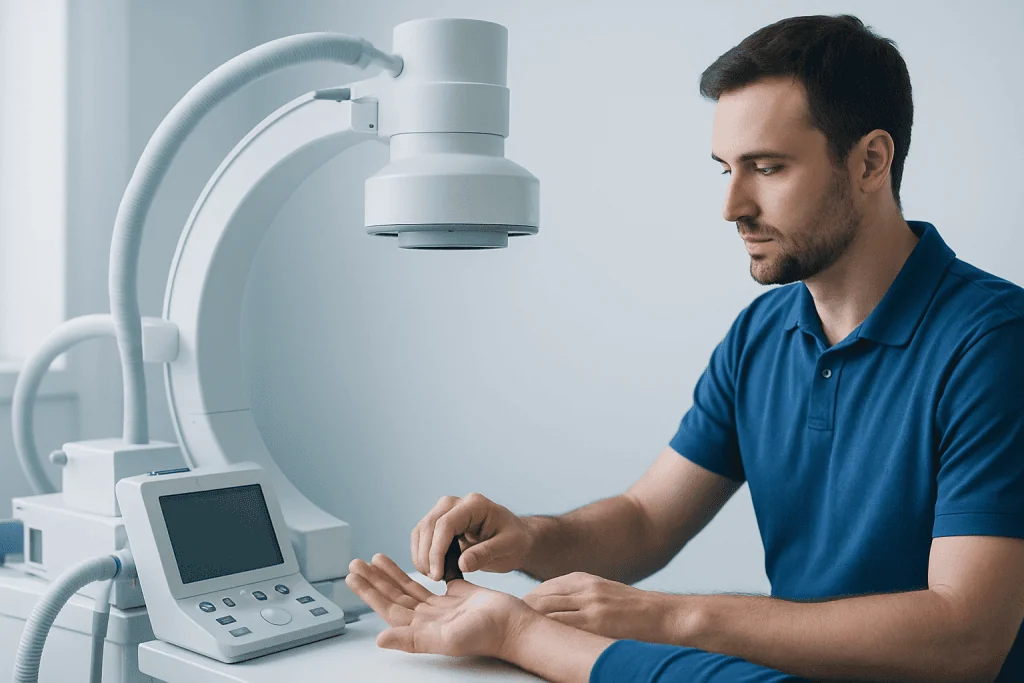
The aim of drop finger treatment is to keep the distal interphalangeal joint, the joint closest to the fingertip, fully straight or very slightly extended while the damaged drop finger tendon reconnects and heals. For a simple closed mallet finger injury, continuous splinting is generally the first treatment. The splint may be made of plastic, metal, or a custom-molded material, provided it keeps the fingertip in the correct position comfortably and securely.
Splinting is commonly needed day and night for several weeks, followed by a period of gradual reduction in splint use as advised by the clinician. The exact duration depends on the injury, examination findings, healing progress, and whether a bone fragment is involved. During the continuous phase, the fingertip should not bend, including while the splint is cleaned or changed, because bending can separate healing tendon ends and may require the treatment period to restart.
Surgery is reserved for selected injuries rather than being routine. It may be recommended if an X-ray shows a large bony fragment, the fingertip joint is displaced or unstable, there is an open wound, or non-surgical treatment cannot maintain joint alignment. Hand surgery may use small pins, wires, sutures, or other fixation methods to restore alignment and support tendon or bone healing.
Candidacy and Assessment Before Treatment
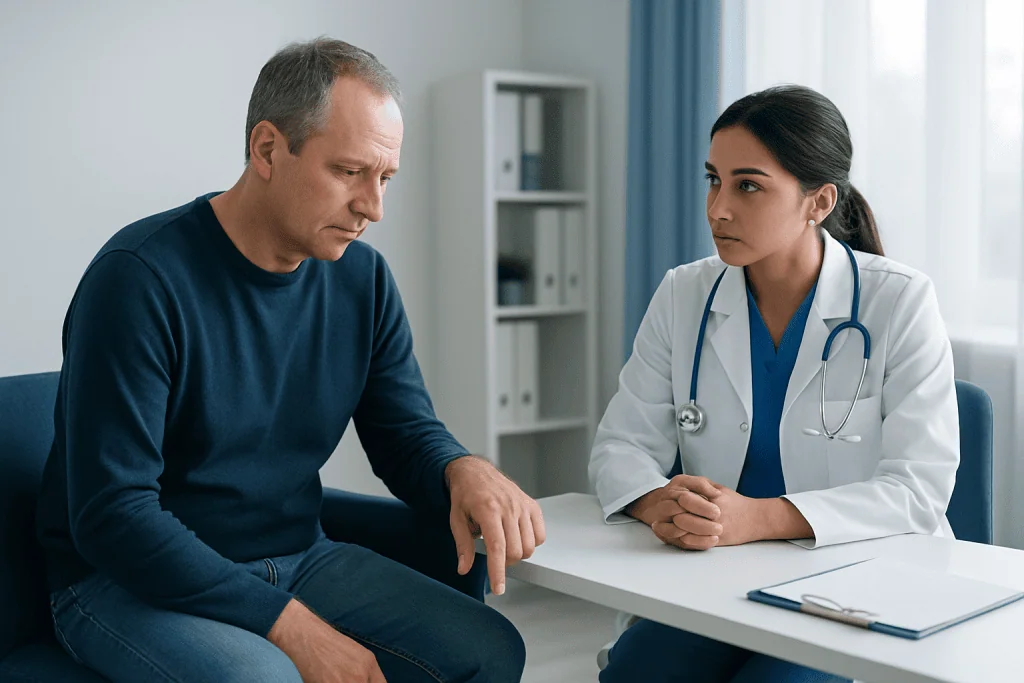
A clinician will ask how the injury happened, when it occurred, whether there was a cut or crush injury, and whether the finger has been treated already. They will examine the finger’s resting position, swelling, skin condition, circulation, sensation, and ability to move each joint. Comparing the injured finger with the other hand helps identify subtle loss of extension.
X-rays are often taken to check for an avulsion fracture, joint alignment, and other fractures. Ultrasound or magnetic resonance imaging is not usually necessary for a typical injury, but may be used when the diagnosis is unclear or another soft-tissue injury is suspected. Assessment is also important for people with diabetes, poor circulation, inflammatory arthritis, or skin conditions that may affect splint tolerance and healing.
Non-surgical care is appropriate for many people with a closed tendon injury and a stable joint. Surgery may be more suitable when the joint has slipped out of position, a substantial part of the joint surface is fractured, or the injury is open. The decision considers the person’s hand function, work and activity needs, medical history, timing of injury, and ability to follow splint or aftercare instructions.
Step by Step: Splinting and Finger Tendon Surgery
For splint treatment, the clinician gently brings the fingertip into the required straight position and fits a splint. They explain how to protect the finger, monitor the skin, and change the splint without allowing the end joint to bend. The middle finger joint is usually left free, allowing the person to maintain movement and reduce stiffness in the rest of the hand.
Follow-up appointments check splint fit, skin health, swelling, and tendon position. At the end of the full-time splinting phase, the clinician may assess whether the fingertip can stay straight independently. A night splint or splint during higher-risk activities may then be recommended while strength and controlled movement return.
If an operation is needed, it is commonly performed under local, regional, or general anesthesia depending on the procedure and patient needs. The surgeon realigns the fractured bone or tendon attachment and may use a temporary pin across the joint to prevent movement during healing. Dressings, a protective splint, and planned follow-up are used afterward; any pin is removed at a time decided by the surgical team.
Hand therapy may be advised after splinting or surgery. A therapist can guide safe movement, swelling management, scar care when relevant, and a gradual return to work, sport, and daily activities. Physical therapy and rehabilitation can be particularly helpful when stiffness, weakness, or more complex injury affects hand function.
Benefits, Limits and Possible Risks
The main benefit of timely treatment is improved fingertip alignment and function. Splinting avoids an operation for many patients and can lead to a satisfactory result when worn correctly. Surgery can restore joint alignment in injuries where splinting alone is unlikely to be sufficient, especially when a fracture causes joint instability.
Even with appropriate care, some people have mild residual drooping, a small loss of flexion or extension, joint stiffness, swelling, or a visible bump at the back of the fingertip. These changes are often minor and do not prevent normal daily use, but outcomes vary with injury severity, timing, and adherence to treatment.
Splint-related risks include skin irritation, pressure sores, moisture-related skin breakdown, and stiffness. Surgical risks include infection, bleeding, wound problems, scar sensitivity, stiffness, persistent deformity, damage to nearby structures, and the possible need for further treatment. Careful follow-up and reporting new pain, redness, drainage, numbness, or a tight splint can help address problems early.
Recovery Timeline and How to Speed Up Finger Healing
Recovery from a drop finger injury happens gradually. During the initial continuous splinting period, the priority is protecting tendon healing rather than testing the finger. Swelling and tenderness often improve earlier than tendon strength, so feeling better does not necessarily mean the fingertip is ready for unrestricted activity.
After the clinician confirms that it is safe, controlled movement is reintroduced. The finger can remain somewhat stiff, swollen, or sensitive for weeks to months, particularly after a fracture or surgery. Return to contact sports, heavy manual work, or activities with a risk of reinjury should be discussed with the treating team; a protective splint may be needed during the transition back to these activities.
There is no safe shortcut that makes a tendon heal instantly. The most effective ways to support recovery are wearing the splint exactly as prescribed, keeping it clean and dry, avoiding unapproved exercises or heavy gripping, attending follow-up visits, and following therapy guidance. Good general health habits, including adequate protein and hydration, avoiding smoking, and managing diabetes or other long-term conditions, can also support tissue healing.
Acibadem International’s multidisciplinary specialists and JCI-accredited hospitals assess and treat hand and tendon injuries for international patients, with coordinated orthopedic, hand surgery, imaging, and rehabilitation support when needed.
When to Seek Medical Care
A person should seek prompt medical assessment after an injury if the fingertip suddenly droops and cannot be straightened, even if pain seems mild. Early splinting can be important for achieving the best practical result. It is also advisable to have the injury reviewed if symptoms began some time ago, because delayed treatment may still be beneficial.
Urgent care is especially important for an open cut, heavy bleeding, severe swelling, a finger that looks crooked or pale, numbness or tingling, severe pain, inability to move other parts of the finger, or suspected dislocation. These features can indicate injuries beyond an uncomplicated mallet finger.
People already using a splint should contact their care team if they develop increasing redness, skin breakdown, discharge, fever, worsening pain, numbness, or a splint that feels too tight or repeatedly slips. A new droop of the fingertip during treatment should also be assessed, rather than ignored.
Common Questions About Finger Tendon Injury Treatment
How painful is finger tendon surgery? Finger tendon surgery is performed with anesthesia, so pain should not be felt during the procedure. Afterward, soreness, throbbing, and swelling are common but are usually managed with elevation, protection, and pain relief recommended by the treating clinician. Pain that becomes severe or steadily worsens should be reviewed.
Do you get a cast after finger surgery? A full cast is not always needed after finger surgery. Many people receive a finger splint, hand-based splint, dressing, or temporary pin protection instead, depending on the repair performed. The surgeon will explain how long protection is needed and which joints may be moved safely.
How to speed up finger healing? The safest approach is consistent protection rather than pushing the finger too early. Keeping the splint on as instructed, avoiding accidental bending, attending follow-up care, and completing prescribed hand exercises at the appropriate stage support recovery. Supplements, massage, or exercises should not replace clinician advice, especially during early tendon healing.
When is it too late to fix a mallet finger? It is not necessarily too late simply because the injury is several weeks or months old. A clinician can assess chronic mallet finger and discuss whether delayed splinting, therapy, or, in selected cases, surgery may improve function or alignment. However, long-standing deformity can be more difficult to correct completely, making timely evaluation worthwhile.
Frequently asked questions
What is the best drop finger treatment?
For many closed, stable mallet finger injuries, continuous splinting of the fingertip is the preferred first treatment. The best splint and duration depend on the injury pattern, skin condition, and whether an X-ray shows a fracture or joint instability. A clinician should fit or confirm the splint position.
Can a drop finger heal without surgery?
Yes. Most uncomplicated drop finger injuries can heal without surgery when the fingertip is held straight continuously for the recommended period. Surgery is more likely to be considered for open injuries, unstable joints, or certain fractures involving the joint surface.
Should a mallet finger splint be worn at night?
During the initial full-time treatment phase, the splint is generally worn both day and night. The fingertip should remain supported even while the splint is cleaned, unless a clinician has given different instructions. Later, a night splint may be recommended during the gradual return to normal activity.
What happens if the fingertip bends while in treatment?
Bending the end joint can disrupt the healing tendon and may reduce the effectiveness of treatment. The person should gently return the fingertip to the supported position and contact their clinician for advice. In some cases, the continuous splinting period may need to be extended or restarted.
Can I use my hand while wearing a mallet finger splint?
Many daily activities can be continued if the splint stays secure and the injured fingertip is protected from bending, impact, and moisture. The middle joint of the finger is often able to move normally. Heavy lifting, ball sports, and tasks that could knock off the splint should wait until the clinician says they are safe.
Will my finger look completely normal after treatment?
Many people achieve good function, but a small residual bend, swelling, stiffness, or bump may remain, especially after a fracture or delayed treatment. These changes are often mild. Follow-up care and hand therapy can help optimize movement and function.
References
- American Academy of Orthopaedic Surgeons
- American Society for Surgery of the Hand
- National Health Service
- Mayo Clinic
This article is for general information only and is not a substitute for professional medical advice. Please consult a qualified doctor about your individual situation.
Joint and spine care in Turkey — expert assessment & treatment
JCI-accredited · board-certified surgeons · reply within 24h
Add us as a Preferred Source to see more of our trusted health content across Google Search, AI Overviews and Discover.

More from the Health Library



Related Specialists

Dr. Sedef Başgönül
Infectious Diseases & Clinical Microbiology
Dt. Gözde Kaya
Oral & Dental Health
Prof. Dr. Mustafa Karahan
Orthopedic Surgery & Traumatology
Prof. Dr. A. Taner Usta
Gynecology & Obstetrics