Drowsy: An Evidence-Based Guide for Patients
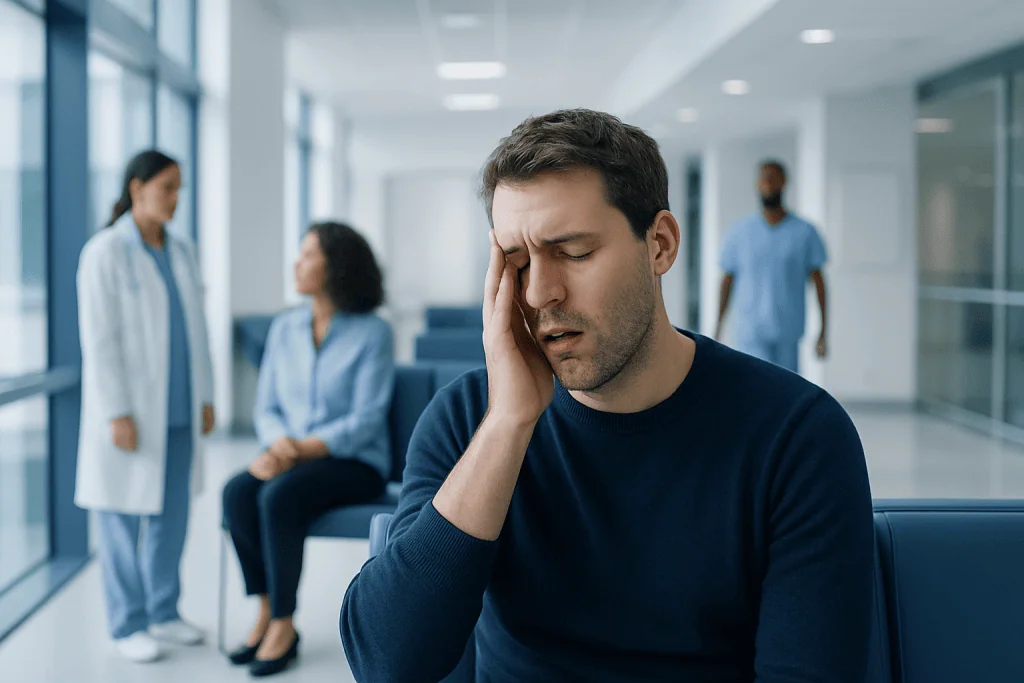
Drowsy describes an increased tendency to fall asleep or difficulty staying alert. Common causes include sleep deprivation, medicines, alcohol, shift work, stress, and medical conditions.
Key Takeaways
- Drowsy describes an increased tendency to fall asleep or difficulty staying alert.
- Common causes include sleep deprivation, medicines, alcohol, shift work, stress, and medical conditions.
- Persistent daytime drowsiness is different from ordinary tiredness and may point to a sleep disorder or another health issue.
- Diagnosis focuses on sleep habits, medications, symptoms, and sometimes blood tests or sleep studies.
- Urgent care is needed if drowsiness appears suddenly, is severe, or comes with confusion, breathing problems, chest pain, or weakness.
Feeling drowsy means a person is unusually sleepy, less alert, or struggling to stay awake during the day. It is often linked to lack of sleep, medication effects, stress, or an underlying health condition, and ongoing drowsiness should be assessed by a qualified doctor.
What it means to feel drowsy
Feeling drowsy usually means a person is more sleepy than expected, has reduced alertness, or finds it hard to stay awake during normal daytime activities. In many cases, drowsiness is temporary and related to poor sleep, a busy schedule, jet lag, alcohol, or a medication side effect. It becomes more important to investigate when it lasts for days or weeks, affects work or driving, or keeps returning without a clear reason.
Drowsiness is not exactly the same as fatigue. Fatigue often describes low energy, mental or physical exhaustion, or a lack of motivation, while drowsiness specifically refers to sleepiness and a tendency to doze off. Some people have both at the same time, which is why a careful medical history is useful.
This symptom can affect concentration, reaction time, mood, memory, and safety. Even mild daytime sleepiness can raise the risk of mistakes at work, accidents while driving, and reduced quality of life. For that reason, persistent drowsiness is best viewed as a symptom worth understanding rather than something to simply ignore.
Common signs that go along with drowsiness

A person who feels drowsy may notice frequent yawning, heavy eyelids, slower thinking, trouble focusing, irritability, or a strong urge to nap during the day. Some people describe “brain fog” or say they feel mentally less sharp. Others may unintentionally fall asleep while reading, watching television, sitting in meetings, or traveling as a passenger.
Nighttime clues can also help explain daytime drowsiness. These may include loud snoring, pauses in breathing noticed by a partner, restless sleep, frequent waking, waking with a dry mouth, morning headaches, or feeling unrefreshed despite spending enough time in bed. In children and teenagers, drowsiness may show up as moodiness, attention problems, or school difficulties instead of obvious sleepiness.
Symptoms that need more urgent attention include confusion, fainting, new weakness, trouble speaking, severe shortness of breath, chest pain, or extreme difficulty waking up. When these happen, drowsiness may be part of a more serious medical problem and should not be treated as routine tiredness.
Why someone may feel drowsy

The most common cause of feeling drowsy is not getting enough good-quality sleep. This may happen because of short sleep hours, irregular schedules, shift work, late-night screen use, stress, pain, or sleeping in a noisy environment. Alcohol and some recreational substances can also make sleep less restorative, even if a person sleeps for many hours.
Medicines are another frequent reason. Antihistamines, some pain medicines, certain antidepressants, anti-anxiety drugs, sleep aids, and some blood pressure or seizure medications can all cause sleepiness in some people. Drowsiness may be stronger after starting a new medicine, increasing a dose, or combining several sedating drugs. People should not stop prescribed medication on their own, but they should discuss side effects with their doctor or pharmacist.
Medical conditions can also be involved. Sleep disorders such as sleep apnea may repeatedly interrupt breathing during sleep and leave a person sleepy during the day. Mood disorders such as anxiety or depression can affect both sleep quantity and sleep quality. Infections, anemia, thyroid disorders, dehydration, poorly controlled diabetes, chronic pain, and neurological conditions may contribute as well. If a person regularly feels drowsy without an obvious explanation, medical assessment can help identify the cause.
- Short or poor-quality sleep
- Shift work, jet lag, or disrupted routine
- Medication or alcohol effects
- Obstructive sleep apnea and other sleep disorders
- Stress, anxiety, or depression
- Medical problems such as anemia, thyroid disease, infection, or metabolic imbalance
How doctors evaluate persistent drowsiness
Diagnosis starts with a detailed conversation. A doctor will usually ask when the drowsiness began, how often it happens, whether the person snores, what medications they take, how much caffeine or alcohol they use, and what their typical sleep schedule looks like. Keeping a sleep diary for one to two weeks can be very helpful because it shows patterns that may otherwise be missed.
A physical examination may look for signs of obesity, airway narrowing, neurological changes, dehydration, infection, or thyroid problems. Depending on the history, blood tests may be used to check for anemia, blood sugar problems, infection, kidney or liver issues, thyroid disease, or vitamin deficiencies. If medication is suspected, the review may focus on all prescriptions, over-the-counter products, and supplements.
If a sleep disorder is possible, the doctor may recommend further assessment by a sleep specialist. This can include sleep studies that monitor breathing, oxygen levels, heart rhythm, and movement during sleep. In selected cases, brain and nervous system evaluation may be needed, especially if drowsiness occurs with headaches, fainting, weakness, or other neurological symptoms. Tests such as MRI may be used when there is concern about a structural cause, though they are not needed for most people with routine sleepiness.
Treatment depends on the cause
There is no single treatment for drowsiness because it is a symptom, not a diagnosis. The most effective approach is to identify and address the underlying reason. For many people, treatment begins with improving sleep duration and sleep habits, reducing alcohol use, reviewing medications, and treating any related medical condition.
If a medicine is causing drowsiness, a doctor may suggest a different drug, a safer timing schedule, or a dose adjustment. If a sleep disorder is found, treatment may focus on that condition. For example, people diagnosed with obstructive sleep apnea may benefit from sleep apnea treatment, while those whose sleepiness is linked to nasal blockage may be assessed for whether septoplasty could improve nighttime breathing in selected cases.
When another health issue is responsible, treating that condition often improves alertness. Examples include managing thyroid disease, correcting anemia, treating infection, or addressing mental health concerns. If drowsiness is severe or affects safety, the doctor may advise avoiding driving, operating heavy machinery, or making high-risk decisions until the cause is under control.
Practical self-care and prevention strategies
Many everyday habits can reduce the chance of feeling drowsy during the day. A consistent sleep schedule is one of the most helpful steps. Going to bed and waking up at similar times each day supports the body’s natural sleep-wake rhythm. Adults generally function best when they regularly get enough sleep for their own needs.
Good sleep hygiene also matters. This includes limiting caffeine late in the day, avoiding heavy meals and alcohol close to bedtime, keeping the bedroom dark and quiet, and reducing screen exposure before sleep. Gentle exercise, daylight exposure in the morning, and stress management can also improve sleep quality over time.
Short naps may help some people, but long or late naps can worsen nighttime sleep. It is also wise to check medicine labels for warnings about sleepiness and to avoid combining sedating products unless advised by a clinician. If symptoms continue despite healthy habits, self-care alone may not be enough, and medical advice is appropriate.
- Keep regular sleep and wake times
- Limit alcohol and sedating substances
- Review medications with a healthcare professional
- Manage stress and mental health
- Avoid driving if sleepiness is affecting alertness
When to seek medical care
Medical care is recommended if drowsiness lasts more than a short period, keeps coming back, or interferes with work, study, daily responsibilities, or safe driving. A person should also speak with a doctor if they seem to sleep enough but still wake unrefreshed, or if a partner notices loud snoring, choking, or pauses in breathing during sleep. These patterns can suggest an underlying sleep disorder rather than simple tiredness.
Urgent evaluation is important if drowsiness starts suddenly, is unusually severe, or appears with confusion, high fever, breathing difficulty, chest pain, head injury, fainting, seizure, severe dehydration, or new neurological symptoms such as weakness or trouble speaking. These warning signs can point to a condition that needs prompt treatment.
For people who need further assessment, multidisciplinary care can be helpful, especially when symptoms may involve sleep medicine, neurology, internal medicine, or ear, nose, and throat specialists. Acibadem International’s multidisciplinary specialists and JCI-accredited hospitals evaluate persistent drowsiness in international patients and coordinate testing and treatment when needed.
Frequently asked questions
Is feeling drowsy the same as being tired?
Not exactly. Drowsy usually means sleepy and likely to fall asleep, while tiredness can also mean low energy or physical and mental exhaustion. Many people experience both together, but the distinction helps doctors look for the right cause.
Can poor sleep alone make someone feel drowsy all day?
Yes. Short sleep, broken sleep, or poor-quality sleep can easily cause daytime drowsiness, slower thinking, and reduced concentration. If improving sleep habits does not help, another cause may be involved.
Which medicines commonly cause drowsiness?
Several types can do this, including some antihistamines, sleep aids, anti-anxiety medicines, antidepressants, pain medicines, and certain seizure treatments. Side effects vary from person to person, so any new or worsening sleepiness should be discussed with a doctor or pharmacist.
When is drowsiness a reason to worry?
Drowsiness deserves medical attention if it is persistent, unexplained, severe, or interferes with normal life and safety. Emergency care is needed if it comes with confusion, difficulty breathing, chest pain, head injury, fainting, seizure, or new weakness.
Could drowsiness mean a sleep disorder?
Yes, especially if a person snores loudly, stops breathing during sleep, wakes often, or feels unrefreshed after a full night in bed. Sleep apnea is one important example, but other sleep disorders can also lead to excessive daytime sleepiness.
What can a person do at home to reduce drowsiness?
Helpful steps include keeping a regular sleep schedule, limiting alcohol, checking whether medicines may cause sleepiness, and improving the sleep environment. It is also important to avoid driving or risky tasks when alertness is reduced.
This article is for general information only and is not a substitute for professional medical advice. Please consult a qualified doctor about your individual situation.
Explore treatments in Turkey — costs, top hospitals & a free quote
JCI-accredited · board-certified surgeons · reply within 24h
Add us as a Preferred Source to see more of our trusted health content across Google Search, AI Overviews and Discover.
Check your numbers in seconds
BMI, calories, due date, blood pressure and 30+ more clinical calculators — free, instant, doctor-reviewed ranges.

More from the Health Library

Newborn Feces Green — Explained by Medical Evidence, Not Myths

Green plantain: Symptoms, Causes, and Treatment — Complete Patient Guide

Blue Eye: A Complete Medical Overview

Condom Catheter — Explained by Medical Evidence, Not Myths
Adrenal Cortex: What Patients Need to Know