Blue Eye: A Complete Medical Overview

Blue eye usually refers to a bluish or hazy cornea, not simply naturally blue-colored irises. Common causes include corneal swelling, injury, infection, inflammation, and raised eye pressure.
Key Takeaways
- Blue eye usually refers to a bluish or hazy cornea, not simply naturally blue-colored irises.
- Common causes include corneal swelling, injury, infection, inflammation, and raised eye pressure.
- Symptoms may include blurred vision, pain, redness, tearing, and sensitivity to light.
- Diagnosis often requires a slit-lamp eye exam, pressure measurement, and sometimes corneal imaging.
- Treatment depends on the cause and may range from eye drops and medicines to urgent procedures or surgery.
- A sudden blue or cloudy eye, especially with pain or vision loss, needs prompt medical care.
Blue eye describes a bluish, grayish, or cloudy appearance of the front of the eye, most often linked to corneal swelling or damage rather than normal eye color. It is a sign, not a diagnosis, and it should be assessed by an eye specialist to identify the cause and protect vision.
What does blue eye mean?
Blue eye is a descriptive term for an eye that looks bluish, grayish, or cloudy, especially over the clear front surface called the cornea. In medical practice, this appearance often suggests that the cornea has become swollen, injured, inflamed, or otherwise unhealthy. It is different from having naturally blue irises, which is a normal eye color caused by the way light scatters in the iris.
The important point is that blue eye is a visible sign rather than a single disease. The blue or hazy look can happen for several reasons, including fluid buildup in the cornea, infection, trauma, healing problems, or pressure-related eye disease. Because the cornea must stay clear for sharp vision, any new change in its appearance deserves attention.
Some people notice the change suddenly, while others develop it gradually. A mild haze may first be seen in certain lighting, but more significant corneal changes can become obvious and interfere with daily activities such as reading, driving, or tolerating bright light. Early assessment can help prevent complications and guide the right treatment.
How the cornea becomes blue or cloudy
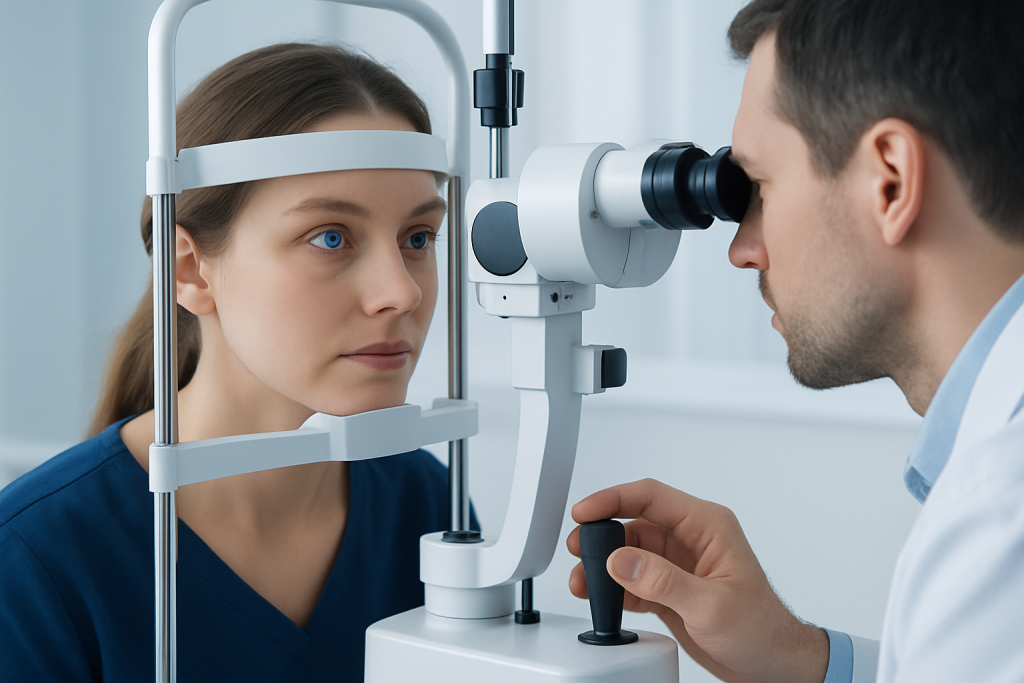
The cornea is the transparent dome at the front of the eye. It has to remain smooth and relatively dehydrated to stay clear. When the cornea takes up excess fluid, called corneal edema, its structure changes and it can look cloudy, milky, or slightly blue-gray. This change may also scatter light and make vision appear foggy or haloed.
The blue appearance is usually not due to blue pigment in the cornea. Instead, it is more often an optical effect caused by swelling, scarring, or changes in the corneal layers. In some cases, tiny blisters can form on the corneal surface, and these may cause discomfort as well as reduced clarity.
Corneal swelling can happen because the inner corneal cells are not pumping fluid out effectively, because the eye has been injured, or because another eye disease is disrupting normal corneal health. Related conditions may include glaucoma or serious corneal disease, both of which can affect vision if not treated appropriately.
Symptoms that may occur with blue eye

The symptoms that accompany blue eye depend on the underlying problem and how quickly it developed. Some people mainly notice a change in appearance, while others have significant discomfort or visual symptoms. A sudden onset with pain is usually more urgent than a long-standing mild haze.
Common symptoms can include blurred or cloudy vision, eye redness, watering, foreign-body sensation, light sensitivity, and aching or sharp pain. People may also describe halos around lights, difficulty opening the eye, or the feeling that vision worsens in the morning or after contact lens wear.
- Blurred, misty, or reduced vision
- Bluish, gray, or cloudy look over the eye
- Eye pain or tenderness
- Redness and tearing
- Sensitivity to light
- Swelling of the cornea or eyelids
- Headache, nausea, or halos if eye pressure is high
If blue eye appears together with severe pain, nausea, sudden vision loss, or trauma, urgent medical review is important. These features may point to conditions that can threaten sight without prompt treatment.
Common causes and risk factors
Several eye conditions can lead to a blue or cloudy cornea. One major cause is corneal edema, which may develop after eye surgery, with age-related corneal cell problems, or after injury. Infections of the cornea, known as keratitis, can also make the eye appear hazy and are often associated with pain, redness, and light sensitivity. Contact lens misuse is one possible trigger for infection or corneal stress.
Raised pressure inside the eye is another important cause. In acute pressure spikes, the cornea can swell quickly and create a steamy or blue-gray appearance. Inflammation inside the eye, chemical exposure, scratches, burns, and direct trauma can produce similar changes. Some inherited or degenerative corneal disorders may lead to gradual clouding over time.
Risk factors include older age, previous eye surgery such as cataract procedures, long-term contact lens wear, poor lens hygiene, existing corneal disease, dry eye, diabetes, and eye injuries. People with a history of cataract surgery or pressure-related eye problems may be more prone to corneal changes and should report new symptoms promptly.
Not every pale or bluish eye appearance is caused by corneal disease. In some settings, doctors also consider deposits, scarring, medication effects, or systemic illness. This is why a visual change alone is not enough to determine the cause at home.
How doctors diagnose blue eye
Diagnosis begins with a careful history. The doctor will ask when the color change began, whether it was sudden or gradual, and whether symptoms such as pain, blurred vision, light sensitivity, discharge, or trauma are present. Contact lens use, recent surgery, chemical exposure, and past eye disease are also important clues.
An eye examination usually includes visual acuity testing and a slit-lamp exam, which allows the doctor to examine the cornea in detail. This can show swelling, infection, scratches, ulcers, scarring, or inflammation. Measuring intraocular pressure helps identify glaucoma or pressure-related corneal edema. Fluorescein dye may be used to reveal corneal surface damage.
Depending on the findings, additional tests may include corneal thickness measurement, corneal topography, specular microscopy to assess endothelial cells, or imaging of the front part of the eye. These tests help clarify whether the problem is temporary swelling, infection, structural disease, or a deeper condition requiring specialist care.
Because some causes can worsen quickly, self-diagnosis is not reliable. A professional eye assessment helps distinguish minor irritation from a serious sight-threatening problem and guides treatment without unnecessary delay.
Treatment options for blue eye
Treatment for blue eye depends entirely on the underlying cause. If corneal swelling is the main issue, doctors may recommend medicated drops, ointments, or measures to reduce fluid in the cornea and support healing. If infection is present, treatment may involve targeted antimicrobial eye drops. If high eye pressure is responsible, pressure-lowering treatment is often needed urgently.
When an injury, scratch, or chemical exposure is involved, protecting the eye and treating inflammation or infection risk is essential. Contact lenses are usually stopped until the cornea recovers. Some people need closer follow-up to monitor the cornea over several days, especially if there is significant pain, a corneal defect, or reduced vision.
In more advanced or persistent cases, procedural or surgical treatment may be considered. Examples include treatment for pressure-related disease such as glaucoma treatment, management of severe infection or damage, or corneal procedures if the tissue no longer clears on its own. When corneal failure is advanced, specialists may discuss corneal transplant options to restore clarity in suitable patients.
If blue eye is linked to lens clouding or previous surgery, the doctor may also assess whether related care is needed, including cataract surgery evaluation in selected cases. The safest approach is individualized treatment based on examination findings, rather than using over-the-counter drops without guidance.
Self-care, prevention, and daily precautions
While home care cannot replace medical evaluation for a blue or cloudy eye, sensible self-care can protect the eye and reduce further irritation. Contact lenses should not be worn if the eye is painful, red, or suddenly cloudy. Rubbing the eye should also be avoided, as it can worsen surface injury and inflammation.
General prevention focuses on keeping the cornea healthy. Good contact lens hygiene is especially important: use lenses as directed, avoid sleeping in them unless prescribed, clean them properly, and never rinse them with tap water. Protective eyewear should be worn during sports, DIY work, gardening, or when handling chemicals.
- Stop contact lens wear if symptoms begin
- Use prescribed eye medicines exactly as directed
- Protect the eyes from injury and chemical splashes
- Attend follow-up appointments after eye surgery
- Manage chronic conditions such as diabetes with regular care
- Seek prompt care for redness, pain, or sudden blurred vision
People with previous eye surgery, corneal problems, or glaucoma should keep regular eye appointments even when they feel well. Near the end of the care pathway, patients seeking coordinated specialist assessment may wish to know that Acibadem International’s multidisciplinary eye teams in JCI-accredited hospitals diagnose and treat eye conditions for international patients.
When to seek medical care
A blue or cloudy eye should be assessed promptly if it is new, persistent, or associated with other symptoms. Same-day medical attention is especially important if there is severe pain, rapidly worsening vision, significant redness, discharge, nausea, headache, or a recent eye injury. Chemical splashes and contact lens-related pain are also urgent situations.
Even if discomfort is mild, a visible change in the cornea should not be ignored. Delaying care may allow infection, pressure-related damage, or corneal injury to progress. A qualified eye doctor can determine whether the problem is temporary and reversible or whether urgent treatment is needed to protect sight.
Frequently asked questions
Is blue eye the same as having naturally blue eyes?
No. Naturally blue eyes refer to iris color, which is a normal inherited trait. Blue eye in a medical context usually means the front of the eye looks bluish, gray, or cloudy because of swelling, damage, or disease.
Can blue eye go away on its own?
Sometimes mild corneal swelling may improve when the underlying trigger is removed, but not all cases resolve without treatment. Because blue eye can signal infection, injury, or high eye pressure, it should be evaluated rather than watched at home.
Does blue eye mean vision loss is permanent?
Not necessarily. Some causes are temporary and improve with prompt treatment, while others can leave lasting damage if care is delayed. The outlook depends on what caused the cornea to become cloudy and how quickly treatment begins.
Are contact lenses a common cause of blue eye?
Contact lenses can contribute, especially if they are overworn, not cleaned properly, or used while sleeping when not prescribed for overnight wear. They can lead to corneal irritation, swelling, or infection, all of which may cause a cloudy or bluish appearance.
What tests are usually needed for blue eye?
Doctors commonly perform a visual acuity test, slit-lamp examination, and eye pressure measurement. Depending on the findings, they may also check corneal thickness, use dye to look for scratches or ulcers, or order specialized corneal imaging.
Should someone use eye drops from a pharmacy before seeing a doctor?
Lubricating drops may soothe mild irritation, but self-treating a blue or cloudy eye is not a substitute for examination. Some over-the-counter products may mask symptoms without treating the cause, and steroid drops should never be used unless prescribed by an eye specialist.
This article is for general information only and is not a substitute for professional medical advice. Please consult a qualified doctor about your individual situation.
Explore treatments in Turkey — costs, top hospitals & a free quote
JCI-accredited · board-certified surgeons · reply within 24h
Add us as a Preferred Source to see more of our trusted health content across Google Search, AI Overviews and Discover.

More from the Health Library

Decaf Caffe: A Complete Medical Overview

Word Salad: An Evidence-Based Guide for Patients

Oximetry: An Evidence-Based Guide for Patients

Calcified Pineal Gland — Explained by Medical Evidence, Not Myths

Barre — Explained by Medical Evidence, Not Myths