Flail Chest — Explained by Medical Evidence, Not Myths
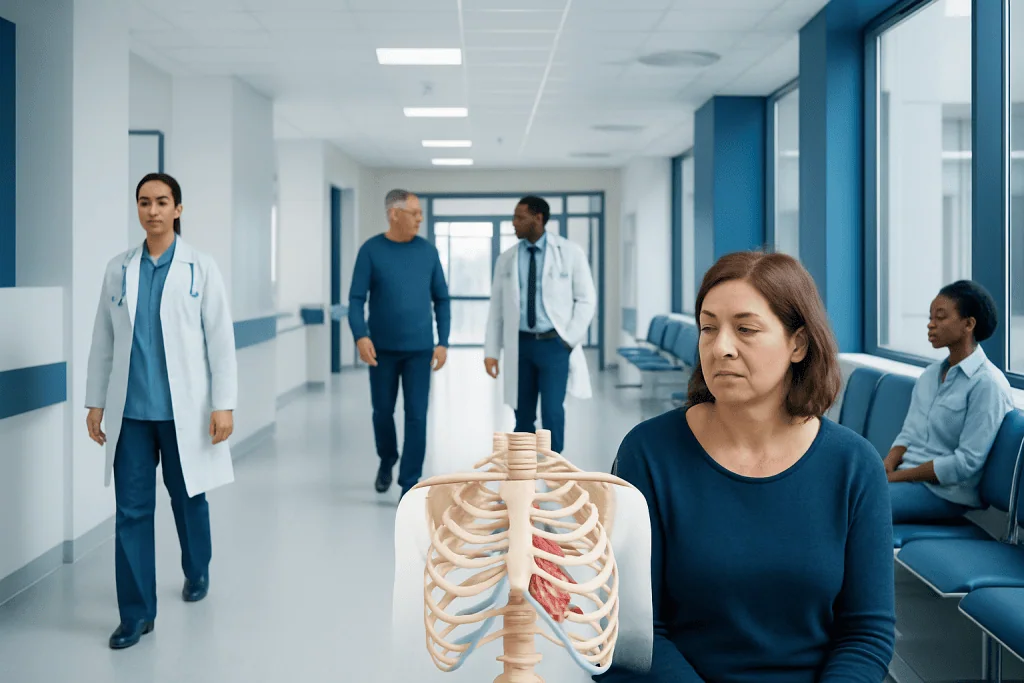
Flail chest happens when multiple adjacent ribs fracture in a way that creates a free-moving segment of the chest wall. It can cause chest pain, breathing difficulty, and paradoxical chest movement, but symptoms vary depending on associated lung injury.
Key Takeaways
- Flail chest happens when multiple adjacent ribs fracture in a way that creates a free-moving segment of the chest wall.
- It can cause chest pain, breathing difficulty, and paradoxical chest movement, but symptoms vary depending on associated lung injury.
- Diagnosis relies on clinical examination and imaging, especially chest X-ray or CT scan.
- Treatment focuses on breathing support, pain control, and management of related injuries such as lung bruising or pneumothorax.
- Anyone with significant chest trauma, shortness of breath, or worsening pain should seek urgent medical care.
Flail chest is a serious injury in which a segment of the chest wall becomes unstable after several neighboring ribs break in more than one place. It usually happens after major trauma and can make breathing painful and less effective, so prompt medical evaluation is important.
Overview: What flail chest means
Flail chest is a specific type of chest injury caused by trauma. It occurs when several neighboring ribs break in more than one place, creating a loose section of the chest wall that no longer moves in sync with the rest of the rib cage. This unstable segment can interfere with normal breathing and is often a sign of a high-impact injury.
In everyday language, the concern is not only the broken ribs themselves. The force strong enough to cause flail chest may also injure the lungs, the lining around the lungs, or other organs. For that reason, flail chest is treated as an urgent medical problem rather than a simple rib injury.
Medical evidence shows that symptoms and severity vary widely. Some people mainly have severe chest pain and trouble taking a deep breath, while others develop clear breathing distress because of associated problems such as lung bruising, collapsed lung, or internal bleeding. Early assessment helps doctors identify which problems need immediate treatment.
How flail chest affects breathing
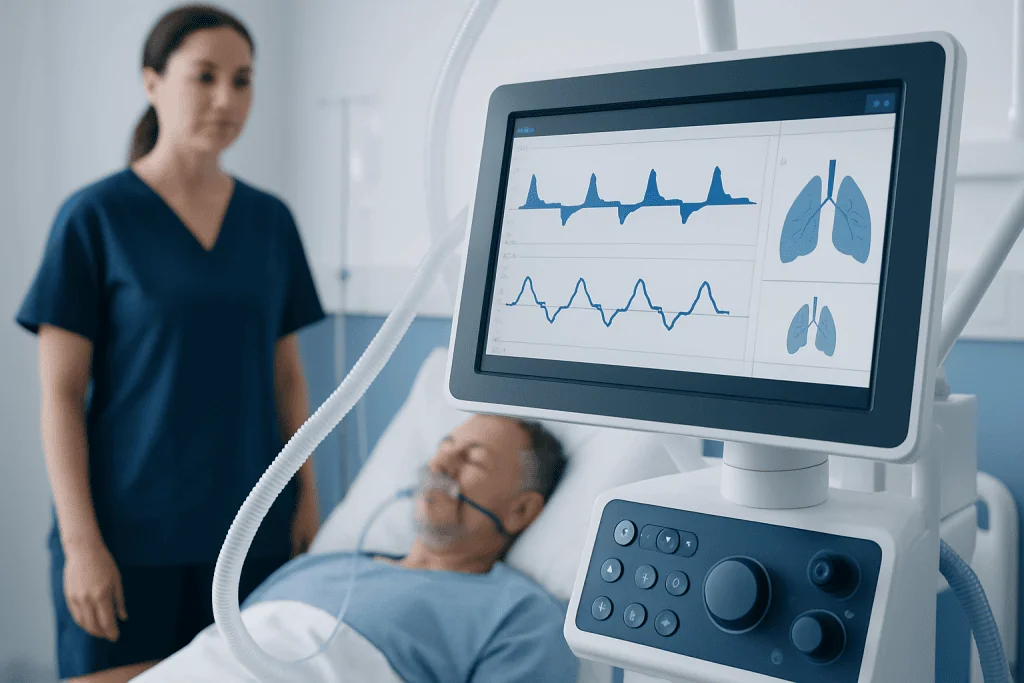
The rib cage normally expands outward during inhalation, helping the lungs fill with air. In flail chest, the unstable rib segment may move inward during inhalation and outward during exhalation. This opposite motion is called paradoxical movement, and it can reduce the efficiency of breathing.
However, paradoxical movement is not always obvious at first. Pain, muscle tension, body position, and swelling can make the classic movement pattern less visible. In many cases, the main reason breathing becomes difficult is not the rib motion alone, but the combination of pain and underlying lung injury, especially pulmonary contusion, which is a bruise of the lung tissue.
This is an important point because flail chest is sometimes oversimplified as only a dramatic moving chest wall segment. In practice, clinicians assess the whole pattern of injury: oxygen levels, work of breathing, air movement, pain, and signs of complications such as pneumothorax or hemothorax. A person may have a serious injury even if the chest movement does not look dramatic.
Symptoms and possible complications

Flail chest usually follows blunt trauma, such as a motor vehicle collision, a fall, or a heavy impact to the chest. Symptoms often begin right after the injury, although some problems may become more noticeable over the next several hours. Pain is usually significant and tends to worsen with coughing, deep breathing, or movement.
Common symptoms and signs include:
- Severe chest pain or tenderness
- Shortness of breath or rapid breathing
- Visible bruising or swelling over the chest
- Pain with coughing or deep breaths
- A feeling of not being able to get enough air
- Paradoxical movement of part of the chest wall
Possible complications can include lung bruising, a collapsed lung, bleeding into the chest, low oxygen levels, and pneumonia during recovery if pain prevents deep breathing and coughing. Because major chest trauma may overlap with other serious conditions, doctors may also consider related injuries such as rib fractures or pneumothorax.
Causes and risk factors
Flail chest is most often caused by high-energy blunt trauma. Road traffic accidents are a common cause, but falls from a height, sports injuries, workplace accidents, and direct blows to the chest can also lead to this pattern of rib fractures. Less often, flail chest may occur after lower-energy trauma in people with very fragile bones.
Risk can be higher in older adults because bones may be less dense and chest wall injuries may be harder to tolerate. People with osteoporosis or other conditions that weaken bone may be more vulnerable to multiple rib fractures. At the same time, younger people involved in major trauma may experience more forceful injuries with associated lung or organ damage.
Doctors do not look at the ribs in isolation. The mechanism of injury matters because the same event that breaks ribs may also affect the lungs, heart, spine, abdomen, or head. That is why trauma teams usually assess flail chest as part of a broader injury evaluation, especially after high-speed or high-impact accidents.
How doctors diagnose flail chest
Diagnosis begins with the clinical history and physical examination. Doctors ask how the injury happened, when symptoms began, and whether breathing has become harder. They check breathing rate, oxygen levels, chest wall tenderness, air entry into the lungs, and whether a segment of the chest appears to move abnormally.
Imaging is important because it helps confirm rib fractures and detect associated internal injury. A chest X-ray may show broken ribs, pneumothorax, or fluid in the chest, but a CT scan often provides more detail and can better identify the extent of chest wall and lung damage. If needed, emergency teams may also use bedside ultrasound to look for urgent complications.
Because breathing problems can worsen after the initial trauma, monitoring matters as much as the first scan. Oxygen levels, pain control, and repeated examinations help guide care. In more complex trauma cases, patients may also need computed tomography (CT) scanning or chest X-ray as part of a full chest injury workup.
Treatment options and hospital care
Treatment for flail chest is aimed at maintaining good breathing, controlling pain, and treating any related injuries. The right approach depends on how severe the injury is, how well the person is breathing, and whether the lungs or other organs have been damaged. Mild cases may need close observation, while severe cases may need intensive care.
Pain control is a central part of treatment because pain can prevent deep breathing and coughing. Doctors may use a stepwise plan that can include oral or intravenous pain medicines, nerve blocks, or regional anesthesia in selected patients. Effective pain relief supports lung expansion and helps reduce complications such as mucus retention and pneumonia.
Additional supportive care may include oxygen therapy, breathing exercises, chest physiotherapy, and assistance with clearing secretions. Some people need treatment for associated problems, such as a chest tube for a collapsed lung or blood in the chest. In certain situations, patients may need intensive care monitoring or mechanical ventilation if they cannot maintain adequate breathing on their own.
Surgery to stabilize the ribs is not necessary for every patient, but it may be considered in selected cases. Rib fixation can help improve chest wall stability in some people with severe pain, major deformity, prolonged ventilator dependence, or difficult-to-manage chest wall movement. Decisions about surgery are individualized and made by trauma, thoracic, or orthopedic specialists.
Recovery, self-care, and preventing complications
Recovery time depends on the severity of the trauma, the number of rib fractures, and whether there were lung or other injuries. Broken ribs often take weeks to heal, and people may tire easily during the early recovery period. Even after leaving the hospital, careful follow-up may be needed to monitor breathing, pain, and healing.
At home, patients are usually advised to follow the care plan given by their medical team. This may include taking prescribed pain medicine as directed, doing breathing exercises, using an incentive spirometer if recommended, coughing gently to clear mucus, and gradually increasing activity as tolerated. Smoking should be avoided because it can slow lung recovery and raise the risk of chest infection.
Simple self-care steps can support healing:
- Take deep breaths regularly if advised by a clinician
- Use a pillow to support the chest when coughing, if recommended
- Stay mobile with gentle walking unless told otherwise
- Attend follow-up visits and imaging appointments
- Seek advice before returning to work, sports, or heavy lifting
Prevention focuses mainly on reducing trauma risk. Seat belt use, fall prevention, workplace safety, and protective sports equipment can help lower the chance of major chest injury. For older adults, bone health management may also reduce fracture risk over time.
When to seek medical care
Anyone with significant chest trauma should be medically assessed, especially if breathing hurts or feels difficult. Urgent care is important if there is shortness of breath, bluish lips, confusion, fainting, coughing up blood, rapidly worsening chest pain, or visible deformity of the chest wall. These symptoms can suggest a serious injury even when external bruising seems limited.
People already diagnosed with rib fractures should also seek prompt review if pain suddenly worsens, fever develops, breathing becomes more difficult, or they cannot cough or take deep breaths because of pain. Recovery should be supervised carefully in older adults and in those with lung disease.
Near the end of treatment planning, some patients benefit from coordinated care across emergency medicine, thoracic surgery, radiology, respiratory therapy, and rehabilitation. Acibadem International’s multidisciplinary specialists and JCI-accredited hospitals diagnose and treat chest trauma for international patients when advanced evaluation and follow-up are needed.
Frequently asked questions
Is flail chest the same as broken ribs?
No. Flail chest is a specific and more serious pattern of rib injury in which multiple adjacent ribs break in more than one place, creating an unstable segment of chest wall. A person can have broken ribs without having flail chest.
What is paradoxical breathing in flail chest?
Paradoxical breathing refers to the unstable part of the chest moving inward during inhalation and outward during exhalation, opposite to normal chest motion. It can be a classic sign of flail chest, but it is not always easy to see, especially early after injury.
Can flail chest heal without surgery?
Yes, many cases are managed without surgery. Treatment often focuses on pain control, breathing support, and careful monitoring for complications. Surgery is usually reserved for selected patients with severe instability, difficult breathing support, or persistent problems.
Why is pain control so important in flail chest?
Pain can make it hard to take deep breaths or cough effectively. When breathing becomes shallow, the lungs may not expand well, which can increase the risk of infection and other complications. Good pain management supports safer recovery.
How long does recovery from flail chest take?
Recovery varies depending on the extent of the rib fractures and whether the lungs or other organs were injured. Rib healing often takes several weeks, but some people need longer to regain full comfort and stamina. Follow-up care helps guide a safe return to normal activity.
Is flail chest always an emergency?
Flail chest should be treated as an urgent medical condition because it can affect breathing and may occur with serious internal injuries. Even if symptoms seem manageable at first, medical assessment is important after major chest trauma. Breathing difficulty, low oxygen, or worsening pain need prompt attention.
This article is for general information only and is not a substitute for professional medical advice. Please consult a qualified doctor about your individual situation.
Explore treatments in Turkey — costs, top hospitals & a free quote
JCI-accredited · board-certified surgeons · reply within 24h
Add us as a Preferred Source to see more of our trusted health content across Google Search, AI Overviews and Discover.

More from the Health Library

Bismuth Subsalicylate: An Evidence-Based Guide for Patients

Sociopath: A Complete Medical Overview

Positions That Release Gas: What Patients Need to Know

Niacin Advantages: A Complete Medical Overview

Periorbital Edema: An Evidence-Based Guide for Patients