Dwarfism: An Evidence-Based Guide for Patients

Dwarfism refers to short stature related to a medical or genetic condition, not simply being shorter than average. Some forms are proportionate, while others cause differences in limb, trunk, or head size.
Key Takeaways
- Dwarfism refers to short stature related to a medical or genetic condition, not simply being shorter than average.
- Some forms are proportionate, while others cause differences in limb, trunk, or head size.
- Diagnosis often includes growth assessment, physical examination, imaging, and genetic testing.
- Treatment depends on the cause and may include monitoring, therapy, orthopedic care, or hormone treatment in selected cases.
- Regular medical follow-up can help identify complications early and support daily function and quality of life.
Dwarfism is a medical term for short stature caused by a genetic condition or, less often, another health problem that affects growth. It is not a single disease, and understanding the underlying cause helps guide supportive care, monitoring, and treatment when needed.
Overview: what dwarfism means
Dwarfism is a term used for short stature caused by a medical condition, most often a genetic disorder that affects bone or cartilage growth. In many cases, adult height is significantly below average, but overall health, intelligence, and life goals can still be normal. The most helpful way to understand dwarfism is not as one diagnosis, but as a group of conditions with different causes and patterns.
Doctors often divide dwarfism into two broad types. In disproportionate dwarfism, some parts of the body are smaller or larger in relation to others, such as shorter arms and legs with an average-sized trunk. In proportionate dwarfism, the body is small overall but remains in proportion. This distinction helps guide testing and follow-up.
The most common cause of disproportionate dwarfism is achondroplasia, a type of skeletal dysplasia. Other forms include hypochondroplasia, diastrophic dysplasia, and spondyloepiphyseal dysplasia. Proportionate short stature may be linked to hormonal problems, chronic illness, poor nutrition, or rare genetic conditions rather than a primary bone-growth disorder.
Because these conditions can affect more than height alone, care often involves more than measuring growth. Depending on the cause, doctors may monitor bone development, spine alignment, hearing, breathing, mobility, and neurological health. Families often benefit from clear information, practical support, and regular checkups tailored to the individual child or adult.
How dwarfism can affect the body
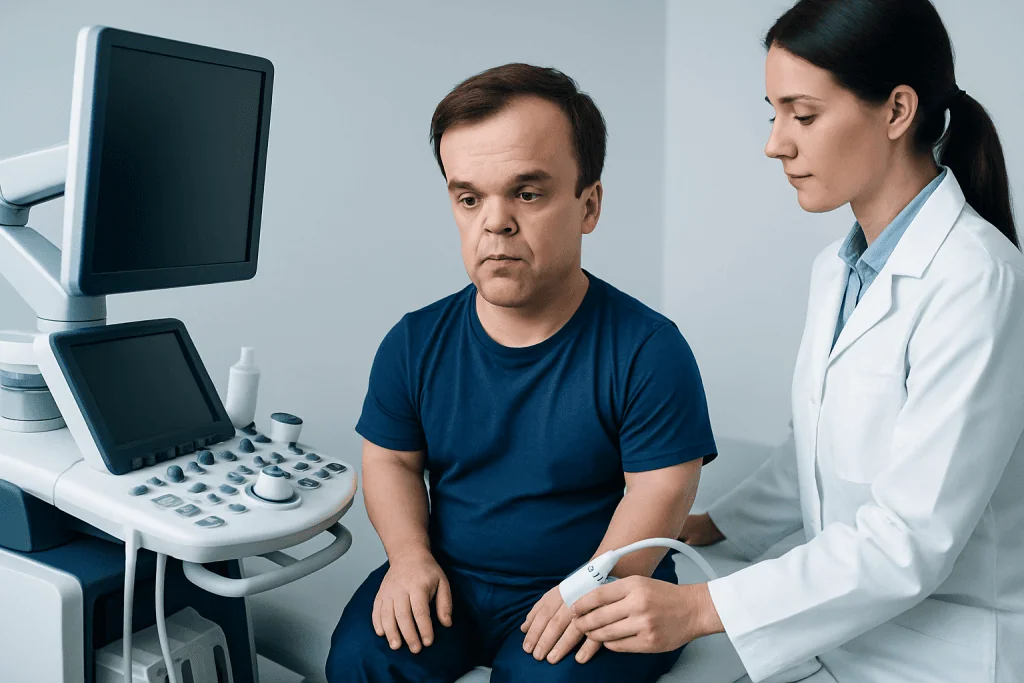
The effects of dwarfism vary widely. Some people have mainly short stature with few health concerns, while others may have joint, spine, hearing, or breathing issues that need ongoing attention. The impact depends on the specific diagnosis, age, and whether complications develop over time.
In disproportionate dwarfism, common physical features may include short arms and legs, a relatively average trunk, a larger head size, bowed legs, or limited elbow movement. Certain skeletal dysplasias may also affect the spine, chest shape, hands, hips, or facial structure. In proportionate forms, body shape may look more balanced, but growth remains slower than expected.
Possible symptoms or related concerns can include:
- Height well below the expected range for age or family pattern
- Slow growth noted on routine growth charts
- Curvature of the spine or back pain
- Delayed motor milestones in some children
- Frequent ear infections or hearing problems
- Breathing issues, especially during sleep
- Joint stiffness, leg alignment problems, or early arthritis
Not every person with dwarfism will have these problems. Some children need only periodic growth and developmental monitoring, while others benefit from coordinated specialty care. Individual assessment is important because the same diagnosis can affect people differently.
Causes and risk factors

Most cases of dwarfism are caused by genetic changes that affect bone growth. These changes may be inherited from a parent or may happen for the first time in a child without a family history. In skeletal dysplasias, the genes involved usually influence cartilage formation, bone lengthening, or the structure of the spine and limbs.
Achondroplasia is the best-known cause and results from a change in the FGFR3 gene. Other skeletal dysplasias involve different genes and can lead to different patterns of short stature, joint changes, or spine problems. Some conditions are dominant, meaning one altered copy of a gene can cause the disorder, while others are recessive and require changes in both copies.
Not all dwarfism is due to skeletal dysplasia. Proportionate short stature may occur with growth hormone deficiency, thyroid disease, chronic kidney or bowel disease, malnutrition, or certain syndromes present from birth. In these cases, the body remains more evenly proportioned, and treatment may focus on the underlying medical issue rather than the skeleton itself.
Risk factors depend on the specific condition. A family history of short stature or a known genetic disorder can increase the chance in some families. However, many children with dwarfism are born to average-height parents. When the cause is not clear, a careful medical evaluation can help distinguish hereditary forms from endocrine or systemic causes.
Diagnosis and medical evaluation
Diagnosis begins with a detailed history and physical examination. Doctors review pregnancy and birth history, family heights, developmental milestones, and any symptoms such as back pain, breathing problems, or repeated ear infections. A child’s growth pattern over time is especially important, because growth charts can show whether height velocity is normal or slowing.
The physical examination looks at body proportions, arm span, head size, limb length, joint movement, spine shape, and facial features. In many children, these clues help narrow the list of likely conditions. If a skeletal dysplasia is suspected, X-rays of the bones and spine can show characteristic patterns that support the diagnosis.
Further tests may include genetic testing, hormone evaluation, and imaging when needed. For example, blood tests may help assess growth hormone, thyroid function, or other metabolic causes of short stature. Genetic testing can confirm achondroplasia or another inherited condition. In selected cases, doctors may also use MRI to evaluate the brain, spinal canal, or other structures if symptoms suggest compression or neurological concerns.
Because dwarfism can involve multiple body systems, diagnosis is sometimes made with help from pediatricians, geneticists, endocrinologists, orthopedists, ENT specialists, and neurologists. If symptoms suggest related conditions, doctors may also evaluate for spinal stenosis or sleep-related breathing disorders. The goal is to identify the exact cause and to look for treatable complications early.
Treatment options and long-term care
Treatment for dwarfism depends on the diagnosis and the person’s symptoms. There is no single treatment that fits every form. In many cases, care focuses on monitoring growth, supporting physical function, preventing complications, and addressing problems such as ear disease, limb alignment, or spinal issues when they arise.
For skeletal dysplasias, treatment may include physical therapy, occupational therapy, hearing care, sleep evaluation, and orthopedic follow-up. Some children need treatment for bowed legs, hip problems, or spinal curvature. If nerve compression or significant narrowing of the spinal canal develops, doctors may discuss spine surgery or other procedures based on the individual’s symptoms and imaging findings.
Endocrine causes of proportionate short stature may be treated differently. For example, if testing shows a hormonal problem, a pediatric endocrinologist may recommend medication or targeted hormone therapy such as growth hormone therapy in carefully selected patients. This approach is not appropriate for every type of dwarfism, so treatment is based on the confirmed cause rather than height alone.
Surgery is considered only when it may improve function, relieve pain, or reduce specific complications. Some people may benefit from orthopedic procedures, including correction of leg deformities or, in selected circumstances, limb-lengthening surgery. Decisions about surgery are highly individualized and should include discussion of expected benefits, limitations, recovery, and alternatives. Near the end of the care pathway, some families seek evaluation at centers such as Acibadem International, where multidisciplinary specialists in JCI-accredited hospitals assess and treat complex growth and skeletal conditions for international patients.
Daily living, prevention, and self-care
There is no general way to prevent most genetic forms of dwarfism. However, early diagnosis and regular follow-up can help reduce complications and support healthy development. When dwarfism is related to a hormonal, nutritional, or chronic medical condition, timely treatment of the underlying problem may improve growth and overall health.
Self-care and home adjustments can make everyday life easier and safer. Children and adults may benefit from adapted furniture, step stools, reachable storage, supportive footwear, and car modifications if needed. School planning and workplace accommodations can also improve comfort, independence, and participation in daily activities.
Healthy lifestyle habits remain important for everyone with dwarfism. These include balanced nutrition, regular physical activity suited to the person’s joints and spine, good sleep, and keeping up with routine medical appointments. Exercises that support strength, balance, and mobility may be especially helpful when guided by a qualified therapist.
Emotional well-being matters too. Support from family, peer groups, counselors, and patient organizations can help people navigate social challenges, self-image concerns, or practical questions about school, work, and relationships. Respectful communication and individualized care are central to long-term health.
When to seek medical care
Medical advice should be sought if a child is growing much more slowly than expected, has noticeably unusual body proportions, or falls away from their usual growth curve. Parents should also arrange evaluation if there are concerns about delayed milestones, frequent ear infections, snoring, breathing pauses during sleep, or persistent joint or back pain.
More urgent medical review is important if there are signs of neurological problems, such as weakness, numbness, loss of balance, difficulty walking, or changes in bladder or bowel control. Severe breathing difficulty, marked sleep problems, or sudden worsening of pain also need prompt attention. These symptoms may suggest complications affecting the spine, airway, or nervous system.
Adults with known dwarfism should continue follow-up if new symptoms appear over time. Back pain, leg pain, reduced walking tolerance, hearing changes, or worsening mobility deserve assessment rather than being dismissed as expected. Early review often makes treatment simpler and more effective.
When the diagnosis is uncertain, a doctor can help determine whether short stature reflects a normal family pattern, an endocrine issue, or a skeletal condition such as achondroplasia. A careful, step-by-step evaluation gives families a clearer picture of what to expect and what support may help most.
Frequently asked questions
Is dwarfism a disease?
Dwarfism is not one single disease. It is a term for short stature caused by a medical condition, often a genetic disorder affecting bone growth or body development. The exact diagnosis matters because causes, symptoms, and follow-up needs can differ.
What is the most common cause of dwarfism?
The most common cause of disproportionate dwarfism is achondroplasia. This genetic condition affects bone growth, especially in the arms and legs. Many other genetic and medical causes are also possible.
Can dwarfism be diagnosed before birth?
Some forms may be suspected during pregnancy if ultrasound shows differences in limb growth or body proportions. In certain situations, genetic testing can help confirm a diagnosis before or after birth. Not every case is identified prenatally.
Can people with dwarfism live healthy lives?
Yes, many people with dwarfism live full and healthy lives. Health needs vary depending on the underlying condition, and some people require monitoring for spine, joint, hearing, or breathing issues. Regular medical care helps address problems early.
Is growth hormone used for all types of dwarfism?
No. Growth hormone is helpful only in selected cases, such as certain hormonal causes of short stature. It does not treat every form of dwarfism, especially many skeletal dysplasias, so testing is needed before treatment is considered.
Does dwarfism affect intelligence?
In many common forms of dwarfism, intelligence is not affected. Learning or developmental concerns, when present, are usually related to specific associated complications rather than short stature itself. Each person should be assessed individually.
References
- National Institutes of Health
- American Academy of Pediatrics
- MedlinePlus
- National Organization for Rare Disorders
- American Academy of Orthopaedic Surgeons
This article is for general information only and is not a substitute for professional medical advice. Please consult a qualified doctor about your individual situation.
Explore treatments in Turkey — costs, top hospitals & a free quote
JCI-accredited · board-certified surgeons · reply within 24h
Add us as a Preferred Source to see more of our trusted health content across Google Search, AI Overviews and Discover.

More from the Health Library



Related Specialists

Assoc. Prof. Dr. Mutlu Keskin
Oral & Dental Health
Assoc. Prof. Dr. Ahmet Küçükçelebi
Aesthetic Plastic & Reconstructive Surgery
Dr. Cennet Nalan Soyder
Neurology
Çiğdem Ünver
Physical Medicine & Rehabilitation