

Dying — Explained by Medical Evidence, Not Myths

Dying is usually a process, not a single moment, and it often follows recognizable physical changes. Common signs include increasing sleep, less interest in food and fluids, changes in breathing, and reduced alertness.
Key Takeaways
- Dying is usually a process, not a single moment, and it often follows recognizable physical changes.
- Common signs include increasing sleep, less interest in food and fluids, changes in breathing, and reduced alertness.
- Pain is not always present at the end of life, and many symptoms can be relieved with palliative care.
- The exact timing of death is difficult to predict, even for experienced clinicians.
- Medical care should be sought promptly if symptoms are distressing, sudden, or unclear.
- Families often benefit from clear communication, practical support, and guidance from healthcare professionals.
Dying is the natural final phase of life, usually involving predictable physical and mental changes as the body gradually shuts down. Medical evidence shows that this process varies from person to person, but common patterns can help families understand what to expect and when comfort-focused care is needed.
Overview: what dying means in medical terms
Dying is the final stage of life, when the body can no longer recover from advanced illness, severe injury, or the natural effects of extreme frailty. In medical terms, it is usually understood as a process rather than a single event. During this time, organ systems gradually lose function, and changes in breathing, circulation, digestion, and consciousness become more noticeable.
People often search for the word “dying” because they want clear, factual information rather than myths or dramatic descriptions. Medical evidence shows that many people experience similar patterns near the end of life, but no two situations are exactly the same. The process may unfold over days, weeks, or sometimes longer, depending on the underlying condition and the person’s overall health.
Dying can happen in the setting of cancer, advanced heart or lung disease, major neurological illness, overwhelming infection, or very advanced age. It may follow a long period of decline, or it may happen more quickly after a sudden crisis such as a severe stroke or organ failure. When doctors recognize that a person is nearing the end of life, the focus often shifts from cure to comfort, dignity, and symptom relief.
Understanding the medical features of dying can help patients and families prepare emotionally and practically. It can also make it easier to ask informed questions about palliative care, hospice, symptom control, and support for loved ones.
How dying usually unfolds
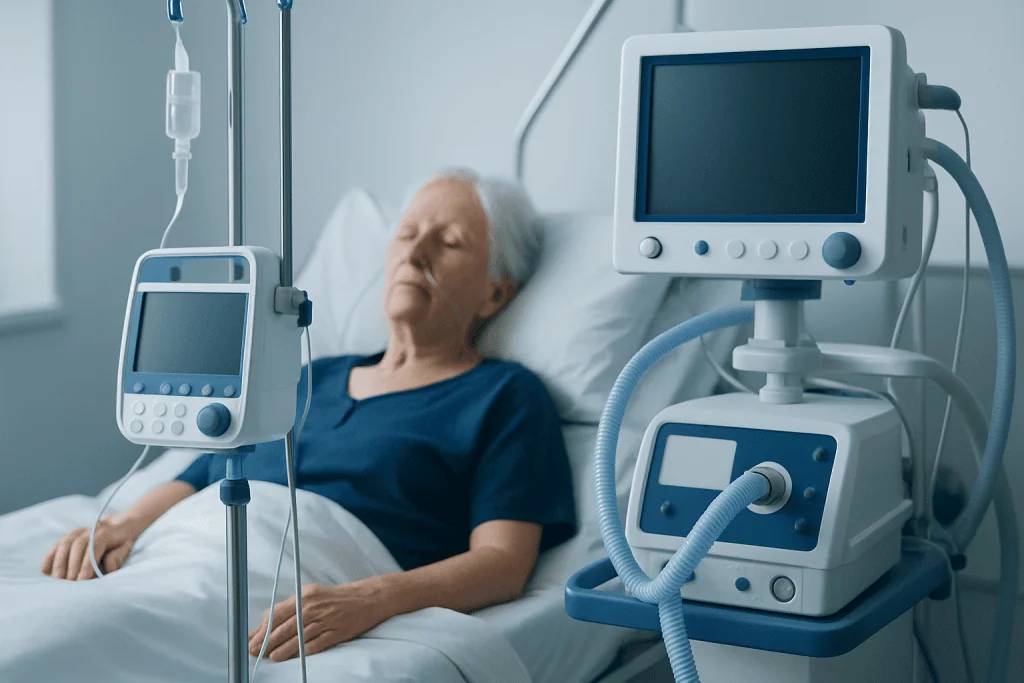
Clinicians often describe dying in broad phases, although these are not strict rules. In an earlier phase, a person may become weaker, spend more time in bed, eat less, and need more help with daily activities. In a later phase, they may sleep most of the time, speak less, and show clearer signs that the body is shutting down.
The final days are sometimes called “active dying.” During this period, circulation slows, breathing patterns may change, and the person may become less responsive. They may still be able to hear familiar voices or feel gentle touch, even when they can no longer speak clearly. For this reason, calm communication and a quiet environment often remain meaningful.
Not everyone dies in the same way. Some people remain mentally clear until very near death, while others become confused or drowsy earlier. Some continue taking small sips of fluid, while others lose interest in eating and drinking altogether. These differences are usually part of the natural variation in end-of-life physiology rather than signs that anyone has done something wrong.
Doctors look at the whole picture rather than one symptom alone. A combination of decline in strength, reduced intake, altered consciousness, and changes in breathing or circulation often helps the care team recognize that the person may be approaching death.
Common signs and symptoms near the end of life
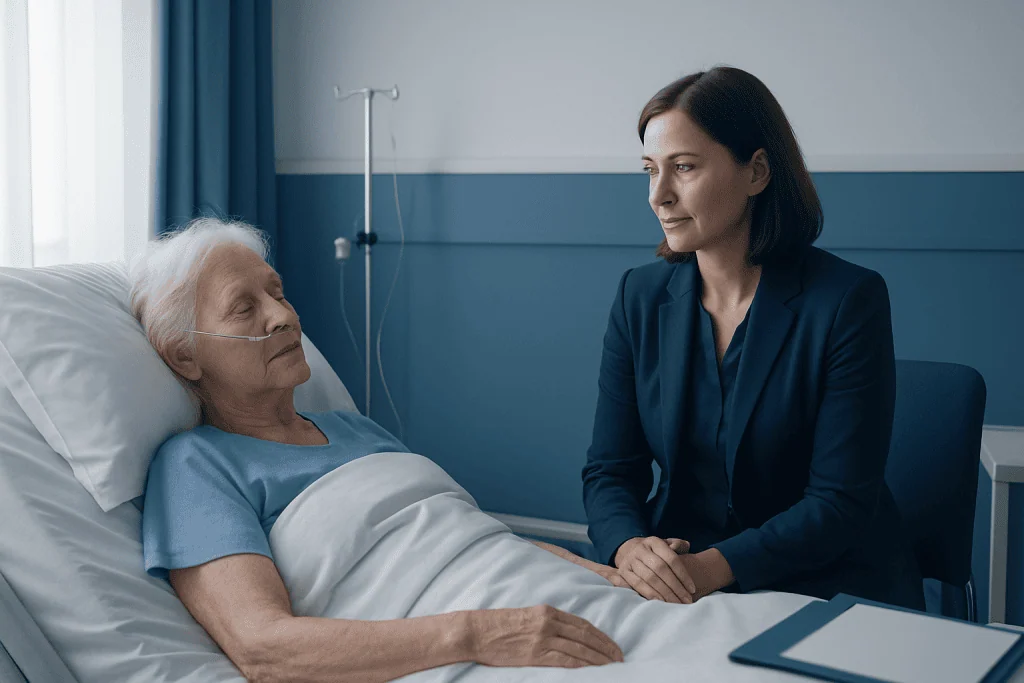
As dying progresses, many people become increasingly tired and sleep for longer periods. Appetite usually decreases, and interest in fluids often fades as the body needs less energy. Families sometimes worry that this means the person is “starving” or “dehydrating,” but in the last phase of life this reduced intake is commonly a natural part of the process.
Breathing often changes. Some people breathe more slowly, while others have irregular breathing with pauses between breaths. Noisy breathing can occur when saliva or secretions collect in the throat because the person is too weak to clear them. This sound can be upsetting for relatives, but it does not always mean the person is suffering.
Changes in circulation are also common. Hands, feet, knees, or the skin may feel cool, and the skin can look pale, bluish, or mottled. Urine output often decreases as kidney function slows. The pulse may become weak or hard to feel, and blood pressure may fall.
Mental and emotional changes can happen as well. A person may become quieter, less responsive, confused, or restless. Some experience delirium, agitation, or vivid dreams. Others appear peaceful and withdraw gradually from conversation. Common signs include:
- Increasing sleepiness or difficulty waking
- Less eating and drinking
- Changes in breathing pattern
- Cool or mottled skin
- Reduced urination
- Confusion, restlessness, or less communication
- Loss of ability to swallow safely
These symptoms should always be interpreted in context. In some situations, they can also occur in treatable conditions such as infection, medication side effects, dehydration, or metabolic problems. That is why medical assessment remains important when the situation is uncertain.
What causes these changes in the body
The physical signs of dying happen because the body is no longer able to maintain normal function. As the heart pumps less effectively and circulation slows, the skin and extremities may become cool and discolored. As the kidneys and digestive system become less active, urine output drops and appetite fades. The brain also receives less oxygen and blood flow, which can change awareness, mood, and responsiveness.
Breathing changes reflect both weakness and altered control by the brain. Irregular breathing, shallow breaths, or pauses may appear when the respiratory system is tiring. Secretions may build up when swallowing and coughing become weak. These changes are often part of natural decline, though they can sometimes be eased with repositioning, mouth care, or medication for comfort.
The underlying illness strongly shapes the course of dying. Advanced cancer may bring pain, weight loss, and profound weakness. End-stage heart or lung disease may lead to breathlessness and fatigue. Severe stroke or progressive neurological disease can affect swallowing, alertness, and movement. Infections, especially in frail older adults, may also trigger rapid decline.
Doctors may use supportive treatments to relieve symptoms even when cure is no longer possible. Depending on the condition, this may include oxygen therapy, fluids in selected situations, medicines for pain or breathlessness, or procedures that improve comfort. In some cases, care teams also evaluate whether treatments such as oncology treatment or stroke treatment are still appropriate, or whether comfort-focused care is the safer and kinder approach.
How doctors assess dying and support decision-making
There is no single test that proves a person is dying. Instead, doctors and nurses assess patterns over time: worsening weakness, minimal intake, changes in consciousness, unstable vital signs, and progression of the underlying disease. They also review scans, blood tests, and clinical findings when those results would meaningfully guide care.
A key part of assessment is distinguishing natural dying from a reversible medical problem. For example, confusion may be caused by infection, medication effects, or abnormal blood chemistry. Breathlessness may reflect pneumonia, fluid overload, or progression of lung disease. If treatment could improve comfort or restore function in a realistic way, the team may recommend it.
When dying is expected, discussions usually focus on goals of care. These may include whether the person would want hospitalization, intensive care, feeding tubes, resuscitation, or only symptom-directed treatment. Advance care planning can reduce uncertainty and help families make decisions that reflect the person’s values.
Palliative care teams are especially helpful in this stage. They support symptom control, communication, emotional care, and planning for home, hospital, or hospice care. Near the end of this process, some families seek multidisciplinary support at centers such as Acibadem International, where JCI-accredited hospitals care for international patients with complex and advanced illnesses.
Treatment options: comfort, symptom relief, and palliative care
Treatment during dying is usually aimed at comfort rather than cure. The goal is to ease symptoms such as pain, shortness of breath, anxiety, nausea, agitation, or excessive secretions. Good end-of-life care also includes mouth care, skin care, positioning, bowel and bladder support, and a calm setting that respects the person’s wishes.
Pain can often be controlled with carefully adjusted medicines. Breathlessness may improve with a change in position, cool air, relaxation techniques, oxygen in selected cases, or medication prescribed by a clinician. Agitation or delirium may be treated by addressing triggers such as urinary retention, constipation, infection, or medication side effects, and by using symptom-relieving medicines when needed.
Artificial nutrition or hydration is not automatically helpful in the last phase of life. For some patients, it does not improve comfort or prolong life in a meaningful way, and it may add burdens such as swelling, respiratory secretions, or the need for invasive procedures. Decisions should be individualized and discussed with the treating team.
Many people benefit from palliative care or hospice services. These teams focus on quality of life, family support, and symptom management. If underlying conditions such as advanced lung cancer are part of the picture, palliative care can work alongside disease-specific specialists to provide coordinated support.
Support for families, myths, and practical self-care
Families often worry that they might miss a sign, cause harm, or fail to do enough. In most cases, the most helpful actions are simple: speak gently, keep the person comfortable, offer mouth care, follow the care plan, and ask for help when symptoms change. A person who is dying may not want food, fluids, or long conversations, and this is usually part of the natural process rather than rejection of loved ones.
Several common myths can increase distress. One myth is that everyone experiences severe pain when dying; in reality, pain varies and can often be treated effectively. Another is that reduced eating always causes suffering; at the end of life, the body often no longer processes nutrition normally, and forcing intake may worsen discomfort. A third myth is that a person who is unresponsive cannot hear; hearing may persist late, so reassuring words can still matter.
Practical self-care for caregivers is also important. Rest, hydration, regular meals, and sharing responsibilities can reduce exhaustion. Emotional strain is common, and support from relatives, nurses, spiritual care providers, counselors, or bereavement services can make this period more manageable.
It can help to keep a simple list of medications, symptoms, and whom to call day or night. Families should also ask in advance what changes are expected, which signs need urgent review, and how to provide comfort safely at home.
When to seek medical care
Medical review is important if a person has distressing symptoms, if the course is unclear, or if relatives are unsure whether the person is actively dying or experiencing a treatable problem. Prompt advice can improve comfort and prevent avoidable suffering.
A doctor or nurse should be contacted if there is uncontrolled pain, severe breathlessness, repeated vomiting, new seizures, sudden heavy bleeding, marked agitation, signs of choking, or confusion that develops abruptly. Medical help is also needed if caregivers cannot manage medicines, cannot keep the person comfortable, or feel unable to provide safe care at home.
Emergency care may be appropriate when a sudden event suggests a reversible condition, especially if this matches the person’s goals of care. In other situations, urgent palliative assessment may be the most appropriate response. What matters most is that decisions reflect the individual’s wishes, medical reality, and need for comfort.
If there is uncertainty, families should not hesitate to ask for professional guidance. Clear communication with a qualified healthcare team can help distinguish expected end-of-life changes from symptoms that deserve immediate treatment.
Frequently asked questions
What does dying usually feel like?
The experience varies widely from person to person. Many people become more sleepy, less interested in food and fluids, and less aware of their surroundings rather than experiencing constant distress. Symptoms such as pain or breathlessness may occur, but they can often be relieved with appropriate medical care.
How long does active dying last?
Active dying often lasts hours to a few days, but there is no exact timetable. Some people decline quickly, while others remain in this phase longer. Clinicians can identify patterns, but predicting the precise moment of death is difficult.
Is it normal for someone who is dying to stop eating and drinking?
Yes. Near the end of life, the body usually needs less energy and may no longer process food and fluids in the usual way. Reduced intake is often a natural part of dying, although a healthcare professional should still assess the person if the situation is uncertain.
Does noisy breathing mean the person is suffering?
Not always. Noisy breathing near the end of life is often caused by pooled secretions and weak swallowing rather than pain. Although it can be upsetting to hear, clinicians can suggest positioning, mouth care, or medicines to improve comfort if needed.
Can a dying person still hear family members?
Possibly. Hearing may remain present even when a person is no longer able to respond. Speaking calmly, offering reassurance, and maintaining a peaceful environment can still be meaningful.
When should families call a doctor during the dying process?
Families should seek medical advice if symptoms are severe, sudden, or difficult to manage. Important reasons to call include uncontrolled pain, severe breathlessness, heavy bleeding, repeated vomiting, seizures, choking, or sudden agitation or confusion.
References
- World Health Organization
- National Institute on Aging
- National Institute for Health and Care Excellence
- Centers for Disease Control and Prevention
- American Academy of Hospice and Palliative Medicine
This article is for general information only and is not a substitute for professional medical advice. Please consult a qualified doctor about your individual situation.
Explore treatments in Turkey — costs, top hospitals & a free quote
JCI-accredited · board-certified surgeons · reply within 24h
Add us as a Preferred Source to see more of our trusted health content across Google Search, AI Overviews and Discover.
Check your numbers in seconds
BMI, calories, due date, blood pressure and 30+ more clinical calculators — free, instant, doctor-reviewed ranges.

More from the Health Library

Benzonatate 200mg: An Evidence-Based Guide for Patients

Battery Acid — Explained by Medical Evidence, Not Myths

Stinging Nettle: An Evidence-Based Guide for Patients

Protruding Belly: A Complete Medical Overview

Nuclear Cardiology Stress Testing: What Patients Need to Know
Tonometry: What Patients Need to Know
Related Specialists

Assoc. Prof. Dr. Muhammet Ahmet Karakaya
Anesthesiology
Assoc. Prof. Dr. Ender Cesur
Psychiatry
Dr. Mehmet Altuğ
Orthopedic Surgery & Traumatology
Dr. Yasemin Dilek Soysal
Pediatric Gastroenterology