Dysmenorrhea Treatment: How It Works, Results and What to Expect

Dysmenorrhea means painful menstrual cramps, usually felt in the lower abdomen before or during a period. Anti-inflammatory medicines and hormonal contraceptive methods are common first-line dysmenorrhea treatments.
Key Takeaways
- Dysmenorrhea means painful menstrual cramps, usually felt in the lower abdomen before or during a period.
- Anti-inflammatory medicines and hormonal contraceptive methods are common first-line dysmenorrhea treatments.
- Severe, new or worsening period pain may need evaluation for conditions such as endometriosis, fibroids or pelvic infection.
- Treatment results depend on the cause, timing of treatment and an individual’s health needs.
- Painful periods do not automatically mean infertility, but some underlying causes can affect fertility.
Dysmenorrhea treatment aims to reduce painful menstrual cramps, help a person function more comfortably and identify any underlying condition causing symptoms. Most people improve with a tailored combination of anti-inflammatory pain relief, hormonal treatment when appropriate and supportive self-care measures.
Dysmenorrhea treatment: how it works
Dysmenorrhea treatment is care for painful menstrual periods. It can reduce cramping, improve the ability to work, study, sleep and exercise, and address an underlying gynecological condition if one is present. The most effective plan depends on whether the pain is primary dysmenorrhea, meaning cramps occur without another pelvic disorder, or secondary dysmenorrhea, meaning pain is linked to a condition such as endometriosis, adenomyosis or uterine fibroids.
Primary dysmenorrhea is commonly related to prostaglandins, natural substances released in the lining of the uterus during menstruation. Prostaglandins make the uterus contract; higher activity can lead to stronger contractions and pain. Treatment often works by reducing prostaglandin activity, suppressing ovulation or menstrual bleeding, or both.
Secondary dysmenorrhea requires attention to the cause as well as relief of symptoms. A clinician may recommend evaluation and treatment for endometriosis, fibroids, adenomyosis, ovarian cysts or other pelvic concerns when symptoms and examination findings suggest these possibilities.
Is dysmenorrhea really painful?
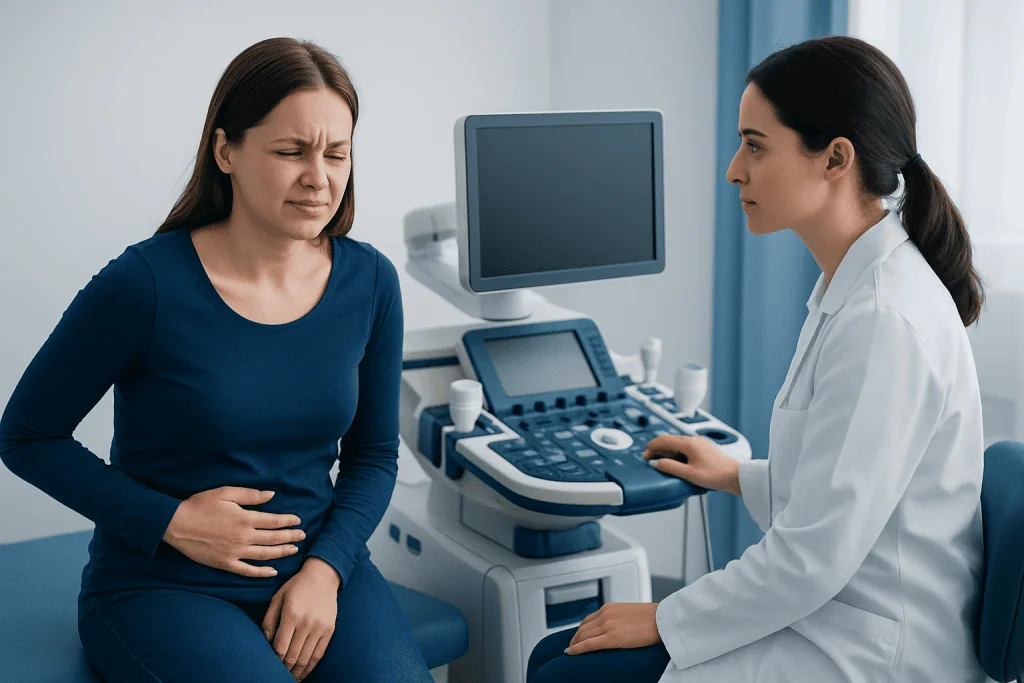
Yes. Dysmenorrhea can be genuinely painful, ranging from mild lower-abdominal cramping to intense, wave-like pain that interferes with normal activities. Pain may begin shortly before bleeding starts or during the first day of a period, and it may spread to the lower back, hips or thighs.
Some people also experience nausea, diarrhea, headache, dizziness, tiredness or sweating during painful periods. Pain severity varies widely and is not always visible to others. Symptoms that regularly cause missed school, work or daily responsibilities deserve medical attention, even if they have occurred for many years.
Very severe pain is not something a person simply has to accept. A clinician can review symptoms, medical history, pregnancy plans and treatment preferences to develop a safe, practical care plan.
Who may benefit and how diagnosis guides treatment
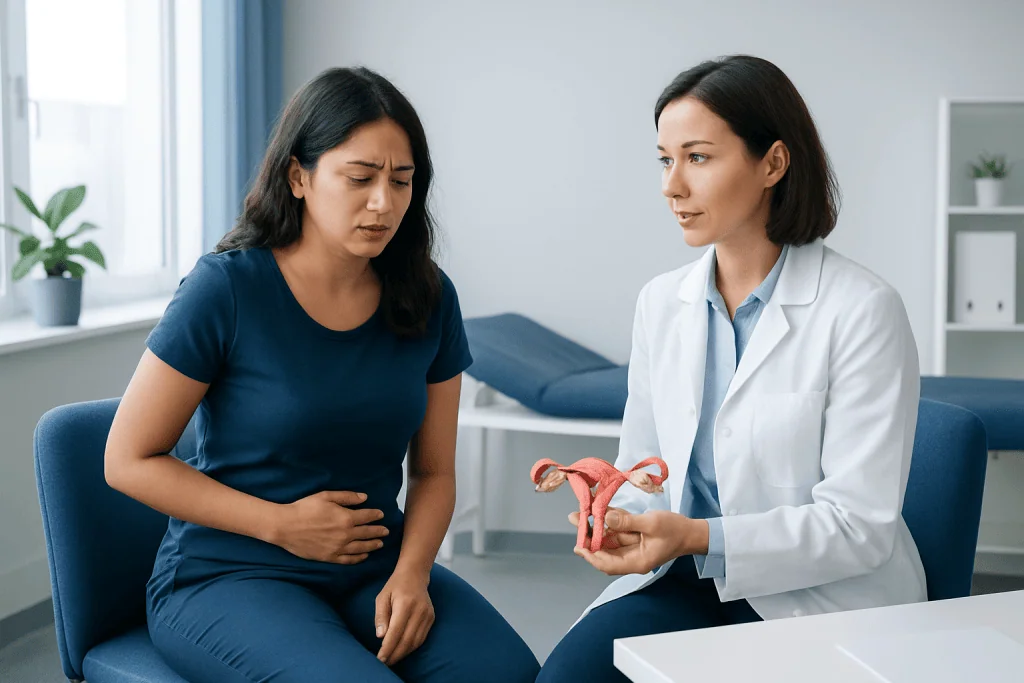
People who have period pain that affects everyday life, does not respond adequately to over-the-counter measures, or becomes progressively worse may benefit from a medical assessment. Treatment can also be useful for people who want more predictable symptoms or who prefer to reduce or stop menstrual bleeding with hormonal therapy when medically appropriate.
A clinician will usually ask about the timing, location and severity of pain; bleeding pattern; bowel or bladder symptoms; sexual health; medicines; and family history. A menstrual symptom diary can be helpful. The examination may include an abdominal and, when appropriate, pelvic examination. Pregnancy testing, testing for infection, blood tests or pelvic ultrasound may be advised based on the symptoms.
Imaging does not identify every cause of pelvic pain. For example, endometriosis can be present even if an ultrasound is normal. If symptoms persist despite initial treatment, a gynecologist may discuss further assessment, including specialist imaging or minimally invasive procedures in selected cases.
- Primary dysmenorrhea often begins within a few years of the first period.
- Secondary dysmenorrhea may start later, worsen over time or occur with heavy bleeding, pain between periods or pain during sex.
- A diagnosis helps ensure treatment considers both symptom control and longer-term reproductive health goals.
Treatment options and a typical care pathway
Nonsteroidal anti-inflammatory drugs (NSAIDs) are commonly used for primary dysmenorrhea because they reduce prostaglandin production. They tend to work best when started at the earliest sign of pain or bleeding, or shortly before a predictable period under a clinician’s guidance. Not everyone can take NSAIDs safely, including some people with kidney disease, stomach ulcers, bleeding conditions, certain cardiovascular risks or medication interactions.
Hormonal methods may also be offered. Combined hormonal pills, patches or rings, progestin-only pills, injections, implants and hormonal intrauterine devices can reduce cramps by thinning the uterine lining and often reducing ovulation or bleeding. The right option depends on medical history, migraine history, blood-clotting risk, smoking status, blood pressure, preferences and plans for pregnancy.
If a structural or inflammatory condition is found, treatment focuses on that condition. This may include medication, targeted hormonal treatment, physical therapy for pelvic-floor muscle tension, or procedures for fibroids, endometriosis or other causes. For example, gynecologists may consider laparoscopy for diagnosis and treatment when symptoms strongly suggest a condition that cannot be managed adequately with conservative care.
Care is usually stepwise rather than a single procedure. The clinician reviews response after several cycles, adjusts the plan if needed and takes fertility goals into account. Acibadem International’s multidisciplinary specialists and JCI-accredited hospitals can assess painful periods and coordinate gynecologic care for international patients.
What to expect: timing, recovery, benefits and risks
There is no one recovery timeline because dysmenorrhea treatment may involve medicines, lifestyle changes or treatment of an underlying condition. With an appropriately timed anti-inflammatory medicine, some people notice relief during the same menstrual episode. Hormonal treatments may take several cycles to show their full effect, and the first months can include changes in bleeding patterns.
Benefits may include less intense cramping, fewer associated symptoms, lighter or less frequent periods with some hormonal methods, and improved daily functioning. A treatment plan is successful when it is both effective and acceptable to the person using it, so follow-up is important if symptoms remain disruptive or side effects are difficult to manage.
Potential risks vary by treatment. NSAIDs may irritate the stomach and can be unsuitable for some health conditions. Hormonal methods can cause irregular bleeding, breast tenderness, headaches or mood changes; rare but serious risks apply to certain estrogen-containing options. Procedures carry their own considerations, such as anesthesia risks, bleeding, infection, scarring and recovery time, which a surgeon should explain individually.
Supportive measures can complement medical care. Regular movement, a heating pad or warm bath, adequate sleep, stress-management practices and balanced nutrition may ease symptoms for some people. These approaches are not a substitute for evaluation when pain is severe or changing.
How many hours does dysmenorrhea last?
For many people with primary dysmenorrhea, cramps are strongest during the first 24 to 48 hours after menstrual bleeding begins. The pain may last a few hours at a time, come in waves, or continue for two to three days as the period progresses.
Duration differs from person to person and can vary from one cycle to the next. Pain lasting longer than expected, pain throughout the month, or cramps that begin well before bleeding may suggest secondary dysmenorrhea and should be discussed with a clinician.
Tracking when pain starts, how long it lasts, its severity and associated symptoms can help a healthcare professional distinguish common menstrual cramps from symptoms that need further investigation.
How long does it take for menstrual cramp medicine to kick in?
Timing depends on the medicine, the individual and when it is taken. Anti-inflammatory pain medicines often begin providing some relief within about an hour, although the full effect may take longer. They are generally most effective when used early in the pain cycle or before expected cramps for people with predictable periods, following the label and a clinician’s advice.
Hormonal treatments do not provide immediate pain relief in the same way. They commonly require several menstrual cycles before cramping and bleeding patterns can be assessed fairly. A clinician may recommend a short-term pain-relief strategy while hormonal treatment takes effect.
A person should not exceed recommended doses or combine medicines without checking safety, particularly if they use blood thinners, have stomach, liver, kidney or heart conditions, or could be pregnant. If medication is not helping after a reasonable trial, medical review is preferable to escalating treatment independently.
Does dysmenorrhea affect fertility?
Primary dysmenorrhea itself does not usually reduce fertility. It is a common response to uterine contractions during menstruation and does not mean a person will have difficulty becoming pregnant in the future.
However, some causes of secondary dysmenorrhea, including endometriosis, pelvic inflammatory disease and certain fibroid patterns, can affect fertility for some people. This is why new, severe or progressively worsening period pain should be evaluated, especially when there is difficulty conceiving, pain during sex or persistent pelvic symptoms.
Many treatments for menstrual cramps are compatible with future fertility. Some hormonal options prevent pregnancy while they are being used, but fertility often returns after stopping them; the timing varies by method and individual circumstances. Anyone trying to conceive should tell their clinician so the treatment plan can support that goal.
When to seek medical care
Medical care is recommended when menstrual pain prevents normal activities, does not improve with appropriate over-the-counter treatment, begins after years of relatively painless periods or steadily worsens. An appointment is also appropriate for unusually heavy bleeding, bleeding between periods, pain with sex, bowel or urinary symptoms around menstruation, or concerns about fertility.
Urgent assessment is important for sudden severe pelvic pain, fainting, fever, vomiting that prevents drinking fluids, very heavy bleeding, a positive pregnancy test with pain or bleeding, or symptoms that raise concern for infection or an ectopic pregnancy. These symptoms can have causes other than dysmenorrhea and should not be managed at home alone.
Preparing for a visit can make the consultation more useful. Bringing a symptom diary, medication list, information about period timing and bleeding, and details of past treatments allows the clinician to recommend appropriate next steps.
Frequently asked questions
What is the best dysmenorrhea treatment?
The best dysmenorrhea treatment depends on the cause, symptom severity, medical history and pregnancy plans. Anti-inflammatory pain medicines and hormonal methods are common first options for primary dysmenorrhea. If an underlying condition is suspected, treatment should address that condition as well.
Can a heating pad help menstrual cramps?
A heating pad, heat wrap or warm bath may help relax muscles and reduce cramp discomfort for some people. Heat can be used alongside prescribed or over-the-counter treatment when it is used safely. Avoid sleeping with a heating device that could cause burns.
When should period pain be investigated for endometriosis?
Evaluation is reasonable when pain is severe, progressively worse, affects daily life or does not improve after an appropriate trial of first-line treatment. Pain during sex, bowel or bladder symptoms around periods, infertility concerns and a family history of endometriosis can also support further assessment. A gynecologist can advise on the most suitable investigations.
Can birth control help dysmenorrhea?
Yes, hormonal contraceptive methods can reduce cramps for many people by reducing ovulation, menstrual flow or prostaglandin-related uterine activity. The choice of method should be individualized because benefits, side effects and safety considerations differ. A clinician can help select an option that fits health needs and reproductive plans.
Can exercise reduce period cramps?
Regular physical activity may reduce menstrual pain for some people and can support sleep, mood and overall wellbeing. Gentle movement such as walking, stretching or yoga may be more comfortable during painful days. Exercise should be adapted if symptoms are severe or another health condition is present.
Will dysmenorrhea go away after pregnancy?
Some people notice changes in menstrual cramps after pregnancy, but this is not predictable and should not be considered a treatment. Dysmenorrhea can continue, improve or change for many reasons over time. Persistent or severe pain should still be assessed by a healthcare professional.
References
- American College of Obstetricians and Gynecologists
- National Institute for Health and Care Excellence
- Mayo Clinic
- World Health Organization
This article is for general information only and is not a substitute for professional medical advice. Please consult a qualified doctor about your individual situation.
Explore treatments in Turkey — costs, top hospitals & a free quote
JCI-accredited · board-certified surgeons · reply within 24h
Add us as a Preferred Source to see more of our trusted health content across Google Search, AI Overviews and Discover.
Check your numbers in seconds
BMI, calories, due date, blood pressure and 30+ more clinical calculators — free, instant, doctor-reviewed ranges.