

Early Menopause: Symptoms, Causes, and Fertility Considerations

Early menopause means menopause occurs before age 45, while menopause before age 40 may be called premature ovarian insufficiency in some cases. Common symptoms include irregular periods, hot flashes, night sweats, sleep changes, vaginal dryness, and mood changes.
Key Takeaways
- Early menopause means menopause occurs before age 45, while menopause before age 40 may be called premature ovarian insufficiency in some cases.
- Common symptoms include irregular periods, hot flashes, night sweats, sleep changes, vaginal dryness, and mood changes.
- Possible causes include genetics, autoimmune conditions, surgery affecting the ovaries, cancer treatments, smoking, and sometimes no clear cause is found.
- Fertility may decline earlier than expected, so prompt advice from a gynecologist or fertility specialist is important for family planning.
- Treatment may include hormone therapy, non-hormonal symptom relief, lifestyle measures, and monitoring for bone and heart health.
- Medical assessment is important because other conditions can also cause missed periods and menopause-like symptoms.
Early menopause happens when menopause begins before age 45. It can affect menstrual cycles, fertility, mood, bone health, and long-term wellbeing, but timely medical care can help manage symptoms and protect health.
Overview of Early Menopause
Early menopause is when menopause happens before the age of 45. Menopause is confirmed after 12 months without a menstrual period, provided there is no other medical reason for the change. It reflects a decline in ovarian function and lower levels of hormones such as estrogen and progesterone.
Some people use the term early menopause for menopause between ages 40 and 45. When ovarian function declines before age 40, doctors may use the term premature ovarian insufficiency. These terms are related but not always identical, and the evaluation may differ slightly depending on age, symptoms, and hormone test results.
Early menopause can affect more than periods. It may influence fertility, sexual health, sleep, mood, bone strength, and cardiovascular health. Because the changes can begin gradually, some women first notice irregular periods and only later recognize other symptoms.
Although this experience can feel unexpected, support and treatment are available. A careful medical assessment can clarify the cause, rule out other explanations, and guide symptom relief and long-term health protection.
Symptoms of Early Menopause
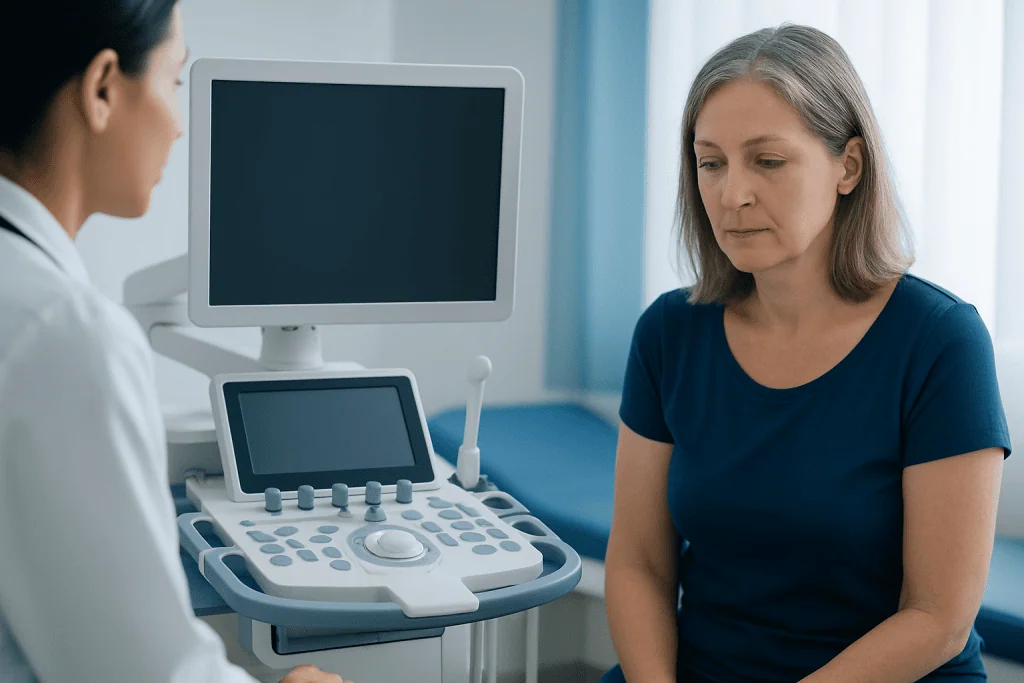
The symptoms of early menopause are similar to those of natural menopause, but they happen at a younger age. Menstrual changes are often the first sign. Periods may become irregular, lighter, heavier, farther apart, or stop completely.
Many women also develop vasomotor symptoms, including hot flashes and night sweats. These can interfere with work, rest, and daily comfort. Sleep may become more disrupted, sometimes due to night sweats and sometimes due to hormone changes themselves.
Lower estrogen levels can also affect the vagina, bladder, skin, and sexual wellbeing. Vaginal dryness, discomfort during sex, lower libido, and urinary urgency may occur. Emotional symptoms such as irritability, low mood, anxiety, difficulty concentrating, or feeling less mentally sharp are also common.
- Irregular or absent periods
- Hot flashes and night sweats
- Sleep disturbance
- Vaginal dryness or pain with sex
- Mood changes or irritability
- Reduced fertility
- Low libido
- Urinary symptoms, such as urgency
Not everyone has the same pattern or intensity of symptoms. Some women have obvious hot flashes, while others mainly notice cycle changes or trouble becoming pregnant. Because symptoms overlap with other conditions, medical advice is useful when periods change earlier than expected.
Causes and Risk Factors

Early menopause can happen for several reasons, and in many cases no single cause is identified. Genetics plays an important role. A family history of early menopause may increase the chance that it occurs in close relatives as well.
Medical causes include autoimmune disorders, in which the body’s immune system may affect ovarian tissue, and certain chromosomal or genetic conditions. Surgical removal of both ovaries causes immediate menopause. Treatments such as chemotherapy or pelvic radiation can also reduce ovarian function, either temporarily or permanently.
Smoking is a well-recognized risk factor because it is associated with earlier depletion of ovarian follicles. Certain infections and metabolic conditions are sometimes considered during assessment, though they are less common causes. It is also important to remember that missed periods can result from pregnancy, thyroid disease, high prolactin levels, significant weight loss, intense exercise, or stress rather than menopause.
When symptoms start very early, the doctor may discuss whether the pattern fits premature ovarian insufficiency. Understanding the cause matters because it can shape treatment, family planning choices, and follow-up for bone and heart health.
How Early Menopause Is Diagnosed
Diagnosis begins with a detailed medical history. The doctor will ask about menstrual changes, hot flashes, sleep, mood, vaginal symptoms, pregnancies, family history, smoking, past surgery, and any cancer treatment. A physical examination may also be performed to check for other possible causes of symptoms.
Blood tests are often used to support the diagnosis and rule out related conditions. Depending on the situation, testing may include hormone levels such as follicle-stimulating hormone and estradiol, as well as thyroid function and prolactin. Pregnancy testing may be needed if periods have stopped unexpectedly.
Sometimes additional tests are recommended, especially in younger women or when the cause is unclear. These may include genetic testing, autoimmune screening, or bone density assessment. If fertility is a concern, referral to a reproductive specialist can help discuss ovarian reserve, timing, and options such as IVF treatment.
The goal is not only to confirm early menopause but also to understand its broader effects. Evaluation helps identify who may benefit from symptom treatment, bone protection, cardiovascular risk reduction, and tailored support for emotional wellbeing and sexual health.
Treatment Options and Long-Term Health Support
Treatment depends on age, symptoms, medical history, and personal priorities such as fertility. For many women with early menopause, hormone therapy is considered unless there is a medical reason not to use it. Replacing estrogen, often with progesterone when the uterus is present, may reduce hot flashes, improve sleep, help vaginal symptoms, and support bone health.
Hormone therapy is individualized. The most suitable type, dose, and form depend on symptoms, preferences, and overall risk profile. Women who cannot use hormones, or who prefer not to, may discuss non-hormonal options for hot flashes, mood symptoms, and sleep difficulties. Vaginal moisturizers, lubricants, or local hormonal treatments may help urogenital symptoms.
Long-term health deserves attention because early loss of estrogen can affect bones and the cardiovascular system. Doctors may recommend monitoring blood pressure, cholesterol, weight, and bone density, along with advice on calcium, vitamin D, exercise, and smoking cessation. When menstrual problems are part of the picture before menopause is confirmed, evaluation may overlap with assessment for menstrual irregularities.
Care is often most helpful when it is multidisciplinary. Gynecologists, endocrinologists, fertility specialists, mental health professionals, and primary care doctors may all play a role. Near the end of the care pathway, some international patients seek assessment at Acibadem International, where multidisciplinary specialists in JCI-accredited hospitals diagnose and treat conditions related to early menopause and reproductive health.
Fertility Considerations and Family Planning
One of the most important concerns in early menopause is fertility. Because ovarian function declines sooner than expected, the chance of natural conception may decrease earlier as well. In some women, especially those with premature ovarian insufficiency, ovarian activity can fluctuate, so occasional ovulation may still happen even when periods are irregular or absent.
Anyone who hopes to become pregnant should seek advice promptly rather than waiting. A fertility specialist can discuss what testing may be useful and which options are realistic based on age, hormone patterns, ovarian function, and overall health. If pregnancy is not desired, contraception may still be needed until menopause is clearly confirmed, since intermittent ovulation can occur in some cases.
Possible fertility approaches vary widely by individual situation. Some women may be candidates for ovulation induction if ovulation is still occurring but infrequently, while others may consider in vitro fertilization as part of their fertility care plan. Emotional support is also important, as changes in fertility can bring grief, stress, and uncertainty.
Family planning discussions may also include timing, donor egg options where appropriate, and ways to optimize general health before pregnancy. A clear, compassionate conversation with a qualified specialist can help patients understand the possibilities without false reassurance or unnecessary fear.
Prevention, Self-Care, and When to See a Doctor
There is not always a way to prevent early menopause, especially when it is related to genetics, autoimmune conditions, or necessary medical treatment. Still, general health habits can support overall wellbeing and may help reduce some risks. Avoiding smoking, staying physically active, eating a balanced diet, maintaining a healthy weight, and getting enough calcium and vitamin D all support long-term health.
Self-care can also ease symptoms. Dressing in layers, keeping the bedroom cool, limiting triggers such as hot drinks or alcohol if they worsen hot flashes, and practicing regular sleep habits may help. Vaginal moisturizers and lubricants can improve comfort during sex. Stress management, counseling, or support groups may be valuable for mood changes and the emotional impact of fertility concerns.
A doctor should be consulted if periods become irregular or stop before age 45, especially if this is accompanied by hot flashes, night sweats, vaginal dryness, or trouble getting pregnant. Medical care is also important for pelvic pain, heavy bleeding, bleeding after sex, severe mood symptoms, or new symptoms that do not fit a typical menopause pattern. Prompt evaluation helps rule out other conditions and supports earlier treatment.
Women with cancer treatment history, pelvic surgery, or a strong family history of early menopause may benefit from earlier discussion with a specialist. If needed, evaluation may include support from teams experienced in gynecology care and reproductive medicine to address both symptoms and future planning.
Frequently asked questions
What is the difference between early menopause and premature ovarian insufficiency?
Early menopause generally refers to menopause that happens before age 45. Premature ovarian insufficiency usually refers to loss of normal ovarian function before age 40, and ovarian activity may sometimes be intermittent rather than completely absent.
Can a woman get pregnant with early menopause?
Fertility usually declines with early menopause, but pregnancy may still be possible in some situations, especially if ovarian function is not completely absent. Anyone hoping to conceive should seek medical advice early to discuss testing and time-sensitive options.
Does early menopause always cause hot flashes?
No. Some women mainly notice irregular periods or fertility changes, while others have hot flashes, sleep problems, or vaginal dryness. Symptoms vary from person to person and can develop gradually.
How is early menopause confirmed?
Doctors usually combine symptom history, menstrual history, age, and blood tests to help confirm the diagnosis. They may also rule out other causes of missed periods, such as pregnancy, thyroid disorders, or elevated prolactin.
Is hormone therapy safe for early menopause?
For many women with early menopause, hormone therapy is considered appropriate unless there is a specific reason not to use it. The decision is individualized, so a doctor will review benefits, risks, symptoms, and personal medical history before recommending a plan.
Why does early menopause matter beyond fertility?
Early loss of estrogen can affect bone density, heart health, sexual comfort, sleep, and quality of life. That is why medical follow-up often includes symptom treatment as well as longer-term monitoring and prevention.
References
- World Health Organization
- American College of Obstetricians and Gynecologists
- National Institute on Aging
- North American Menopause Society
- National Health Service
This article is for general information only and is not a substitute for professional medical advice. Please consult a qualified doctor about your individual situation.
IVF & fertility treatment in Turkey — success rates and costs
JCI-accredited · board-certified surgeons · reply within 24h
Add us as a Preferred Source to see more of our trusted health content across Google Search, AI Overviews and Discover.

More from the Health Library



Related Specialists

Prof. Dr. Mustafa Koray Lenk
Pediatric Cardiology
Prof. Dr. Bülent Tıraş
Gynecology & Obstetrics
Prof. Dr. Ahmet Alanay
Orthopedic Surgery & Traumatology
Dr. Özlem Tetik
Anesthesiology