Ebstein Heart Defect: What Patients Need to Know

Ebstein heart defect is present at birth and mainly affects the tricuspid valve and right side of the heart. Symptoms vary widely, from none at all to breathlessness, fatigue, bluish skin color, or heart rhythm problems.
Key Takeaways
- Ebstein heart defect is present at birth and mainly affects the tricuspid valve and right side of the heart.
- Symptoms vary widely, from none at all to breathlessness, fatigue, bluish skin color, or heart rhythm problems.
- Diagnosis usually involves an echocardiogram, electrocardiogram, physical exam, and sometimes advanced cardiac imaging.
- Treatment depends on symptom severity and may include observation, medications, catheter-based care, or surgery.
- Regular follow-up with a cardiologist experienced in congenital heart disease is important even when symptoms are mild.
Ebstein heart defect is a rare congenital heart condition in which the tricuspid valve forms abnormally and sits lower than usual in the right side of the heart. Some people have few symptoms for years, while others need monitoring, medicines, or surgery to support heart function and rhythm.
Overview
Ebstein heart defect, also called Ebstein anomaly, is a rare congenital heart condition that affects the tricuspid valve, the valve between the right atrium and right ventricle. In this condition, the valve develops in an unusual position and may not close properly. As a result, some blood can leak backward, and the right side of the heart may become enlarged over time.
This condition can look very different from one person to another. Some babies are diagnosed before or soon after birth because they have low oxygen levels or trouble feeding. Others do not learn they have Ebstein heart defect until adolescence or adulthood, often after evaluation for a heart murmur, palpitations, or reduced exercise tolerance.
A helpful way to understand Ebstein heart defect is to think of it as both a valve problem and a heart structure problem. The misplaced valve changes how the right side of the heart works, and the degree of change can range from mild to severe. Because of this wide range, treatment is individualized and may involve simple monitoring or more complex care.
How Ebstein Heart Defect Affects the Heart
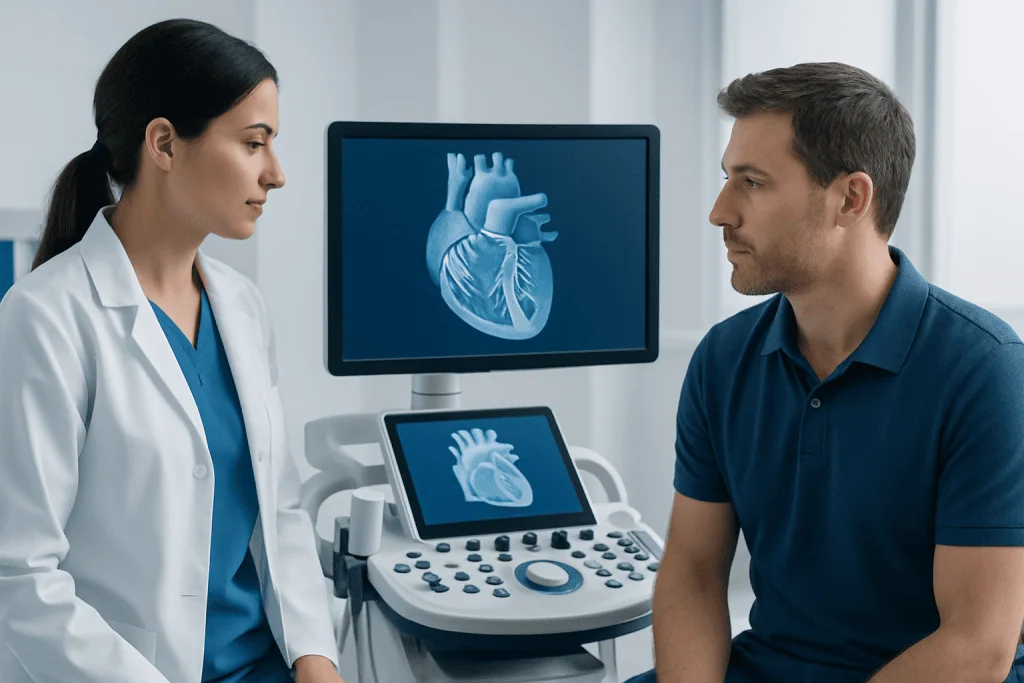
In a typical heart, the tricuspid valve sits at the opening between the right upper chamber and right lower chamber and helps blood move in one direction. In Ebstein heart defect, parts of the valve are displaced downward into the right ventricle. This changes the shape and effective size of the ventricle and can reduce how efficiently the heart pumps blood to the lungs.
Many people with this condition also have tricuspid regurgitation, which means the valve leaks. When the valve leaks significantly, the right atrium can enlarge because it handles extra blood volume. Over time, this may contribute to fatigue, shortness of breath, swelling, or irregular heart rhythms.
Some patients also have related structural findings, such as an atrial septal defect or patent foramen ovale, which are openings between the heart’s upper chambers. These openings can allow blood to pass abnormally between chambers and may contribute to lower oxygen levels. In more complex cases, doctors may assess for other forms of congenital heart disease at the same time.
Symptoms and Possible Complications
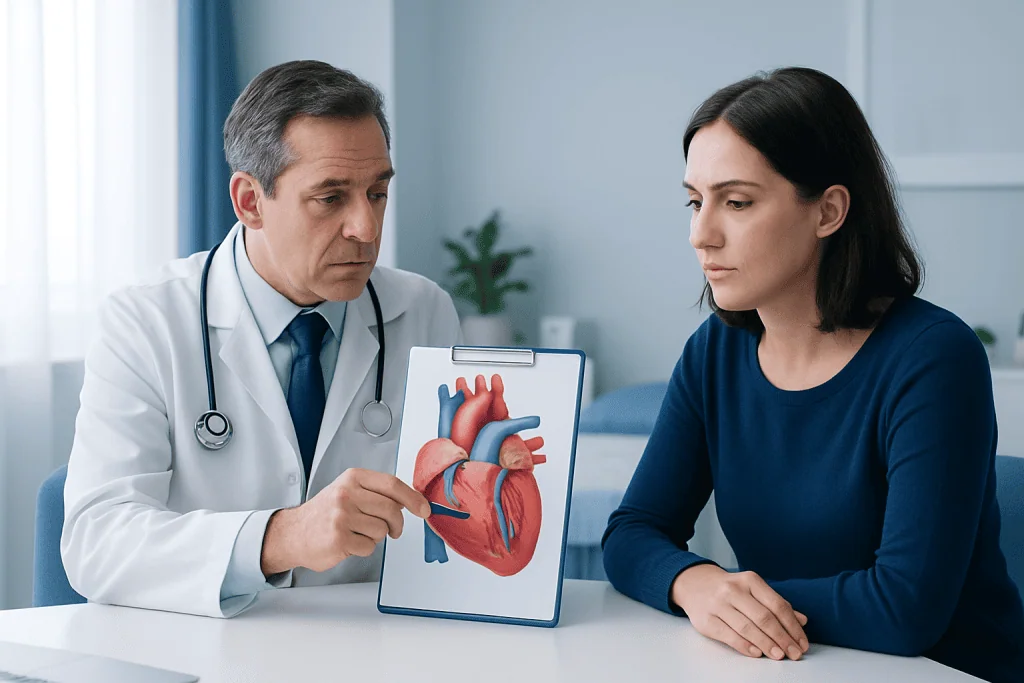
Symptoms of Ebstein heart defect depend on how abnormal the valve is and how well the heart is compensating. Some people have no symptoms and live for years without major limitations. Others may notice breathlessness during activity, tiredness, reduced stamina, swelling in the legs or abdomen, or a bluish color to the lips and skin caused by lower oxygen levels.
Heart rhythm problems are also important in this condition. Patients may feel skipped beats, a racing heartbeat, dizziness, or fainting. Certain rhythm disturbances can happen because the structure of the heart makes abnormal electrical pathways more likely. In children, signs may include poor feeding, rapid breathing, or slow growth.
Possible complications include progressive enlargement of the right side of the heart, worsening valve leakage, heart failure symptoms, and recurrent arrhythmias. During pregnancy or major illness, symptoms may become more noticeable in some adults. Because symptoms can overlap with other cardiac problems, careful evaluation is needed rather than self-diagnosis.
- Shortness of breath with exertion
- Fatigue or low exercise tolerance
- Palpitations or rapid heartbeat
- Bluish discoloration of lips or skin
- Swelling in the legs, ankles, or abdomen
- Dizziness or fainting episodes
Causes and Risk Factors
Ebstein heart defect develops before birth while the heart is forming. In most cases, there is no single clear reason why it happens. It is usually considered a sporadic congenital condition, meaning it occurs by chance rather than because of something a parent did or did not do during pregnancy.
Researchers believe a mix of genetic and developmental factors may play a role. In some families, there may be a slightly increased likelihood of congenital heart problems, but most parents of a child with Ebstein heart defect have no known family history. Rarely, it may occur along with broader genetic or structural syndromes.
Because this is a birth defect, it is not caused by lifestyle habits developed later in life. However, once the condition is present, general heart health still matters. Avoiding smoking, managing blood pressure, and staying engaged in follow-up care can help support overall cardiovascular health and identify changes early.
How Doctors Diagnose It
Diagnosis starts with a medical history and physical examination. A doctor may hear a heart murmur, notice signs of low oxygen, or ask about exercise tolerance and palpitations. If Ebstein heart defect is suspected, the most important test is usually an echocardiogram, which uses ultrasound to show the structure of the tricuspid valve, heart chambers, and blood flow.
Other tests often include an electrocardiogram to check the heart’s electrical activity and detect rhythm problems. A chest X-ray may show an enlarged heart, and pulse oximetry can help measure oxygen levels. In some cases, doctors use Holter monitoring or event monitoring to capture intermittent arrhythmias that do not show up during a single office visit.
For more detailed planning, a specialist may recommend fetal echocardiography during pregnancy, cardiac MRI, exercise testing, or cardiac catheterization. These tools help define severity, evaluate blood flow, and plan treatment. If rhythm issues are a major concern, evaluation may overlap with care for arrhythmia and may include discussions about electrophysiology study and ablation when appropriate.
Treatment Options and Long-Term Care
Treatment for Ebstein heart defect depends on age, symptoms, oxygen levels, valve function, heart size, and whether arrhythmias are present. Mild cases may only need regular checkups and imaging over time. The goal is to watch for changes in heart function before complications become advanced.
Medicines may help control symptoms or support heart rhythm, but they do not correct the valve abnormality itself. Doctors may prescribe treatment for fluid retention, heart failure symptoms, or palpitations based on the individual’s needs. Some patients also need monitoring or treatment for associated defects between the upper chambers of the heart.
When symptoms are significant or the valve leak is severe, surgery may be recommended. Procedures can include tricuspid valve repair, valve replacement, closure of associated septal defects, and treatment of rhythm pathways during the same operation in selected cases. In some patients, broader heart surgery planning is needed, while others may benefit from specialized cardiology follow-up and imaging. For advanced or complex situations, doctors may discuss whether congenital heart surgery is the best approach.
Long-term care remains important after treatment. Even after successful surgery, patients usually need periodic follow-up with a cardiologist who understands congenital heart disease in children or adults. This helps track valve function, heart size, exercise capacity, oxygen levels, and rhythm changes over time.
Living With Ebstein Heart Defect
Many people with Ebstein heart defect can lead active and fulfilling lives, especially when the condition is mild or well managed. Everyday planning may include balancing activity with rest, taking prescribed medicines correctly, and attending routine heart evaluations. Doctors can advise on what level of exercise is safe, since recommendations vary depending on symptoms and heart function.
Patients and families often benefit from understanding warning signs, keeping records of test results, and asking about school, sports, travel, pregnancy, or work limitations when relevant. Adolescents and adults should also ask about transitioning from pediatric to adult congenital heart care if they were diagnosed in childhood.
General self-care supports overall health. This includes a heart-healthy diet, avoiding tobacco, getting recommended vaccines, and discussing any new medicines or supplements with a clinician. Near the end of the care pathway, some international patients seek evaluation at centers such as Acibadem International, where multidisciplinary specialists in JCI-accredited hospitals diagnose and treat congenital and structural heart conditions.
When to Seek Medical Care
Medical advice should be sought promptly if symptoms suggest a new or worsening heart problem. This includes increasing shortness of breath, fainting, chest discomfort, marked fatigue, new swelling, or a noticeable decline in exercise tolerance. Parents of infants should contact a doctor if a baby has poor feeding, rapid breathing, blue discoloration, or trouble gaining weight.
Urgent care is important for severe symptoms such as difficulty breathing at rest, prolonged palpitations with dizziness, collapse, or signs of very low oxygen. These symptoms do not always mean a serious complication is occurring, but they should be assessed without delay. Patients who already know they have Ebstein heart defect should also keep regular follow-up visits even when they feel well, because changes in heart structure or rhythm can develop gradually.
Frequently asked questions
Is Ebstein heart defect the same as Ebstein anomaly?
Yes. Ebstein heart defect and Ebstein anomaly refer to the same congenital heart condition involving abnormal development of the tricuspid valve. Doctors may use either term in clinic notes or educational materials.
Can someone have Ebstein heart defect without symptoms?
Yes, some people have a mild form and feel well for many years. The condition may be found incidentally during evaluation for a murmur, an abnormal ECG, or imaging done for another reason. Even without symptoms, regular follow-up is still important.
Does Ebstein heart defect always require surgery?
No. Surgery is not needed in every case. Many patients are monitored over time, and treatment decisions depend on symptoms, valve leakage, heart chamber size, oxygen levels, and rhythm problems.
Can adults be diagnosed with Ebstein heart defect?
Yes. Although it is present at birth, some people are not diagnosed until adolescence or adulthood because symptoms are mild or develop slowly. Adult congenital heart specialists often help guide long-term care in these cases.
What tests are usually used to confirm Ebstein heart defect?
An echocardiogram is usually the main test because it shows the tricuspid valve and blood flow clearly. Doctors may also use an electrocardiogram, chest X-ray, rhythm monitoring, cardiac MRI, or other tests depending on the situation.
Can exercise be safe with Ebstein heart defect?
In many cases, yes, but the safest level of activity depends on the severity of the condition and whether arrhythmias or low oxygen levels are present. A cardiologist can recommend suitable exercise and advise whether any sports restrictions are needed.
References
- American Heart Association
- National Heart, Lung, and Blood Institute
- Centers for Disease Control and Prevention
- National Organization for Rare Disorders
- European Society of Cardiology
This article is for general information only and is not a substitute for professional medical advice. Please consult a qualified doctor about your individual situation.
Explore treatments in Turkey — costs, top hospitals & a free quote
JCI-accredited · board-certified surgeons · reply within 24h
Add us as a Preferred Source to see more of our trusted health content across Google Search, AI Overviews and Discover.
Check your numbers in seconds
BMI, calories, due date, blood pressure and 30+ more clinical calculators — free, instant, doctor-reviewed ranges.

More from the Health Library

Vagus Nerve — Explained by Medical Evidence, Not Myths

Pelvic Tilts: A Complete Medical Overview

Testosterone Gel: An Evidence-Based Guide for Patients

Meaning of Gagging: A Complete Medical Overview

Doula — Explained by Medical Evidence, Not Myths