Ecmo Machine — Explained by Medical Evidence, Not Myths
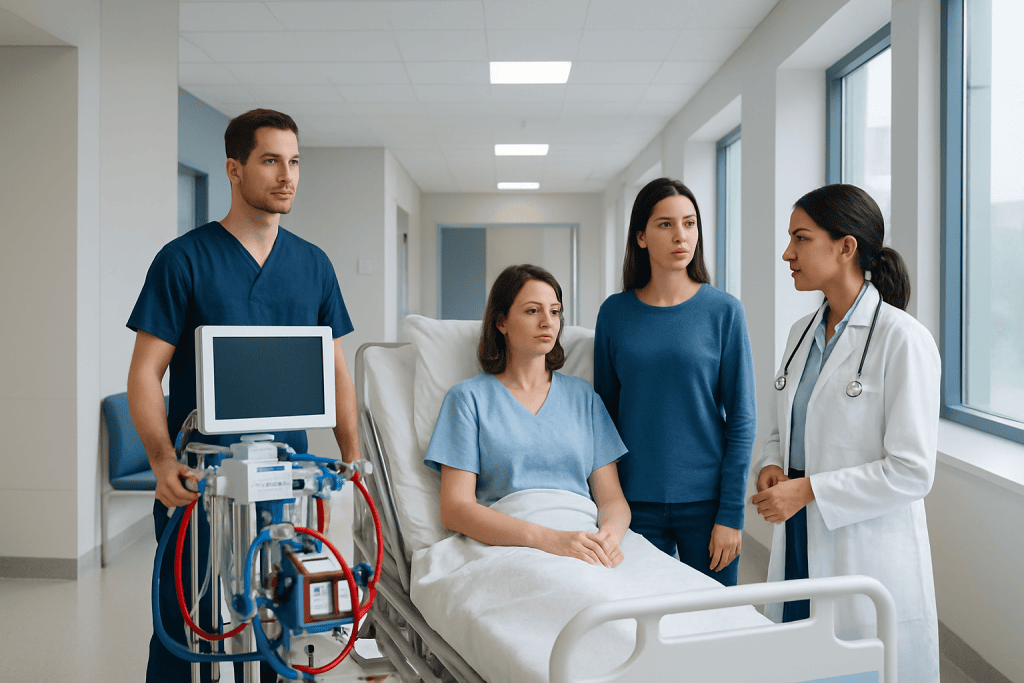
An ecmo machine adds oxygen to the blood outside the body and removes carbon dioxide. ECMO is used for severe heart or lung failure when other treatments are not providing enough support.
Key Takeaways
- An ecmo machine adds oxygen to the blood outside the body and removes carbon dioxide.
- ECMO is used for severe heart or lung failure when other treatments are not providing enough support.
- There are two main types: VV ECMO for lung support and VA ECMO for heart-and-lung support.
- ECMO requires intensive monitoring by a specialized team in an intensive care unit.
- Because ECMO can cause serious complications, doctors use it only when the potential benefit is greater than the risk.
An ecmo machine is a life-support system that temporarily takes over part of the work of the lungs, the heart, or both when standard treatments are not enough. It is not a cure by itself, but a bridge that gives the body time to heal or allows doctors to plan the next step in treatment.
What an ecmo machine actually does
An ecmo machine is a form of advanced life support called extracorporeal membrane oxygenation. In simple terms, it moves blood out of the body through tubes, passes it through a device that adds oxygen and removes carbon dioxide, and then returns the blood to the body. This can temporarily reduce the work of the lungs, the heart, or both.
People often describe ECMO as a “heart-lung machine,” but that phrase can be misleading. Unlike the machine used for short periods during some operations, an ecmo machine is usually used in the intensive care unit for ongoing support when a person is critically ill. Its purpose is to buy time while the underlying problem is treated or while the body recovers.
ECMO is not a treatment for every breathing or heart problem. It is typically considered only when conventional care such as oxygen, mechanical ventilation, medications, or other intensive therapies are not enough to keep the body supplied with oxygen-rich blood.
How ECMO works in the body
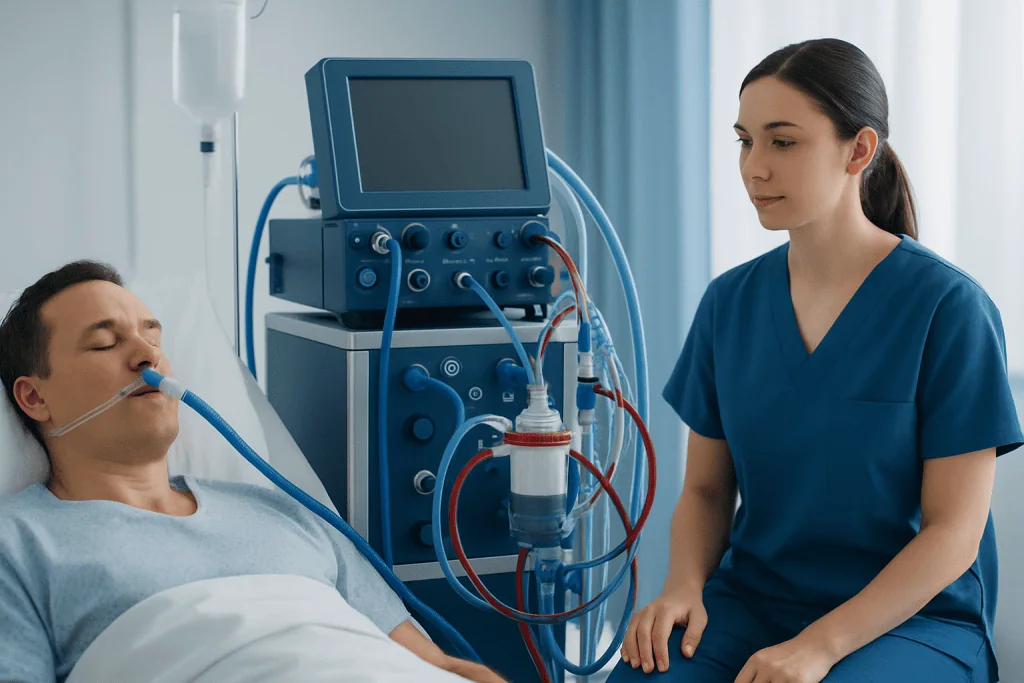
The ecmo machine works through a circuit that includes tubes, a pump, and an artificial membrane lung. Blood leaves the body through a large cannula, moves through the circuit, and then passes across the membrane where oxygen enters and carbon dioxide is removed. The treated blood is then returned to the circulation.
There are two main forms of ECMO. Venovenous, or VV ECMO, supports the lungs by taking blood from a vein and returning it to a vein after oxygenation. Venoarterial, or VA ECMO, supports both the heart and the lungs by returning blood to an artery, helping circulate blood to the body when the heart is too weak to do so effectively.
To prevent clotting in the circuit, many patients need blood-thinning medication while on ECMO. The care team closely watches blood flow, oxygen levels, blood pressure, and laboratory results at all times. Because the balance is delicate, ECMO is managed in highly specialized centers with continuous monitoring.
When doctors may recommend an ecmo machine

Doctors may consider an ecmo machine when a person has severe but potentially reversible failure of the lungs, the heart, or both. In lung failure, this can happen when oxygen levels remain dangerously low or carbon dioxide levels remain very high despite a ventilator and other treatments. In heart failure, ECMO may be used when the body is not getting enough blood flow even with medications and other support.
Examples include severe pneumonia, acute respiratory distress syndrome, major heart inflammation, complications after heart surgery, or sudden severe weakening of the heart muscle. ECMO may also be used as a bridge to another treatment, such as advanced heart support or lung transplant or heart transplant in carefully selected patients.
ECMO is only one part of critical care. Doctors continue to treat the underlying illness with antibiotics when infection is present, medications to support blood pressure or heart function, ventilator adjustments, dialysis if needed, and other organ support. In some situations, the same severe illness may overlap with conditions such as acute respiratory distress syndrome or heart failure.
What happens before and during ECMO
Before ECMO begins, the team quickly assesses whether the likely benefits outweigh the risks. This includes reviewing the person’s diagnosis, how long the heart or lungs have been failing, whether other organs are affected, and whether the condition may improve with time or treatment. Imaging, blood tests, and bedside monitoring help guide this decision.
To start ECMO, doctors place one or more large tubes called cannulas into major blood vessels, usually in the neck, groin, or chest depending on the clinical situation. This is done using sterile technique and often with ultrasound or imaging guidance. Patients are usually already in intensive care and may be receiving sedation, a ventilator, or medications for blood pressure support.
Once on ECMO, care focuses on maintaining safe blood flow, oxygen delivery, and stable circulation. The team checks for clotting, bleeding, infection, changes in organ function, and signs that the heart or lungs are recovering. Nurses, intensivists, perfusionists, respiratory therapists, cardiologists, and surgeons may all be involved in day-to-day management.
As the patient improves, the team gradually tests whether the body can resume more of the work on its own. This process is called weaning. If the heart or lungs are strong enough, ECMO can be removed; if not, doctors may discuss other options, including longer-term support or transplant evaluation in selected cases.
Benefits, limits, and possible risks
The main benefit of an ecmo machine is time. By helping oxygenate the blood and maintain circulation, ECMO can protect organs while the medical team treats the underlying condition. In the right situation, it may allow the lungs to rest at gentler ventilator settings or help the heart recover after a severe but reversible injury.
However, ECMO has important limits. It does not cure infection, reverse long-standing organ damage, or guarantee recovery. If the underlying illness is too advanced or not reversible, ECMO may not change the outcome. This is why patient selection is so important.
Potential complications include bleeding, blood clots, stroke, infection, limb circulation problems, kidney injury, and mechanical problems with the circuit. Blood-thinning medication lowers the risk of clotting in the machine but can increase bleeding risk. Doctors continually weigh these risks against the possible benefits and adjust treatment as the situation evolves.
- Possible benefit: supports oxygen delivery and circulation during critical illness
- Possible limit: not a cure for the disease causing heart or lung failure
- Possible risk: bleeding, clotting, infection, and organ-related complications
Recovery after ECMO and rehabilitation
Coming off an ecmo machine is an important milestone, but recovery often continues well beyond the ICU. Many patients still need ongoing treatment for the illness that led to ECMO, along with respiratory support, heart medications, physical therapy, or kidney support. The speed of recovery depends on the underlying disease, age, general health, and whether complications occurred.
Some people feel weak, short of breath, or mentally foggy after a prolonged critical illness. This can happen even when ECMO has been successful, because severe illness and ICU care affect the whole body. Rehabilitation may include gradual movement, nutrition support, breathing exercises, and follow-up with specialists such as pulmonologists, cardiologists, or neurologists.
Families often need clear communication during this stage. Doctors may explain what has improved, what still needs treatment, and what signs of recovery they are watching for. In centers with advanced critical care services, including Acibadem International, multidisciplinary specialists in JCI-accredited hospitals evaluate and treat international patients who may need complex support such as ECMO and related intensive care.
When to seek medical care
An ecmo machine is used in medical emergencies, not at home or in an outpatient setting. Immediate medical care is needed if a person develops severe shortness of breath, blue lips or fingertips, chest pain, fainting, sudden confusion, or signs of shock such as cold clammy skin and a weak pulse. These symptoms can signal life-threatening heart or lung failure.
People with worsening pneumonia, severe asthma, major heart disease, or known heart failure should seek urgent care if breathing becomes much harder, oxygen levels drop, or swelling and fatigue suddenly worsen. Early hospital treatment may prevent further deterioration and may allow less invasive therapies to work before advanced support is considered.
Families should also ask the care team for updates if a hospitalized loved one is rapidly worsening despite oxygen, a ventilator, or blood pressure medications. ECMO is considered only in selected cases, but timely assessment by a specialized critical care team can be important.
Frequently asked questions
Is an ecmo machine the same as a ventilator?
No. A ventilator moves air in and out of the lungs, while an ecmo machine oxygenates blood outside the body and removes carbon dioxide. Some patients on ECMO also need a ventilator, but the two tools do different jobs.
Does ECMO mean the person will recover?
Not necessarily. ECMO is a support treatment, not a cure, and recovery depends mainly on the underlying illness and overall condition of the patient. Doctors use it when they believe there is a reasonable chance that the heart, lungs, or treatment plan may improve with time.
How long can someone stay on ECMO?
The length of time varies widely depending on why ECMO is needed and how the patient responds. Some people need it for a short period, while others require longer support. The ICU team reviews progress every day to decide whether ECMO should continue, be reduced, or be stopped.
Can a person be awake on an ecmo machine?
Sometimes, yes. Some patients need deep sedation, especially early in treatment, but others may be more awake later depending on their condition and the type of support they need. The decision is individualized and guided by safety, comfort, and the treatment plan.
What are the main risks of ECMO?
The main risks include bleeding, blood clots, infection, stroke, and problems related to blood flow or the ECMO circuit. These risks are serious, which is why ECMO is reserved for carefully selected critically ill patients. Continuous monitoring helps the team detect and manage complications as early as possible.
Who decides whether a patient needs ECMO?
A specialized critical care team makes this decision, often including intensive care doctors, heart or lung specialists, surgeons, perfusion experts, and experienced nurses. They assess the cause of organ failure, response to current treatment, likelihood of recovery, and the risks of ECMO in that specific patient.
References
- World Health Organization
- Extracorporeal Life Support Organization
- American Heart Association
- American Thoracic Society
- National Heart, Lung, and Blood Institute
This article is for general information only and is not a substitute for professional medical advice. Please consult a qualified doctor about your individual situation.
Explore treatments in Turkey — costs, top hospitals & a free quote
JCI-accredited · board-certified surgeons · reply within 24h
Add us as a Preferred Source to see more of our trusted health content across Google Search, AI Overviews and Discover.
Check your numbers in seconds
BMI, calories, due date, blood pressure and 30+ more clinical calculators — free, instant, doctor-reviewed ranges.

More from the Health Library
Video Game Addiction: A Complete Medical Overview

Black Rice Benefits: What Patients Need to Know

Aqualyx — Explained by Medical Evidence, Not Myths

Pumpkin Seed Oil: An Evidence-Based Guide for Patients

Eca Stack: An Evidence-Based Guide for Patients