EEG Test: What Brain Wave Monitoring Can Help Diagnose
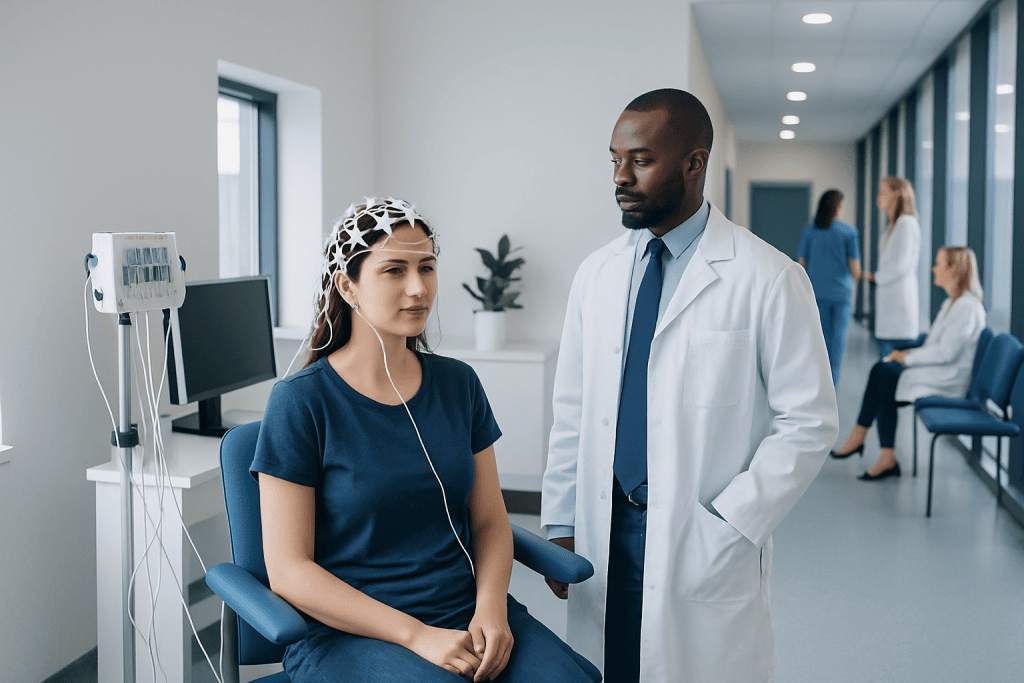
An EEG test is painless and measures electrical activity in the brain. It is commonly used to help diagnose seizures, epilepsy, and some sleep or brain function disorders.
Key Takeaways
- An EEG test is painless and measures electrical activity in the brain.
- It is commonly used to help diagnose seizures, epilepsy, and some sleep or brain function disorders.
- The test does not usually diagnose a condition by itself; results are interpreted along with symptoms and other exams.
- Preparation may include clean hair, avoiding certain products, and following instructions about sleep or medicines.
- A normal EEG does not always rule out a neurological condition, so follow-up testing may still be needed.
An EEG test, or electroencephalogram, records the brain’s electrical activity through small sensors placed on the scalp. It can help doctors evaluate seizures, epilepsy, sleep-related problems, episodes of altered awareness, and other conditions that affect brain function.
Overview: What an EEG Test Is
An EEG test, short for electroencephalogram, is a noninvasive test that records the brain’s electrical activity. The brain communicates through tiny electrical signals, and an EEG captures these signals using small metal discs called electrodes that are placed on the scalp. The recording appears as wave patterns that trained specialists interpret.
Doctors use an EEG test to look for changes in brain activity that may help explain symptoms such as seizures, fainting spells, confusion, memory lapses, unusual movements, or periods of unresponsiveness. It is one of the most common tests used in neurology because it can provide valuable information about how the brain is functioning in real time.
An EEG does not expose the patient to radiation and does not send electricity into the brain. It simply records natural brain wave activity. For many people, this makes the test less intimidating than it sounds. It is generally safe for adults and children, including infants.
What Brain Wave Monitoring Can Help Diagnose
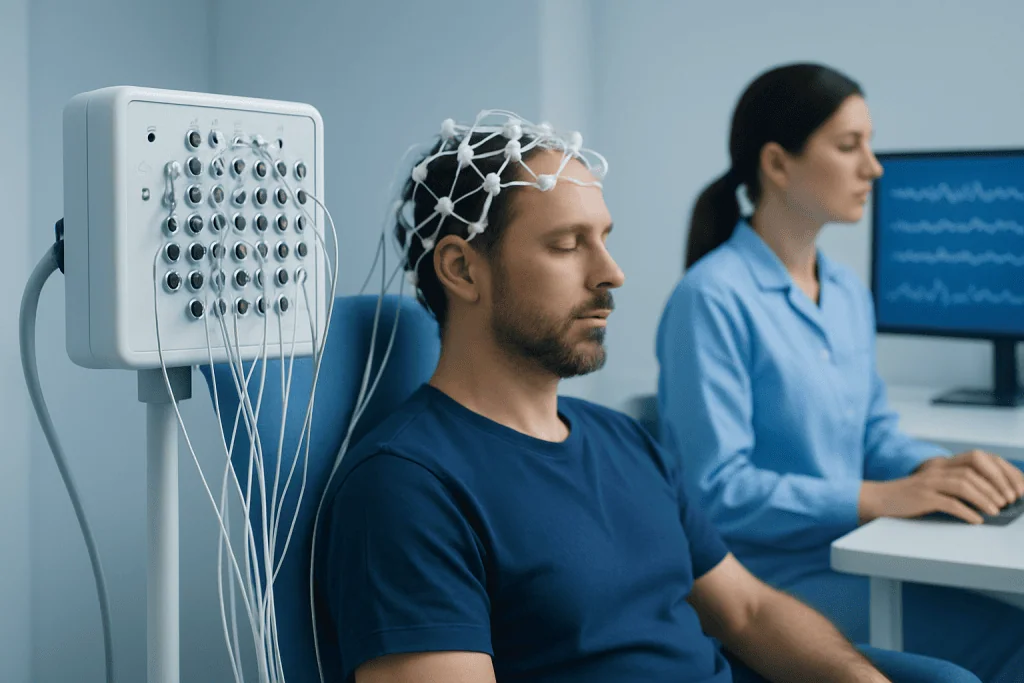
Brain wave monitoring with an EEG test can help doctors investigate several neurological concerns. One of its best-known uses is the evaluation of seizures and epilepsy. Certain EEG patterns may suggest a tendency toward seizures or help identify the type of seizure disorder a person may have. This can guide treatment decisions and long-term care.
An EEG may also be useful when a person has episodes that are difficult to explain, such as staring spells, sudden confusion, loss of awareness, unexplained shaking, or fainting-like events. In some cases, the test helps distinguish seizures from other causes of temporary symptoms, such as sleep disorders, migraine-related episodes, or changes in blood flow to the brain.
Doctors may request an EEG test to assess sleep-related conditions, especially when symptoms involve unusual nighttime movements or sudden daytime sleepiness. It can also support the evaluation of encephalopathy, brain inflammation, effects of head injury, coma, and certain metabolic or toxic conditions that affect brain function. In intensive care settings, continuous EEG monitoring may be used to watch for seizure activity that is not visible from the outside.
Although an EEG can provide important clues, it usually works best when combined with the person’s medical history, physical examination, and sometimes imaging studies such as MRI or CT scan. The test helps show how the brain is functioning, while scans help show its structure.
Symptoms and Situations That May Lead to an EEG
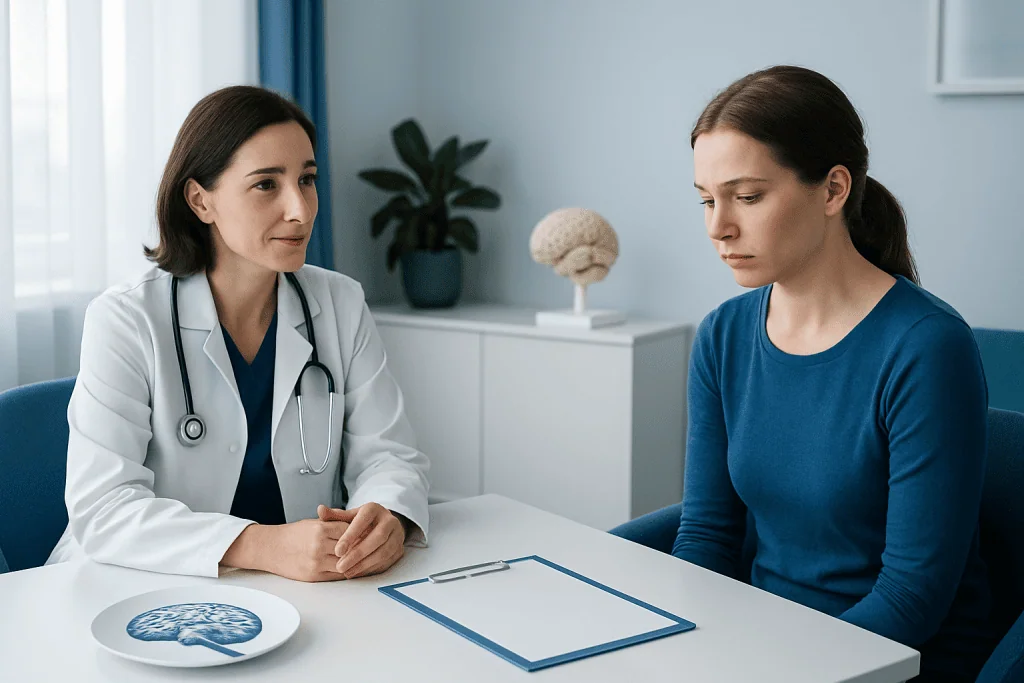
A doctor may recommend an EEG test when symptoms suggest that the brain’s electrical activity might be involved. Common reasons include unexplained seizures, repeated fainting episodes, brief spells of altered awareness, unusual jerking movements, or periods of confusion. The test may also be considered after a head injury or when there are concerns about changes in attention, behavior, or consciousness.
Children may have an EEG if they experience staring spells, developmental regression, unusual nighttime events, or movements that raise concern for seizures. In older adults, an EEG may be used when there is sudden confusion, unexplained falls, or suspicion of nonconvulsive seizures. The decision to order the test depends on the symptoms, their timing, and the person’s overall health.
EEG testing may also be part of the evaluation for suspected sleep problems, some cases of dementia-like symptoms, or episodes that resemble panic attacks but may have a neurological cause. In hospital settings, continuous monitoring can help evaluate patients who are critically ill or not waking as expected after sedation.
- Unexplained seizure-like activity
- Blackouts or loss of consciousness
- Staring spells or episodes of unresponsiveness
- Confusion, agitation, or sudden behavior changes
- Unusual sleep-related movements or events
- Follow-up assessment in known epilepsy
How the EEG Test Is Performed
During a routine EEG, the patient usually sits or lies comfortably while a technician places electrodes on the scalp with a special paste or adhesive. The placement is painless. Once the electrodes are connected, the machine records brain wave activity for a period that may range from about 20 minutes to longer, depending on the reason for the test.
During the recording, the patient may be asked to open and close the eyes, breathe deeply for several minutes, or look at flashing lights. These activation techniques can sometimes bring out patterns that help doctors interpret the test more clearly. In many cases, the person can go home soon afterward and return to normal activities unless told otherwise.
Some people need a sleep EEG, prolonged ambulatory EEG, or video EEG monitoring. A sleep EEG may be arranged if symptoms occur during sleep or if a routine test is inconclusive. Ambulatory EEG allows brain activity to be recorded over a longer time at home. Video EEG, often used for seizure evaluation, combines EEG with video to compare symptoms with brain wave changes and may be especially useful before planning epilepsy surgery.
Preparation instructions can vary. Patients are often advised to arrive with clean, dry hair and to avoid oils, sprays, or styling products. Some may be asked to sleep less than usual before the test, especially if a sleep-deprived EEG is needed. Medicines should only be changed if the doctor specifically advises it.
Understanding EEG Results
EEG results are interpreted by a neurologist or another trained specialist. The report describes the brain wave patterns seen during wakefulness, drowsiness, sleep, or activation procedures. Some findings are considered normal variants, while others may suggest irritation of the brain, seizure tendency, or more generalized slowing of brain function.
Abnormal EEG results do not always mean a person has epilepsy or another serious brain disorder. Brain wave patterns can be influenced by sleep deprivation, medicines, age, recent seizures, and other medical conditions. For this reason, EEG findings are always interpreted alongside the person’s symptoms and medical history.
Just as importantly, a normal EEG does not completely rule out seizures or epilepsy. Some people with seizure disorders have a normal routine EEG between episodes. If symptoms strongly suggest a neurological condition, the doctor may recommend repeat testing, prolonged monitoring, or other studies such as neurological rehabilitation planning after diagnosis and treatment.
Risks, Limitations, and Safety
An EEG test is considered very safe. It does not cause pain, and the electrodes only record activity rather than delivering electricity. Most patients tolerate the procedure well, including young children and older adults. The main inconvenience is usually the time needed for the test and the sticky residue left on the hair afterward.
In rare cases, activation methods such as flashing lights or deep breathing may trigger a seizure in someone who is already prone to seizures. If this happens, medical staff are trained to respond. In monitored settings, provoking these changes can sometimes be useful because it helps capture the event and identify its cause more accurately.
The main limitation of an EEG is that it records brain activity only during the monitoring period. If unusual activity does not happen during that time, the test may appear normal even when symptoms continue outside the clinic. That is why some patients need repeat studies, sleep-deprived EEG, ambulatory EEG, or video EEG monitoring for a fuller assessment.
When to See a Doctor and What Happens Next
Medical advice should be sought if a person has a first seizure, repeated fainting, unexplained spells of staring or confusion, sudden memory gaps, or unusual movements that cannot be explained. Immediate medical attention is especially important if an episode lasts several minutes, causes injury, happens in pregnancy, or is followed by prolonged confusion or trouble breathing.
After an EEG test, the next steps depend on the reason it was ordered and what the results show. Some patients may need no further testing, while others may need blood tests, sleep studies, brain imaging, or specialist follow-up in neurology. If epilepsy or another brain disorder is diagnosed, treatment may involve medicines, lifestyle adjustments, and in selected cases further procedures.
Patients often find it helpful to keep a record of symptoms before and after the test, noting what happened, how long it lasted, and whether there were triggers such as lack of sleep or illness. This information can make EEG results more meaningful and support a more accurate diagnosis. For international patients who need advanced evaluation, Acibadem International’s multidisciplinary specialists and JCI-accredited hospitals provide diagnosis and treatment for neurological conditions.
Frequently asked questions
What does an EEG test diagnose?
An EEG test helps doctors evaluate conditions that affect the brain’s electrical activity. It is commonly used to support the diagnosis of seizures, epilepsy, altered awareness episodes, some sleep disorders, and certain causes of confusion or reduced consciousness. It is usually one part of a broader evaluation rather than a stand-alone diagnosis.
Is an EEG test painful?
No. An EEG is painless because the electrodes placed on the scalp only record electrical signals and do not send electricity into the body. Some people may notice mild discomfort from the adhesive or from sitting still, but the test itself does not hurt.
How should someone prepare for an EEG test?
Preparation depends on the type of EEG, but patients are often asked to wash their hair and avoid conditioners, oils, or sprays. Some may need less sleep than usual before the test if sleep deprivation is part of the plan. Medicines should not be stopped unless the doctor gives specific instructions.
Can an EEG be normal even if symptoms are real?
Yes. A routine EEG can be normal if unusual brain activity does not happen during the recording period. This is why doctors may recommend a repeat EEG, a sleep-deprived study, or longer video monitoring when symptoms strongly suggest a neurological problem.
How long does an EEG test take?
A standard routine EEG often takes less than an hour, including preparation time. However, some forms of testing last much longer. Ambulatory EEG may continue for a day or more, and video EEG monitoring in hospital may last several days if needed.
What is the difference between an EEG and a brain scan?
An EEG records how the brain is functioning by measuring electrical activity over time. A brain scan, such as an MRI or CT scan, shows the structure of the brain. Doctors often use both types of tests because they answer different but complementary questions.
This article is for general information only and is not a substitute for professional medical advice. Please consult a qualified doctor about your individual situation.
Hair transplant in Turkey — costs, graft counts & a free assessment
JCI-accredited · board-certified surgeons · reply within 24h
Add us as a Preferred Source to see more of our trusted health content across Google Search, AI Overviews and Discover.

More from the Health Library
Neurophysiology Testing: When Doctors Order EEG, EMG, or Nerve Studies
Cerebral Angiography: What to Expect During Brain Vessel Imaging

Diagnostic Criteria for PTSD: How F43.1 Is Diagnosed

Fasting Blood Tests: Which Ones Require It and What Happens If You Forget?
MRI Scan: How It Works, Safety, and What Results Can Show