Egg Retrieval in IVF: Timing, Sedation, and Recovery

Egg retrieval is usually scheduled about 34 to 36 hours after the trigger injection, before ovulation occurs. The procedure is typically performed through the vagina using ultrasound guidance and a fine needle.
Key Takeaways
- Egg retrieval is usually scheduled about 34 to 36 hours after the trigger injection, before ovulation occurs.
- The procedure is typically performed through the vagina using ultrasound guidance and a fine needle.
- Most patients receive sedation or light anesthesia, so pain during the procedure is usually minimal.
- Mild cramping, bloating, and light spotting can occur afterward and often improve within a few days.
- Patients should contact their clinic promptly for severe pain, heavy bleeding, fever, dizziness, or worsening abdominal swelling.
Egg retrieval in IVF is the procedure used to collect mature eggs from the ovaries after controlled ovarian stimulation. Understanding the timing, sedation options, and recovery can help patients feel prepared and confident on the day of the procedure.
Overview: What Egg Retrieval Means in IVF
Egg retrieval in IVF, also called oocyte retrieval or egg collection, is a key step in in vitro fertilization. After the ovaries have been stimulated with hormone medicines to grow multiple follicles, a fertility specialist collects the eggs so they can be fertilized in the laboratory. The procedure is short, carefully timed, and usually performed as a day procedure, meaning the patient goes home the same day.
In a typical IVF treatment cycle, egg retrieval comes after several days of monitoring with ultrasound scans and blood tests. These checks help the care team see how the follicles are developing and decide when the eggs are likely to be mature. The goal is to retrieve eggs at the best possible time, before the body releases them naturally through ovulation.
Although the idea of egg retrieval can feel unfamiliar, the procedure is commonly performed in fertility centers and is designed to be as comfortable as possible. Patients are usually given sedation or anesthesia, and the clinical team explains what to expect before, during, and after the appointment. Knowing the sequence of events can reduce uncertainty and help patients plan their day safely.
Timing: The Trigger Shot and Scheduling the Procedure
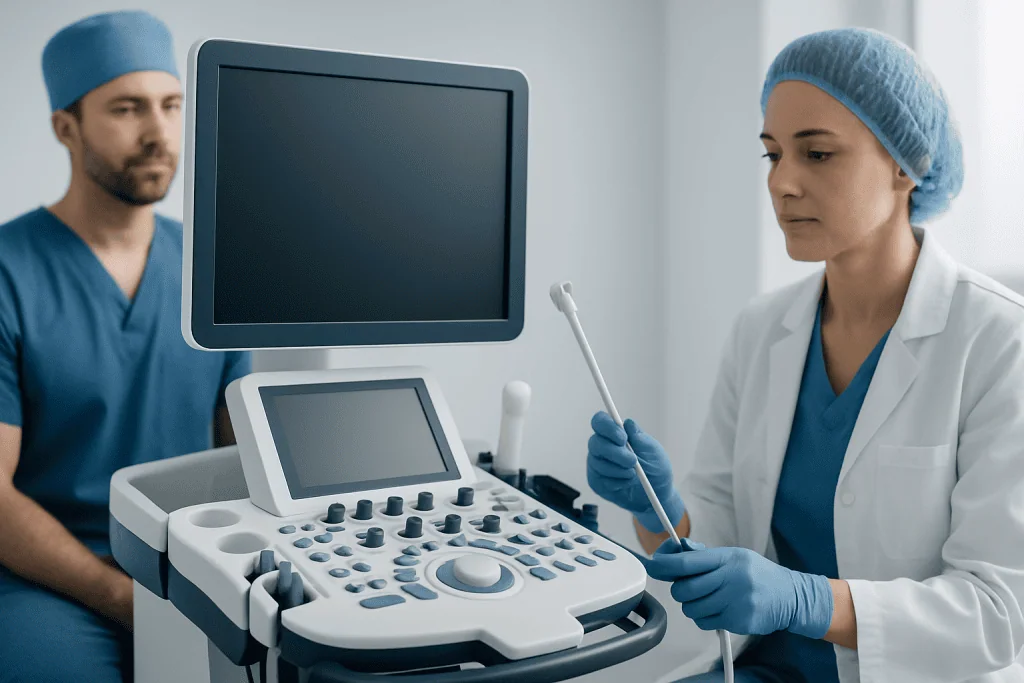
The timing of egg retrieval is based on follicle size, hormone levels, and the patient’s individual response to ovarian stimulation. Follicles are small fluid-filled sacs in the ovaries, and each mature follicle may contain an egg. During stimulation, the fertility team monitors follicle growth and adjusts medications when needed to support a safe and effective response.
When the follicles appear ready, the patient is instructed to take a trigger injection. This injection helps the eggs complete their final stage of maturation. Egg retrieval is then scheduled at a precise time, commonly around 34 to 36 hours after the trigger shot. This timing is important because the eggs should be mature, but ovulation should not yet have occurred.
Patients should follow the trigger instructions exactly, including the time of the injection. If a dose is taken late, early, missed, or there is uncertainty about whether the injection was given correctly, the clinic should be contacted immediately for guidance. The retrieval appointment time, fasting instructions, and arrival details are usually confirmed in advance by the fertility team.
What Happens on the Day of Egg Retrieval

On the day of egg retrieval, the patient usually arrives at the clinic or hospital before the scheduled procedure time. The team may review medical history, allergies, current medications, and consent forms. Because sedation or anesthesia is often used, patients are commonly asked not to eat or drink for a set period beforehand and to arrange for a responsible adult to accompany them home.
The procedure is most often performed using transvaginal ultrasound guidance. A thin needle is passed through the vaginal wall into the ovarian follicles, and the fluid from each follicle is gently aspirated. The embryology laboratory then examines the fluid to identify the eggs. The patient does not need to see or feel this process, and the clinical team monitors comfort and safety throughout.
The retrieval itself is usually brief, often taking about 10 to 30 minutes depending on the number and position of follicles. Afterward, the patient rests in a recovery area while the effects of sedation wear off. Before discharge, the team provides instructions about activity, medications, warning symptoms, and the next steps in fertilization and embryo development.
Sedation, Anesthesia, and Pain Control
Most egg retrieval procedures are performed with sedation or short-acting anesthesia to keep the patient comfortable. The exact approach may vary by clinic, patient health, and local practice. Some patients receive intravenous sedation and sleep lightly through the procedure, while others may receive deeper anesthesia under the care of an anesthesia professional.
Patients usually feel little to no pain during egg retrieval because of the sedation and pain control used. After the procedure, mild pelvic cramping, pressure, or bloating can occur. These symptoms are often similar to menstrual cramps and can usually be managed with rest, fluids, and pain relief recommended by the doctor. Patients should avoid taking any medication that has not been approved by the fertility team, especially around the time of retrieval and possible embryo transfer.
Before sedation, patients should tell the team about any allergies, previous reactions to anesthesia, sleep apnea, heart or lung conditions, and all prescription, over-the-counter, or herbal medicines. Because judgment and coordination may be affected after sedation, patients should not drive, drink alcohol, sign important documents, or operate machinery for the period advised by their clinic, often the rest of the day.
Fertilization and What Happens After the Eggs Are Collected
Once the eggs are collected, embryologists assess them in the laboratory. Mature eggs may be fertilized with sperm using conventional IVF methods or a technique called intracytoplasmic sperm injection, depending on the medical plan and sperm factors. In ICSI, a single sperm is injected directly into a mature egg to support fertilization when this method is clinically appropriate.
The next day, the clinic may inform the patient how many eggs fertilized normally. Embryos are then observed as they develop over the following days. Depending on the case, an embryo transfer may be planned in the same cycle, or embryos may be frozen for transfer later. A freeze-all approach may be considered for medical reasons, such as a high risk of ovarian hyperstimulation syndrome, elevated hormone levels, or the need for genetic testing.
It is important to remember that the number of follicles seen on ultrasound, the number of eggs retrieved, the number of mature eggs, and the number of embryos can all differ. This is a normal part of IVF biology. The fertility team can explain the results in the context of age, ovarian reserve, sperm quality, previous treatment history, and the overall treatment plan for female infertility or combined fertility factors.
Recovery: What Is Normal and How to Care for Yourself
Recovery after egg retrieval is usually straightforward. Many patients feel sleepy for several hours because of sedation, and mild cramping, bloating, or light vaginal spotting may occur. These symptoms often improve over one to several days. Rest on the day of the procedure is generally recommended, and many patients return to gentle daily activities the next day if they feel well.
Self-care instructions may include drinking fluids, eating light meals at first, avoiding strenuous exercise, and using only doctor-approved pain relief. Patients are often advised to avoid intercourse, swimming, hot tubs, and vigorous activity for a short period because the ovaries may still be enlarged and tender. If an embryo transfer is planned soon, the clinic will give specific instructions about medications such as progesterone support.
Constipation and bloating may occur due to hormone treatment, reduced activity, or anesthesia. Gentle walking, fluids, and fiber-rich foods can help, unless the doctor has advised otherwise. Patients at higher risk of ovarian hyperstimulation syndrome, including some people with polycystic ovary syndrome, may receive more detailed monitoring and individualized instructions after retrieval.
Possible Side Effects and Safety Considerations
Most side effects after egg retrieval are mild and temporary. Common symptoms include pelvic soreness, abdominal bloating, light spotting, fatigue, and mild nausea after sedation. These usually settle with time and supportive care. The care team should explain which symptoms are expected and which symptoms require medical advice.
Less common risks include bleeding, infection, injury to nearby structures, reaction to sedation, or ovarian hyperstimulation syndrome. Ovarian hyperstimulation syndrome occurs when the ovaries respond strongly to stimulation medicines and fluid shifts in the body may develop. Fertility specialists reduce this risk by monitoring closely, adjusting medication plans, choosing an appropriate trigger, and sometimes freezing embryos rather than transferring immediately.
Patients should contact their clinic urgently if they develop severe or worsening abdominal pain, heavy vaginal bleeding, fever, fainting, shortness of breath, persistent vomiting, reduced urination, rapid weight gain, or increasing abdominal swelling. These symptoms do not mean a serious complication has definitely occurred, but they should be assessed promptly so the right care can be provided.
When to See a Doctor and How to Prepare Questions
Patients should speak with their fertility doctor before egg retrieval if they are unsure about medication timing, fasting instructions, anesthesia risks, or what to do after the procedure. It can be helpful to write down questions in advance, such as when to take the trigger shot, when to arrive, whether to stop any regular medicines, and who to call after hours. Clear communication helps the day run smoothly.
Medical advice is also important after retrieval if symptoms feel stronger than expected or do not improve. Patients should not compare their recovery too closely with others, because follicle number, ovarian response, pain sensitivity, and treatment plans vary. The most reliable guidance is the individualized plan from the fertility team.
For international patients, Acibadem International provides care through multidisciplinary fertility specialists and JCI-accredited hospitals that diagnose and treat infertility and IVF-related needs. Patients considering treatment abroad should ensure they understand the full schedule, travel timing, follow-up plan, and how to contact the clinic after the procedure.
Frequently asked questions
Is egg retrieval in IVF painful?
Most patients have sedation or anesthesia, so they usually feel little to no pain during the procedure. Mild cramping, pelvic pressure, or bloating afterward is common and often improves within a few days. The clinic can recommend safe pain relief based on the individual treatment plan.
Why is egg retrieval done about 36 hours after the trigger shot?
The trigger shot helps the eggs complete final maturation. Retrieval is timed before ovulation, so the eggs can be collected from the follicles rather than released into the pelvis. Following the exact trigger time is important for the best coordination of the cycle.
How long does egg retrieval take?
The procedure itself is usually short, often about 10 to 30 minutes. Patients should expect to spend longer at the clinic because of preparation, sedation, and recovery monitoring. The care team will advise when it is safe to go home.
Can a patient go back to work after egg retrieval?
Many patients rest for the remainder of the day because of sedation and pelvic discomfort. Some return to light work the next day if they feel well, but strenuous activity should be avoided until the clinic confirms it is safe. Driving is not recommended on the day of sedation.
What happens if no eggs are retrieved?
Occasionally, follicles may not contain a retrievable mature egg, or the number of eggs may be lower than expected. The fertility doctor will review the cycle, hormone response, trigger timing, and ovarian reserve factors. Future treatment plans may be adjusted based on this information.
Is bleeding after egg retrieval normal?
Light vaginal spotting can occur after egg retrieval because the needle passes through the vaginal wall. Heavy bleeding, dizziness, worsening pain, or feeling faint should be reported to the clinic promptly. The team can advise whether an examination is needed.
When will the patient know how many embryos developed?
Clinics often provide an update on fertilization the day after retrieval, followed by embryo development updates over the next several days. The timing and detail of updates vary by laboratory policy and treatment plan. The doctor or embryology team will explain what the results mean for transfer or freezing options.
References
- European Society of Human Reproduction and Embryology
- American Society for Reproductive Medicine
- National Institute for Health and Care Excellence
- Royal College of Obstetricians and Gynaecologists
- World Health Organization
This article is for general information only and is not a substitute for professional medical advice. Please consult a qualified doctor about your individual situation.
Hair transplant in Turkey — costs, graft counts & a free assessment
JCI-accredited · board-certified surgeons · reply within 24h
Check your numbers in seconds
BMI, calories, due date, blood pressure and 30+ more clinical calculators — free, instant, doctor-reviewed ranges.

Related Treatments
Related Conditions
More from the Health Library



Related Specialists

Prof. Dr. Bülent Tıraş
Gynecology & Obstetrics
Prof. Dr. Mete Güngör
Gynecology & Obstetrics
Prof. Dr. Faruk Suat Dede
Gynecology & Obstetrics
Prof. Dr. Tansu Küçük
Gynecology & Obstetrics