Eliminate Calluses on Feet: What Patients Need to Know

Calluses are thickened skin caused by repeated pressure or friction, most often on the heels, soles, or toes. The safest way to eliminate calluses on feet is gradual care: soaking, gentle exfoliation, moisturizing, and better-fitting footwear.
Key Takeaways
- Calluses are thickened skin caused by repeated pressure or friction, most often on the heels, soles, or toes.
- The safest way to eliminate calluses on feet is gradual care: soaking, gentle exfoliation, moisturizing, and better-fitting footwear.
- People with diabetes, poor circulation, or reduced sensation in the feet should avoid self-cutting or harsh treatments and seek medical advice.
- A painful or recurring callus may signal an underlying pressure problem, foot shape issue, or gait abnormality.
- Medical evaluation is important if a callus bleeds, becomes red, drains, or is hard to distinguish from a wart or another skin condition.
To eliminate calluses on feet, the main approach is to reduce friction and pressure, soften the thickened skin, and remove it gradually and safely. Most calluses improve with consistent home care, but painful, inflamed, or persistent areas should be assessed by a qualified doctor or podiatry professional.
Overview: How to Eliminate Calluses on Feet Safely
To eliminate calluses on feet, treatment needs to address both the thickened skin and the reason it formed. In many cases, this means reducing pressure from shoes or walking patterns, softening the skin with regular moisturization, and removing dead skin slowly rather than trying to cut it off at home.
Calluses are the skin’s protective response to repeated rubbing or pressure. They are common on weight-bearing areas such as the heel, ball of the foot, and sides or tops of the toes. Unlike an open wound or infection, a callus is usually a dry, thick, firm patch of skin that develops over time.
Although calluses are often harmless, they can become uncomfortable, crack, or affect walking if they grow thick. They can also be confused with corns, warts, or skin changes linked to other conditions. That is why persistent or painful foot thickening deserves a closer look, especially in people with diabetes or circulation problems.
What Foot Calluses Are and Why They Form
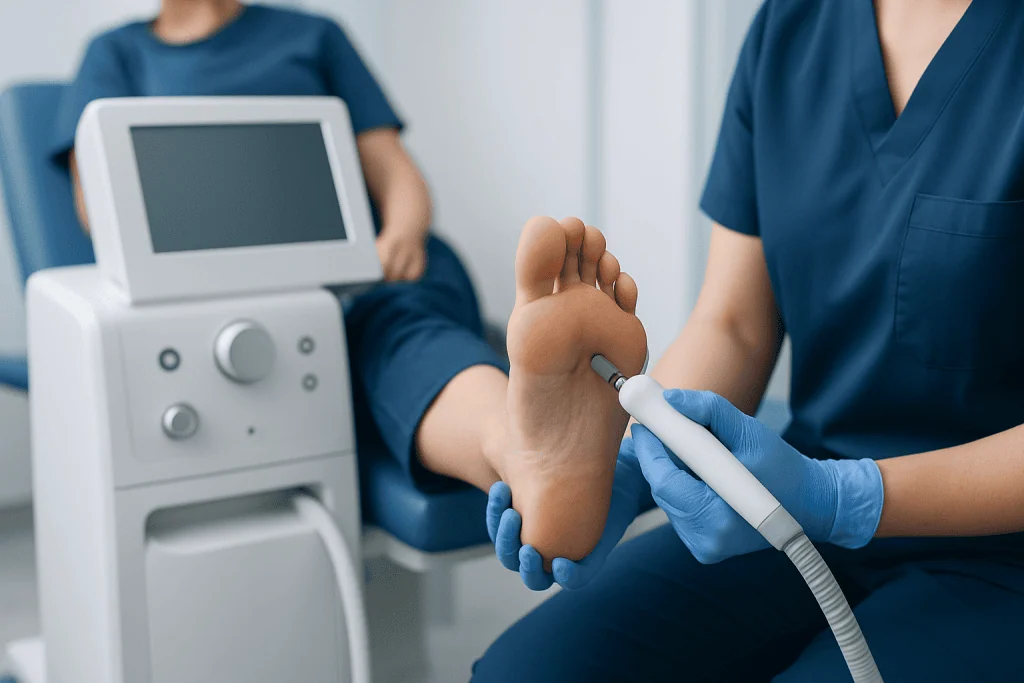
A callus forms when the outer layer of skin thickens in response to repeated mechanical stress. This is the body’s way of protecting deeper tissues from pressure. The process is similar to how hands may develop thicker skin after repeated gripping, but on the feet it is usually linked to standing, walking, exercise, or shoe friction.
Calluses tend to be broader and flatter than corns. They often appear yellowish or gray, may feel rough or waxy, and can have a less sensitive center because the skin is dense. Some people notice only a cosmetic change, while others feel burning, tenderness, or the sense of walking on a pebble.
Not every hard patch of foot skin is a simple callus. A wart may interrupt normal skin lines and sometimes has small dark dots. Fissured heel skin may split and become painful. Thick skin can also develop around structural foot problems such as bunions or hammertoes. If the diagnosis is uncertain, a clinician may recommend assessment by specialists in dermatology care or foot medicine.
Common Symptoms and Signs
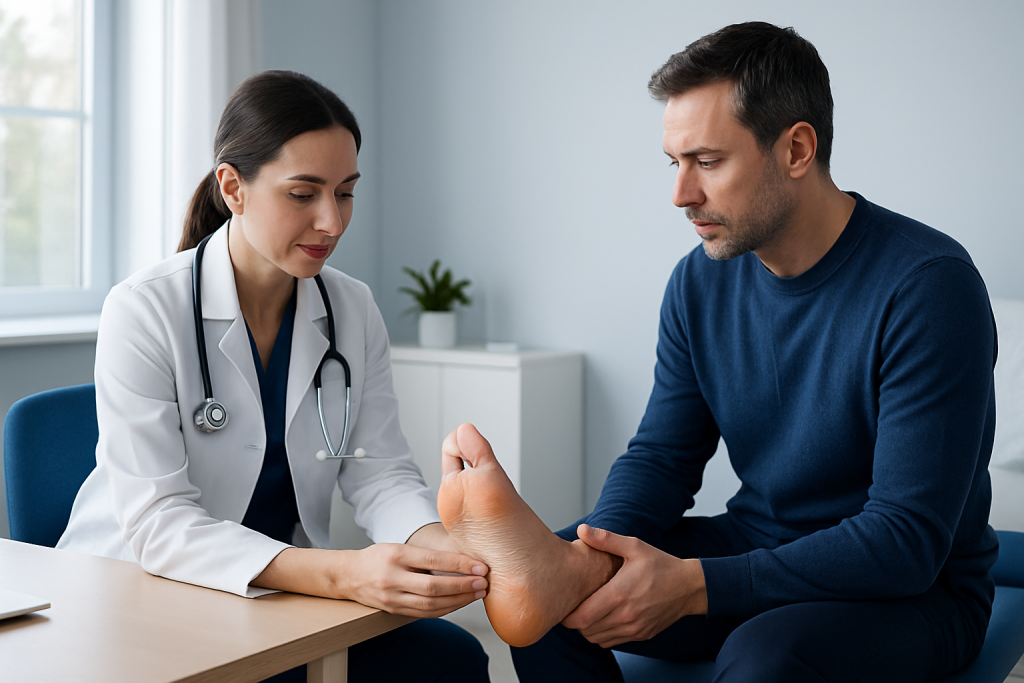
The most typical sign is a thick, hardened area of skin on a pressure point. The skin may look dull, dry, yellow, or slightly discolored compared with surrounding tissue. It often feels rough to the touch and may be less flexible than normal skin.
Symptoms can vary depending on the location and thickness of the callus. Some people have no pain at all, while others experience tenderness when walking, standing, or wearing certain shoes. Cracked calluses on the heel can sting or hurt, especially if the skin splits deeply.
A callus may also coexist with other foot complaints. These can include toe crowding, changes in walking pattern, pressure from a prominent joint, or irritation from athletic activity. When calluses are recurring in the same place, it often suggests that an ongoing mechanical cause has not yet been corrected.
- Dry, thickened, rough skin
- A broad patch on the heel, sole, or toes
- Discomfort with walking or shoe pressure
- Cracking or splitting of the skin
- A recurrent hard spot in the same area
Causes and Risk Factors
The direct cause of a callus is repetitive pressure or friction. Tight shoes, loose shoes that rub, high heels, thin soles, and walking barefoot on hard surfaces are common triggers. Sports and occupations that involve prolonged standing or repetitive impact can also contribute.
Foot structure matters as well. Bony prominences, flat feet, high arches, bunions, hammertoes, and changes in gait can shift body weight unevenly across the foot. In these cases, a callus may be the visible sign of an underlying pressure imbalance rather than a skin problem alone.
Age-related skin dryness, reduced natural padding under the foot, and certain chronic conditions can increase risk. A person with diabetes, peripheral neuropathy, or poor circulation may not feel early irritation, allowing pressure to build unnoticed. In some situations, assessment by orthopedic specialists can help if foot shape or alignment is contributing to recurrent symptoms.
People sometimes search for ways to eliminate calluses on feet quickly, but a very fast approach may damage healthy skin. The more effective long-term strategy is to identify why the callus formed and reduce the pressure that keeps it returning.
Diagnosis and When a Professional Assessment Helps
Diagnosis is often based on a clinical examination. A doctor looks at the appearance, location, and thickness of the skin and asks about footwear, activity, pain, and medical conditions. In many cases, this is enough to confirm that the thickening is a callus rather than another skin lesion.
If the area is painful, unusual, or repeatedly returns, the clinician may examine how the person stands and walks. They may look for bony pressure points, toe deformities, or skin breakdown. Occasionally, further evaluation is useful to rule out a wart, fungal issue, or inflammatory skin condition.
For people with diabetes or poor circulation, foot assessment is especially important because even minor skin damage can become a larger problem. If there is concern about nerve function, blood flow, or an associated wound, doctors may coordinate care across specialties. In selected cases, related conditions such as diabetic foot problems may need focused management rather than simple home treatment alone.
Treatment Options: Home Care and Medical Care
Most patients can improve a simple callus with consistent self-care. Gentle soaking in warm water can soften the area, making it easier to reduce thick skin gradually with a pumice stone or foot file. This should be done carefully and never aggressively. Daily moisturizing helps restore the skin barrier and reduces cracking, especially on the heels.
Pressure relief is a central part of treatment. Shoes should fit well, with enough room in the toe box and enough cushioning under high-pressure areas. Soft socks, protective pads, insoles, or custom orthotics may help redistribute force. If the callus is linked to a structural issue, treatment may also focus on the foot mechanics causing it.
Some over-the-counter products contain keratolytic ingredients that soften thick skin, but they are not suitable for everyone. People with diabetes, poor circulation, fragile skin, or reduced feeling in the feet should not use harsh acids or attempt self-cutting. A clinician can safely trim or debride the callus if needed and advise on wound prevention.
When a callus is severe, persistent, or linked to deformity, more advanced evaluation may be needed. Depending on the cause, this can include pressure-relieving devices, gait assessment, management of skin disease, or treatment of a related condition such as ingrown toenail if nearby nail pressure is contributing to local irritation.
Prevention and Self-Care for Long-Term Relief
Preventing calluses usually depends on reducing repeated friction before the skin thickens again. Footwear is one of the most important factors. Shoes should be supportive, cushioned, and appropriately sized, with minimal rubbing at the heel, ball of the foot, and toes.
Regular foot care can make a meaningful difference. Washing and drying the feet well, moisturizing dry areas, and checking the skin for early thickening can help patients respond before discomfort develops. Those who are active may benefit from changing socks often and choosing materials that reduce moisture and friction.
Simple strategies are often enough to lower recurrence:
- Choose shoes that fit comfortably and do not pinch or slide
- Avoid walking barefoot on hard surfaces for long periods
- Use cushioned insoles or pads if recommended
- Moisturize dry heels and soles regularly
- Gently file thick skin after bathing, without over-scrubbing
- Monitor the feet closely if there is diabetes or reduced sensation
If a callus keeps coming back in the same location, it is reasonable to ask whether the issue is pressure from foot structure rather than skin care alone. Near the end of a treatment plan, some patients may benefit from coordinated review at centers such as Acibadem International, where multidisciplinary specialists in JCI-accredited hospitals assess and treat foot and skin concerns for international patients.
When to Seek Medical Care
Medical care is appropriate when a callus becomes painful, inflamed, cracked deeply, or interferes with walking. A doctor should also assess any area that bleeds, drains, becomes warm, or changes color, since these features can suggest skin breakdown or infection rather than a routine callus.
Patients should avoid home trimming with blades or scissors. This is particularly important for anyone with diabetes, poor circulation, nerve problems, immune suppression, or a history of foot ulcers. In these groups, even a small injury can heal slowly and lead to complications.
Professional evaluation is also useful when the diagnosis is uncertain. A thickened spot may not be a callus at all, and recurrent lesions sometimes reflect gait issues, bone prominence, or another dermatologic problem. Early assessment can make treatment simpler and safer.
Frequently asked questions
What is the safest way to eliminate calluses on feet?
The safest approach is gradual care: soften the skin, gently reduce the thickened layer, moisturize regularly, and remove the pressure causing it. Good footwear and cushioning are just as important as skin care. Cutting a callus at home is not recommended.
Can calluses on feet go away on their own?
They can improve if the friction or pressure that caused them is removed. For example, switching to better-fitting shoes may allow the skin to slowly normalize. However, established calluses often improve faster with consistent moisturization and gentle exfoliation.
Are calluses and corns the same thing?
Not exactly. Calluses are usually broader, flatter areas of thickened skin, while corns tend to be smaller, more focused, and often painful over a bony point. Both are caused by pressure or friction, but their shape and location can differ.
Should a person with diabetes treat a callus at home?
People with diabetes should be cautious with self-treatment. Because reduced sensation and slower healing can increase the risk of injury, it is best to ask a healthcare professional before using acids, files, or other callus-removal products. Medical foot care is often the safer choice.
Why do calluses keep coming back?
Recurring calluses usually mean the underlying pressure has not changed. Shoes, walking mechanics, foot shape, or repetitive activity may continue to stress the same area. Long-term relief usually requires correcting that cause, not only removing the thickened skin.
When should a callus be checked by a doctor?
A doctor should assess a callus if it is painful, red, swollen, cracked deeply, bleeding, or difficult to identify. Medical review is also important if the person has diabetes, poor circulation, numbness, or repeated recurrence in the same spot. These situations may need more than routine home care.
This article is for general information only and is not a substitute for professional medical advice. Please consult a qualified doctor about your individual situation.
Explore treatments in Turkey — costs, top hospitals & a free quote
JCI-accredited · board-certified surgeons · reply within 24h
Add us as a Preferred Source to see more of our trusted health content across Google Search, AI Overviews and Discover.

More from the Health Library

Vulva: What Patients Need to Know

Hair Loss Cure for Man: Procedure, Recovery and Results
Black Toenail: What Patients Need to Know

Stemi: A Complete Medical Overview

Low Body Temperature — Explained by Medical Evidence, Not Myths