Emphysema: A Complete Medical Overview
Emphysema is a form of chronic obstructive pulmonary disease (COPD) that damages the lungs' air sacs. Shortness of breath, chronic cough, wheezing, and reduced exercise tolerance are common symptoms.
Key Takeaways
- Emphysema is a form of chronic obstructive pulmonary disease (COPD) that damages the lungs' air sacs.
- Shortness of breath, chronic cough, wheezing, and reduced exercise tolerance are common symptoms.
- Smoking is the leading cause, but air pollution, chemical exposure, and rare genetic factors can also contribute.
- Diagnosis usually involves a medical history, physical examination, breathing tests, and chest imaging.
- Treatment focuses on symptom control, slowing progression, improving quality of life, and preventing complications.
- Stopping smoking is the most important step for prevention and long-term self-care.
Emphysema is a long-term lung disease in which the air sacs in the lungs become damaged, reducing airflow and making breathing more difficult. It is most commonly linked to smoking, but early diagnosis, avoiding irritants, and proper treatment can help many people manage symptoms and stay active.
Overview: what emphysema is and how it affects breathing
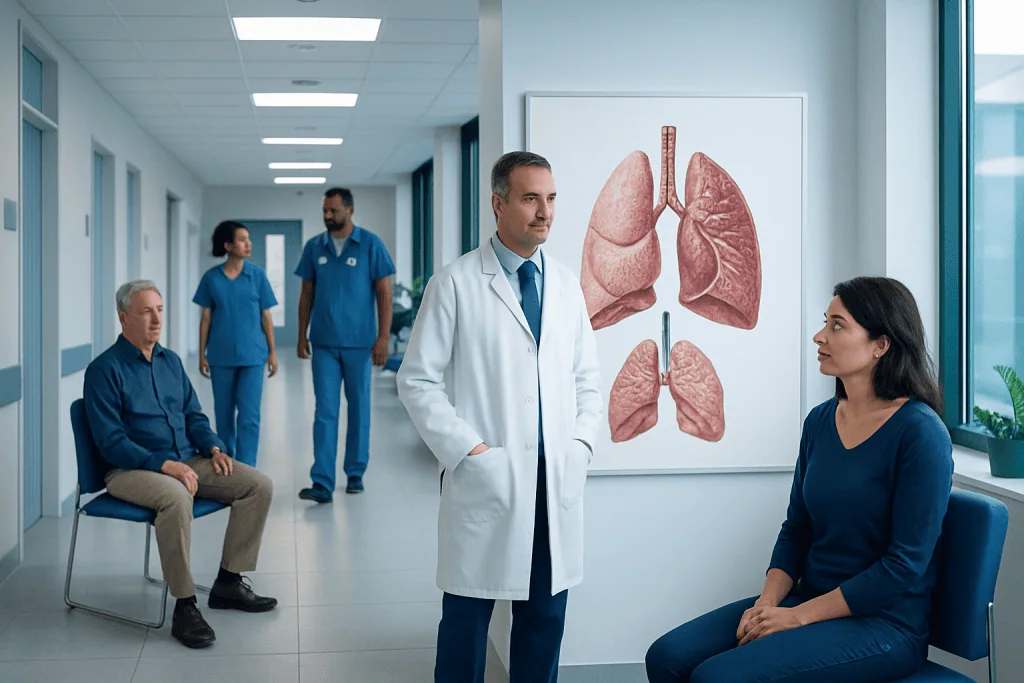
Emphysema is a chronic lung condition that damages the tiny air sacs in the lungs, called alveoli. These air sacs normally stretch and recoil with each breath, helping oxygen move into the blood and carbon dioxide move out. In emphysema, the walls of these air sacs are gradually destroyed, which reduces the surface area available for gas exchange and makes it harder to breathe efficiently.
As the lungs lose elasticity, air can become trapped inside them. This means a person may be able to breathe in, but has more difficulty breathing out fully. Over time, this can lead to a feeling of breathlessness, especially during walking, climbing stairs, or other physical activity. In more advanced disease, even simple daily tasks may become tiring.
Emphysema is usually considered part of chronic obstructive pulmonary disease (COPD). Some people have mainly emphysema, while others have a combination of emphysema and chronic bronchitis. Although the lung damage cannot usually be reversed, treatment can reduce symptoms, improve comfort, and help protect remaining lung function.
How emphysema develops over time
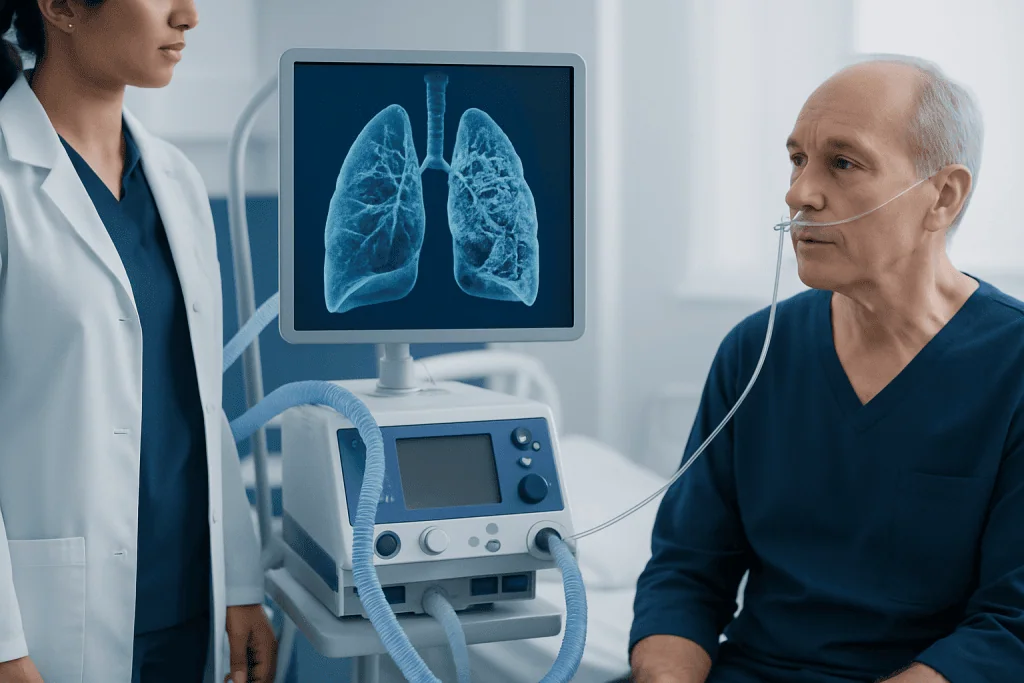
Emphysema typically develops slowly over many years. Long-term irritation in the airways and lungs causes ongoing inflammation. This inflammation can weaken and break down the walls between the alveoli, turning many small air sacs into fewer, larger spaces. Larger air spaces are less efficient at exchanging oxygen and can leave stale air trapped in the lungs.
The condition often begins before a person notices clear symptoms. In the early stages, the body may compensate well enough that breathlessness appears only with heavier exertion. As lung damage progresses, symptoms become more noticeable and may interfere with work, exercise, sleep, and everyday activities.
Because it progresses gradually, some people assume they are simply becoming less fit or getting older. Recognizing persistent respiratory symptoms early is important. Timely evaluation can identify emphysema or related lung disease sooner, allowing earlier treatment and support.
Symptoms and possible complications
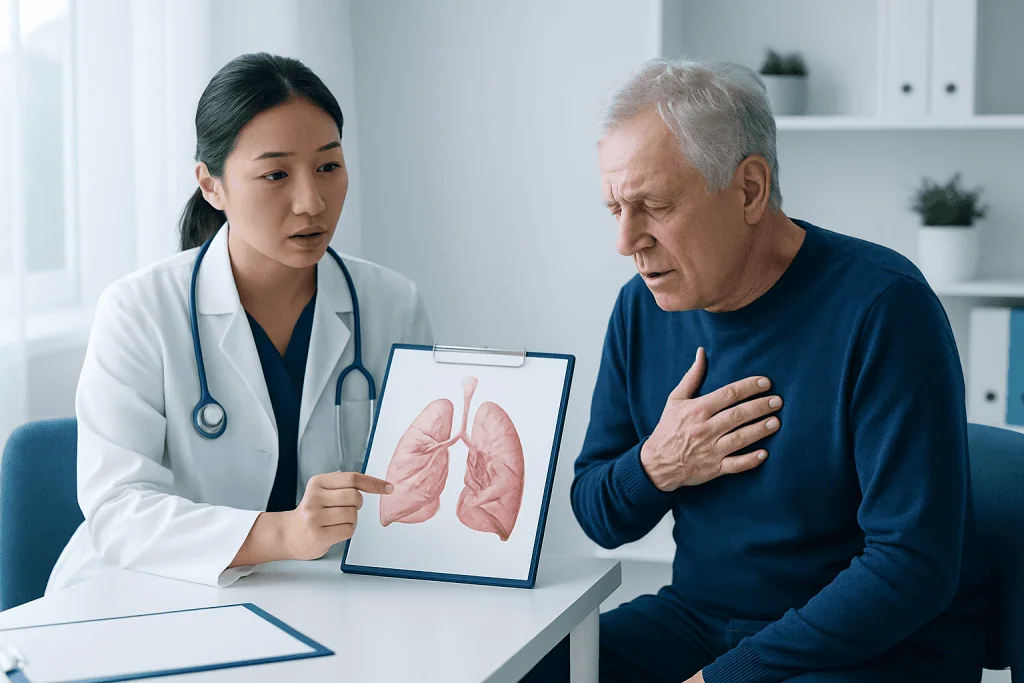
The most common symptom of emphysema is shortness of breath, especially during activity. At first, a person may notice needing to pause while walking uphill or climbing stairs. Later, breathlessness may occur during routine tasks such as dressing or light housework. A long-term cough, wheezing, chest tightness, and fatigue can also occur.
Some people produce only small amounts of mucus, while others have more frequent phlegm if chronic bronchitis is also present. Weight loss, reduced stamina, and frequent chest infections may develop over time. In advanced cases, a person may breathe through pursed lips or use extra muscles in the neck and chest to help with breathing.
Possible complications include flare-ups of breathing symptoms, low oxygen levels, pneumonia, and strain on the heart and lungs. Emphysema can also increase the risk of a collapsed lung in some people because damaged lung tissue can form fragile air pockets. Prompt treatment of infections and regular follow-up can help lower the risk of these problems.
- Shortness of breath that gradually worsens
- Chronic cough or wheezing
- Reduced exercise tolerance
- Frequent respiratory infections
- Fatigue or unintentional weight loss
Causes and risk factors
Smoking is the leading cause of emphysema. Tobacco smoke contains chemicals that irritate and inflame the lungs, damaging the alveoli over time. The risk generally increases with the number of years a person has smoked, but there is no completely safe level of smoking. Exposure to secondhand smoke may also contribute.
Other risk factors include long-term exposure to air pollution, dust, chemical fumes, and occupational irritants. People who work in certain industrial, agricultural, or manufacturing settings may be at higher risk if they inhale airborne particles regularly without adequate protection. Indoor smoke from biomass fuels may also be relevant in some settings.
A less common cause is alpha-1 antitrypsin deficiency, an inherited condition that can lead to emphysema at a younger age, even in people who have never smoked. A doctor may consider testing for this when emphysema appears early, runs in families, or seems more severe than expected. People with emphysema may also have overlapping airway conditions such as asthma, which can affect symptoms and treatment planning.
How doctors diagnose emphysema
Diagnosis starts with a detailed medical history and physical examination. A doctor will ask about symptoms, smoking history, work or environmental exposures, exercise tolerance, and any family history of lung disease. Listening to the chest and checking oxygen levels can provide helpful clues, but emphysema cannot be diagnosed by symptoms alone.
Breathing tests, also called pulmonary function tests or spirometry, are central to diagnosis. These tests measure how much air a person can breathe in and out, and how quickly. They help identify airflow limitation and assess how severe it is. Additional lung function testing may show air trapping and reduced gas exchange.
Chest imaging can also support diagnosis. A chest X-ray may suggest overinflated lungs, while CT scanning can show emphysema-related changes in more detail. In some cases, blood tests, oxygen measurements, exercise testing, or alpha-1 antitrypsin testing are recommended. A comprehensive evaluation helps distinguish emphysema from other causes of breathlessness and guides the most appropriate care plan.
Treatment options and long-term management
Treatment for emphysema aims to ease breathing, reduce flare-ups, maintain activity, and improve quality of life. The most important step is stopping smoking, because continuing exposure can accelerate further lung damage. Medications may include inhalers that open the airways, reduce inflammation, or both. These treatments do not cure emphysema, but they can help many people breathe more comfortably and stay more active.
Pulmonary rehabilitation is often an important part of care. This structured program combines supervised exercise, breathing techniques, education, and support for daily symptom management. Oxygen therapy may be recommended if blood oxygen levels are low. Some people also benefit from vaccinations, prompt treatment of respiratory infections, and personalized action plans for symptom flare-ups.
In selected cases, specialists may consider advanced options such as lung volume reduction procedures or surgery, and rarely lung transplantation. Imaging and specialist assessment help determine whether these approaches may be appropriate. Depending on symptoms and findings, doctors may also use tests such as bronchoscopy to investigate related airway problems, or request pulmonary function tests to monitor disease over time. Near the end of the care journey, some patients may benefit from coordinated support from respiratory medicine, rehabilitation, nutrition, and cardiology teams.
For international patients who need evaluation or treatment, Acibadem International offers multidisciplinary respiratory care in JCI-accredited hospitals, with specialists experienced in diagnosing and managing chronic lung diseases.
Prevention and self-care
Prevention focuses mainly on reducing exposure to lung irritants. Not smoking is the most effective way to prevent emphysema, and quitting smoking is the most effective way to slow progression after diagnosis. Support can include counseling, behavioral strategies, and doctor-guided smoking cessation treatments. Avoiding secondhand smoke and workplace inhaled irritants is also important.
Daily self-care can make a meaningful difference. Regular physical activity, within a doctor’s guidance, helps improve endurance and reduce deconditioning. Breathing techniques such as pursed-lip breathing may help during episodes of breathlessness. Eating balanced meals, staying hydrated, and maintaining a healthy weight can support overall lung function and energy levels.
People with emphysema are often advised to stay up to date with recommended vaccines, especially those that help reduce the risk of respiratory infections. Good hand hygiene and avoiding close contact with people who are unwell can also help. Regular follow-up allows treatment to be adjusted if symptoms change or flare-ups become more frequent.
When to seek medical care
A person should arrange a medical evaluation if they have ongoing shortness of breath, a chronic cough, wheezing, or declining exercise tolerance, especially if they smoke or have a history of exposure to dust, fumes, or pollution. Even mild symptoms can be worth discussing if they persist or gradually worsen. Early assessment may identify emphysema before it causes more significant limitation.
More urgent medical attention is needed if breathing becomes suddenly worse, lips or fingertips look bluish, chest pain develops, confusion appears, or a person cannot speak comfortably because of breathlessness. Fever, increased mucus, or a change in mucus color may suggest an infection or flare-up that needs prompt care.
People already diagnosed with emphysema should seek review if they are using rescue medication more often, becoming less active because of breathing difficulty, or waking at night with symptoms. A qualified doctor can determine whether medicines, rehabilitation, oxygen assessment, or further testing are needed.
Frequently asked questions
Is emphysema the same as COPD?
Emphysema is one form of COPD, but the terms are not completely identical. COPD is a broader condition that often includes emphysema, chronic bronchitis, or both.
Can emphysema be cured?
The lung damage from emphysema is usually not reversible, so it is generally considered a chronic condition rather than a curable one. However, treatment can reduce symptoms, improve daily function, and help slow further decline.
What causes emphysema in non-smokers?
Although smoking is the main cause, non-smokers can develop emphysema from long-term exposure to air pollution, occupational dust or chemicals, and indoor smoke. A rare inherited condition called alpha-1 antitrypsin deficiency can also cause emphysema.
How is emphysema diagnosed?
Doctors diagnose emphysema using a combination of medical history, physical examination, breathing tests, and imaging. Spirometry and other pulmonary function tests are especially important because they show how well the lungs are working.
Does quitting smoking still help after emphysema is diagnosed?
Yes. Quitting smoking remains the single most important step after diagnosis because it can help slow additional lung damage and improve the benefits of treatment. It may also reduce flare-ups and improve overall health.
What is the difference between emphysema and asthma?
Emphysema usually involves permanent damage to the lung's air sacs, while asthma mainly causes airway inflammation and narrowing that can often improve with treatment. Some people may have features of both conditions, which can affect symptoms and management.
References
- World Health Organization
- National Heart, Lung, and Blood Institute
- Global Initiative for Chronic Obstructive Lung Disease
- American Lung Association
- Centers for Disease Control and Prevention
This article is for general information only and is not a substitute for professional medical advice. Please consult a qualified doctor about your individual situation.
Emphysema in Turkey — costs, top hospitals & a free quote
JCI-accredited · board-certified surgeons · reply within 24h
Add us as a Preferred Source to see more of our trusted health content across Google Search, AI Overviews and Discover.