

Enamel Erosion: Acid Wear, Prevention, and Treatment

Enamel erosion is caused by acid exposure and is different from tooth decay, although both can weaken teeth. Common signs include sensitivity, yellowing, smooth shiny surfaces, translucent edges, and small dents or cupping on biting surfaces.
Key Takeaways
- Enamel erosion is caused by acid exposure and is different from tooth decay, although both can weaken teeth.
- Common signs include sensitivity, yellowing, smooth shiny surfaces, translucent edges, and small dents or cupping on biting surfaces.
- Lost enamel cannot grow back, but dentists can help strengthen remaining enamel and restore damaged areas when needed.
- Prevention focuses on reducing acid contact, protecting saliva flow, using fluoride, and avoiding brushing immediately after acidic foods or drinks.
- Persistent sensitivity, visible enamel loss, reflux symptoms, or frequent vomiting should be discussed with a dentist or doctor.
Enamel erosion is the gradual loss of the tooth’s hard outer surface due to acids from diet, reflux, vomiting, dry mouth, or other factors. Early recognition and practical daily habits can help slow acid wear, reduce sensitivity, and protect long-term dental health.
Overview
Enamel erosion is a form of tooth wear caused by repeated exposure to acids. Enamel is the hard, mineral-rich outer layer that protects the teeth during chewing and shields the more sensitive dentin underneath. Although enamel is very strong, it can gradually dissolve when acids soften its mineral structure over time.
Acid wear is not the same as a cavity. Tooth decay is mainly caused by bacteria that produce acids from sugars, while enamel erosion may come from acidic drinks, citrus foods, gastric reflux, vomiting, dry mouth, or certain habits and medical conditions. In many people, erosion and decay risks can overlap, so a dental assessment is important.
Once enamel is lost, the body cannot replace it in the way it can heal skin or bone. However, early enamel softening can often be stabilized, and remaining enamel can be supported with fluoride, improved oral care, and changes that reduce acid exposure. When erosion has affected tooth shape, comfort, or appearance, restorative dental treatments may help protect the teeth and improve function.
Symptoms and Signs of Acid Wear
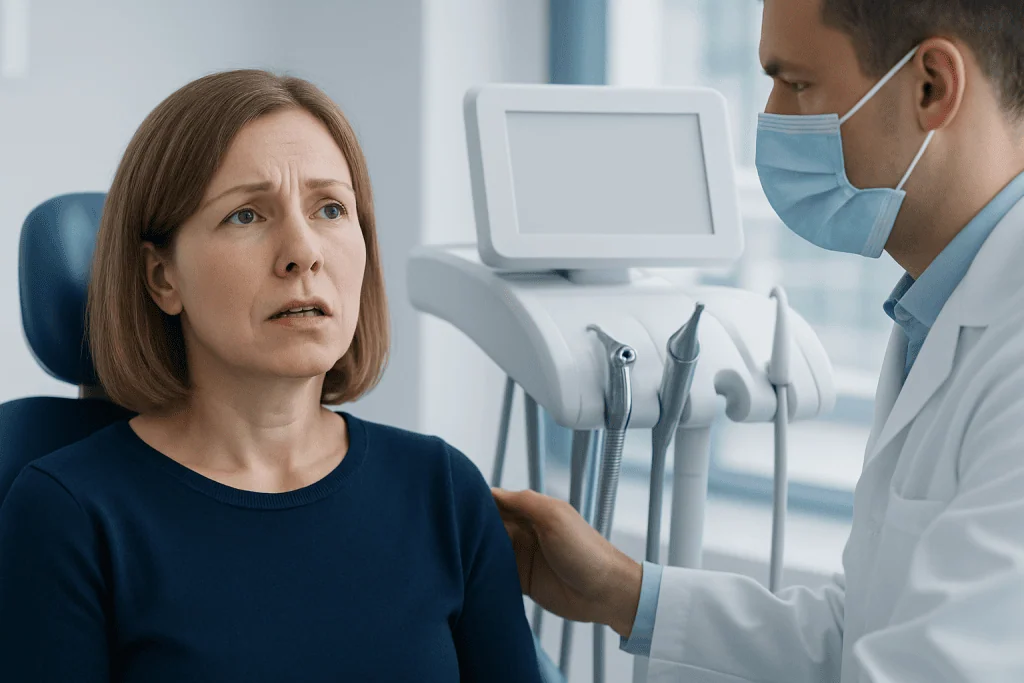
Enamel erosion often develops slowly, and the first signs may be subtle. A person may notice teeth becoming sensitive to cold drinks, hot foods, sweets, or brushing. This happens because enamel thinning exposes dentin, which contains tiny channels connected to the tooth nerve.
Visual changes can also occur. Teeth may look slightly more yellow because dentin naturally has a darker color than enamel. The biting edges of front teeth may appear translucent or glassy, while the surfaces of back teeth may look smooth, shiny, or flattened. Small rounded dents, sometimes called cupping, can develop on the chewing surfaces.
Other possible signs include chipped edges, roughness at the tooth margins, fillings that seem to stand higher than the surrounding tooth, or increased tooth wear over a short period. Not every case causes pain, so regular dental check-ups are useful for detecting erosion before symptoms become more noticeable.
Causes and Risk Factors
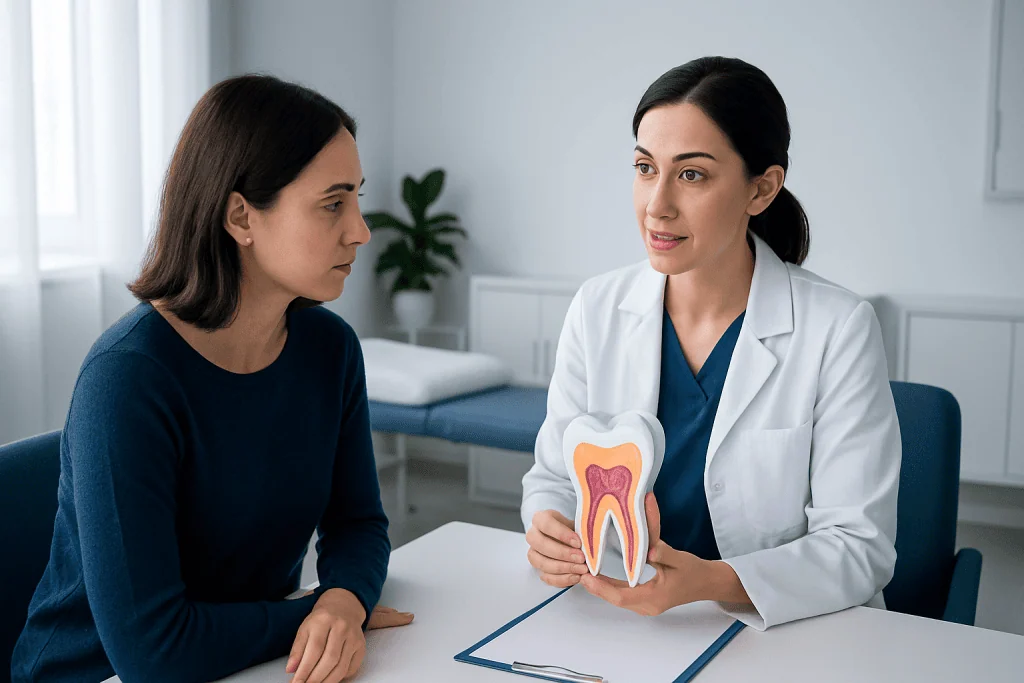
Enamel erosion is caused by acids that are strong or frequent enough to dissolve minerals from enamel. Acid exposure can be extrinsic, meaning it comes from outside the body, or intrinsic, meaning it comes from stomach acid. The overall risk depends on how often the teeth are exposed, how long acids remain in the mouth, and how well saliva can neutralize them.
Common external sources include soft drinks, energy drinks, sports drinks, fruit juices, wine, vinegar-based foods, pickles, citrus fruits, and frequent snacking on acidic foods. It is not only the amount that matters; sipping an acidic drink over a long time can be more harmful than drinking it with a meal because the teeth remain under acid attack for longer.
Internal acid sources include gastroesophageal reflux disease, recurrent vomiting, pregnancy-related nausea, and eating disorders such as bulimia nervosa. These situations require sensitive, nonjudgmental medical and dental care because treating the underlying cause is essential for protecting both oral and general health.
Dry mouth is another important risk factor because saliva helps dilute acids and repair early mineral loss. Dry mouth may be related to dehydration, mouth breathing, some medications, Sjögren’s syndrome, cancer treatments, or sleep disorders. Tooth grinding, hard brushing, and abrasive toothpastes do not cause chemical erosion by themselves, but they can worsen damage when enamel has already been softened by acid.
Diagnosis
A dentist diagnoses enamel erosion by examining the teeth, asking about symptoms, and reviewing dietary, oral hygiene, and medical history. Questions may include how often the person drinks acidic beverages, whether they experience reflux or vomiting, when they brush, and whether they have dry mouth or use medications that reduce saliva.
The dental examination looks for patterns of wear. For example, erosion from acidic drinks may affect the outer surfaces and biting edges, while stomach acid may more often damage the inner surfaces of upper front teeth. The dentist may also check for tooth decay, gum recession, grinding marks, and signs of abrasion from brushing.
Dental photographs, digital scans, or study models may be used to monitor progression over time. X-rays can help assess cavities, restorations, and tooth structure, although early surface erosion is often detected visually and by touch rather than by X-ray. If reflux, frequent vomiting, or a saliva disorder is suspected, the dentist may recommend medical evaluation in addition to dental care.
Treatment Options
Treatment depends on the severity of enamel erosion, symptoms, and the cause. The first goal is to reduce ongoing acid exposure and protect remaining tooth structure. Without addressing the source of acid, restorations may wear or fail more quickly, and sensitivity can continue.
For early erosion, a dentist may recommend fluoride varnish, prescription-strength fluoride toothpaste when appropriate, desensitizing products, or remineralizing agents. These measures do not regrow lost enamel, but they can make remaining enamel more resistant and reduce sensitivity. Gentle oral hygiene with a soft toothbrush and nonabrasive fluoride toothpaste is usually advised.
When enamel loss has changed tooth shape, caused persistent sensitivity, or affected appearance, restorative treatments may be considered. Options can include composite bonding, sealants or protective coatings, ceramic veneers, onlays, or crowns, depending on how much tooth structure remains and how the teeth bite together. A night guard may help if grinding is also present, but it does not stop chemical erosion from acid.
If stomach acid is involved, treatment may include care from a physician or gastroenterologist for reflux or other digestive conditions. If vomiting or an eating disorder is present, coordinated care with medical, dental, and mental health professionals is important. A supportive approach helps protect teeth while also addressing the person’s overall well-being.
Prevention and Self-Care
Prevention focuses on reducing the frequency and duration of acid contact with teeth. Acidic foods and drinks do not always need to be completely avoided, but they are safer when consumed with meals rather than sipped or nibbled throughout the day. Drinking water afterward can help rinse acids from the mouth.
Helpful habits include using a straw for acidic drinks when appropriate, avoiding swishing acidic beverages, choosing water as the main everyday drink, and limiting frequent snacking on citrus or vinegar-based foods. Sugar-free chewing gum may support saliva flow for some people. People with dry mouth should discuss management with a dentist or doctor, especially if medication or a medical condition is involved.
Brushing technique matters. After acidic foods, drinks, reflux, or vomiting, it is best to rinse with water and wait about 30 to 60 minutes before brushing, because enamel is temporarily softened. Brushing immediately can remove more softened surface mineral. Twice-daily brushing with fluoride toothpaste, gentle pressure, and a soft-bristled toothbrush helps protect enamel and gums.
- Have regular dental check-ups to monitor wear patterns.
- Use fluoride products as recommended by a dental professional.
- Manage reflux, dry mouth, or vomiting with appropriate medical care.
- Avoid highly abrasive whitening or charcoal products unless advised by a dentist.
When to See a Dentist or Doctor
A dental appointment is recommended if teeth become sensitive, edges look translucent, teeth appear increasingly yellow, or there are visible dents, chips, or changes in the bite. Early assessment is helpful because small changes in daily habits can slow progression before more complex treatment is needed.
Medical evaluation is also important when erosion may be linked to frequent heartburn, sour taste, regurgitation, chronic nausea, vomiting, or unexplained dry mouth. These symptoms may indicate conditions that affect more than oral health, and treating the underlying cause can reduce repeated acid exposure to the teeth.
Anyone who is vomiting regularly, struggling with disordered eating, or avoiding dental care because of embarrassment should know that healthcare professionals are trained to help without judgment. Dentists can provide protective care for the teeth while coordinating with appropriate medical and mental health support.
Acibadem International’s multidisciplinary specialists and JCI-accredited hospitals diagnose and treat dental erosion and related medical causes for international patients, with care plans tailored to individual needs. Patients should always seek advice from a qualified dentist or physician for diagnosis and personal treatment recommendations.
Frequently asked questions
Can enamel erosion be reversed?
Enamel that has been physically lost cannot grow back. However, early mineral loss can often be stabilized, and remaining enamel can be strengthened with fluoride and reduced acid exposure. A dentist can recommend treatment based on how advanced the erosion is.
How is enamel erosion different from a cavity?
Enamel erosion is chemical wear caused by acids that dissolve the tooth surface, often from diet or stomach acid. A cavity is tooth decay caused by bacteria producing acids from sugars. Both can weaken enamel and may occur together, so a dental examination is important.
Should someone brush right after drinking something acidic?
It is usually better to rinse with water and wait about 30 to 60 minutes before brushing. Acid temporarily softens enamel, and brushing immediately may increase surface wear. Fluoride toothpaste used twice daily supports enamel protection.
Do whitening toothpastes make enamel erosion worse?
Some whitening toothpastes can be more abrasive than standard fluoride toothpaste. They may not be suitable for people with sensitivity or existing enamel wear. A dentist can recommend a gentle, nonabrasive option that fits the person’s needs.
Can acid reflux damage teeth?
Yes, stomach acid from reflux can reach the mouth and contribute to enamel erosion, especially when symptoms are frequent or occur at night. Dental care can protect the teeth, but medical management of reflux is also important. People with regular heartburn or regurgitation should discuss symptoms with a doctor.
What treatments help sensitive teeth from enamel erosion?
Treatment may include fluoride varnish, desensitizing toothpaste, protective coatings, bonding, or other restorations depending on the amount of enamel loss. Reducing acid exposure is essential to prevent symptoms from returning. Persistent sensitivity should be assessed because it may also be caused by cavities, cracks, or gum recession.
References
- American Dental Association
- National Institute of Dental and Craniofacial Research
- FDI World Dental Federation
- European Federation of Periodontology
- Mayo Clinic
This article is for general information only and is not a substitute for professional medical advice. Please consult a qualified doctor about your individual situation.
Persistent digestive symptoms? Get evaluated in Turkey
JCI-accredited · board-certified surgeons · reply within 24h
Add us as a Preferred Source to see more of our trusted health content across Google Search, AI Overviews and Discover.

Dental & Oral Health
Full-scope dental care from implants and aesthetics to oral and maxillofacial surgery.
158 specialists in this unitRelated Treatments
More from the Health Library



Related Specialists

Assoc. Prof. Dr. Ferit Bayram
Oral & Dental Health
Dt. Alara Naz Kenir
Oral & Dental Health
Dt. Gonca Katmer
Oral & Dental HealthDt. Doğa Baysal
Oral & Dental Health