Endocrine System Organs and Glands: What They Do

The endocrine system uses hormones to send messages through the bloodstream to different tissues and organs. Major endocrine glands include the pituitary, thyroid, parathyroids, adrenal glands, pancreas, ovaries, testes, and pineal gland.
Key Takeaways
- The endocrine system uses hormones to send messages through the bloodstream to different tissues and organs.
- Major endocrine glands include the pituitary, thyroid, parathyroids, adrenal glands, pancreas, ovaries, testes, and pineal gland.
- Hormone balance is controlled by feedback loops that help keep body functions stable.
- Endocrine disorders can affect energy, weight, growth, fertility, mood, and blood sugar.
- Many hormone conditions can be diagnosed with blood tests, imaging, and specialist evaluation.
- Early medical advice is helpful when symptoms are persistent, unexplained, or affecting daily life.
The endocrine system is a network of glands and organs that make hormones, the chemical messengers that help the body work in balance. These hormones influence metabolism, growth, mood, sleep, reproduction, blood sugar, and many other everyday functions.
Overview of the endocrine system
The endocrine system is the body’s hormone communication network. It includes several glands and hormone-producing organs that release chemical messengers into the bloodstream. These hormones then travel to target tissues, where they help regulate how the body grows, uses energy, responds to stress, maintains temperature, and supports reproduction.
Unlike the nervous system, which sends rapid electrical signals, the endocrine system usually works more gradually. Its effects may develop over minutes, hours, or longer, depending on the hormone and the tissue involved. Even so, these signals are essential for daily health and for keeping many body functions in balance.
The endocrine system does not work alone. It closely interacts with the brain, immune system, digestive system, and reproductive organs. When hormone levels are too high, too low, or out of sync, a person may notice symptoms such as tiredness, weight changes, mood shifts, changes in appetite, or problems with sleep and fertility.
What hormones do in the body
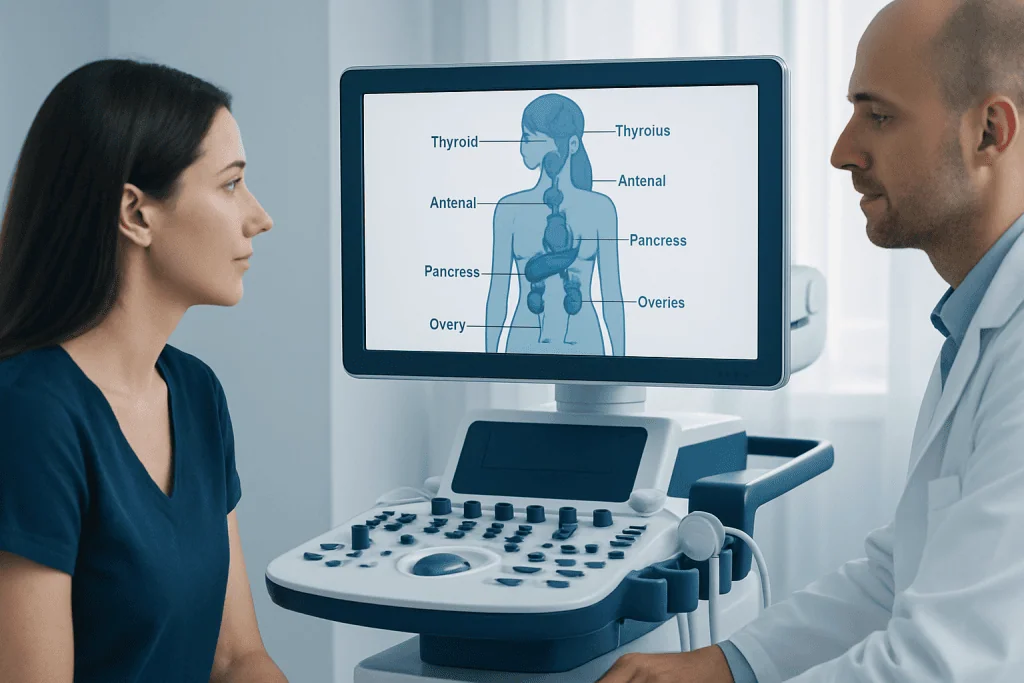
Hormones act as chemical messengers that tell cells what to do and when to do it. Different hormones have different roles. Some help control metabolism, which is how the body turns food into energy. Others guide growth and development, regulate salt and water balance, affect heart rate and blood pressure, or support sexual development and fertility.
Hormones are also important for blood sugar control, bone health, stress response, and sleep-wake patterns. For example, insulin helps move glucose from the blood into cells, thyroid hormones influence how quickly the body uses energy, and cortisol helps the body respond to physical and emotional stress.
One of the most important features of the endocrine system is balance. Many hormones are regulated by feedback loops, especially between the hypothalamus, pituitary gland, and other endocrine glands. In a healthy system, the body senses when hormone levels are too high or too low and adjusts production to keep levels within a useful range.
Main endocrine organs and glands

Several parts of the body are considered endocrine organs because they make and release hormones. The hypothalamus, located in the brain, links the nervous system to the endocrine system and helps control the pituitary gland. The pituitary is often called the “master gland” because it releases hormones that influence many other glands, including those involved in growth, reproduction, and thyroid function.
The thyroid gland, found in the front of the neck, makes hormones that regulate metabolism, body temperature, and energy use. Behind it are the parathyroid glands, which help control calcium and phosphorus levels. The adrenal glands sit on top of the kidneys and produce hormones involved in stress response, blood pressure, salt balance, and metabolism.
The pancreas has both digestive and endocrine roles. Its endocrine cells release insulin and glucagon, which help keep blood sugar in a healthy range. The ovaries in females and testes in males also function as endocrine glands by producing sex hormones that guide puberty, fertility, sexual function, and bone health. The pineal gland in the brain helps regulate sleep by producing melatonin.
- Hypothalamus: coordinates hormone control with the brain
- Pituitary gland: directs many other endocrine glands
- Thyroid gland: regulates metabolism and energy use
- Parathyroid glands: help balance calcium
- Adrenal glands: manage stress hormones and fluid balance
- Pancreas: controls blood sugar through insulin and glucagon
- Ovaries and testes: produce sex hormones
- Pineal gland: supports sleep-wake rhythms
How the endocrine system stays in balance
The body uses finely tuned feedback systems to control hormone production. A common example is the hypothalamic-pituitary axis. The hypothalamus senses what the body needs and signals the pituitary gland. The pituitary then tells other glands, such as the thyroid, adrenal glands, or ovaries and testes, to increase or decrease hormone production.
When enough hormone has been made, the body usually sends a signal to slow production down. This is called negative feedback. It helps prevent hormone levels from becoming too high or too low. If this feedback loop is disrupted by illness, inflammation, tumors, autoimmune disease, medication effects, or genetic conditions, symptoms can appear.
Everyday factors can also influence hormone balance. Sleep, nutrition, physical activity, stress, age, pregnancy, and menopause all affect hormone levels. Small short-term changes are normal, but ongoing symptoms may suggest an endocrine disorder that deserves medical attention.
Common endocrine disorders and symptoms
Endocrine disorders happen when a gland makes too much hormone, too little hormone, or when the body does not respond properly to a hormone. Common examples include diabetes, thyroid disease, adrenal disorders, pituitary disorders, and reproductive hormone conditions. Some are temporary or mild, while others require long-term monitoring and treatment.
Symptoms vary widely depending on the gland involved. A person might notice fatigue, weight gain or weight loss, sweating, feeling unusually cold or hot, changes in heart rate, skin or hair changes, mood changes, irregular periods, fertility problems, growth changes, increased thirst, or frequent urination. Because these symptoms can overlap with many other health conditions, endocrine disorders are not always obvious at first.
Two of the most recognized hormone-related conditions are diabetes and thyroid cancer, though many thyroid problems are non-cancerous. Other examples include hypothyroidism, hyperthyroidism, polycystic ovary syndrome, osteoporosis related to hormone changes, and disorders of the adrenal or pituitary glands. A doctor can help determine whether symptoms point to a hormone imbalance or another cause.
How endocrine problems are diagnosed
Diagnosis usually starts with a medical history, symptom review, and physical examination. A doctor may ask about weight changes, sleep, energy, menstrual history, medications, family history, appetite, and changes in mood or temperature tolerance. These details often help guide which hormone tests are most useful.
Blood tests are central to endocrine evaluation. Depending on the symptoms, testing may include blood sugar, thyroid-stimulating hormone, thyroid hormones, cortisol, reproductive hormones, calcium, vitamin D, or other markers. Some conditions also require urine tests, stimulation or suppression testing, or repeated measurements at certain times of day because hormone levels can naturally fluctuate.
Imaging studies may be used when doctors need to look at the structure of a gland. Examples include ultrasound of the thyroid, MRI of the pituitary, or CT scans of the adrenal glands. In some cases, specialists may recommend targeted testing or procedures related to thyroid surgery or pituitary tumor surgery if a structural problem is suspected and symptoms or test results support that approach.
Treatment options and long-term care
Treatment depends on the specific gland, the underlying cause, and the severity of symptoms. Some conditions are managed by replacing a missing hormone, while others are treated by lowering excess hormone production or addressing the cause directly. Treatment may include lifestyle changes, monitoring, medication, surgery, or a combination of these approaches.
For example, diabetes care may involve diet, exercise, blood sugar monitoring, and medication, while thyroid disorders may be managed with hormone replacement, medicines that reduce hormone production, or selected procedures. Certain adrenal or pancreatic conditions may also require surgery when appropriate, such as adrenalectomy or pancreatic surgery in carefully chosen cases.
Long-term follow-up is often important because hormone needs can change over time. Children, adolescents, pregnant women, and older adults may need especially careful monitoring. Near the end of the care pathway, some patients may benefit from a multidisciplinary team approach; Acibadem International’s specialists in JCI-accredited hospitals diagnose and treat endocrine conditions for international patients when advanced evaluation or coordinated care is needed.
Prevention, self-care, and when to seek medical advice
Not all endocrine disorders can be prevented, but healthy habits support hormone balance and overall health. Good sleep, regular physical activity, balanced nutrition, stress management, and routine medical checkups can help the body regulate metabolism and energy more effectively. People with a family history of diabetes, thyroid disease, or other hormone disorders may benefit from earlier screening based on a doctor’s advice.
Self-care should not replace professional diagnosis if symptoms are persistent. It is reasonable to seek medical advice for ongoing fatigue, unexplained weight changes, excessive thirst, frequent urination, menstrual changes, fertility concerns, neck swelling, tremors, or unusual heat or cold intolerance. Early assessment can make treatment simpler and help prevent complications.
Urgent medical attention is important if symptoms are severe, sudden, or accompanied by confusion, fainting, severe weakness, chest pain, dehydration, or rapid worsening. In many cases, endocrine problems are manageable once they are identified, and a specialist in endocrinology can guide testing, treatment, and follow-up in a structured and reassuring way.
Frequently asked questions
What is the endocrine system in simple terms?
The endocrine system is a group of glands and organs that make hormones. These hormones travel through the blood and help control growth, metabolism, sleep, stress, and reproduction.
Which organs are part of the endocrine system?
The main endocrine organs and glands include the hypothalamus, pituitary gland, thyroid, parathyroid glands, adrenal glands, pancreas, ovaries, testes, and pineal gland. Some other tissues in the body also produce hormones, but these are the principal endocrine structures.
What does the pituitary gland do?
The pituitary gland releases hormones that influence many other glands in the body. It helps regulate growth, thyroid function, reproduction, water balance, and the stress response.
How do hormones affect metabolism?
Hormones help decide how the body uses and stores energy. Thyroid hormones, insulin, cortisol, and other hormones influence appetite, blood sugar, body temperature, and how quickly calories are used.
What are common signs of a hormone imbalance?
Common signs may include fatigue, unexplained weight change, mood changes, sleep problems, menstrual irregularities, excessive thirst, or changes in heart rate and temperature tolerance. These symptoms can have many causes, so a medical evaluation is the best way to find the reason.
Can endocrine disorders be treated?
Yes, many endocrine disorders can be treated or well managed. Treatment depends on the cause and may include lifestyle measures, medication, hormone replacement, monitoring, or sometimes surgery.
References
- World Health Organization
- National Institute of Diabetes and Digestive and Kidney Diseases
- National Institute of Child Health and Human Development
- American Thyroid Association
- Endocrine Society
This article is for general information only and is not a substitute for professional medical advice. Please consult a qualified doctor about your individual situation.
Medical weight-loss options in Turkey — costs & eligibility
JCI-accredited · board-certified surgeons · reply within 24h
Add us as a Preferred Source to see more of our trusted health content across Google Search, AI Overviews and Discover.
Check your numbers in seconds
BMI, calories, due date, blood pressure and 30+ more clinical calculators — free, instant, doctor-reviewed ranges.