Endometriosis Specialist Buffalo Ny: An Evidence-Based Patient Guide

Endometriosis is a chronic inflammatory condition in which tissue similar to uterine lining grows outside the uterus. A gynecologist may diagnose and manage many cases, while complex symptoms may warrant a pelvic-pain or minimally invasive surgery specialist.
Key Takeaways
- Endometriosis is a chronic inflammatory condition in which tissue similar to uterine lining grows outside the uterus.
- A gynecologist may diagnose and manage many cases, while complex symptoms may warrant a pelvic-pain or minimally invasive surgery specialist.
- Imaging can identify some endometriosis-related findings, but normal imaging does not rule out the condition.
- Treatment may include pain management, hormonal medicines, fertility care, surgery, or a combination of approaches.
- Severe pelvic pain, bowel or bladder symptoms linked to periods, or difficulty becoming pregnant deserve timely medical assessment.
An endometriosis specialist in Buffalo, NY is usually an obstetrician-gynecologist with experience in chronic pelvic pain, infertility, and minimally invasive gynecologic surgery. The right clinician depends on a person’s symptoms, fertility goals, prior treatments, and whether disease outside the reproductive organs is suspected.
Overview: finding an endometriosis specialist in Buffalo, NY
An endometriosis specialist Buffalo NY patients may seek is generally a board-certified obstetrician-gynecologist (OB-GYN) who has particular experience in endometriosis, chronic pelvic pain, infertility, or minimally invasive gynecologic surgery. A person can begin with a primary-care clinician or general gynecologist and ask for referral when symptoms are persistent, diagnosis is uncertain, fertility is affected, or previous treatment has not provided sufficient relief.
Endometriosis occurs when tissue resembling the lining of the uterus grows elsewhere in the body, most often on the ovaries, fallopian tubes, pelvic lining, bowel, bladder, or tissues around the uterus. It is not cancer, but it can cause inflammation, scarring, pain, and fertility challenges. Symptoms and the visible extent of disease do not always match: some people with limited visible disease have significant pain, while others have few symptoms.
Choosing care is not only about finding one “best” doctor. It is about finding a clinician who listens carefully, reviews the full history, discusses both medical and surgical options, and coordinates care when needed with fertility specialists, pain clinicians, colorectal surgeons, urologists, pelvic-floor physical therapists, or mental-health professionals.
Symptoms and patterns that may suggest endometriosis
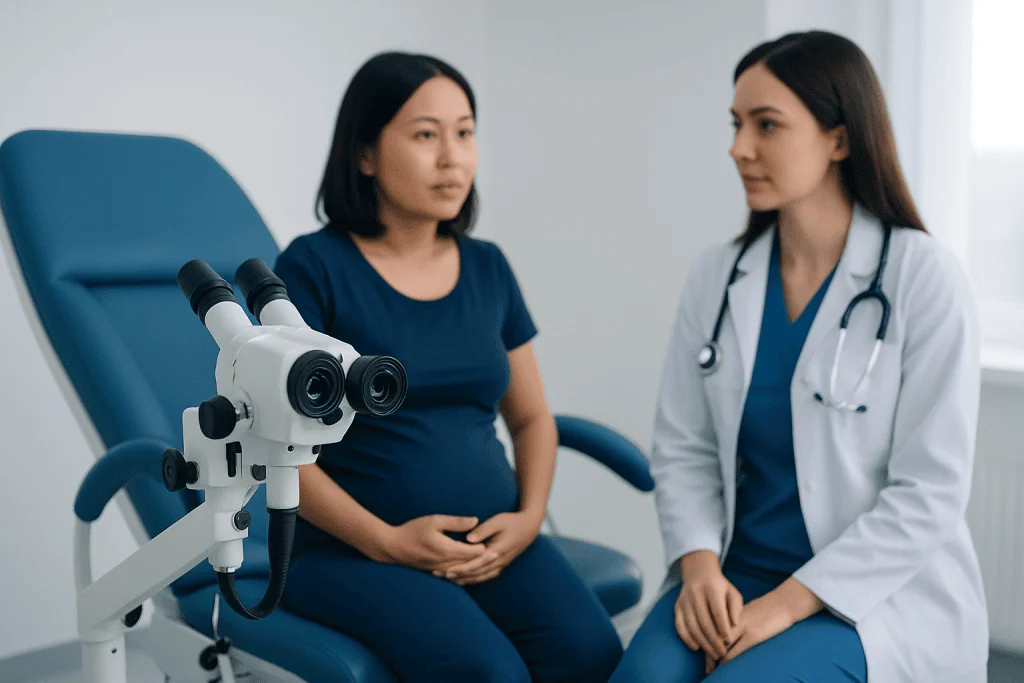
Endometriosis symptoms can begin in adolescence or adulthood and may change over time. Pain is common, especially painful periods that interfere with school, work, sleep, or daily life. Pelvic pain may also occur between periods, during or after sex, when passing stool, or when urinating, particularly around menstruation.
Other possible features include heavy or irregular bleeding, abdominal bloating, fatigue, nausea, constipation, diarrhea, and lower-back pain. Some people first learn they may have endometriosis during an evaluation for difficulty becoming pregnant. These symptoms can overlap with other conditions, including fibroids, ovarian cysts, irritable bowel syndrome, pelvic inflammatory disease, bladder pain syndrome, and adenomyosis.
A symptom diary can support a more productive appointment. Recording cycle dates, bleeding, pain location and severity, bowel or bladder changes, sexual pain, medications tried, and the effects on daily activities can help the clinician recognize patterns and plan appropriate testing.
Who are some endometriosis specialists in Buffalo, NY?

Rather than relying on a static list of individual names, which can change as clinicians move practices or change services, patients in Buffalo can look for local OB-GYNs, reproductive endocrinology and infertility specialists, and minimally invasive gynecologic surgeons who specifically state experience with endometriosis or chronic pelvic pain. Large academic medical centers and regional gynecology groups may also offer coordinated access to imaging, fertility services, and surgical consultation.
Useful questions when contacting a practice include whether the clinician regularly evaluates endometriosis, manages deep or complex disease, performs laparoscopic surgery when appropriate, and works with other specialists for bowel, urinary, or fertility concerns. It can also be helpful to ask how the office approaches pain management, hormone therapy, and shared decision-making.
A person may request a second opinion if symptoms remain disruptive, if surgery has been suggested without a clear discussion of alternatives, or if prior surgery or medication has not helped. Medical records, imaging reports, operative notes, pathology reports, and a list of prior therapies can make a specialist consultation more efficient.
What is the best doctor to see for endometriosis?
For many people, the best first doctor to see is an OB-GYN familiar with endometriosis evaluation and treatment. If symptoms are complex, severe, recurrent after treatment, associated with infertility, or suggest involvement of the bowel or urinary tract, referral to a gynecologist with advanced training or substantial experience in minimally invasive gynecologic surgery may be appropriate.
Fertility goals are important in selecting care. A reproductive endocrinologist can help assess fertility and discuss options when pregnancy is desired now or in the future. A surgeon may be involved when an endometrioma, adhesions, deep disease, or persistent symptoms are present, while a pelvic-floor physical therapist or pain specialist may support symptoms that continue despite treatment.
There is no single credential that guarantees the ideal match for every patient. A high-quality consultation should include a discussion of symptoms, examination findings, imaging when indicated, medical history, reproductive goals, benefits and limitations of each treatment, and the person’s own priorities.
Diagnosis: how endometriosis is evaluated
Diagnosis begins with a detailed health history and pelvic examination when appropriate and acceptable to the patient. The clinician may ask about menstrual symptoms, pain with sex, bowel and bladder symptoms, pregnancy plans, previous surgeries, family history, and treatments already tried. An examination can identify tenderness, pelvic-floor muscle tension, a mass, or reduced movement of pelvic organs, but a normal examination does not exclude endometriosis.
Pelvic ultrasound is often used to assess the ovaries and uterus and may identify ovarian endometriomas or other causes of symptoms. Magnetic resonance imaging (MRI) may be useful in selected cases, especially when deep endometriosis is suspected or surgery is being planned. However, small or superficial implants are often not visible on imaging.
In many cases, clinicians can make a working clinical diagnosis and begin treatment based on symptoms and findings. Laparoscopy, a minimally invasive operation using a camera inserted through small abdominal incisions, can confirm and treat visible disease when surgery is appropriate. Tissue may be sent to a laboratory for pathology assessment, but surgery is not required for every person with suspected endometriosis.
Treatment options and laparoscopic surgery
Treatment is individualized and may aim to reduce pain, improve daily functioning, support fertility, or address an endometrioma or adhesions. Options can include anti-inflammatory pain medicines when safe for the individual, hormonal approaches that suppress menstrual cycling, pelvic-floor physical therapy, and support for sleep, mental well-being, and chronic pain coping. Hormonal treatments can reduce symptoms for many people but do not permanently remove endometriosis and are not used when actively trying to conceive.
When symptoms remain significant, an endometrioma is concerning, infertility evaluation indicates a need for intervention, or deep disease is suspected, a clinician may discuss laparoscopic surgery. During laparoscopy, the patient receives anesthesia, the surgeon makes a few small incisions, inflates the abdomen gently with gas for visibility, and inserts a camera and fine instruments. Visible lesions, scar tissue, or cysts may be removed or treated, depending on the surgical plan and the structures involved.
Potential benefits include diagnosis, removal of visible disease, treatment of adhesions, and symptom improvement for some patients. Risks include bleeding, infection, blood clots, injury to nearby organs, anesthesia-related complications, incomplete symptom relief, and recurrence of symptoms or disease. Recovery varies with the extent of surgery; many people return home the same day or after a short stay, may need several days to two weeks for basic activity recovery, and may need longer after extensive procedures. The surgical team provides individualized restrictions and follow-up guidance.
For patients traveling for coordinated assessment, Acibadem International’s multidisciplinary specialists and JCI-accredited hospitals evaluate and treat endometriosis, including complex cases requiring gynecology and related specialties.
What are the 5 D's of endometriosis?
The phrase “5 D’s of endometriosis” is an informal awareness mnemonic rather than a formal diagnostic standard. It is commonly used to describe five symptom areas that can occur with endometriosis: dysmenorrhea (painful periods), dyspareunia (pain during sex), dyschezia (painful bowel movements), dysuria (painful urination), and difficulty conceiving or infertility.
Not everyone with endometriosis has all of these symptoms, and each symptom can have causes unrelated to endometriosis. For example, painful urination can result from a urinary infection, while painful bowel movements can occur with gastrointestinal conditions. The timing of symptoms in relation to the menstrual cycle can be helpful information, but a clinician should evaluate persistent or severe symptoms.
These five features should be viewed as prompts for discussion, not as a self-diagnosis tool. A thorough assessment considers the full pattern of symptoms, examination findings, imaging where useful, prior treatment response, and the person’s fertility plans.
Who is the best endometriosis doctor in New York City?
There is no objectively single “best” endometriosis doctor in New York City for every patient. The most suitable clinician depends on whether the person needs initial assessment, medical symptom management, fertility-focused care, review of a complex surgical history, or evaluation of possible bowel, bladder, or deep pelvic involvement.
When comparing clinicians or centers, patients can look for a gynecologist or minimally invasive gynecologic surgeon with documented endometriosis experience, transparent discussion of treatment choices, access to multidisciplinary support, and a communication style that supports informed decisions. For fertility concerns, involvement of a reproductive endocrinologist may be especially valuable.
It is reasonable to arrange more than one consultation before deciding on surgery or another major treatment change. Patients should bring prior records and ask how the clinician would tailor care to their symptoms, imaging findings, goals for pregnancy, and preferences about medication or surgery.
When to seek medical care
Medical assessment is appropriate for menstrual or pelvic pain that regularly limits normal activities, pain during sex, bowel or urinary symptoms that worsen around periods, unusually heavy bleeding, persistent bloating or pelvic pressure, or trouble becoming pregnant. Early evaluation can help identify endometriosis and other treatable causes of symptoms while allowing time for informed decisions.
Urgent medical care is important for sudden severe pelvic or abdominal pain, fainting, fever with pelvic pain, heavy bleeding that causes weakness or dizziness, vomiting that prevents fluid intake, or possible pregnancy with pain or bleeding. These symptoms can have causes that need prompt assessment, including conditions other than endometriosis.
People who have had treatment but continue to experience pain should not assume they simply need to tolerate it. Follow-up can help review the diagnosis, assess coexisting conditions, adjust medicines, consider rehabilitation or pain support, and determine whether specialist referral is useful.
Frequently asked questions
Can an endometriosis specialist diagnose the condition without surgery?
Yes. Many clinicians make a clinical diagnosis based on symptoms, medical history, examination findings, and imaging when appropriate. Surgery may be considered when it is likely to change management, provide treatment, clarify an uncertain diagnosis, or address complications.
Does a normal ultrasound mean a person does not have endometriosis?
No. Ultrasound can detect ovarian endometriomas and some other pelvic conditions, but it may not show superficial endometriosis. A clinician interprets imaging together with symptoms, examination findings, and the individual’s treatment goals.
Can endometriosis return after surgery?
Symptoms and endometriosis can recur after surgery, although outcomes vary widely among individuals. Ongoing follow-up and, for some people, hormonal therapy after surgery may help manage symptoms when pregnancy is not currently desired.
Should a person see a fertility specialist if they have endometriosis?
A fertility specialist can be helpful for someone with endometriosis who is having difficulty becoming pregnant, is considering fertility preservation, or needs guidance before surgery. The timing and type of fertility evaluation depend on age, ovarian reserve, duration of attempts to conceive, and other factors.
Is severe period pain always endometriosis?
No. Severe period pain can occur with endometriosis, adenomyosis, fibroids, ovarian cysts, pelvic infection, and other conditions. Pain that disrupts daily life deserves evaluation rather than being dismissed as a normal part of menstruation.
What should a patient bring to an endometriosis specialist appointment?
Helpful items include a symptom and menstrual diary, a list of medicines and prior treatments, imaging reports, laboratory results, surgical and pathology records, and information about fertility goals. Preparing questions about diagnosis, treatment options, expected benefits, risks, and follow-up can also support shared decision-making.
References
- American College of Obstetricians and Gynecologists
- European Society of Human Reproduction and Embryology
- National Institute for Health and Care Excellence
- World Health Organization
- Mayo Clinic
This article is for general information only and is not a substitute for professional medical advice. Please consult a qualified doctor about your individual situation.
Endometriosis in Turkey — costs, top hospitals & a free quote
JCI-accredited · board-certified surgeons · reply within 24h
Add us as a Preferred Source to see more of our trusted health content across Google Search, AI Overviews and Discover.

Gynecology & Obstetrics
Women’s health across pregnancy, gynecologic surgery and high-risk pregnancy care.
187 specialists in this unitMore from the Health Library



Related Specialists

Dr. Cihan Göktaş
Inpatient Clinic Physicians Clinical Service
Assoc. Prof. Dr. Muhammet Ahmet Karakaya
Anesthesiology
Prof. Dr. Mustafa Parildar
Interventional Radiology
Dr. Aziz Pak
Emergency Service