

Endometriosis Symptoms Explained: Common Triggers and Red Flags
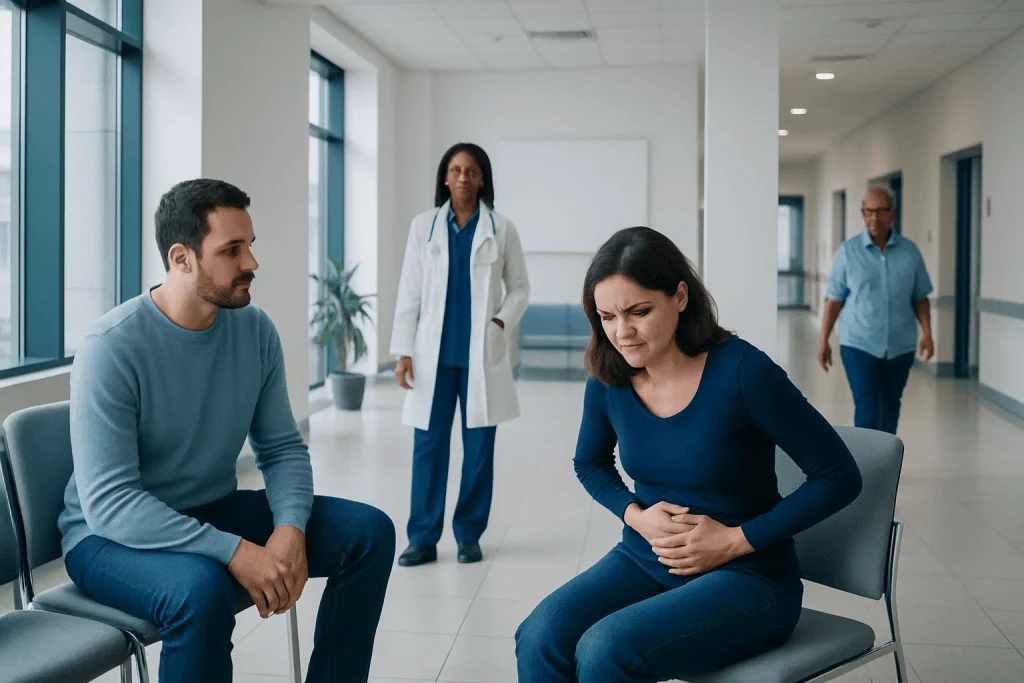
Endometriosis symptoms often center on period-related pelvic pain, but they can also affect bowel, bladder, sexual, and fertility health. Symptoms may flare around menstruation, ovulation, stress, or inflammation-related triggers, though patterns differ from person to person.
Key Takeaways
- Endometriosis symptoms often center on period-related pelvic pain, but they can also affect bowel, bladder, sexual, and fertility health.
- Symptoms may flare around menstruation, ovulation, stress, or inflammation-related triggers, though patterns differ from person to person.
- Severe pain is not required for endometriosis to be present; some people have mild symptoms, while others have significant daily limitations.
- Diagnosis usually involves a symptom review, pelvic exam, imaging, and sometimes laparoscopy to confirm the condition.
- Treatment may include pain relief, hormone-based therapies, and surgery depending on symptoms, fertility goals, and overall health.
- Medical care is important when pelvic pain is new, worsening, affects daily life, or is linked with heavy bleeding, infertility, or bowel or bladder symptoms.
Endometriosis symptoms commonly include painful periods, ongoing pelvic pain, pain during sex, bowel or bladder discomfort around menstruation, and difficulty getting pregnant. Symptoms can vary widely, and the severity of pain does not always match how extensive the condition is, so persistent or disruptive symptoms deserve medical evaluation.
Overview: what endometriosis symptoms usually feel like
Endometriosis symptoms most often involve pelvic pain linked to the menstrual cycle, especially painful periods that feel stronger than typical cramping. Many people also notice pain before or during menstruation, deep pain during sex, discomfort with bowel movements or urination during a period, and fatigue. In some cases, infertility is the symptom that first leads to evaluation.
Endometriosis happens when tissue similar to the lining of the uterus grows outside the uterus, commonly on the ovaries, fallopian tubes, pelvic lining, or nearby structures. This tissue responds to hormonal changes, which can lead to inflammation, scarring, and pain. Symptoms can change over time and may begin in the teenage years or later in adulthood.
One important point is that symptom severity does not always reflect the extent of disease. A person with small areas of endometriosis may have significant pain, while another with more widespread disease may have few symptoms. Because of this, a careful medical assessment matters more than trying to judge the condition by pain level alone.
Common symptoms and how they can vary
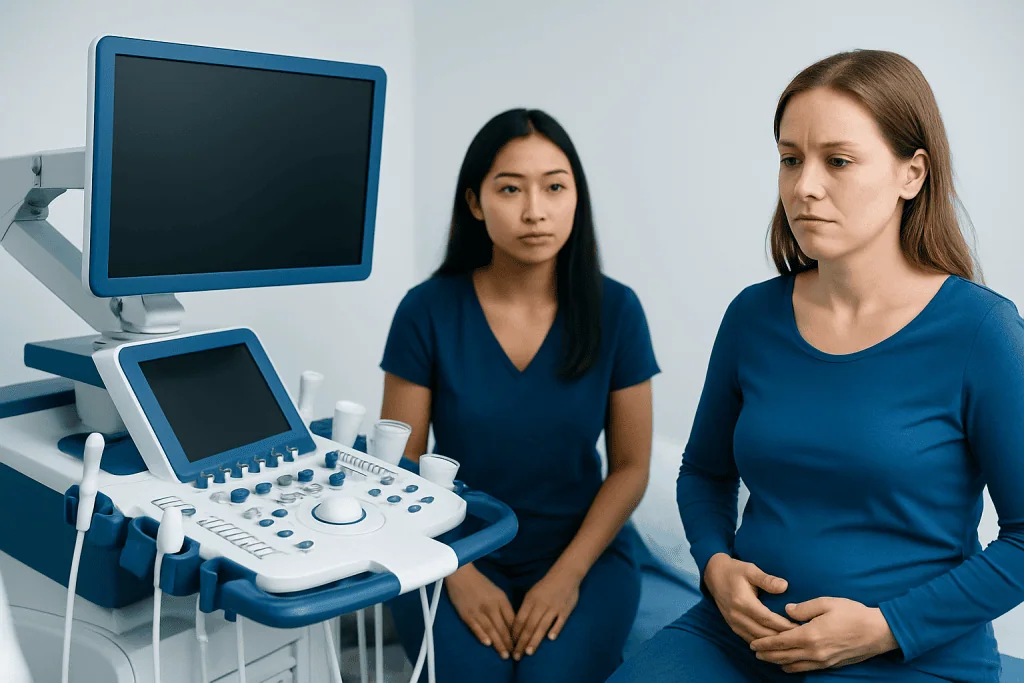
The most recognized symptom is dysmenorrhea, or painful periods. Unlike ordinary menstrual cramps, endometriosis-related pain may start days before bleeding begins, continue throughout the period, and sometimes linger after it ends. The pain may be felt in the lower abdomen, pelvis, lower back, or legs and can interfere with school, work, sleep, exercise, and daily activities.
Other symptoms are also common. Some people have chronic pelvic pain between periods, while others notice pain mainly during menstruation or ovulation. Pain during or after sex, especially with deep penetration, can occur when endometriosis affects tissues deeper in the pelvis. Bloating, nausea, constipation, diarrhea, or painful bowel movements may become more noticeable during the menstrual cycle.
Bladder-related symptoms can include urgency, frequency, or pain with urination, especially during a period. Endometriosis can also be linked with tiredness, low energy, and trouble concentrating when pain is ongoing. Fertility problems may be the main concern for some patients, as the condition can affect the ovaries, fallopian tubes, pelvic anatomy, and inflammatory environment.
- Painful periods that worsen over time
- Pelvic or lower back pain before or during menstruation
- Pain during or after sex
- Pain with bowel movements or urination during periods
- Bloating, constipation, diarrhea, or nausea around menstruation
- Difficulty becoming pregnant
Common triggers and why symptoms flare
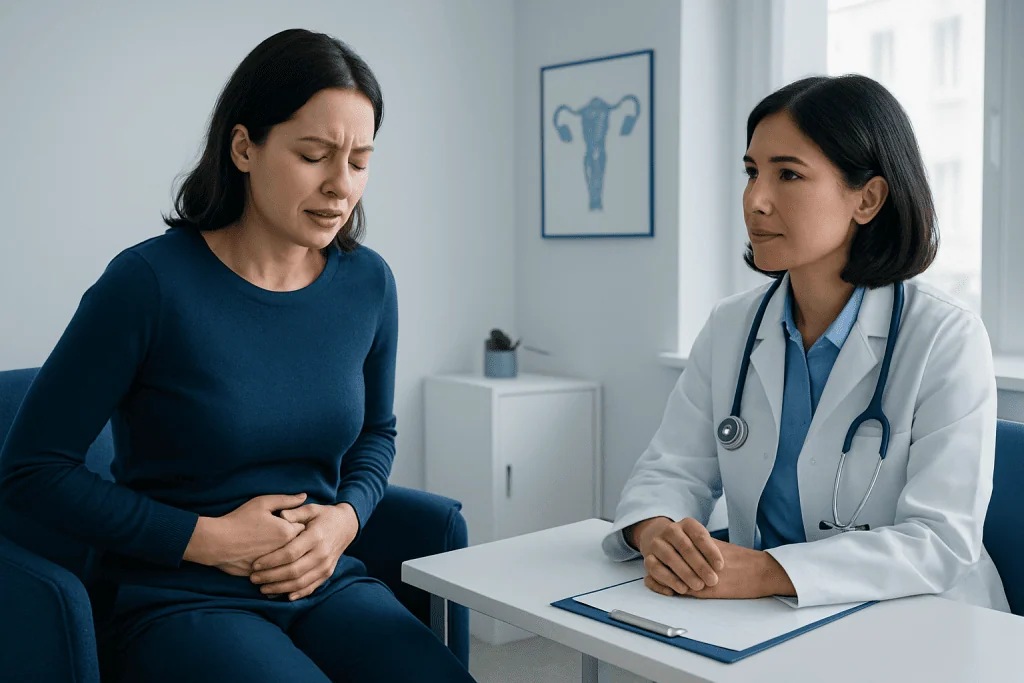
Many people search for triggers because symptoms often seem to flare in recognizable patterns. The most common trigger is the hormonal shift of the menstrual cycle itself. Estrogen can stimulate endometriosis implants, contributing to inflammation and pain. As a result, symptoms frequently worsen in the days before a period and during menstrual bleeding.
Ovulation may also trigger temporary pelvic pain in some people. Sexual activity, especially deep penetration, can provoke symptoms when tender or scarred tissue is involved. Bowel movements may become painful if endometriosis affects the rectum, pelvic floor, or tissues behind the uterus. Some patients also report that poor sleep, high stress, or untreated muscle tension in the pelvic floor makes pain feel more intense, even though these are not direct causes of endometriosis.
Food does not cause endometriosis, but bloating and digestive discomfort may feel worse around a period, particularly if the bowel is sensitive. Regular symptom tracking can be useful. Writing down when pain occurs, where it is felt, what it affects, and how it relates to bleeding, sex, bowel habits, or exercise can help a doctor identify patterns and guide treatment.
Red flags that should not be ignored
Some symptoms suggest that medical review should not be delayed. Pelvic pain that is severe, steadily worsening, or no longer controlled with usual self-care deserves attention. Heavy menstrual bleeding, bleeding between periods, repeated missed school or work, or pain that disrupts sleep are also important warning signs.
Bowel and bladder symptoms during menstruation should be taken seriously, especially if they are recurrent. Painful bowel movements, urinary pain during periods, rectal pain, or symptoms that repeatedly appear in a cycle-related pattern can point to endometriosis or another pelvic condition. Difficulty becoming pregnant after trying for a reasonable period of time is another important reason to seek evaluation.
It is also helpful to remember that endometriosis shares symptoms with other conditions. For example, pelvic pain may overlap with ovarian cysts, irritable bowel syndrome, pelvic inflammatory disease, fibroids, or adenomyosis. Sudden, intense pelvic pain, fainting, fever, or very heavy bleeding needs prompt medical assessment because these symptoms can signal a different urgent problem.
How doctors diagnose endometriosis
Diagnosis begins with a detailed discussion of symptoms, menstrual history, pain pattern, sexual health, bowel and bladder symptoms, and fertility goals. A doctor may ask when pain started, whether it is linked to periods, what makes it better or worse, and how much it affects daily life. Keeping a symptom diary before the appointment can make this conversation more useful.
A pelvic exam may help identify areas of tenderness, pelvic floor muscle spasm, or masses such as ovarian endometriomas. Imaging is often part of the evaluation. Ultrasound can help detect ovarian cysts related to endometriosis and assess other possible causes of pelvic pain. In selected situations, MRI may be used to look more closely at deep endometriosis or to plan surgery.
Imaging can suggest endometriosis, but it does not rule it out when results are normal. In some cases, laparoscopy is used to confirm the diagnosis and sometimes treat visible disease at the same time. This is a minimally invasive surgical approach that allows a specialist to look inside the pelvis directly and, when appropriate, remove or destroy endometriosis tissue.
Treatment options and symptom relief
Treatment depends on the person’s symptoms, age, fertility wishes, exam findings, and overall health. The main goals are to reduce pain, improve quality of life, protect fertility when possible, and address related issues such as ovarian cysts or pelvic floor dysfunction. A doctor may recommend watchful follow-up for mild symptoms or a more active plan when pain is persistent or fertility is affected.
Medicines commonly include pain relievers and hormone-based treatments that help suppress the cycle-related stimulation of endometriosis tissue. Depending on the individual situation, this may involve contraceptive pills or other hormonal therapies recommended by a gynecologist. Some people also benefit from pelvic floor physical therapy, heat, regular movement, and support for sleep and stress management.
Surgery may be considered when symptoms remain significant despite medication, when endometriomas are present, when anatomy is distorted, or when infertility is part of the picture. Laparoscopic surgery can help diagnose and treat endometriosis with smaller incisions than open surgery. For patients with fertility concerns, coordinated care with IVF specialists may be part of the treatment pathway. If an ovarian endometrioma is suspected, doctors may also evaluate for related ovarian cyst management options.
Self-care and prevention of symptom worsening
There is no guaranteed way to prevent endometriosis, but there are practical steps that may reduce symptom burden and help people feel more in control. Regular exercise, adequate sleep, balanced meals, and stress reduction may support overall well-being and pain coping. Heat packs, gentle stretching, and planned rest during severe flare days can also be helpful.
Tracking the menstrual cycle and symptoms is one of the simplest and most useful self-care tools. Recording pain intensity, bleeding pattern, bowel or bladder changes, sexual pain, and medicine response can help identify flares and make follow-up visits more productive. This information also helps distinguish endometriosis from other conditions that may mimic it.
It is best to avoid normalizing severe menstrual pain. If symptoms are causing repeated absences, limiting movement, reducing sexual well-being, or creating anxiety around each cycle, medical support is appropriate. In some cases, a multidisciplinary team is helpful, including gynecology, pain management, radiology, pelvic floor therapy, and fertility specialists.
When to seek medical care
A person should seek medical care if endometriosis symptoms are frequent, worsening, or affecting daily life. Pain that causes missed work or school, heavy bleeding, pain during sex, bowel or bladder symptoms linked to periods, or trouble becoming pregnant are all good reasons to arrange an evaluation. Early assessment can help identify the cause and open the door to more effective symptom control.
Urgent medical care is needed for sudden severe pelvic pain, fainting, fever, vomiting, or bleeding that feels unusually heavy. These symptoms are not typical to manage at home because they may suggest another problem that needs prompt attention. A qualified clinician can decide whether the symptoms fit endometriosis or another condition.
For people who need specialist evaluation, Acibadem International’s multidisciplinary teams in JCI-accredited hospitals diagnose and treat endometriosis for international patients. Depending on the case, assessment may include advanced imaging such as MRI, minimally invasive laparoscopy, and fertility care including IVF when appropriate.
Frequently asked questions
What are the first signs of endometriosis?
Early signs often include painful periods that feel more intense than expected, pelvic pain before or during menstruation, and pain during sex. Some people also notice bowel or bladder discomfort around their period, fatigue, or difficulty getting pregnant.
Can endometriosis symptoms happen even when not on a period?
Yes. Although symptoms often flare around menstruation, some people have pelvic pain, lower back pain, bloating, or fatigue between periods as well. Ongoing inflammation, scarring, or pelvic floor muscle tension can contribute to non-cycle-related symptoms.
Does severe period pain always mean endometriosis?
No. Severe period pain can have several causes, including fibroids, adenomyosis, pelvic infection, or ovarian cysts. However, repeated or worsening menstrual pain should be assessed by a doctor, especially if it affects daily life.
Can you have endometriosis with normal ultrasound results?
Yes. Ultrasound can identify some findings, such as ovarian endometriomas, but it may miss smaller or superficial endometriosis. A normal scan does not completely rule out the condition, so symptoms and clinical evaluation remain important.
What triggers endometriosis pain flare-ups?
The menstrual cycle is the most common trigger, especially the days before and during a period. Ovulation, sex, bowel movements, stress, and poor sleep may also make symptoms feel worse in some people, though patterns vary.
When should someone see a doctor for possible endometriosis?
A doctor visit is recommended when pelvic pain is persistent, worsening, or interfering with work, school, sleep, or relationships. Medical review is also important for heavy bleeding, pain during sex, bowel or bladder symptoms during periods, or trouble becoming pregnant.
This article is for general information only and is not a substitute for professional medical advice. Please consult a qualified doctor about your individual situation.
Endometriosis in Turkey — costs, top hospitals & a free quote
JCI-accredited · board-certified surgeons · reply within 24h
Add us as a Preferred Source to see more of our trusted health content across Google Search, AI Overviews and Discover.
Check your numbers in seconds
BMI, calories, due date, blood pressure and 30+ more clinical calculators — free, instant, doctor-reviewed ranges.

Gynecology & Obstetrics
Women’s health across pregnancy, gynecologic surgery and high-risk pregnancy care.
186 specialists in this unitMore from the Health Library

Why Am I So Hungry Before My Period? A Doctor-Reviewed Answer
How Long Should You Sit in a Sauna? A Doctor-Reviewed Answer
How to Get Unbloated in 5 Minutes? A Doctor-Reviewed Answer

Is Bread Carbs? Here Is What the Evidence Says
What Is Mash? A Doctor-Reviewed Answer

Stinging Nettle Rash: Common Causes, Related Conditions, and When to See a Doctor
Gynecology & Obstetrics Specialists at Acibadem

Assoc. Prof. Dr. Engin Çelik
Gynecology & Obstetrics
Prof. Dr. Engin Oral (m)
Gynecology & Obstetrics
Dr. A. Ezgi Sancaklı
Gynecology & Obstetrics
Prof. Dr. A. Taner Usta
Gynecology & Obstetrics