Endometrium — Explained by Medical Evidence, Not Myths

The endometrium is the tissue lining the inside of the uterus and responds to monthly hormone changes. A healthy endometrium thickens and sheds during the menstrual cycle, unless pregnancy occurs.
Key Takeaways
- The endometrium is the tissue lining the inside of the uterus and responds to monthly hormone changes.
- A healthy endometrium thickens and sheds during the menstrual cycle, unless pregnancy occurs.
- Symptoms such as unusually heavy bleeding, bleeding after menopause, pelvic pain, or trouble conceiving may point to an endometrial problem.
- Common conditions affecting the endometrium include polyps, hyperplasia, infection, cancer, and changes linked with [[DISEASE:endometriosis|endometriosis]].
- Diagnosis may involve pelvic examination, ultrasound, blood tests, hysteroscopy, or biopsy.
- Treatment depends on the cause and may include monitoring, medicines, hormone therapy, or procedures.
The endometrium is the inner lining of the uterus. It changes throughout the menstrual cycle to support implantation and pregnancy, and when it does not function normally, it may cause abnormal bleeding, pain, or fertility concerns.
What the Endometrium Is and Why It Matters
The endometrium is the soft inner lining of the uterus. Its main role is to prepare each month for a possible pregnancy. Under the influence of hormones, it grows thicker, develops a rich blood supply, and becomes more receptive to an embryo. If pregnancy does not occur, much of this lining is shed during menstruation.
This tissue is not static. It changes continuously across the menstrual cycle, and those changes can offer important clues about reproductive and gynecologic health. The endometrium affects bleeding patterns, fertility, implantation, and early pregnancy support. Because it is so hormone-sensitive, problems in the ovaries, thyroid, weight regulation, or overall hormonal balance can influence how it behaves.
Many myths surround the endometrium, especially online. A “thick” or “thin” lining is not automatically dangerous or abnormal on its own. What matters most is a person’s age, menstrual stage, symptoms, reproductive goals, and imaging or biopsy findings. Medical evaluation focuses on the whole clinical picture rather than one number in isolation.
How the Endometrium Changes During the Menstrual Cycle
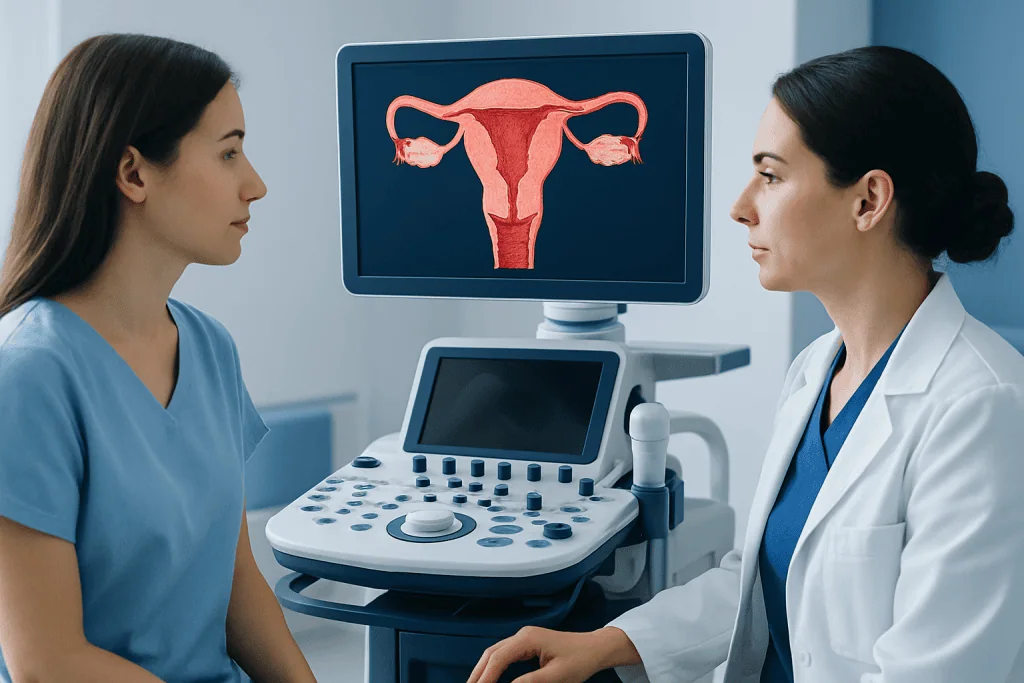
During the first part of the cycle, estrogen encourages the endometrium to rebuild after menstruation. This phase is often called the proliferative phase. The lining gradually thickens and the glands inside it begin to grow. Around ovulation, the endometrium is preparing for the possibility of implantation.
After ovulation, progesterone becomes the dominant hormone. In this secretory phase, the endometrium becomes more mature and nutrient-rich. If a fertilized egg implants, this lining helps nourish the early pregnancy until the placenta develops further. If implantation does not happen, hormone levels fall and the upper layer of the endometrium breaks down and is shed as a period.
These monthly changes explain why timing matters when doctors assess endometrial thickness on ultrasound. A lining that appears thin just after menstruation may be completely normal, while a similar appearance at another point in the cycle may need more context. In people who no longer menstruate, such as after menopause, the approach is different because the endometrium should usually remain relatively inactive.
Symptoms That May Suggest an Endometrial Problem
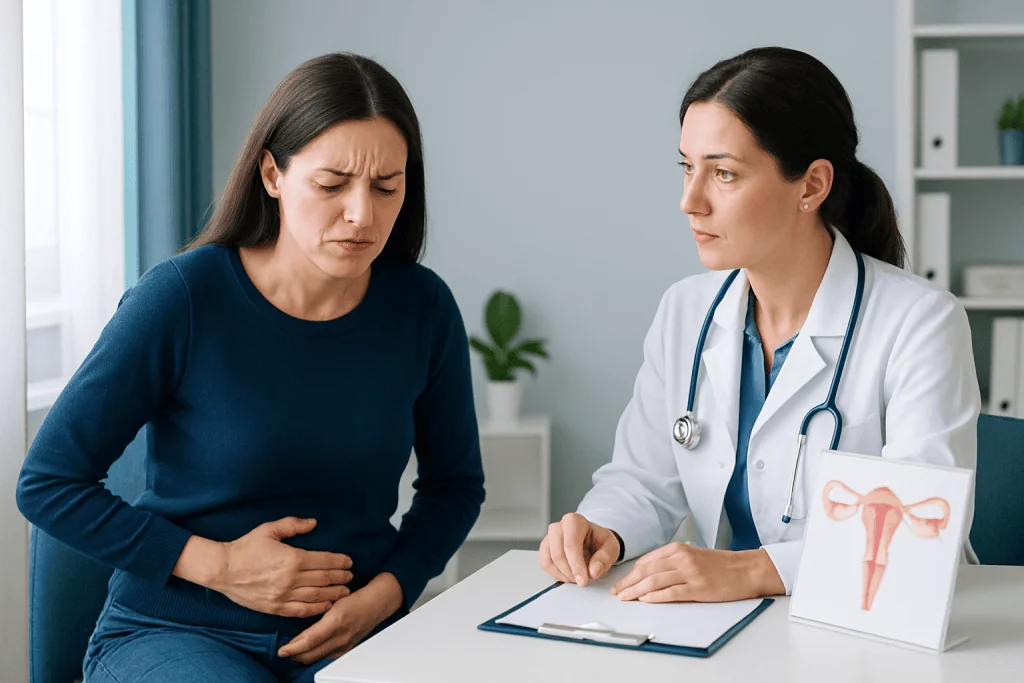
Many endometrial disorders first appear as a change in bleeding. This can include periods that are heavier than usual, bleeding between periods, cycles that become unpredictable, or spotting after sex. Bleeding after menopause is especially important to evaluate because it is never considered a routine finding.
Pelvic pain is another possible symptom, although pain does not always come from the endometrium itself. Cramping that becomes progressively worse, pelvic pressure, painful periods, or discomfort during intercourse can occur alongside conditions that involve the uterine lining or neighboring pelvic organs. Fertility difficulties, repeated implantation failure, or recurrent miscarriage may also lead doctors to assess the endometrium more closely.
Possible warning signs include:
- Very heavy menstrual bleeding or bleeding lasting longer than usual
- Bleeding between periods
- Bleeding after menopause
- New pelvic pain or severe menstrual cramps
- Difficulty becoming pregnant
- Unexplained anemia or fatigue related to blood loss
These symptoms do not automatically mean a serious illness is present. Hormonal fluctuations, benign growths, and temporary disturbances are common. Still, persistent or unusual symptoms deserve professional assessment so the underlying cause can be identified and treated appropriately.
Common Conditions That Affect the Endometrium
Several conditions can affect the endometrium. Endometrial polyps are small growths that arise from the uterine lining and may cause spotting, irregular bleeding, or fertility concerns. Endometrial hyperplasia means the lining has become thicker than expected, usually because of prolonged estrogen exposure without enough progesterone. Some forms are benign, while others carry a higher risk of progressing to cancer and need closer follow-up.
Endometritis is inflammation or infection of the endometrium. It can occur after childbirth, miscarriage, procedures involving the uterus, or sometimes alongside pelvic infection. Symptoms may include pelvic pain, abnormal discharge, fever, or irregular bleeding. Prompt treatment is important when infection is suspected.
Endometrial cancer begins in the lining of the uterus. It often presents with abnormal bleeding, particularly after menopause, which is why that symptom should not be ignored. There is also a separate condition, endometriosis, in which tissue similar to the uterine lining grows outside the uterus. Although it is not the same as the endometrium itself, people often confuse the two because of the similar names.
Other influences include fibroids that distort the uterine cavity, scarring inside the uterus, and hormone-related ovulation disorders. In fertility care, doctors may also evaluate whether the lining is developing in a way that is supportive of implantation, sometimes alongside IVF treatment or other reproductive planning.
How Doctors Diagnose Endometrial Changes
Diagnosis starts with a careful medical history. Doctors ask about menstrual timing, bleeding amount, pain, pregnancies, medications, menopause status, and risk factors such as obesity, polycystic ovary syndrome, diabetes, or use of certain hormone therapies. A pelvic examination may help identify other sources of bleeding or pain.
Pelvic ultrasound, often performed transvaginally, is one of the most useful first tests. It can assess endometrial thickness, detect polyps or fibroids, and show whether the uterine cavity looks regular. In some cases, saline infusion sonography gives a clearer view of the inside of the uterus. Blood tests may also be used to check for anemia, pregnancy, infection, or hormonal contributors.
If imaging or symptoms suggest a problem within the uterine lining, the next step may be direct sampling or visualization. An endometrial biopsy takes a small tissue sample to check for hyperplasia, cancer, inflammation, or other changes. Hysteroscopy allows the doctor to look inside the uterus and, if needed, remove a polyp or take a targeted biopsy. For selected patients, diagnostic imaging and specialist gynecologic assessment are combined to create the clearest picture.
A diagnosis is based on symptoms plus test results, not on ultrasound thickness alone. This is important because what is normal varies with age and menstrual phase. The goal is to rule out urgent causes, identify treatable conditions, and tailor management to the person’s symptoms and reproductive plans.
Treatment Options and What They Aim to Do
Treatment depends on the cause of the endometrial change. If symptoms are mild and test results are reassuring, a doctor may recommend observation with follow-up. When bleeding is the main issue, treatment often focuses on correcting hormone imbalance, reducing blood loss, and improving quality of life. Hormonal medicines may help regulate cycles, thin an overly stimulated lining, or protect the endometrium in people who do not ovulate regularly.
Benign structural problems may be treated with procedures. Polyps can often be removed during hysteroscopy. If fibroids distort the uterine cavity, treatment may target the fibroid rather than the lining itself. Infection such as endometritis is generally treated with appropriate antibiotics. In cases of hyperplasia, management depends on whether atypical cells are present and whether future pregnancy is desired.
When cancer is found, treatment is planned by specialists and may involve surgery and other therapies according to stage and pathology. For people trying to conceive, treatment may also address ovulation disorders, uterine cavity problems, or inflammation that interferes with implantation. In selected situations, doctors may discuss gynecologic oncology care or fertility-focused management based on the findings.
Near the end of the diagnostic process, some people benefit from care in a multidisciplinary setting. Acibadem International’s specialists in gynecology, fertility, radiology, and oncology at JCI-accredited hospitals diagnose and treat endometrial conditions for international patients when more complex evaluation is needed.
Prevention, Self-Care, and Everyday Health
Not all endometrial problems can be prevented, but general health habits can support hormonal balance and help people notice changes early. Keeping track of periods, spotting, and pain can make medical visits more productive. A simple calendar or app can help identify patterns such as increasingly heavy bleeding or cycles that become irregular over time.
Maintaining a healthy weight, staying physically active, and managing long-term conditions such as diabetes can also be helpful. This is because body fat influences estrogen levels, and prolonged estrogen exposure without regular ovulation may affect the endometrium. People with irregular cycles, polycystic ovary syndrome, or a history of endometrial problems may benefit from regular gynecologic follow-up.
Self-care can include steps to support comfort and recovery, such as:
- Monitoring menstrual changes and reporting persistent abnormalities
- Seeking evaluation for anemia symptoms such as fatigue or dizziness
- Following prescribed hormone treatment as directed
- Attending follow-up scans or biopsies when recommended
- Discussing fertility goals early if pregnancy is desired
It is best not to rely on internet myths or supplements marketed to “cleanse” the uterus. The endometrium is a living tissue that responds to hormones and health conditions; it does not need detox products. Evidence-based care is the safest way to understand and manage changes in the uterine lining.
When to Seek Medical Care
Medical review is advisable for bleeding that is new, persistent, or clearly different from a person’s normal pattern. This includes bleeding between periods, very heavy periods, periods that suddenly become irregular, and any vaginal bleeding after menopause. These symptoms are often caused by benign conditions, but they should still be assessed.
More urgent care may be needed if there is severe pelvic pain, fever, foul-smelling discharge, fainting, or bleeding heavy enough to cause weakness, shortness of breath, or rapid soaking of pads. Anyone who is pregnant or may be pregnant and develops bleeding or pain should also seek prompt medical advice.
People trying to conceive should consider evaluation if pregnancy is not happening as expected, especially when periods are irregular or there is a history of pelvic pain, uterine procedures, miscarriage, or known gynecologic conditions. Early assessment can identify treatable problems and help guide the next steps safely.
Frequently asked questions
What is the endometrium in simple terms?
The endometrium is the inner lining of the uterus. It grows and sheds in response to hormones during the menstrual cycle and helps support implantation if pregnancy occurs.
Is a thick endometrium always a problem?
No. Endometrial thickness normally changes during the cycle, so a thicker lining can be expected at certain times. Doctors interpret thickness together with age, symptoms, and whether someone is still menstruating or has reached menopause.
What symptoms suggest an endometrial disorder?
Common symptoms include heavy periods, bleeding between periods, bleeding after menopause, pelvic pain, and difficulty becoming pregnant. These symptoms can have several causes, so medical evaluation helps determine whether the endometrium is involved.
What is the difference between endometrium and endometriosis?
The endometrium is the normal lining inside the uterus. Endometriosis is a separate condition in which tissue similar to the uterine lining grows outside the uterus, often causing pain and sometimes fertility problems.
How is the endometrium checked?
Doctors often begin with a pelvic history, examination, and transvaginal ultrasound. If needed, they may recommend an endometrial biopsy or hysteroscopy to look more closely at the uterine lining.
Does abnormal bleeding always mean cancer?
No. Abnormal bleeding is commonly caused by hormone changes, polyps, fibroids, or other benign conditions. However, it should still be evaluated, especially after menopause, because early assessment helps rule out more serious causes.
This article is for general information only and is not a substitute for professional medical advice. Please consult a qualified doctor about your individual situation.
IVF & fertility treatment in Turkey — success rates and costs
JCI-accredited · board-certified surgeons · reply within 24h
Add us as a Preferred Source to see more of our trusted health content across Google Search, AI Overviews and Discover.
Check your numbers in seconds
BMI, calories, due date, blood pressure and 30+ more clinical calculators — free, instant, doctor-reviewed ranges.

More from the Health Library

Gonadotropin — Explained by Medical Evidence, Not Myths

Diastasis Recti — Explained by Medical Evidence, Not Myths

Low Carb Alcoholic Drinks: An Evidence-Based Guide for Patients

Raw Meat: What Patients Need to Know

Preventive Health Screenings by Age: What Adults Should Consider and When