Epilepsy Alternative Therapy: How It Works, Results and What to Expect

Most people with epilepsy are treated successfully with antiseizure medication, but additional options may help when seizures persist. Evidence-based alternatives include ketogenic dietary therapy, epilepsy surgery, vagus nerve stimulation and other neurostimulation approaches.
Key Takeaways
- Most people with epilepsy are treated successfully with antiseizure medication, but additional options may help when seizures persist.
- Evidence-based alternatives include ketogenic dietary therapy, epilepsy surgery, vagus nerve stimulation and other neurostimulation approaches.
- Complementary practices such as stress management may support wellbeing but are not proven substitutes for seizure treatment.
- A detailed epilepsy assessment helps determine whether a person is a candidate for a procedure or dietary program.
- Seizures that change, become more frequent, last longer than usual or occur in clusters need prompt medical advice.
Epilepsy alternative therapy includes evidence-based non-medicine options such as dietary therapy, epilepsy surgery and nerve stimulation, usually considered when seizures continue despite appropriate medication. These approaches are individualized and should be planned with an epilepsy specialist, as stopping or changing medication without guidance can be unsafe.
Overview: What Is Epilepsy Alternative Therapy?
Epilepsy alternative therapy refers to treatments used in addition to, or occasionally instead of, antiseizure medicines when medicines do not fully control seizures or cause unacceptable side effects. The term can be confusing because it may include both evidence-based medical treatments—such as specialized diets, surgery and implanted stimulation devices—and complementary approaches, including relaxation practices. These options do not have the same level of evidence or safety.
For people with epilepsy, the most important first step is an accurate diagnosis of seizure type and cause. Treatment choices depend on many factors, including age, seizure pattern, brain imaging results, other health conditions, pregnancy plans and personal priorities. A specialist may recommend further evaluation for epilepsy when seizures continue despite appropriately selected medicines.
Alternative therapies should never lead a person to stop antiseizure medication suddenly. Abrupt changes can increase seizure frequency and may trigger prolonged seizures. A neurologist or epileptologist can help weigh likely benefits, limitations and risks while making a plan that fits the individual.
How Evidence-Based Alternative Treatments Work
Some non-medicine treatments work by changing the brain networks that produce seizures. Epilepsy surgery may remove or disconnect a small area of the brain where seizures reliably begin, when that area can be treated without causing unacceptable loss of important function. It is usually considered for focal epilepsy that remains uncontrolled after trials of suitable medicines.
Neuromodulation uses electrical stimulation to influence seizure-related brain activity. Vagus nerve stimulation sends regular, programmed pulses through a nerve in the neck. Other options, available for selected patients in specialized centers, include responsive neurostimulation and deep brain stimulation. These treatments may reduce seizure frequency and severity over time, though they do not guarantee complete seizure freedom.
Dietary therapy changes the body’s energy metabolism and may lower seizures for some people. The ketogenic diet is high in fat and very low in carbohydrate; related plans include modified Atkins and low-glycemic-index approaches. These diets require close medical and dietitian supervision because they can affect nutrition, digestion, blood lipids, kidney stone risk and medication management.
Some people explore vitamins, herbal products or cannabis-based products. Evidence for most supplements and herbs is limited, and some can interact with antiseizure medication or potentially worsen seizures. A regulated cannabidiol medicine is used for certain rare epilepsy syndromes in some countries, but it is not the same as unregulated cannabis products and should only be considered with specialist advice.
Who May Be a Candidate for a Procedure or Dietary Therapy?

A comprehensive epilepsy assessment is particularly important for people whose seizures continue after two appropriately chosen and tolerated antiseizure medicines. This situation is often called drug-resistant epilepsy. It does not mean that there are no treatment options; rather, it signals that a specialist review may identify therapies beyond medication.
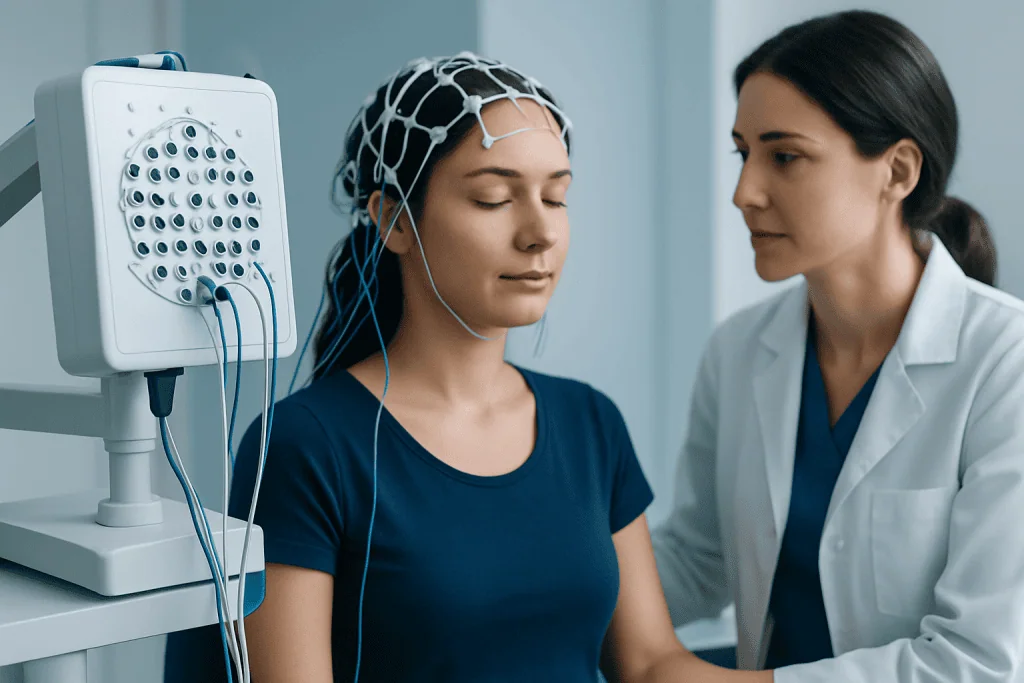
Assessment commonly includes a careful clinical history, seizure diary, medication review, prolonged video-electroencephalography (EEG), magnetic resonance imaging (MRI) and sometimes cognitive testing or other advanced investigations. The aim is to confirm that events are epileptic seizures, identify where they begin and understand how treatment could affect speech, memory, movement and daily life.
People may be candidates for surgery when seizures arise from a clearly defined brain region and tests suggest it can be safely treated. A stimulation device may be appropriate when surgery is not suitable, when seizure onset is not confined to one removable area or when seizures continue after surgery. Dietary therapy can be considered in children and adults, especially when medication has not provided sufficient control.
Decisions are usually made by a multidisciplinary epilepsy team that may include neurologists, neurosurgeons, neuroradiologists, neuropsychologists, EEG specialists, nurses and dietitians. Personal goals matter: some people prioritize complete seizure freedom, while others seek fewer injuries, shorter recovery after seizures or improved alertness.
What Happens During Epilepsy Treatment?
The process begins with an individualized diagnostic review. Before a surgical or device-based treatment, clinicians may request video-EEG monitoring to record typical seizures, detailed MRI scanning and tests of language and memory. In selected cases, more specialized monitoring is needed to map the seizure onset zone with greater precision.
For epilepsy surgery, the exact procedure depends on the seizure focus. Surgery may involve removing a small area responsible for seizures, disconnecting pathways that allow seizures to spread, or using minimally invasive approaches in selected circumstances. The operation is performed under anesthesia, and the hospital team monitors neurological function closely before and after the procedure.
For vagus nerve stimulation, a surgeon implants a small pulse generator beneath the skin of the upper chest and connects it to the vagus nerve in the neck. After healing, the device is programmed in clinic and adjusted gradually. People generally continue antiseizure medication initially, while the epilepsy team monitors seizure patterns and side effects.
Ketogenic dietary therapy begins with screening for medical suitability and a structured nutrition plan. Families and patients learn how to follow the plan safely, monitor hydration and recognize possible concerns. Regular follow-up is essential, especially for children, because growth, nutrient intake and laboratory results may need ongoing review.
Benefits, Risks and Recovery Timeline
The potential benefit of epilepsy surgery is the greatest chance of long-term seizure freedom for carefully selected people with focal drug-resistant epilepsy. Outcomes vary according to the cause and location of seizures, the type of procedure and whether the seizure focus can be fully treated. Even after successful surgery, medication may need to continue for a period of time, and any reduction should be supervised.
After brain surgery, hospital recovery commonly involves several days of observation, followed by a gradual return to regular activities over weeks. Fatigue, headache, scalp discomfort and temporary changes in mood or concentration can occur. Individual recovery varies, and clinicians provide specific guidance about work, school, exercise, driving and wound care.
Vagus nerve stimulation generally has a shorter physical recovery, with discomfort at the incision sites settling as healing progresses. Temporary hoarseness, throat tingling, cough or shortness of breath during stimulation can occur, particularly when settings are adjusted. Device programming is gradual, so seizure improvement may develop over months rather than immediately.
Dietary therapy may help reduce seizure burden but can cause constipation, nausea, low blood sugar, changes in cholesterol levels, kidney stones or nutrient deficiencies if it is not carefully monitored. Surgery and devices also have procedure-specific risks, including infection, bleeding and effects related to the brain area treated. A specialist team explains the expected benefits and risks for the individual before treatment.
What Helps Seizures Go Away Naturally?
There is no proven natural remedy that reliably makes epilepsy disappear. Some healthy habits can reduce avoidable seizure triggers for certain people, including taking medication consistently, sleeping regularly, limiting alcohol, managing stress and avoiding known personal triggers. A seizure diary can help identify patterns related to missed medicine, illness, sleep loss, menstruation or other factors.
Relaxation training, mindfulness, gentle exercise and psychological support may improve stress, sleep and quality of life. However, they should be viewed as supportive measures, not replacements for medical epilepsy treatment. Anyone considering a supplement, herbal preparation, fasting regimen or restrictive diet should discuss it with a clinician or pharmacist first.
Some people have photosensitive epilepsy and may benefit from practical measures recommended by their care team, such as reducing exposure to flashing lights. Trigger avoidance is helpful when a pattern is clear, but it is not a cure. Ongoing medical follow-up remains important even when seizures have been absent for a long time.
What Did the Bible Say About Epilepsy?
The Bible contains historical accounts of people with symptoms that some readers have interpreted as seizures, particularly passages describing sudden falls, convulsions or altered awareness. However, ancient descriptions cannot be used to diagnose a modern medical condition with certainty. The word “epilepsy” and current neurological understanding did not exist in the same form at that time.
Today, epilepsy is understood as a neurological condition caused by abnormal electrical activity in the brain. It is not a moral failing, punishment or evidence of possession. Respectful spiritual support can be meaningful to some individuals and families, but it should complement—not replace—evidence-based medical care.
If religious or cultural beliefs have affected treatment decisions, discussing concerns openly with a trusted clinician may help create a care plan that respects the person’s values while protecting their health and safety.
How Close Are They to Curing Epilepsy?
There is not yet one universal cure for epilepsy because epilepsy is a group of conditions with many different causes. Some people become seizure-free with medication, and others may achieve long-term seizure freedom after successful surgery. For many, treatment focuses on sustained seizure control, safety and quality of life.
Research is advancing understanding of genetic epilepsies, immune-related causes, brain networks and personalized treatments. Improved imaging, genetic testing and neurostimulation technologies are helping specialists tailor care more precisely. These advances are promising, but they do not mean every type of epilepsy can currently be cured.
A person who has been seizure-free for years may be able to discuss medication reduction with their neurologist, depending on their epilepsy type and individual risk factors. This decision requires careful assessment and should never be made without medical supervision.
What Is the Most Successful Treatment of Epilepsy?
The most successful treatment is the one that matches the person’s seizure type, epilepsy syndrome and underlying cause. Antiseizure medication is the first-line treatment for most people and can control seizures effectively for many. Selecting the right medicine requires clinical expertise because some medicines are more suitable for particular seizure types than others.
For carefully selected people with focal drug-resistant epilepsy, surgery can offer the highest likelihood of seizure freedom. For others, dietary therapy or neuromodulation may significantly reduce seizure frequency or severity. These therapies are not competing choices; they can sometimes be combined within a personalized treatment plan.
Acibadem International’s multidisciplinary specialists and JCI-accredited hospitals assess and treat epilepsy for international patients, including consideration of epilepsy surgery when clinically appropriate. The best next step for persistent seizures is referral to an experienced epilepsy team for a full evaluation rather than trying unverified treatments alone.
When to Seek Medical Care
Anyone with a first suspected seizure should seek prompt medical assessment. Urgent emergency care is needed if a seizure lasts longer than five minutes, repeated seizures occur without full recovery between them, breathing is difficult, an injury occurs, the person is pregnant, or the seizure happens in water. Local emergency services should be contacted in these situations.
People with diagnosed epilepsy should contact their clinician when seizures become more frequent, different in character, harder to recover from or associated with new symptoms. Advice is also important before pregnancy, before starting supplements or a restrictive diet, and when medication side effects interfere with daily life.
During a convulsive seizure, bystanders should stay calm, move dangerous objects away, cushion the person’s head, time the seizure and place them on their side once it is safe. They should not restrain the person or put anything in their mouth. Remaining nearby until full awareness returns can provide reassurance and safety.
Frequently asked questions
Can alternative therapy replace epilepsy medication?
Usually, no. Evidence-based options such as surgery, dietary therapy or neurostimulation may be added when medicines do not provide adequate seizure control, but medication changes must be supervised. Stopping antiseizure medication suddenly can increase the risk of serious seizures.
Is the ketogenic diet effective for epilepsy?
The ketogenic diet can reduce seizures in some children and adults, particularly in certain drug-resistant epilepsies. It is a medical dietary treatment rather than a general wellness diet and requires monitoring by an epilepsy clinician and dietitian. It may not be suitable for everyone.
Who should be assessed for epilepsy surgery?
People whose seizures continue after two appropriate antiseizure medicine trials should be considered for evaluation at an epilepsy center. Surgery is most often considered when seizures begin in a defined brain area that can be treated safely. A detailed assessment determines whether it is appropriate.
Does vagus nerve stimulation stop seizures completely?
Vagus nerve stimulation can reduce seizure frequency, severity or recovery time for some people, but complete seizure freedom is less common than with successful surgery for an eligible focal seizure disorder. Benefits often build gradually after device programming. Ongoing follow-up is needed to adjust settings and review response.
Are herbal remedies safe for epilepsy?
Not always. Herbal products and supplements may interact with antiseizure medicines, affect liver metabolism or contain inconsistent ingredients. A neurologist or pharmacist should review any product before it is used.
Can stress cause epilepsy seizures?
Stress does not cause epilepsy itself, but it can be a seizure trigger for some people with epilepsy. Sleep disruption, missed medication and alcohol can also contribute. Stress-management strategies can be useful alongside a prescribed treatment plan.
References
- World Health Organization
- International League Against Epilepsy
- National Institute of Neurological Disorders and Stroke
- National Institute for Health and Care Excellence
- Epilepsy Foundation
This article is for general information only and is not a substitute for professional medical advice. Please consult a qualified doctor about your individual situation.
Epilepsy in Turkey — costs, top hospitals & a free quote
JCI-accredited · board-certified surgeons · reply within 24h
Add us as a Preferred Source to see more of our trusted health content across Google Search, AI Overviews and Discover.

Neurology
Diagnosis and treatment of disorders of the brain, spinal cord, nerves and muscles.
51 specialists in this unit