

Ercp Procedure: What Patients Need to Know

ERCP combines endoscopy and X-ray imaging to diagnose and treat bile duct and pancreatic duct problems. It is most often used for blocked ducts, gallstones in the bile duct, strictures, leaks, or suspected tumors.
Key Takeaways
- ERCP combines endoscopy and X-ray imaging to diagnose and treat bile duct and pancreatic duct problems.
- It is most often used for blocked ducts, gallstones in the bile duct, strictures, leaks, or suspected tumors.
- Many ERCPs are therapeutic, meaning treatment can happen during the same procedure.
- Possible risks include pancreatitis, bleeding, infection, and perforation, so doctors weigh benefits and risks carefully.
- Most patients go home the same day, but recovery instructions and follow-up are important.
The ERCP procedure is a specialized endoscopic test that can also treat problems in the bile ducts and pancreatic ducts. It is commonly used to find blockages, remove stones, place stents, or take samples when imaging alone is not enough.
Overview: What the ERCP Procedure Is
The ERCP procedure, short for endoscopic retrograde cholangiopancreatography, is a minimally invasive procedure used to examine and treat problems affecting the bile ducts, gallbladder drainage system, and pancreatic ducts. It combines a flexible endoscope passed through the mouth with contrast dye and X-ray imaging, allowing doctors to see narrowings, blockages, leaks, or stones inside these ducts.
For many patients, the main benefit of ERCP is that it is not only diagnostic but also therapeutic. If a blockage or other problem is found, the doctor may be able to treat it immediately by removing a stone, widening a narrowed area, placing a stent, or taking a tissue sample. This can reduce the need for separate procedures.
ERCP is usually recommended when blood tests, ultrasound, CT, or MRI suggest a duct problem that may need intervention. It is different from routine upper endoscopy because its goal is to access the opening of the bile and pancreatic ducts in the small intestine and guide treatment through that pathway.
Why an ERCP May Be Recommended

Doctors usually consider an ERCP procedure when there is evidence of obstruction or disease in the biliary or pancreatic duct system. Common reasons include jaundice, abnormal liver function tests, bile duct stones, inflammation, duct injury after surgery, or imaging that shows a blockage needing treatment.
The procedure may be used in people with suspected gallstones that have moved into the common bile duct, narrowing of the bile duct, bile leakage, recurrent pancreatitis caused by duct problems, or concern for tumors affecting bile flow. ERCP can also help relieve symptoms such as itching, pain, nausea, or infection caused by poor drainage.
In modern practice, ERCP is used more selectively than in the past. Noninvasive scans such as MRCP or endoscopic ultrasound may first be used to look for a problem. ERCP is often reserved for situations where treatment is likely to be needed, making it a targeted and efficient option for the right patient.
- Removal of bile duct stones
- Treatment of bile duct or pancreatic duct strictures
- Placement or replacement of stents
- Evaluation of unexplained jaundice
- Management of bile leaks or selected pancreatic duct leaks
- Collection of tissue or brush samples when needed
How the Procedure Is Performed
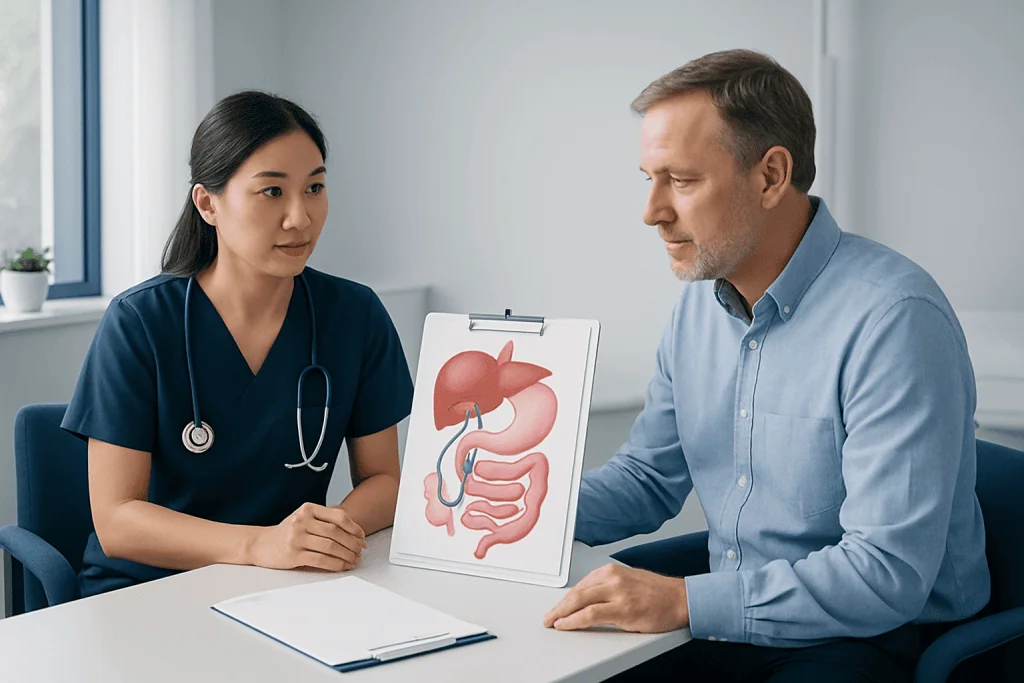
Before the ERCP procedure, the care team reviews the patient’s symptoms, medications, allergies, and past medical history. Blood thinners, diabetes medicines, and allergies to contrast material may require special planning. Patients are typically asked not to eat or drink for several hours beforehand so the stomach and upper intestine are empty.
During the procedure, the patient usually receives sedation or anesthesia for comfort. A specialist passes a thin endoscope through the mouth, down the esophagus, through the stomach, and into the first part of the small intestine. The doctor identifies the small opening where the bile and pancreatic ducts empty, then guides a tiny catheter into the duct.
Contrast dye is injected so the ducts can be seen on X-ray. Depending on what is found, the doctor may perform a small cut at the duct opening, remove stones with special tools, stretch a narrowed area, insert a stent, or collect samples. In selected cases, supportive treatments such as advanced endoscopy or gastroenterology evaluation are part of the broader care plan.
The procedure length varies depending on complexity. Simple cases may be shorter, while stone removal, multiple stents, or difficult anatomy can take longer. Afterward, the patient is monitored until the effects of sedation wear off.
What Patients May Feel Before and After ERCP
It is normal to feel uncertain before an ERCP procedure, especially when it is being done to investigate jaundice, pain, or abnormal test results. Knowing what to expect can make the experience easier. Most patients do not remember much of the procedure because of sedation, and discomfort during the examination is usually limited.
After ERCP, a mild sore throat, bloating, gas, or temporary sleepiness can occur. These effects are often related to the endoscope, the air used during the procedure, and the sedative medicine. If a treatment such as a sphincterotomy or stent placement was performed, the doctor may give more specific instructions about diet, activity, and observation.
Some patients go home the same day, while others stay longer for monitoring depending on their age, general health, and what was done during the procedure. If there is concern for complications or significant infection, hospital observation may be advised. Recovery plans are individualized rather than one-size-fits-all.
Benefits, Risks, and Possible Complications
The main advantage of the ERCP procedure is that it can diagnose and treat a problem in one session. This is especially important when a blocked duct is causing jaundice, infection, or worsening pain. Quick drainage of bile or pancreatic secretions can bring relief and help prevent further complications.
Like any invasive procedure, ERCP has risks. The best-known complication is pancreatitis, which can happen when the pancreas becomes irritated after duct cannulation or treatment. Other possible complications include bleeding, infection of the bile ducts, reactions to sedation, and a tear or perforation in the digestive tract. These risks vary based on the reason for ERCP, the patient’s anatomy, and the complexity of the intervention.
Doctors work to reduce these risks through careful patient selection, preventive measures, and close monitoring. The decision to proceed is based on whether the likely benefit of diagnosis or treatment outweighs the potential harms. Patients should feel comfortable asking why ERCP is being recommended and whether there are noninvasive alternatives.
When ERCP is performed for suspected cancer-related blockage, it may also be one part of a larger treatment pathway that can include oncology care and further imaging or biopsy review. The goal remains to restore drainage, clarify the diagnosis, and support the next steps of care.
Recovery, Self-Care, and Follow-Up
After an ERCP procedure, patients are usually advised to rest for the remainder of the day and avoid driving, alcohol, or important decisions until the sedative has fully worn off. A companion may be needed to accompany the patient home. Eating is often resumed gradually, depending on how the procedure went and whether treatment was performed.
Hydration, light meals, and following the doctor’s instructions on medicines are part of routine recovery. Some people can return to usual activities the next day, while others may need more time if they had therapeutic intervention or were treated for infection or pancreatitis. New abdominal pain, fever, vomiting, black stools, or worsening weakness should not be ignored.
Follow-up is important because ERCP findings may lead to additional care, such as gallbladder surgery after bile duct stone removal, stent exchange, pathology review, or monitoring for recurrent blockage. In some patients with complex biliary or pancreatic disease, doctors may coordinate care across surgery, radiology, and digestive disease specialists. Acibadem International’s multidisciplinary specialists and JCI-accredited hospitals diagnose and treat these conditions for international patients when coordinated specialty care is needed.
When to Seek Medical Care
Medical care should be sought promptly if a person has symptoms that may suggest a bile duct or pancreatic duct problem, especially yellowing of the skin or eyes, dark urine, pale stools, fever, chills, persistent vomiting, or severe upper abdominal pain. These symptoms can sometimes point to blockage or infection that needs urgent assessment.
After an ERCP procedure, patients should contact a doctor right away if they develop increasing abdominal pain, fever, shortness of breath, chest pain, trouble swallowing, vomiting, bleeding, or fainting. Although serious complications are uncommon, early evaluation matters because timely treatment can improve recovery.
It is also wise to seek medical advice if symptoms that led to ERCP return after initial improvement. Recurrent jaundice, itching, unexplained weight loss, or repeated episodes of pain may mean that a stent has blocked, a stone has returned, or another underlying condition needs attention. A qualified doctor can decide whether repeat imaging, blood tests, or another procedure is necessary.
Frequently asked questions
Is the ERCP procedure a surgery?
ERCP is not traditional surgery. It is an endoscopic procedure performed through the mouth using a flexible tube, so there are no external incisions. However, it is still an advanced procedure and requires careful preparation and monitoring.
Why would someone need ERCP instead of an MRI or CT scan?
MRI, MRCP, ultrasound, and CT can often show whether a blockage or duct abnormality is present, but they cannot always treat it. ERCP is often chosen when the doctor expects a procedure may be needed, such as stone removal, stent placement, or sampling. In that sense, ERCP is commonly used as a treatment tool as much as a diagnostic one.
How long does recovery take after ERCP?
Many people recover from the sedative within hours and feel mostly back to normal by the next day. Recovery can take longer if a therapeutic intervention was done or if a complication occurs. The care team will give instructions based on the findings and the treatment performed.
What are the most common risks of ERCP?
The main recognized risks are pancreatitis, bleeding, infection, and perforation. Sedation-related problems can also occur, especially in people with significant medical conditions. Doctors recommend ERCP when they believe the expected benefit is greater than these risks.
Will ERCP remove gallstones?
ERCP can remove stones that are located in the common bile duct. It does not remove stones that remain inside the gallbladder itself. If gallbladder stones are still present, the doctor may discuss whether gallbladder surgery is appropriate later.
Can a patient eat after the ERCP procedure?
Eating usually resumes once swallowing is safe and the doctor confirms it is appropriate. Some patients start with fluids or light foods, while others may need a different plan depending on the procedure details. It is best to follow the discharge instructions closely.
References
- National Institute of Diabetes and Digestive and Kidney Diseases
- American Society for Gastrointestinal Endoscopy
- National Health Service
- Mayo Clinic
- American College of Gastroenterology
This article is for general information only and is not a substitute for professional medical advice. Please consult a qualified doctor about your individual situation.
Explore treatments in Turkey — costs, top hospitals & a free quote
JCI-accredited · board-certified surgeons · reply within 24h
Add us as a Preferred Source to see more of our trusted health content across Google Search, AI Overviews and Discover.

More from the Health Library



Related Specialists
Mehmet Akif Aracı
Physical Medicine & Rehabilitation
Dr. İsmail Akkar
Pediatrics
Dr. Nihal Üstün
Aesthetic Plastic & Reconstructive Surgery
Assoc. Prof. Dr. Umut Dişel
Internal Medicine