Essential Oils During an Asthma Attack: Safety Risks

Essential oils should not be used to treat an asthma attack or replace a prescribed reliever inhaler. Research does not show that inhaling or applying essential oils improves asthma control or stops an attack.
Key Takeaways
- Essential oils should not be used to treat an asthma attack or replace a prescribed reliever inhaler.
- Research does not show that inhaling or applying essential oils improves asthma control or stops an attack.
- Strong scents, diffusers, sprays, and oil vapors can trigger coughing, wheezing, or chest tightness in some people with asthma.
- During symptoms, follow the individual asthma action plan and use prescribed medicines exactly as directed.
- Severe breathlessness, difficulty speaking, bluish lips, or poor response to reliever medicine requires emergency medical help.
Asthma attack essential oils are not a proven or safe replacement for prescribed reliever medicine. Fragrances and airborne oil particles can irritate sensitive airways or trigger symptoms in some people, so an asthma action plan should guide care during breathing problems.
Asthma Attack Essential Oils: The Short Answer
Asthma attack essential oils are not recommended as treatment. There is no reliable evidence that essential oils can stop an asthma attack, open narrowed airways, or replace prescribed asthma medicines. Some oils and scented products may instead irritate the airways and make coughing, wheezing, or chest tightness worse.
An asthma attack occurs when the airways become inflamed and tighten, making it harder for air to move in and out of the lungs. Prompt use of the medicines in a clinician-approved asthma action plan is the safest response. A person who has asthma symptoms should not delay established treatment while trying a diffuser, steam, massage oil, or other home remedy.
People respond differently to scents. An essential oil that causes no symptoms for one person may provoke respiratory symptoms for another. For this reason, asthma care should focus on avoiding known triggers, taking preventive treatment when prescribed, using a reliever inhaler as instructed, and arranging medical review when control is not good.
Why Essential Oils Are Not an Asthma Attack Treatment
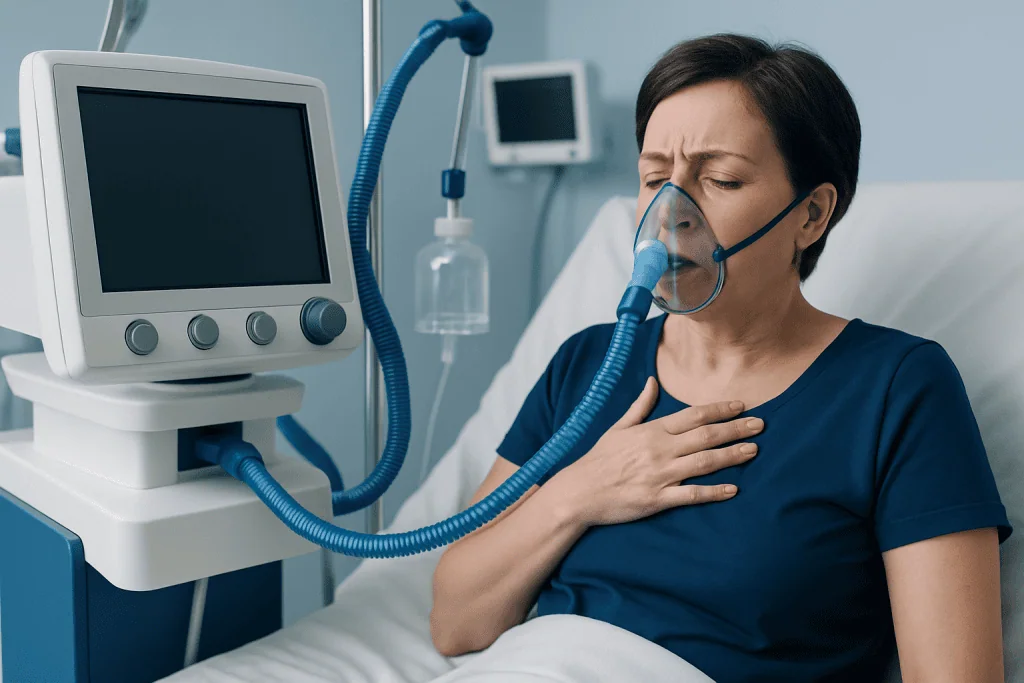
Essential oils are concentrated aromatic compounds extracted from plants. They are commonly used in diffusers, room sprays, bath products, massage blends, and personal-care items. Although some people find particular scents calming, feeling relaxed is different from treating the airway narrowing and inflammation of asthma.
High-quality clinical evidence does not support inhaled, topical, or swallowed essential oils as effective treatment for asthma attacks. Claims that oils such as eucalyptus, peppermint, lavender, or tea tree can “open” the lungs are not a substitute for evidence-based asthma treatment. In addition, preparations vary greatly in their ingredients and concentration, which makes results difficult to predict.
During an attack, time matters. A quick-relief inhaler, if prescribed, delivers medicine designed to relax airway muscles quickly. People should follow their written asthma plan, including instructions for when to take reliever medicine and when to get urgent help. For an overview of the condition and its management, see asthma.
How Scents and Oils May Affect Asthma

Asthma airways are sensitive. Strong odors and airborne irritants can trigger symptoms in some people, even when they are not a true allergy. Diffused oils, scented candles, incense, air fresheners, perfumes, cleaning sprays, and fragranced cosmetics may release substances that irritate the nose, throat, or lungs.
Possible reactions include coughing, wheezing, shortness of breath, throat irritation, chest tightness, headache, or a runny nose. Smoke from candles or burning oils may be particularly troublesome because smoke and particles can irritate the respiratory tract. A person who notices symptoms around a particular scent should leave the exposure, avoid it in future, and discuss recurring reactions with a healthcare professional.
Applying diluted oils to the skin may cause dermatitis or allergic reactions in some people. Swallowing essential oils is not advised unless specifically supervised by a qualified clinician, as concentrated products can be toxic and may interact with medicines. Essential oils should be kept away from children and stored safely to prevent accidental ingestion.
- Do not diffuse oils in a room when someone with asthma is having symptoms.
- Do not put essential oils in a nebulizer, inhaler, humidifier, or on an asthma inhaler unless a clinician has specifically advised it.
- Avoid using oils near infants, young children, or anyone known to react to fragrances.
What to Do During Asthma Symptoms
Symptoms of an asthma flare may include wheezing, coughing, shortness of breath, chest tightness, or waking at night because of breathing difficulty. The appropriate response depends on the person’s prescribed treatment plan and the severity of symptoms. Sitting upright, staying as calm as possible, and moving away from a suspected trigger may help while treatment is started.
The person should use their prescribed reliever medicine according to their asthma action plan. They should not rely on breathing exercises, hot steam, essential oils, coffee, or other remedies instead of medication. Steam can cause burns, and it has not been shown to reverse airway narrowing during an asthma attack.
If symptoms are becoming more frequent, reliever medicine is needed more often than usual, exercise is increasingly difficult, or sleep is disturbed by asthma, medical review is important. These changes can mean that asthma is not well controlled and that preventive treatment, inhaler technique, or trigger management needs reassessment. Asthma treatment may include reliever medicines, controller medicines, inhaler education, and a personalized action plan.
Reducing Trigger Exposure Without Relying on Oils
Asthma triggers differ from person to person. Common examples include viral respiratory infections, tobacco smoke, air pollution, cold air, exercise, pollen, dust mites, pet dander, mold, workplace exposures, and strong fragrances. Keeping a simple record of symptoms and possible exposures can help identify patterns over time.
For people sensitive to scents, choosing fragrance-free laundry products, cleaning products, soaps, and cosmetics may reduce unnecessary exposure. Good ventilation while cleaning, avoiding smoke indoors, and asking household members to limit perfumes, aerosol sprays, incense, and diffusers can also be practical steps. These measures complement, rather than replace, prescribed asthma care.
Taking controller medication consistently when it has been prescribed is one of the most effective ways to reduce exacerbation risk. A clinician or pharmacist can check inhaler technique, because even a suitable medicine may not work as intended if it is used incorrectly. Vaccination discussions, smoking cessation support, and treatment of allergies or nasal symptoms may also be relevant for some individuals.
When to Seek Medical Care
Emergency medical care is needed if a person has severe shortness of breath, is struggling to speak in full sentences, has blue or gray lips or face, seems confused or unusually drowsy, has a “silent” chest with very little airflow, or is getting worse despite using prescribed reliever medicine. Emergency services should be contacted promptly rather than driving alone or waiting for symptoms to pass.
Urgent same-day medical advice is appropriate for worsening wheeze or breathlessness, repeated nighttime symptoms, frequent need for a reliever inhaler, or an asthma attack that has settled but was more severe than usual. A healthcare professional can assess whether treatment needs to be adjusted and help update the asthma action plan.
Even without an emergency, people should arrange a routine appointment if they suspect scents, workplace products, or other exposures are triggering symptoms. Assessment may include symptom history, lung function testing, allergy evaluation when appropriate, and a review of inhaler use. Acibadem International’s multidisciplinary specialists and JCI-accredited hospitals diagnose and treat asthma for international patients.
A Safer Way to Discuss Complementary Approaches
Some people are interested in complementary practices because asthma can feel distressing and unpredictable. It is reasonable to discuss concerns about stress, sleep, indoor air quality, or fragrance exposure with a clinician. Relaxation techniques, paced breathing, regular physical activity suited to the individual, and good sleep habits may support overall wellbeing, but they do not replace asthma medicines.
If a person chooses to use a scented product for non-medical reasons, it is safest to avoid it during symptoms and stop immediately if it causes coughing, wheezing, irritation, or chest tightness. They should use it only in a well-ventilated setting, keep it away from children, and never add it to equipment intended for prescribed respiratory medication.
The most useful question is not which essential oil is “best” for asthma, but whether any scented exposure worsens that individual’s breathing. A clinician can help create a practical plan that protects airways while respecting personal preferences and daily routines.
Frequently asked questions
Can essential oils stop an asthma attack?
No. Essential oils have not been shown to stop an asthma attack or reverse airway narrowing. A person should use their prescribed reliever medication and follow their asthma action plan rather than delaying care to try an oil or diffuser.
Which essential oil is best for asthma?
No essential oil is recommended as an asthma treatment. Oils such as eucalyptus, peppermint, and lavender may be pleasant for some people, but their scents can trigger coughing, wheezing, or chest tightness in others.
Can eucalyptus oil make asthma worse?
It can. Eucalyptus and other strongly scented oils may irritate sensitive airways or trigger symptoms in some people with asthma. Anyone who develops respiratory symptoms around an oil should stop exposure and avoid using it again.
Is it safe to put essential oils in a nebulizer?
No, essential oils should not be put in a nebulizer unless a qualified clinician has explicitly instructed otherwise. Nebulizers are designed to deliver prescribed sterile respiratory medicines, and oils may irritate the lungs or damage equipment.
Can I use a diffuser if someone in my home has asthma?
A diffuser may be tolerated by some people but can trigger symptoms in others, so caution is important. It should not be used around someone having asthma symptoms, and it is best avoided if the person has a history of fragrance-triggered coughing or wheeze.
When is asthma breathing trouble an emergency?
Emergency help is needed for severe breathlessness, difficulty speaking, blue or gray lips or face, confusion, drowsiness, or symptoms that do not improve with prescribed reliever medicine. It is safer to seek urgent help early if breathing is worsening or the person is worried.
References
- Global Initiative for Asthma
- American Lung Association
- National Heart, Lung, and Blood Institute
- Asthma and Allergy Foundation of America
- U.S. Food and Drug Administration
This article is for general information only and is not a substitute for professional medical advice. Please consult a qualified doctor about your individual situation.
Asthma in Turkey — costs, top hospitals & a free quote
JCI-accredited · board-certified surgeons · reply within 24h
Add us as a Preferred Source to see more of our trusted health content across Google Search, AI Overviews and Discover.

More from the Health Library

Caffeine Sensitivity — Explained by Medical Evidence, Not Myths

Low Anion Gap Causes: A Complete Medical Overview

Homozygous: What Patients Need to Know

Muscle Groups — Explained by Medical Evidence, Not Myths

Birth Control Options for Women: A Complete Medical Overview