Esthetician: A Complete Medical Overview
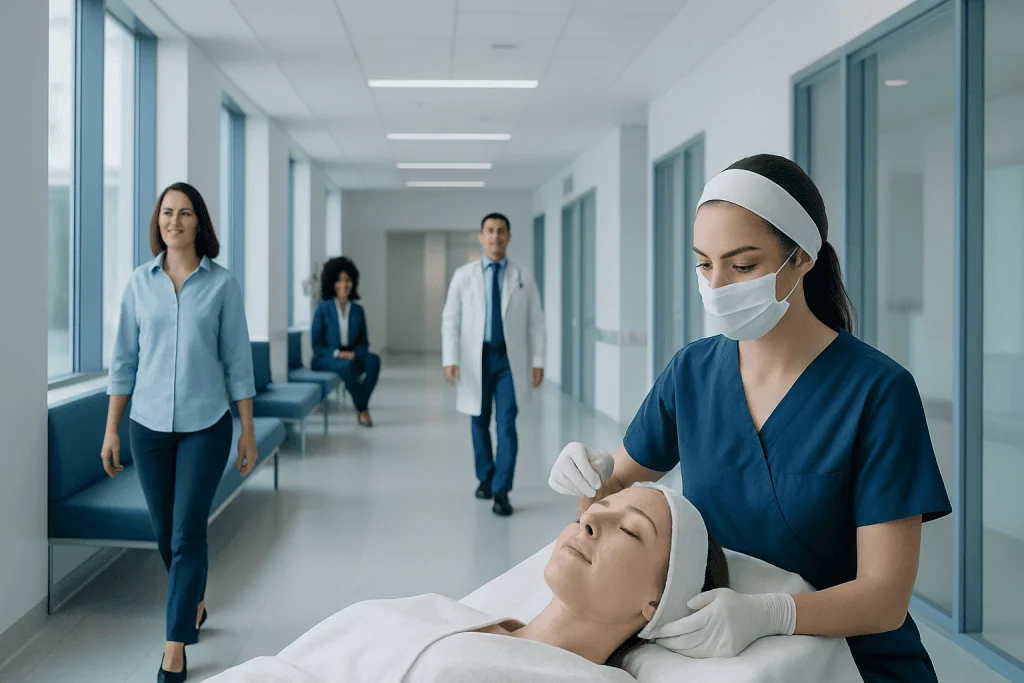
An esthetician focuses on cosmetic skin care, not medical diagnosis or prescription treatment. They may help with cleansing, exfoliation, facials, and skin-care routines tailored to skin type.
Key Takeaways
- An esthetician focuses on cosmetic skin care, not medical diagnosis or prescription treatment.
- They may help with cleansing, exfoliation, facials, and skin-care routines tailored to skin type.
- Persistent rashes, changing moles, severe acne, infection, or painful skin problems should be assessed by a doctor.
- A qualified esthetician should work within local licensing rules, hygiene standards, and referral boundaries.
- Knowing the difference between an esthetician and a dermatologist helps people choose the right care.
An esthetician is a licensed skin-care professional trained to provide cosmetic, nonmedical treatments such as facials, cleansing, exfoliation, and product guidance. They can support skin wellness and appearance, but diagnosis and treatment of skin disease remain the role of a physician, usually a dermatologist.
Overview: what an esthetician does
An esthetician is a licensed skin-care professional who provides cosmetic treatments aimed at improving the look and feel of the skin. In practical terms, this often includes facials, cleansing, exfoliation, extraction of some clogged pores, superficial chemical peels permitted by local regulations, hair removal methods such as waxing, and advice on basic skin-care products. The focus is appearance, comfort, and routine skin maintenance rather than diagnosis of disease.
This distinction matters. An esthetician can often identify that skin looks irritated, congested, dry, sensitive, or sun-damaged, but they do not replace a physician. If a client has a concerning rash, a suspicious mole, severe inflammation, signs of infection, or a condition that may need prescription treatment, the safest next step is medical evaluation. In many cases, that means referral to a dermatologist.
People sometimes hear the term “medical esthetician.” This usually refers to an esthetician working in a clinical environment, such as alongside dermatology or plastic surgery teams, where skin preparation and post-procedure skin care may be part of care plans. Even in these settings, the esthetician’s role remains supportive and cosmetic, while medical decisions are made by licensed physicians.
Training, licensing, and scope of practice
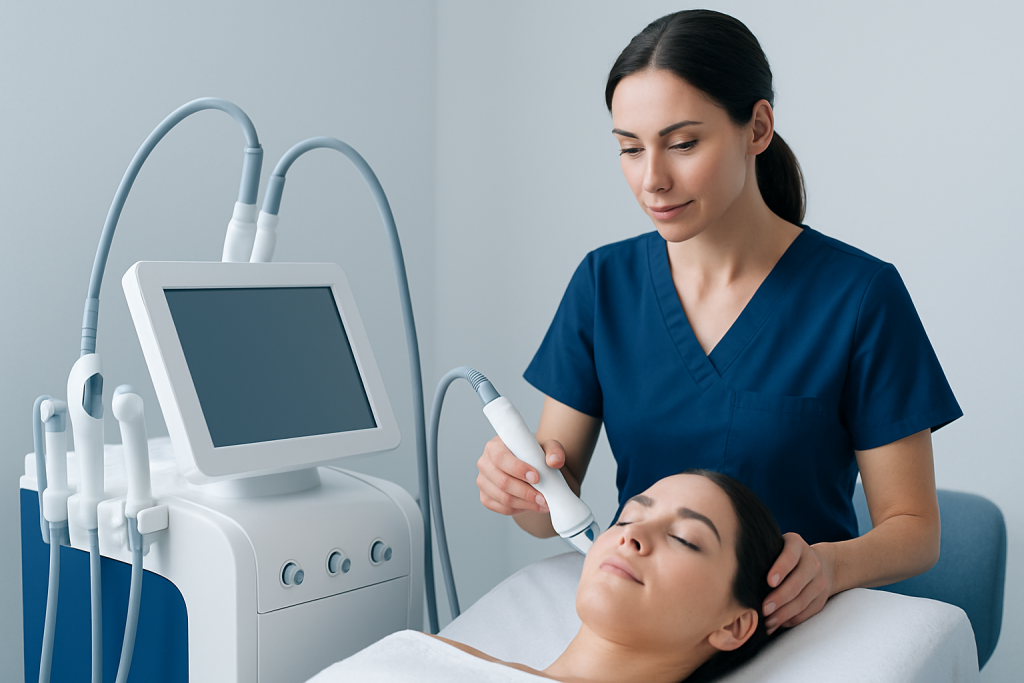
Estheticians usually complete formal training in skin anatomy, cleansing techniques, sanitation, facial treatments, hair removal, product knowledge, and client safety. They must typically meet regional licensing requirements, which vary by country and state. Because these rules differ, the exact services an esthetician may legally provide can vary as well.
A safe esthetic practice includes careful hygiene, use of appropriate products, awareness of allergies or sensitivities, and clear communication about what treatment can and cannot do. A responsible esthetician should ask about medical history relevant to the skin, such as eczema, psoriasis, rosacea, recent laser procedures, use of isotretinoin, active infections, pregnancy, or a history of keloid scarring.
Equally important is understanding professional limits. Estheticians do not diagnose skin cancer, prescribe medicines, perform deep medical procedures, or manage complex skin disease. If a client’s concern goes beyond cosmetic skin care, referral is appropriate. This collaborative approach can help people receive both supportive skin care and timely medical treatment when needed.
Common services an esthetician may provide
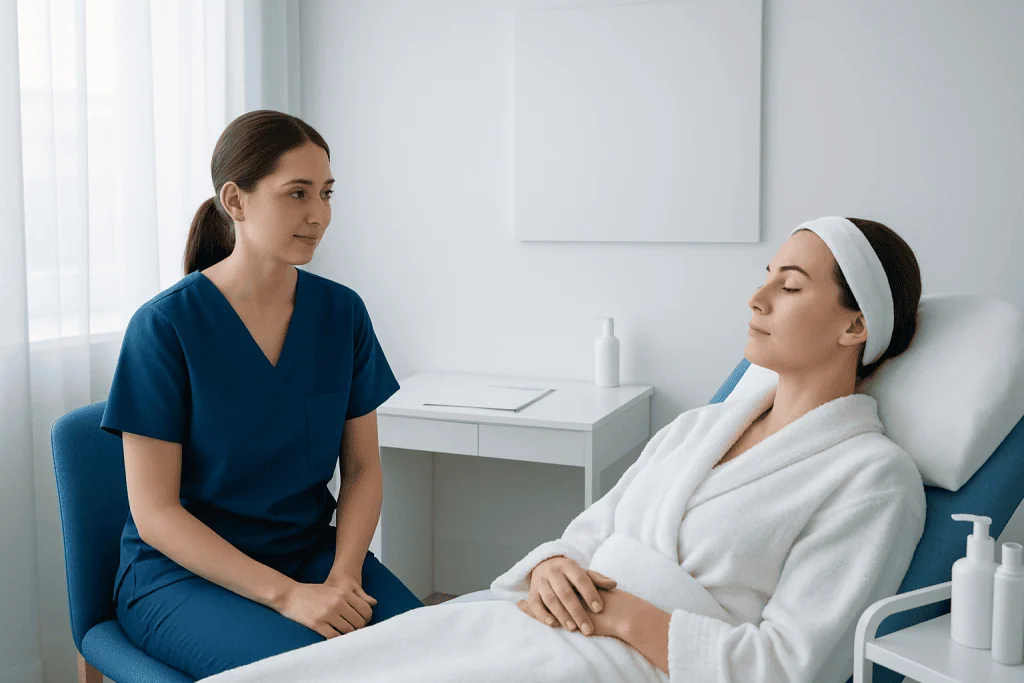
Most esthetician services are designed to cleanse the skin, improve surface texture, and support a regular skin-care routine. Treatments often include deep cleansing facials, exfoliation, masks, moisturizing treatments, and advice on sunscreen and at-home products. Some estheticians also offer makeup application, brow shaping, and waxing, depending on local scope-of-practice rules.
Many people seek an esthetician for concerns such as dullness, rough texture, enlarged-looking pores, mild comedonal acne, dryness, or temporary irritation from harsh products. In these situations, professional guidance may help a person simplify routines, avoid over-exfoliation, and choose products better matched to skin type. Skin that is healthy at the barrier level often responds better to consistent, gentle care than to frequent changes in products.
In some clinics, estheticians support care before or after physician-led procedures. For example, they may help patients understand cleansing, moisturization, and sun protection after a treatment plan has been set by a doctor. If deeper resurfacing or a physician procedure is needed, options may include chemical peel treatment or laser skin resurfacing, depending on the person’s skin type, goals, and medical evaluation.
- Facials and cleansing treatments
- Exfoliation and selected superficial peels
- Extraction of some noninflamed clogged pores
- Waxing and certain forms of hair removal
- Skin-care routine education and product selection
Esthetician vs dermatologist: knowing the difference
A dermatologist is a medical doctor specializing in the diagnosis and treatment of skin, hair, and nail disorders. This includes acne, eczema, psoriasis, fungal infections, allergic reactions, pigment disorders, suspicious moles, wounds, and many other conditions. Dermatologists can prescribe medication, order tests, perform biopsies, and carry out medical procedures. By contrast, an esthetician provides cosmetic care and cannot diagnose or prescribe.
The difference is not about one profession being “better” than the other; it is about choosing the right level of care. Someone with healthy skin who wants help with cleansing, cosmetic exfoliation, or routine maintenance may benefit from an esthetician. Someone with inflamed, painful, spreading, recurrent, or unexplained skin changes should seek medical care.
There is often useful overlap. A dermatologist may treat the medical aspect of acne, eczema, or rosacea, while an esthetician can later support a gentle routine that protects the skin barrier and complements the physician’s plan. Conditions such as acne, eczema, and psoriasis are examples where physician diagnosis is important, even if cosmetic skin support is also helpful.
Benefits, limits, and possible risks
For many people, seeing an esthetician can improve comfort, confidence, and understanding of daily skin care. Professional cleansing, product recommendations, and advice on sunscreen use may help reduce avoidable irritation and support smoother, more balanced skin. Estheticians can also help identify habits that may be worsening dryness or sensitivity, such as overuse of scrubs, acids, or fragranced products.
Still, cosmetic skin care has limits. An esthetician cannot make a firm diagnosis when a skin problem has multiple possible causes. For example, redness might relate to irritation, rosacea, eczema, allergy, infection, or another condition. Treating all redness as a cosmetic issue can delay proper care, which is why persistent or severe symptoms should be medically assessed.
There are also potential risks with esthetic treatments, especially if skin is sensitive, recently sunburned, affected by active disease, or being treated with prescription medicines. Over-exfoliation may disrupt the skin barrier and cause burning, peeling, or increased sensitivity. Waxing or peels may trigger irritation or pigmentation changes in some individuals. Safe practice depends on proper technique, careful screening, and stopping treatment when the skin shows warning signs.
How to choose an esthetician and prepare for an appointment
Choosing an esthetician involves more than convenience. It helps to look for current licensing, clear hygiene practices, and a professional who asks thoughtful questions about skin history, allergies, medications, and recent procedures. A good consultation should feel balanced and realistic, with no pressure to use too many products or pursue treatments that seem unsuitable for the skin’s current condition.
Before the appointment, it is useful to bring a list or photos of current skin-care products and note any reactions the skin has had. People should mention recent retinoid use, chemical peels, laser treatments, cold sores around the mouth, pregnancy, immune problems, and any history of severe allergies. This information helps the esthetician avoid treatments that may be too strong or inappropriate.
After a session, simple aftercare often matters most. Gentle cleansing, regular moisturization, and daily sun protection can help preserve results and reduce irritation. If a person is considering a more advanced cosmetic procedure, physician-led options such as Botox may be discussed in the proper medical setting when relevant to their goals and health status.
When to seek medical care
Many skin concerns are minor and can be managed with gentle skin care, but some symptoms should be assessed by a doctor rather than a cosmetic professional. Medical evaluation is especially important if a rash is painful, rapidly spreading, blistering, draining pus, or associated with fever. A lesion that bleeds easily, changes in size or color, or does not heal also needs prompt attention.
People should also seek medical care for severe acne, scarring acne, widespread eczema, possible allergic reactions, repeated skin infections, sudden hair loss, or new pigmentation changes. Persistent itching, burning, or facial redness that does not improve with routine care may signal an underlying condition requiring diagnosis. In these situations, a dermatologist or other qualified physician can determine the cause and recommend evidence-based treatment.
For patients who need specialist assessment, Acibadem International’s multidisciplinary specialists and JCI-accredited hospitals diagnose and treat skin conditions for international patients. Cosmetic support can be helpful, but a physician should guide care when symptoms are persistent, unexplained, or medically significant.
Frequently asked questions
What is an esthetician?
An esthetician is a licensed professional who provides cosmetic skin-care services. These usually include facials, cleansing, exfoliation, some hair removal methods, and guidance on skin-care products. They focus on appearance and routine skin maintenance rather than medical diagnosis.
Is an esthetician the same as a dermatologist?
No. A dermatologist is a medical doctor who diagnoses and treats skin, hair, and nail conditions, including diseases that may need prescription medication or procedures. An esthetician provides nonmedical cosmetic skin care and should refer medical concerns to a doctor.
Can an esthetician treat acne?
An esthetician may help with skin-care routines and certain cosmetic treatments for mild clogged pores or surface congestion. However, inflamed, painful, persistent, or scarring acne should be evaluated by a dermatologist. Medical treatment may be needed to control inflammation and prevent long-term marks.
What is a medical esthetician?
The term usually refers to an esthetician who works in a medical or surgical practice, often helping with skin preparation and aftercare. Their work may support physician-led treatments, but they still do not diagnose disease or prescribe medication. The exact role depends on local regulations and the clinical setting.
Are esthetician treatments safe for sensitive skin?
They can be, but treatment should be individualized. Sensitive skin may react to fragrances, strong acids, aggressive exfoliation, waxing, or multiple active ingredients used together. A careful consultation and conservative approach are important, and any significant or ongoing reaction should be medically assessed.
When should someone see a doctor instead of an esthetician?
A doctor is the right choice for rashes, severe acne, skin infections, painful lesions, suspicious moles, sudden pigmentation changes, or symptoms that are persistent or worsening. Fever, blistering, drainage, or a nonhealing sore also need medical attention. These problems may require diagnosis, testing, or prescription treatment.
References
- American Academy of Dermatology
- National Institutes of Health
- U.S. Food and Drug Administration
- American Society for Dermatologic Surgery
- World Health Organization
This article is for general information only and is not a substitute for professional medical advice. Please consult a qualified doctor about your individual situation.
Hair transplant in Turkey — costs, graft counts & a free assessment
JCI-accredited · board-certified surgeons · reply within 24h
Add us as a Preferred Source to see more of our trusted health content across Google Search, AI Overviews and Discover.

More from the Health Library



Related Specialists
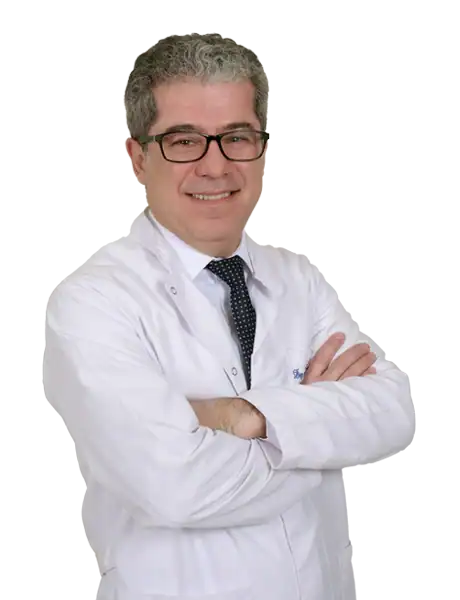
Assoc. Prof. Dr. İsmail Yüce
Neurosurgery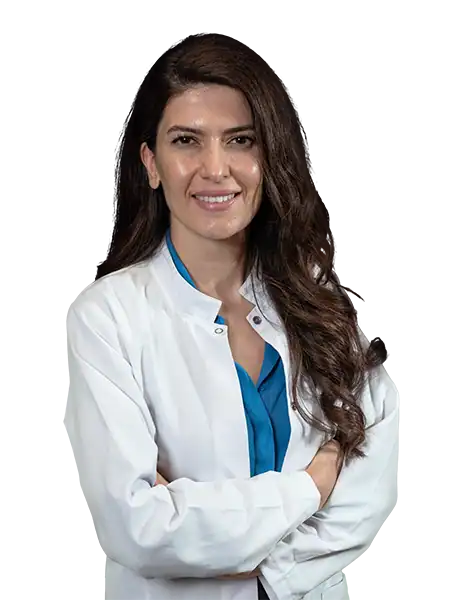
Assoc. Prof. Dr. Sibel Yıldırım Moral
Otorhinolaryngology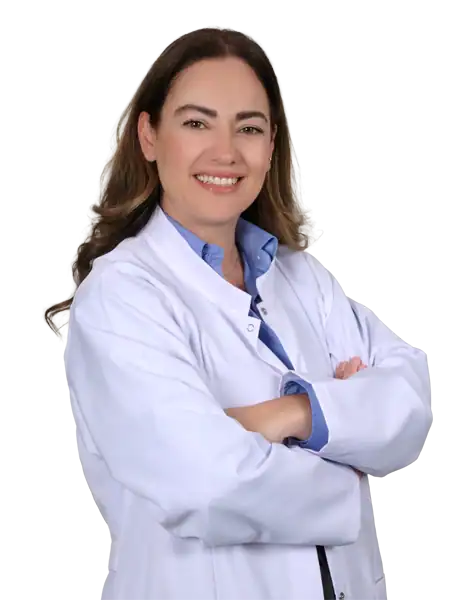
Dr. Ceyda Perçinoğlu
Gynecology & Obstetrics
Prof. Dr. Mehmet E. Erdil
Orthopedic Surgery & Traumatology